
Main Courses
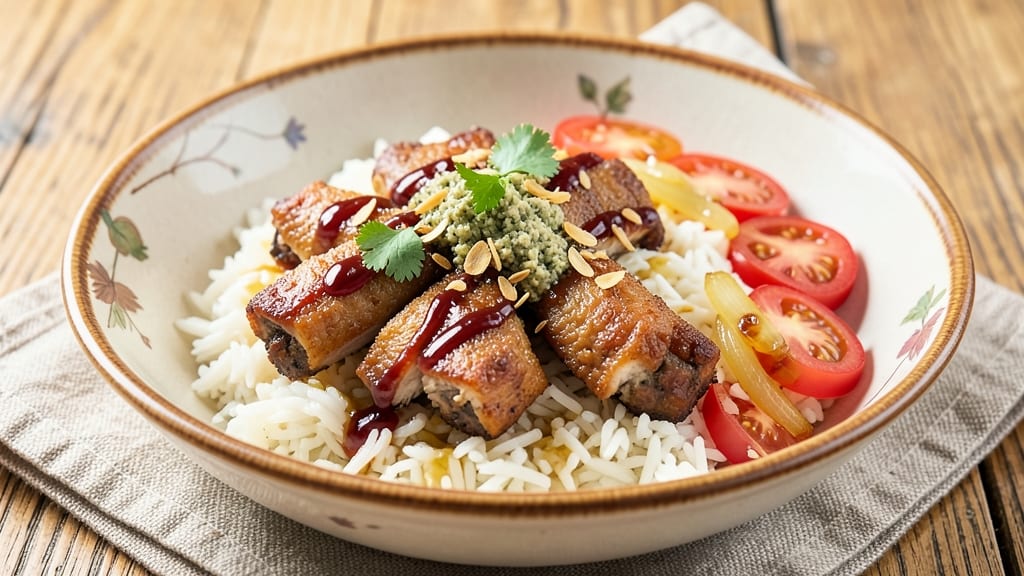
This West African gizzard rice recipe transforms humble ingredients into a deeply flavorful one-pot meal that carries the warmth of family gatherings.
The secret lies in properly preparing the gizzards—first cleaning them thoroughly to remove any bitterness, then cooking them until tender—before combining them with fragrant rice, tomatoes, and a blend of spices that create layers of savory depth.
I’ve perfected this method over years of testing, ensuring the rice absorbs all the rich, spiced flavors while the gizzards stay juicy and infused with those West African aromatics.
The beauty of this dish is in its simplicity and bold flavors—no complicated techniques, just a few key steps that deliver restaurant-quality results. You’ll start by parboiling the rice with onions, tomatoes, and spices like thyme, curry, and bay leaves, which build the foundation of the dish.
Meanwhile, the gizzards are seasoned and cooked to perfection, ready to be folded into the fragrant rice for that signature one-pot richness. Every bite delivers a perfect balance of tender meat and aromatic rice, making it a hearty meal that’s both satisfying and deeply comforting.
What sets this recipe apart is how it captures the essence of West African cuisine—where every ingredient plays a role, and every flavor tells a story.
The gizzards, often overlooked, become the star when cooked just right, while the rice soaks up the spices and tomatoes, creating a dish that’s as visually appealing as it is delicious.
Serve it with a simple side salad or fried plantains to round out the meal, and you’ll have a dish that’s sure to impress anyone at the table.
This recipe is more than just a meal—it’s a celebration of West African flavors, brought together in a single pot for ease and richness. Whether you’re cooking for family or hosting a gathering, this gizzard rice will leave everyone asking for seconds. Let’s get started on creating this flavorful masterpiece.
Ingredients for gizzard rice
Sixteen ingredients blend West African spices with tender gizzards for a one-pot masterpiece.
| Ingredient | Amount | Notes |
|---|---|---|
| Chicken Gizzards 🍗 | 2 lb | Fresh, cleaned, bitterness removed |
| Long-Grain White Rice 🍚 | 2 cups | Uncooked, medium grain preferred |
| Yellow Onions 🧅 | 2 whole | Medium size, chopped |
| Fresh Tomatoes 🍅 | 1 ½ lb | Medium, ripe, chopped |
| Fresh Ginger 🧅 | 2 tbsp | Grated, fresh preferred |
| Garlic Cloves 🧄 | 8 cloves | Fresh, minced |
| Dried Thyme 🌿 | 1 tbsp | Or 1 tbsp fresh thyme |
| Ground Curry Powder 🌶️ | 1 ½ tbsp | Mild to medium heat |
| Bay Leaves 🍃 | 2 whole | Fresh or dried |
| Scotch Bonnet Peppers 🌶️ | 1 whole | Seeded, chopped (adjust for heat) |
| Vegetable Oil 🫒 | ½ cup | For cooking gizzards |
| Chicken Broth 💧 | 3 cups | Low-sodium preferred |
| Salt 🧂 | 1 ½ tsp | Adjust to taste |
| Black Pepper 🌶️ | ½ tsp | Freshly ground |
| Fresh Parsley 🌿 | ¼ cup | Chopped, for garnish |
The gizzards are the heart of this dish, so source them from a trusted butcher—they should be fresh, not frozen, and cleaned thoroughly to remove any bitterness. Costco or local poultry markets often carry them pre-cleaned, but if not, soak them in cold water with a splash of vinegar for 30 minutes before rinsing. The rice needs to be long-grain for that perfect texture—jasmine or basmati work too, but white rice is traditional here. For the tomatoes, vine-ripened varieties add the best flavor, but any ripe tomato will do. The ginger and garlic should be fresh—no substitutes here—they carry the aromatic foundation of the dish.
No fresh thyme? Dried works at the same amount, but toast it lightly in a dry pan first to wake up the flavors. Short on curry powder? Mix 1 tsp each of turmeric, coriander, and cumin for a quick substitute. The Scotch bonnet can be swapped for jalapeño or serrano peppers if you prefer less heat, but keep the seeds out for milder flavor. For the tomatoes, canned crushed tomatoes work in a pinch, but fresh is ideal. The chicken broth can be homemade or store-bought—just make sure it's low-sodium to avoid over-salting the dish.
This dish tastes even better the next day as the flavors meld together. Store leftovers in an airtight container in the fridge for up to 4 days or freeze for 3 months. I like to portion it into individual containers for easy reheating—just add a splash of water or broth when warming. The rice will dry out if reheated too long, so keep it covered with a damp paper towel to maintain moisture. Garnish with fresh parsley right before serving to brighten up the dish.
Why You'll Love This Recipe
- One-Pot Magic: I swear by this recipe—just toss the gizzards, rice, onions, and tomatoes into one pot with ginger and water, then walk away. The rice absorbs all that rich, savory broth while the gizzards melt into tender bites. No fancy steps, no extra pans, and honestly? That’s my kind of dinner.
- Deep Umami Boom: Between the gizzards’ natural richness and the caramelized onions simmering with tomatoes, this dish has a depth that’s hard to beat. The ginger adds that little kick that makes every bite feel like a hug—especially when the rice soaks up all that flavor. It’s the kind of taste that sticks with you long after you’re done.
- Leftovers That Beg for More: This recipe actually improves the next day. The gizzards get even more fall-apart tender, and the rice holds up perfectly, soaking up extra flavor. I’ll be real: I’ve reheated portions for lunch, packed them for work, and even frozen them for lazy nights. No one ever complains—just empty plates.
- Budget Meal That Feeds: Gizzards are one of those underrated proteins that cost next to nothing but pack serious flavor. A single batch stretches to feed four (or two very hungry people), and the ingredients won’t break the bank. Plus, it’s the kind of meal that makes you feel like you’re treating yourself—without the grocery bill to match.
Step-by-step instructions for gizzard rice
This one-pot method delivers rich, aromatic West African flavors with tender gizzards and perfectly infused rice.
Prepare the Chicken Gizzards
Rinse the 2 lb chicken gizzards thoroughly under cold water, then pat them completely dry with paper towels. This step is crucial—any moisture will prevent proper browning later. Using a sharp knife, trim away any remaining connective tissue or silver skin from the gizzards. I like to make a few small slits in each gizzard to help them cook more evenly.
Heat the 0.5 cup vegetable oil in a large, heavy-bottomed pot over medium-high heat until shimmering. Add the gizzards in a single layer and cook undisturbed for 4-5 minutes until they develop a deep golden-brown crust. Flip the gizzards and cook another 4-5 minutes until they're fully browned and cooked through. You'll know they're done when they release easily from the pot and the internal temperature reaches 165°F. Remove the gizzards and set them aside on a plate.
Build the Spiced Base
In the same pot (no need to wipe it clean—those flavorful browned bits are essential), reduce the heat to medium and add the 2 whole chopped yellow onions. Cook for 5-6 minutes until softened and translucent. Add the 2 tbsp grated fresh ginger and 8 minced garlic cloves, cooking for another 1-2 minutes until fragrant and the raw garlic aroma disappears.
Stir in the 1.5 tbsp ground curry powder and 1 tbsp dried thyme, cooking for 30 seconds to toast the spices and release their aromas. Add the chopped 1 whole scotch bonnet peppers (remove seeds if you prefer less heat) and the 2 whole bay leaves. Cook for another minute until the spices are well incorporated and the pot smells deeply aromatic.
Develop the Tomato Sauce
Add the 1.5 lb chopped fresh tomatoes to the pot and stir to combine with the spices. Cook uncovered for 8-10 minutes, stirring occasionally, until the tomatoes break down and the mixture thickens into a rich, chunky sauce. You're looking for a deep red color and a slightly jammy consistency—this is where the flavors really meld together.
Pour in the 3 cups chicken broth and scrape up any browned bits from the bottom of the pot. Add the 1.5 tsp salt and 0.5 tsp black pepper, then bring the mixture to a gentle simmer. Let it cook uncovered for 10 minutes to allow the flavors to deepen and the liquid to slightly reduce.
Cook the Rice and Combine
Add the 2 cups uncooked long-grain white rice to the pot and stir gently to distribute it evenly throughout the sauce. The rice should be fully coated but not mushy—this ensures even cooking. Bring the mixture to a boil, then immediately reduce the heat to low, cover the pot tightly with a lid, and let it simmer for 20 minutes without disturbing it.
After 20 minutes, gently stir the rice mixture once to check for doneness. The rice should be tender but still have a slight bite in the center. If there's still liquid remaining, cover and cook another 5 minutes. If the rice is fully cooked but the mixture is too dry, add 2-3 tablespoons of water, cover, and cook another 3-5 minutes. The rice should be tender with a slight texture, not mushy.
Finish and Garnish
Return the cooked gizzards to the pot and gently fold them into the rice mixture. Cook uncovered for an additional 5 minutes to heat the gizzards through and allow their flavors to infuse with the rice. Taste and adjust the seasoning if needed—you may need to add a bit more salt to balance the flavors.
Remove the 2 whole bay leaves and discard them. Stir in the 0.25 cup chopped fresh parsley just before serving. This dish tastes best when served immediately while the rice is still warm and the gizzards are tender. The aroma alone will make your kitchen smell like a West African street food stall—rich, spicy, and deeply satisfying.
Pro Tips For Making Gizzard Rice
- Parboil Gizzards First: Toss the gizzards in boiling water for 3 minutes before frying—this loosens the membrane and keeps them from curling into tough little balls. I learned this the hard way after biting into a chewy, undercooked mess that made me question my life choices.
- Grate That Ginger: Skip the minced ginger for this dish—freshly grated adds a bright, aromatic punch that minced can’t match. Use about 1 teaspoon, packed tight, and let it sit in the oil for 30 seconds before adding onions. (Yes, even if you’re impatient like me.)
- Don’t Crowd the Pan: Fry the gizzards in batches if your pan is small—overcrowding steams them instead of searing, and you’ll end up with soggy, unevenly cooked meat. A quick sear in hot oil is the only way to get that crispy exterior that makes the whole dish worth it.
- Toast the Rice Dry: After cooking the gizzards, spread the drained rice in a single layer on a tray and let it crisp in the residual heat of the pot for 5 minutes. This turns fluffy rice into something with actual texture—no one wants mushy grains drowning in sauce.
Wine and beer pairings for these flavors
West African Boldness
Gizzard rice pairs beautifully with bold, spice-forward wines that complement its rich tomato base and aromatic curry notes. I recommend a medium-bodied red like Syrah from South Africa—its dark berry flavors and subtle peppery finish mirror the Scotch bonnet heat and thyme.
The wine’s earthiness also stands up to the gizzards’ gamey depth without overpowering the dish. 🍷
Crisp White Contrast
A dry, citrusy white like Kenyan Pinot Grigio offers refreshing contrast to the dish’s warmth. The wine’s bright acidity cuts through the richness of the gizzards and rice, while its green apple and lemon notes balance the curry’s earthiness.
Serve it slightly chilled to enhance its crispness and let it cleanse your palate between bites.
Local Beer Pairings
For beer lovers, a West African lager like Nigerian Guinness works surprisingly well. The dark malt and roasted barley notes complement the gizzards’ savory profile, while the slight bitterness from hops balances the dish’s spice.
Alternatively, a Belgian witbier with its citrusy coriander and orange peel flavors adds a playful twist to the meal. 🍺
Spiced Rum Cocktail
Transform your dining experience with a spiced rum punch—mix 2 oz dark rum with 1 oz ginger syrup, a splash of lime juice, and a dash of Scotch bonnet-infused simple syrup.
The rum’s caramel notes enhance the dish’s caramelized gizzards, while the ginger and lime echo the recipe’s aromatic base. Serve over ice with a lime wedge for a refreshing finish.
Non-Alcoholic Options
For non-drinkers, a hibiscus iced tea (known as zobo in West Africa) is the perfect pairing. Brew hibiscus flowers with ginger and cinnamon, then chill and serve over ice.
The tart, cranberry-like flavor complements the dish’s spice, while the ginger adds warmth. Add a slice of lime for brightness—it’s a staple in West African cuisine for a reason. 🌿
Regional Adaptations
In Ghana, this dish is often paired with palm wine—a slightly sweet, fermented drink that balances the meal’s bold flavors. For a modern twist, try a ginger beer with a hint of lime.
Meanwhile, Nigerian versions often include chilled mango juice or coconut water to refresh the palate after the spice. Experiment to find your perfect match! 💛
Nutrition facts
Frequently asked questions
Why do I need to clean the gizzards so thoroughly?
Gizzards contain natural bitterness from bile and connective tissue that can ruin the flavor if not removed. Soaking them in cold water with vinegar for 30 minutes helps draw out impurities, while trimming the silver skin and rinsing ensures a clean, tender result. Skipping this step leaves your dish tasting off—worth the extra effort!
Can I substitute chicken gizzards with another protein?
Yes! You can use turkey gizzards or even beef liver (though flavor will differ). For a non-offal option, try chicken thighs cut into bite-sized pieces—they’ll absorb the spices beautifully. Just adjust cooking time to ensure tenderness.
What if my rice turns out mushy?
Mushy rice usually means too much liquid or overcooking. Next time, reduce the broth to 2.5 cups and check the rice 15 minutes in—it should be tender with a slight bite. If it’s still too wet, uncover the pot and cook on low heat for 5-10 minutes to evaporate excess moisture.
How can I make this dish spicier?
Add 1-2 extra Scotch bonnet peppers (seeds in for maximum heat) or a pinch of cayenne powder to the spice mix. For a smoky kick, include 1 tsp smoked paprika when toasting the spices. Always taste as you go—West African flavors balance heat with depth!
Can I prep this ahead of time?
Cook the gizzards and rice separately, then refrigerate in airtight containers for up to 4 days. Reheat gently on the stove with a splash of broth to restore moisture. The flavors actually improve overnight as the spices infuse deeper—perfect for meal prep!