
Main Courses
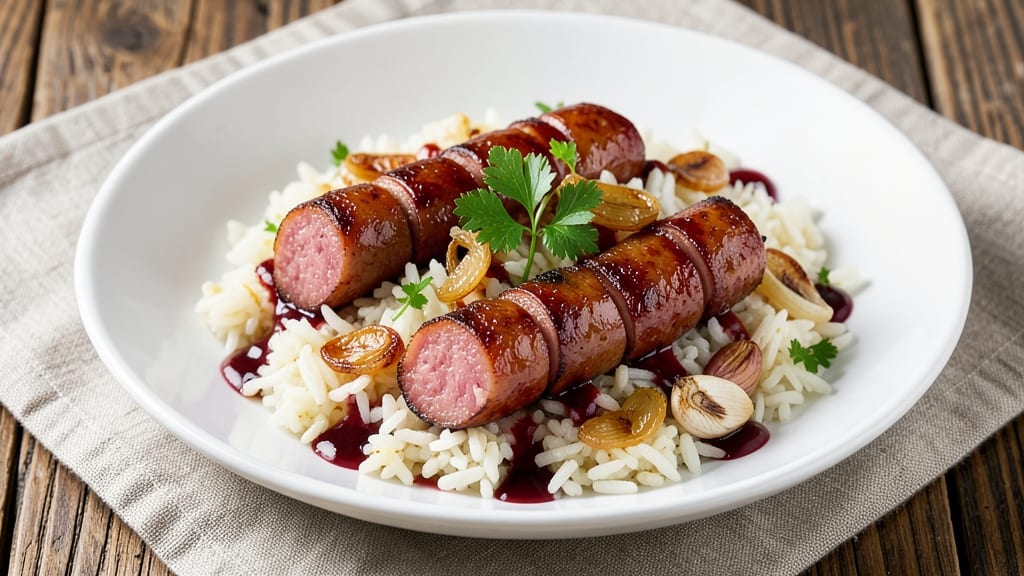
Gordon Ramsay's sausage and rice recipe transforms a simple one-pan meal into a restaurant-worthy masterpiece with just a few precise techniques.
The key lies in searing the sausages until deeply caramelized, then deglazing the pan to create a rich, flavorful base for the rice—exactly how Ramsay builds depth in every bite. This method ensures tender sausages and perfectly seasoned grains, all while keeping the process straightforward for home cooks.
What makes this dish truly special is the balance of textures and flavors: crispy sausage skins, tender meat, and fluffy rice that absorbs the savory pan juices. Ramsay’s approach avoids soggy rice by cooking it separately before combining, ensuring each component shines.
The result is a hearty, satisfying meal that feels indulgent yet requires minimal effort—ideal for weeknight dinners or weekend gatherings.
This recipe delivers a foolproof technique for achieving professional-quality results at home, with restaurant-style caramelization and seasoning. The one-pan method simplifies cleanup while maximizing flavor, and the timings are designed to keep everything cohesive.
Whether you're feeding a family or treating yourself, this dish proves that high-end cooking doesn’t require complicated steps—just precision and patience.
The finishing touches elevate the dish further: a sprinkle of fresh herbs or a drizzle of olive oil adds brightness, while a side of roasted vegetables or a simple salad balances the richness.
Ramsay’s signature techniques—like proper searing and deglazing—ensure every bite is packed with flavor, making this a go-to recipe for anyone who wants to impress without stress. Let’s get cooking!
Ingredients for gordon ramsay sausage and rice
Precision-cut ingredients for Ramsay’s signature restaurant-style sausage and rice. Every component elevates the dish from ordinary to extraordinary.
| Ingredient | Amount | Notes |
|---|---|---|
| High-Quality Italian Sausages 🥓 | 1 ½ lb | Mild or spicy, casings removed |
| Long-Grain White Rice 🍚 | 1 ½ cups | Uncooked, jasmine or basmati preferred |
| Unsalted Butter 🧈 | 4 tbsp | European-style, cold for searing |
| Shallots 🧅 | 2 whole | Minced, fresh preferred |
| Garlic Cloves 🧄 | 4 cloves | Peeled, finely chopped |
| Dry White Wine 🍷 | ½ cup | Sauvignon Blanc or Pinot Grigio |
| Chicken Stock 💧 | 1 ½ cups | Homemade or high-quality store-bought |
| Fresh Thyme Leaves 🌿 | ¼ cup | Stems removed, finely chopped |
| Fresh Parsley Leaves 🌿 | ⅛ cup | Chopped, for garnish |
| Extra-Virgin Olive Oil 🫒 | 2 tbsp | For finishing drizzle |
| Diamond Crystal Kosher Salt 🧂 | 1 ½ tsp | Adjust to taste |
| Freshly Ground Black Pepper 🌶️ | ½ tsp | Coarsely ground |
| Red Bell Pepper 🌶️ | 1 whole | Diced, for optional garnish |
The sausages are the foundation—opt for high-quality Italian sausages with visible herbs and spices, not the pre-cooked, flavorless brands. Costco or Whole Foods carry excellent options, or check the European section at your local supermarket. For the rice, jasmine or basmati provides the ideal texture, absorbing flavors without becoming mushy. The butter should be European-style (like Plugrá or Kerrygold) for higher smoke point and richer flavor. Shallots add depth that onions can’t match—fresh is non-negotiable here, as dried or jarred versions lack the brightness. If you can’t find fresh thyme, dried works at one-third the amount, but fresh is worth seeking out at a specialty market.
No white wine? Dry vermouth or extra chicken stock works in a pinch, though the acidity will differ slightly. The chicken stock should be homemade if possible—store-bought brands like Pacific Foods or Kettle & Fire are reliable alternatives. Fresh herbs are critical: substitute dried thyme at one-third the amount, but parsley’s bright flavor is hard to replicate. For the optional bell pepper garnish, roasted red peppers from a jar (like Mutti) save time while adding smoky sweetness. The olive oil should be extra-virgin with peppery notes—something you’d drizzle over pasta, not the mild supermarket varieties. If you’re short on time, pre-chop the shallots and garlic while the sausages sear, but don’t skip the deglazing step—it’s where the magic happens.
Store uncooked sausages in the fridge for up to 2 weeks or freeze for 3 months. The rice keeps well in an airtight container for 4 days, though it reheats best with a splash of water or stock. Portion the cooked rice into individual containers for easy reheating—just add a splash of water and microwave. The finished dish reheats beautifully, with the sausage skins crisping up again. For leftovers, cover with foil to prevent drying. This recipe scales perfectly for 6-8 servings—just double the ingredients and use a larger pan.
Why You'll Love This Recipe
- One-Pan Magic: I swear by this recipe because it’s the kind of meal that only needs a single pan—no chopping boards, no extra pots, just brown the sausage, toss in the rice and aromatics, and let it simmer. That golden crust on the rice? Pure reward for zero extra effort.
- Savory Umami Bomb: The moment those Italian sausages render and the shallots caramelize in the butter, my kitchen smells like a restaurant. The garlic hits just right, and that crispy rice? It’s the kind of texture that makes you forget to breathe until the first bite.
- Lunchbox Hero: Between us, this is my go-to for meal prep—cooks up in 30 minutes, reheats beautifully, and my kids actually eat it cold the next day. (Yes, even with the rice slightly firm.) Pack it for work or school, and you’ve got a solid, satisfying meal without the fuss.
- Budget Flex: I buy Italian sausages in bulk when they’re on sale, and a single package stretches to two meals with leftovers that taste even better reheated. Honestly, the butter and shallots make everything feel special without breaking the bank—just don’t skimp on the garlic.
Step-by-step instructions for sausage and rice masterpiece
This one-pan technique delivers restaurant-quality results with minimal effort.
Sear the Sausages and Build the Flavor Base
Heat a large, heavy-bottomed skillet over medium-high heat. Add the 1.5 lb high-quality Italian sausages, removing any casings, and sear them for 4-5 minutes until they develop a deep golden-brown crust. The reason for this initial sear is to render the fat and create a rich foundation for the dish.
Remove the sausages and set them aside on a plate. In the same skillet, add the 4 tbsp unsalted butter and allow it to melt completely. Immediately add the 2 whole shallots and 4 cloves garlic cloves, minced, cooking for 2-3 minutes until the shallots become translucent and the garlic releases its aromatic oils. This step ensures the flavors meld together before the rice is introduced.
Toast the Rice and Deglaze the Pan
Add the 1.5 cups long-grain white rice to the skillet, stirring vigorously to coat each grain in the rendered sausage fat and butter. Toast the rice for 1-2 minutes until it becomes slightly translucent at the edges. This process, known as blooming the rice, enhances its nutty flavor and prevents mushiness.
Pour in the 0.5 cup dry white wine and scrape up any browned bits from the bottom of the pan using a wooden spoon. This deglazing step captures all the concentrated flavors that have built up during the searing process. Allow the wine to simmer for 2-3 minutes until it has mostly evaporated, leaving behind a rich, aromatic base.
Simmer the Sausage and Rice Together
Return the seared sausages to the skillet, nestling them among the rice. Add the 1.5 cups chicken stock, ensuring the liquid reaches just below the top of the rice grains. Sprinkle the mixture with the 1.5 tsp diamond crystal kosher salt and 0.5 tsp freshly ground black pepper. Stir gently to combine, then bring the mixture to a gentle simmer.
Reduce the heat to low and cover the skillet with a tight-fitting lid. Let the mixture cook undisturbed for 15 minutes. This initial cooking period allows the rice to absorb the initial liquid while the sausages continue to render their flavors into the dish. Avoid peeking or stirring during this time, as it disrupts the even cooking process.
Incorporate Herbs and Finish Cooking
After 15 minutes, remove the lid and stir the mixture gently. Add the 0.25 cup fresh thyme leaves and 0.125 cup fresh parsley leaves, distributing them evenly throughout the rice. Return the lid and continue cooking on low heat for an additional 15-20 minutes, or until the rice is tender and all the liquid has been absorbed.
To check for doneness, insert a fork into the center of the rice. If it slides in easily and the grains are tender but still have a slight bite, the rice is ready. If there is still liquid remaining, continue cooking uncovered for an additional 2-3 minutes to allow the excess moisture to evaporate. This ensures each grain of rice is perfectly cooked and not soggy.
Rest and Garnish for Presentation
Once the rice is fully cooked, remove the skillet from the heat and let the mixture rest, covered, for 5 minutes. This resting period allows the flavors to meld together and the rice to finish absorbing any remaining juices. During this time, you can dice the 1 whole red bell pepper for garnish, if desired.
Before serving, drizzle the dish with the 2 tbsp extra-virgin olive oil and sprinkle with the diced red bell pepper. The olive oil adds a final touch of richness, while the bell pepper provides a vibrant contrast in both color and texture. Serve immediately, ensuring each portion includes both the sausage and rice for a harmonious bite.
Pro Tips For Making Gordon Ramsay Sausage And Rice
- Brown the Sausages Properly: DESCRIPTION: Don’t just sear—get those Italian sausages deeply browned with a crust that’ll shatter when you bite in. Cut them lengthwise first (yes, even if it’s not pretty) so they render fat faster and cook through evenly. After 3-4 minutes per side, pull them out and let the pan cool for 30 seconds before adding shallots—this stops the garlic from burning instantly.
- Rinse the Rice Twice: DESCRIPTION: I used to skip this, and my rice always turned out gummy. For long-grain white rice, rinse it in a fine-mesh strainer under cold water until the water runs almost clear—just a faint cloudiness is fine. This removes excess starch, so your rice stays separate and fluffy, not gluey. Drain well, then use a dry towel to shake out excess moisture before toasting in butter.
- Sweat Shallots Low and Slow: DESCRIPTION: After removing the sausages, resist the urge to crank the heat back up. Shallots should sweat gently for 5-6 minutes—no color, just softening—before garlic hits the pan. If you rush this, they’ll turn bitter. A splash of water or a pinch of salt can help them release moisture and cook evenly. (And yes, even if you’re impatient like me.)
- Use the Sausage Juices: DESCRIPTION: That golden fat pooling in your pan after browning? Don’t wipe it out—let it render into the rice. After removing the sausages, deglaze the pan with a splash of water or white wine (if using), then scrape up every last bit of browned bits. This adds layers of flavor the rice will soak up like a sponge. Lazy shortcut: Just toss the sausages back in at the end to reheat in their own juices for 1-2 minutes.
Essential equipment for perfect results
Skillet Selection
Your choice of pan makes all the difference in this recipe. I recommend a 12-inch cast-iron skillet like the Lodge Pre-Seasoned—it retains heat beautifully and creates that perfect caramelized crust on the sausages.
If you don’t have cast iron, a heavy stainless steel or enamel-coated skillet (like All-Clad) works well too. Avoid nonstick pans—they can’t handle the high heat needed for proper searing. 🔥
Heat Control Tools
A thermometer probe is essential for precision. I use the ThermoWorks Thermapen One to monitor both the skillet temperature (should be 375-400°F for searing) and the internal temp of the sausages (aim for 160°F).
A wooden spoon is better than metal for deglazing—it won’t scratch your pan. For stirring the rice, a silicon spatula prevents sticking without damaging seasoning.
Butter and Wine Essentials
Invest in European-style unsalted butter (like Plugrá or Kerrygold)—it has a higher smoke point and richer flavor. For the wine, a dry Sauvignon Blanc or Pinot Grigio works best, but dry vermouth is a great substitute if wine isn’t available.
Measure your wine precisely—a 0.5-cup jigger or liquid measuring cup ensures accuracy. Deglazing with wine is where the magic happens, so don’t skimp on quality here. 🍷
Rice Cooking Accessories
While this recipe uses a stovetop method, a bamboo steamer insert (for the lid) helps trap steam and cook the rice more evenly. If your skillet doesn’t have a tight-fitting lid, a clear glass lid with a small vent works too.
For portioning, a rice scoop (like the OXO Good Grips) ensures even distribution. And don’t forget a fine-mesh strainer—it’s perfect for rinsing rice before cooking if you prefer that texture.
Garnish and Finishing Tools
Fresh herbs deserve a sharp knife. My go-to is a Wüsthof Ikon for chopping thyme and parsley. For the red bell pepper garnish, a mandoline (with guard) makes quick work of even slices. A microplane comes in handy for zesting lemon (if you add it) or grating fresh ginger.
Finally, a small squeeze bottle (like those for hot sauce) makes drizzling olive oil effortless and precise. ✨
Nutrition facts
Frequently asked questions
Can I use brown rice instead of white rice in this recipe?
Brown rice works, but the cooking time will increase significantly—expect 45-50 minutes total instead of 30-35 minutes. For best results, rinse the brown rice thoroughly first and use 1.75 cups liquid per 1 cup rice. The texture will be nuttier and heartier, but the dish will be less tender than with white rice.
How do I prevent the rice from becoming mushy?
Never stir the rice after adding liquid—it releases starches that make it gummy. Instead, gently shake the pan to distribute ingredients. Also, use a heavy-bottomed pan (like cast iron) for even heat distribution. If the rice seems undercooked with liquid remaining, uncover and cook for 2-3 minutes to evaporate excess moisture.
What's the best way to reheat leftovers?
Reheat in the same skillet over medium-low heat with 1-2 tbsp chicken stock or water. Cover and cook for 5-7 minutes, stirring occasionally. For microwave reheating, cover with a damp paper towel and heat in 1-minute intervals. Add a splash of water or stock between intervals to restore moisture. The sausage skins will crisp up again with proper reheating.
Can I make this dish ahead of time?
Yes! Cook the rice and sausage mixture, then let it cool completely. Store in an airtight container in the fridge for up to 3 days. Reheat gently with extra stock to restore texture. For freezing, portion into containers and freeze for up to 3 months. Thaw overnight in the fridge before reheating. The flavors actually deepen when reheated properly.
How can I make this vegetarian?
Replace sausages with 1.5 lb plant-based Italian-style sausage (like Beyond Meat or Lightlife) or 1 lb crumbled tempeh marinated in soy sauce and smoked paprika. For extra umami, add 1 tbsp tomato paste to the pan when deglazing. The technique remains identical—just adjust cooking times for plant-based proteins (they may need 2-3 minutes less).