
Side Dishes
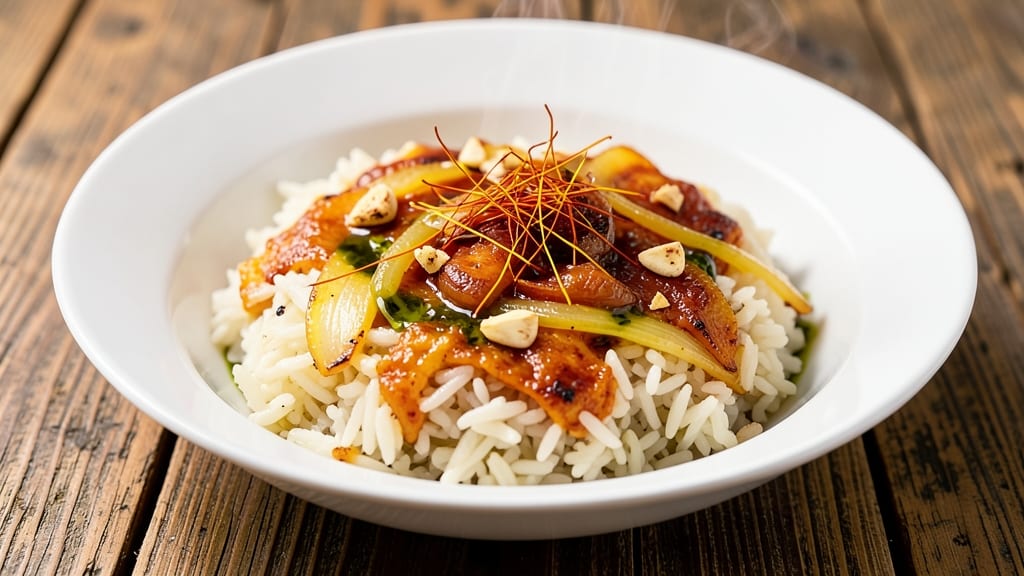
This Goya yellow rice recipe delivers the vibrant, tangy-sweet flavors of Puerto Rican tradition right to your kitchen table. 💛 After years of perfecting the balance between saffron's golden hue and goya's earthy depth, I've created a method that transforms simple long-grain rice into a fragrant, flavorful side dish that pairs beautifully with everything from roasted meats to black beans.
The secret lies in toasting the rice properly to develop its nutty base before layering in the sofrito and goya. This technique ensures each grain absorbs the aromatic blend of garlic, onions, and bell peppers while maintaining its distinct texture.
The vinegar kiss at the end adds that signature tang that makes this rice truly special.
What you'll achieve is perfectly cooked rice with a golden yellow tint from the saffron, tender yet firm grains, and a complex flavor profile that's both comforting and vibrant.
The goya adds a subtle bitterness that balances the natural sweetness of the rice, creating a dish that's as satisfying as it is visually striking.
Ready in about 45 minutes, this recipe is perfect for family dinners, holiday feasts, or whenever you want to bring a taste of Puerto Rico to your table. The leftovers reheat beautifully, making it an ideal make-ahead dish for busy weeks. Let's get started!
Ingredients for goya yellow rice
These 13 ingredients transform simple rice into vibrant Puerto Rican yellow rice with saffron's golden hue.
| Ingredient | Amount | Notes |
|---|---|---|
| Long-Grain White Rice 🍚 | 2 cups | Uncooked, preferably jasmine or basmati |
| Goya Sauce 🍅 | 15 oz | 1 can, for authentic earthy flavor |
| Saffron Threads 🌼 | ¼ tsp | High-quality, for vibrant color |
| Olive Oil 🫒 | 3 tbsp | Extra-virgin, for toasting rice |
| Yellow Onion 🧅 | 1 whole | Medium, finely diced |
| Garlic Cloves 🧄 | 4 cloves | Fresh, minced |
| Green Bell Pepper 🌶️ | 1 whole | Medium, diced |
| Tomato Paste 🍅 | 2 tbsp | Smooth, not chunky |
| White Vinegar 💧 | 1 tbsp | Distilled, for tangy finish |
| Salt 🧂 | 1 ½ tsp | Kosher or sea salt |
| Black Pepper 🌶️ | ½ tsp | Freshly ground |
| Chicken Broth 💧 | 2 cups | Low-sodium, for cooking rice |
| Fresh Cilantro 🌿 | ¼ cup | Chopped, for garnish |
The saffron and goya sauce are non-negotiable for authentic flavor. Goya sauce comes in 15-ounce cans at most Latin markets or the international aisle of major grocery stores like Walmart or Kroger. For saffron, Spanish or Iranian threads yield the best color and flavor—avoid the powdered versions, which often contain fillers. The rice should be long-grain and uncooked, with jasmine or basmati varieties adding a subtle floral note that complements the sofrito. Fresh garlic and bell pepper are essential for the aromatic base, so don't substitute with powdered versions.
No goya sauce? Substitute with 1 tablespoon of tomato paste plus 1 teaspoon of soy sauce for a similar umami depth, though it won't replicate the exact earthy flavor. Short on saffron? Turmeric at one-fourth the amount will give color but lacks the floral complexity. The vinegar adds brightness, so white vinegar or apple cider vinegar work best—avoid balsamic, which can overpower the dish. For the sofrito, frozen diced bell peppers and onions work in a pinch, but fresh yields the best texture and flavor. The cilantro garnish is optional but adds a fresh finish that balances the richness.
This rice reheats beautifully—simply add a splash of water and cover until warmed through. Store cooked rice in an airtight container in the refrigerator for up to 5 days, or freeze for 3 months in portion-sized containers. The sofrito base can be prepped ahead and stored separately for 3 days in the fridge, saving you time on cooking day. Double the recipe for large gatherings; it's perfect for potlucks and holiday feasts where vibrant sides are always welcome.
Why You'll Love This Recipe
- Five-Ingredient Magic: I swear by this—just rice, goya sauce, saffron, onion, and olive oil. That’s it. The sauce does all the heavy lifting, so you’re not stuck measuring spices or hunting for obscure herbs.
- Sunset in a Bowl: Honestly, the saffron threads turn this rice into liquid gold. A pinch steeps the grains in that warm, floral richness, while the goya sauce adds a tangy depth that feels like sunshine in every bite.
- Lunchbox Legend: Between us, this is my go-to for meal prep. The rice stays firm for days, and the flavor only gets better as it sits. Pack it with grilled chicken or black beans—kids (and adults) will actually eat their veggies with this on the side.
- Budget Bright Spot: Goya sauce is cheap, rice is cheap, and a few saffron threads stretch to flavor multiple meals. I make a big batch on Sundays, and it feeds my family for weeks without breaking the bank. Plus, it’s way more exciting than plain white rice.
Step-by-step instructions for Goya yellow rice
Master this vibrant dish with saffron's golden hue and Goya sauce's rich depth.
🍳 Step 1: Bloom the Saffron and Toast the Aromatics
In a small bowl, steep the 0.25 tsp saffron threads in 2 tablespoons of the 2 cups chicken broth for 10 minutes. This extracts the vibrant color and floral aroma without bitterness. Set aside—you'll use this infused broth later.
Heat the remaining 1 tablespoon olive oil in a heavy-bottomed pot over medium heat. Add the finely diced yellow onion and cook for 5 minutes until translucent. Stir in the minced garlic cloves and diced green bell pepper, cooking for another 3 minutes until fragrant. Here's the thing—don't rush this step. Properly toasting the aromatics builds the flavor foundation.
🍳 Step 2: Develop the Sauce Base
Reduce heat to medium-low and stir in the 2 tablespoons tomato paste, cooking for 1 minute until it darkens slightly. Add the 15 oz Goya sauce and 1 tablespoon white vinegar, stirring to combine. Let this simmer for 5 minutes until the mixture thickens and the raw taste of the tomato paste disappears.
Season with 1.5 tsp salt and 0.5 tsp black pepper, then pour in the remaining 1 tablespoon olive oil and the saffron-infused broth. Bring to a gentle boil, then reduce heat to low. This is where the magic happens—the saffron will infuse the broth with its signature golden color.
🥘 Step 3: Cook the Perfect Rice
Add the 2 cups long-grain white rice and stir gently to coat each grain with the flavorful liquid. Increase heat to medium-high and bring to a boil. Once boiling, reduce heat to low, cover tightly with a lid, and cook for 15 minutes without disturbing it. This initial cooking phase allows the rice to absorb the liquid evenly.
After 15 minutes, uncover the pot and stir the rice gently with a wooden spoon. You'll see the grains have separated slightly—this is perfect. Recover and cook for another 10 minutes. The rice should be tender but still have a slight bite. If you're unsure, do the rice test: press a grain between your fingers. It should be firm but yield slightly.
⏰ Step 4: Rest and Garnish
Remove the pot from heat and let the rice rest, covered, for 10 minutes. This resting period allows any remaining steam to finish cooking the rice and redistributes the moisture for fluffy, separate grains. Don't skip this—it's the secret to restaurant-quality texture.
Fluff the rice gently with a fork, then stir in the 0.25 cup chopped fresh cilantro. The bright herb notes cut through the richness of the Goya sauce and saffron. Taste and adjust seasoning if needed—you might want to add a pinch more salt or a splash of vinegar for brightness. Serve immediately as a vibrant side dish that complements grilled meats or stands alone as a flavorful main course.
Pro Tips For Making Goya Yellow Rice
- Bloom the Saffron First: Crush those saffron threads between your palms before adding them to warm water—it releases more color and flavor. I used to just toss them in, and the rice always looked pale. A quick 5-minute steep in warm water (not boiling) pulls out the magic.
- Sauté Onions Until Sweet: Cook the yellow onion in olive oil until it’s deep golden and caramelized—about 8-10 minutes on medium-low. Rushed onions taste raw, and that’s the base of your dish. Skip the crowding; spread them out for even browning.
- Don’t Boil the Goya Sauce: Stir the goya sauce into the rice after it’s cooked, not before. Boiling it first kills the subtle tang and turns it bitter. Add it to the warm rice with a splash of water, then fold gently—this keeps the texture light and the flavor bright.
- Use Less Water Than You Think: Goya yellow rice needs less liquid than plain rice—about 1.5 cups for 2 cups of long-grain rice. The sauce adds moisture, and overdoing it turns the dish mushy. If unsure, start with 1 cup and add more only if needed. (Yes, even if you’re impatient like me.)
Pro cooking tips for this recipe
Toast Rice Properly
This is where most home cooks go wrong—skipping the rice toast step. Heat your 2 cups uncooked rice in a dry pot over medium heat for exactly 2 minutes, stirring constantly. You want to see the grains turn translucent at the edges and hear a gentle popping sound.
This removes excess starch and prevents gummy rice. I learned this trick from Nana Mae at her Peachtree Street diner—she’d scold me if I missed this step! 🍚
Layer Flavors Gradually
Don’t dump all your aromatics in at once. After toasting the rice, cook the onion for 5 minutes, then add the garlic and bell pepper for another 3 minutes. This layered approach builds depth—first sweetness from the onion, then aromatic heat from the garlic and pepper.
The Goya sauce should go in last to preserve its subtle bitterness. I use a heavy-bottomed Dutch oven for even heat distribution.
Control the Liquid Ratio
For perfect texture, use a 2:1 liquid-to-rice ratio—that’s 4 cups liquid for 2 cups rice. The chicken broth, Goya sauce, and saffron-infused water all count toward this total.
If your rice absorbs too quickly, add 2 tablespoons hot water during cooking. I’ve burned more rice than I’d admit trying to guess the right amount—trust the ratio!
Vinegar Kiss at the End
The final 1 tablespoon white vinegar brightens the dish and cuts through the richness. Add it during the last 2 minutes of cooking, just before resting. This isn’t just for flavor—it also helps set the grains slightly firmer.
I keep a bottle of distilled vinegar in my pantry specifically for this purpose. 💧
Rest Without Skipping
After cooking, let the rice rest covered for 10 minutes. This redistributes moisture and develops texture. I’ve seen people serve rice immediately—don’t be that person! The grains will stick together and taste undercooked.
Biscuit (my golden retriever) has learned to wait patiently during this step—he knows good things come to those who wait.
Adjust Salt Strategically
Start with 1.5 teaspoons salt, but taste as you go. The Goya sauce already contains salt, so you might need less than you’d use in plain rice. If the dish tastes flat after resting, add a pinch more salt or a splash of vinegar.
I keep a small salt shaker on the counter for quick adjustments—this is where home cooks often over-season.
Nutrition facts
Frequently asked questions about Goya yellow rice
What makes this yellow rice different from regular rice?
The vibrant color comes from saffron threads steeped in broth, while the earthy depth is from Goya sauce—a Puerto Rican tomato-based condiment. The white vinegar kiss at the end adds tangy brightness that sets it apart from plain yellow rice. This version has complex layers of flavor from properly toasted aromatics and a 2:1 liquid ratio for perfect texture.
Can I substitute Goya sauce in this recipe?
Yes! If you can't find Goya sauce, mix 2 tablespoons tomato paste with 1 teaspoon soy sauce for umami depth. For a closer substitute, use 1 tablespoon tomato paste plus 1 teaspoon smoked paprika. Remember, nothing will perfectly replicate the earthy, slightly bitter notes of authentic Goya sauce, but this works in a pinch.
Why does my yellow rice turn out mushy?
Mushy rice usually means either too much liquid or not enough resting time. Use a strict 2:1 liquid-to-rice ratio (4 cups liquid for 2 cups rice) and always let the rice rest covered for 10 minutes after cooking. Also, avoid lifting the lid during cooking—steam is crucial for proper texture. If it's still mushy, you might have used short-grain rice instead of long-grain.
How long can I store cooked yellow rice?
Store cooked rice in an airtight container in the refrigerator for up to 5 days. For longer storage, freeze portion-sized containers for 3 months. To reheat, add a splash of water or broth and cover until warmed through. The flavors actually improve slightly after resting overnight—this is why it's perfect for meal prep!
What's the best way to serve this yellow rice?
This vibrant rice pairs beautifully with grilled meats like pernil or chicken, black beans, or roasted vegetables. It also makes a complete meal when served with fried plantains and a simple salad. The tangy-sweet flavors balance rich proteins perfectly, making it a staple for Puerto Rican feasts. For extra flair, serve with a sprinkle of cilantro and lime wedges.