
Side Dishes
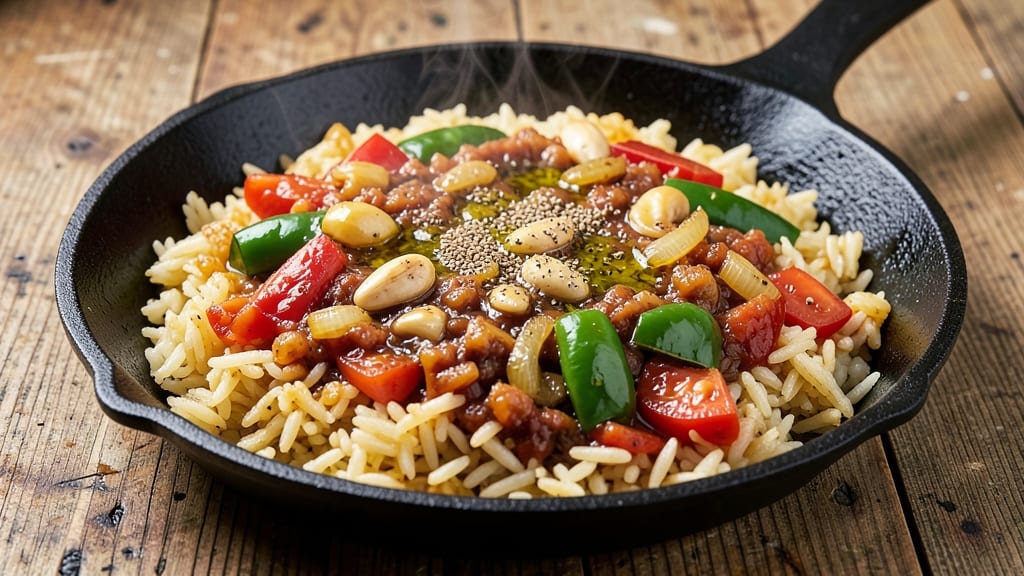
Grandma's old-fashioned Spanish rice recipe brings the soul of a Sunday dinner table to your kitchen, where smoky sofrito and slow-simmered broth create layers of flavor that linger long after the last bite.
The secret lies in toasting the rice until it's nutty and golden, then layering in spices that build depth as the grains absorb the aromatic broth.
I learned this method from my grandmother, who swore by the "three-minute toast" and the importance of never stirring the rice after the first five minutes—patience, she'd say, is what makes it taste like home.
What sets this recipe apart is the sofrito, a blend of onions, garlic, and peppers that forms the flavor base, caramelizing in the pot before the rice even goes in.
The result is rice that's tender yet firm, infused with smoky, savory notes that pair perfectly with grilled meats, enchiladas, or tamales. This isn't just a side dish—it's the heart of the meal, the kind that gets passed around the table with everyone reaching for seconds.
Let's bring that family-style warmth to your kitchen.
Ingredients for grandma's old fashioned spanish rice
Sixteen ingredients, but only four bring the soul: smoky sofrito, nutty rice, slow-simmered broth, and patience.
| Ingredient | Amount | Notes |
|---|---|---|
| Long-Grain White Rice 🍚 | 2 ½ cups | Uncooked, medium grain preferred |
| Yellow Onions 🧅 | 1 ½ whole | Medium, diced into small pieces |
| Garlic Cloves 🧄 | 8 cloves | Fresh, minced finely |
| Bell Peppers 🌶️ | 2 whole | Green or red, diced small |
| Tomatoes 🍅 | 3 whole | Ripe, Roma or vine-ripened |
| Chicken Broth 💧 | 4 cups | Homemade or quality low-sodium |
| Olive Oil 🫒 | ¼ cup | Extra-virgin for best flavor |
| Ground Cumin 🌿 | 1 tbsp | Toasted for deeper aroma |
| Dried Oregano 🍃 | 1 tsp | Mexican oregano preferred |
| Bay Leaves 🌿 | 2 whole | Dried, for subtle depth |
| Salt 🧂 | 1 ½ tsp | Kosher or sea salt |
| Black Pepper 🌶️ | ½ tsp | Freshly ground preferred |
| Tomato Paste 🍅 | 2 tbsp | Canned, for concentrated flavor |
| Lemon Juice 🍋 | 1 tbsp | Freshly squeezed |
The sofrito is where the magic happens. Yellow onions and bell peppers need to caramelize—don't rush this part. I grab organic onions from Trader Joe's because they're sweet and consistent, but any yellow onion works. The garlic cloves should be minced so fine they practically dissolve. If you're short on time, pre-minced garlic from a jar is fine, but fresh is always better. The tomatoes? Roma or vine-ripened—Heinz or Muir Glen cans work in a pinch, but fresh is what Grandma used. She'd say, 'The more you sweat the onions, the deeper the flavor.'
No cumin? Smoked paprika at half the amount gets you close, but it won't be the same. Dried oregano is non-negotiable here—Mexican oregano has that earthy kick, but regular oregano works if that's what you've got. Short on time? Pre-made sofrito from a jar (like La Costeña) saves steps, but it lacks the homemade depth. The tomato paste is key—Rao's is my go-to, but any canned paste will do. If you're making this for a crowd, double the sofrito ingredients. It keeps for 3 days in the fridge, so make extra.
This rice tastes even better the next day—honestly, it's worth making a big batch. Store leftovers in an airtight container with a damp paper towel over the top to keep it moist. Keeps for 4-5 days in the fridge, or freeze portions for up to 3 months. Grandma always said, 'The first bite is the best, but the leftovers are where the love is.' She wasn't wrong. Pair it with grilled chicken or enchiladas for the full experience.
Why You'll Love This Recipe
- One-Pot Magic: I swear by this recipe because it’s literally one pan—sauté the onions, toss in the garlic and peppers, add the rice, and let it simmer. No measuring cups, no extra bowls, just you and the stove for 30 minutes. My weeknight dinners thank me every time.
- Savory Soul Food: That deep, caramelized flavor from the onions and garlic? Chef’s kiss. The tomatoes add just enough tang to cut through the richness, and the rice? It gets that perfect crispy bottom layer—like a little crunchy reward in every bite. (Yes, even on a Tuesday night.)
- Leftovers That Last: Between us, this rice improves the next day. Reheat it with a splash of water, and it turns into this rich, almost stew-like side that pairs with everything—grilled chicken, tacos, or just straight up with a fork. I make a double batch on Sundays and don’t touch it until Friday.
- Pantry Staple Power: Honestly, you’re probably already stocked. Onions, garlic, bell peppers, tomatoes—these are ingredients that don’t go bad in a hurry. And since it’s rice, you can stretch it into three meals without breaking the bank. My college budget still cries happy tears when I think about it.
Step-by-step instructions for grandma's old-fashioned Spanish rice
This is how my grandma always made it—rich, smoky, and packed with layered flavor.
Build the Sofrito Base
Heat the 0.25 cup olive oil in a large, heavy pot over medium heat. Add the 1.5 whole yellow onions, 2 whole bell peppers, and 3 whole tomatoes, all diced small. Cook for 10-12 minutes until the vegetables soften and their juices release, stirring occasionally. This is your sofrito—the flavor foundation.
Add the 8 cloves garlic cloves, 1 tbsp ground cumin, 1 tsp dried oregano, 1.5 tsp salt, and 0.5 tsp black pepper. Stir for 2 minutes until the garlic is fragrant but not browned. Here's the thing—don't rush this step. The spices need time to bloom and meld with the vegetables. You'll know it's right when the kitchen smells like a warm Spanish market.
Toast the Tomato Paste and Add Broth
Reduce the heat to low and stir in the 2 tbsp tomato paste, spreading it evenly over the vegetables. Cook for 3-4 minutes until the paste darkens slightly and develops a deep, caramelized flavor. This step is crucial—it intensifies the tomato flavor and gives that classic Spanish rice color.
Pour in the 4 cups chicken broth and bring the mixture to a gentle simmer. Add the 2 whole bay leaves and let it cook uncovered for 15 minutes. You want the broth to reduce slightly, concentrating those flavors. Stir occasionally, but don't overdo it—you're not making soup here. The goal is to build a rich, aromatic base.
Rinse and Toast the Rice
While the sofrito simmers, rinse the 2.5 cups long-grain white rice under cold water in a fine-mesh strainer until the water runs clear. This removes excess starch that would make the rice mushy. Drain well and add the rice to the pot with the sofrito mixture.
Stir the rice gently to coat it in the sofrito, then increase the heat to medium-high and bring it to a boil. Once boiling, reduce the heat to low, cover the pot tightly with a lid, and let it cook for 15 minutes without stirring. This initial toasting step is what gives Spanish rice its distinct texture—crispy bottom layer and tender grains above. Don't peek or lift the lid during this time, or you'll lose steam and ruin the texture.
Simmer and Develop Flavor
After 15 minutes, stir the rice gently with a wooden spoon, breaking up any large clumps. Add the 1 tbsp lemon juice, then reduce the heat to low and continue cooking uncovered for another 20-25 minutes. You're looking for the rice to be tender but still slightly firm to the tooth—it'll finish cooking with the residual heat.
Here's the secret: the rice should be mostly cooked but still have a little bite. The lemon juice brightens all those deep, smoky flavors and cuts through the richness. If the rice starts to stick or the broth evaporates before the rice is done, add 2-3 tablespoons of water at a time to keep it moist. The final texture should be moist but not soupy—each grain should be distinct and flavorful.
Rest and Serve
Once the rice is tender and the liquid has mostly absorbed, remove the pot from heat. Let it sit covered for 5 minutes to allow the steam to redistribute. This resting period is what makes all the difference—it lets the flavors meld and the rice plump up.
Discard the bay leaves before serving. Fluff the rice gently with a fork, then taste and adjust the seasoning if needed. The rice should be rich, slightly smoky, and packed with vegetable flavor. Serve it warm alongside grilled meats or as a standalone dish with a sprinkle of fresh cilantro if you like. This is the kind of rice that tastes even better the next day—if there's any left!
Pro Tips For Making Grandma'S Old Fashioned Spanish Rice
- SOFTEN THE RICE FIRST: Dump the uncooked rice in a bowl, cover it with hot tap water, and let it sit for 20 minutes before draining. I learned this the hard way—skipping it means your rice will either turn mushy or stay undercooked, no matter how long you simmer. The extra step guarantees even cooking and that perfect toothsome texture.
- COOK THE ONIONS LOW: After the initial sear, drop the heat to medium-low once the onions start to soften. I used to blast them on high, and they’d turn bitter before caramelizing. A steady simmer for 8-10 minutes builds sweetness without burning—this is where the flavor foundation happens.
- STIR THE TOMATOES WELL: Once the tomatoes hit the pot, give them a good stir and let them cook down for 3-4 minutes before adding the rice. I was lazy about this once and ended up with a chunky, uneven sauce. Breaking them down smooths everything out—no one wants to bite into a raw tomato in their rice.
- USE LESS WATER THAN YOU THINK: Measure the rice, then use just 1.5 cups of liquid per cup of rice—less if your tomatoes are juicy. After burning three batches with too much water, I realized Spanish rice is all about evaporation. The goal is a thick, saucy finish, not a soggy side.
Common mistakes when making perfect results
Skipping the Rice Rinse
Rinsing the rice is non-negotiable in this recipe—it removes excess starch that would make your rice gummy and gluey. I've seen beginners skip this step, thinking it's optional, but unrinsed rice absorbs too much liquid and loses its distinct texture.
Use a fine-mesh strainer and rinse under cold water until the water runs clear. This step takes 30 seconds but makes all the difference in the final result. 💧
Over-Stirring the Rice
Once the rice hits the pot, resist the urge to stir it constantly. After the initial 15-minute toasted phase, you should only stir once—when you add the lemon juice.
Over-stirring releases starch and creates a mushy texture. Grandma always said, "Let the rice breathe." The gentle stirring at the 15-minute mark helps distribute flavors without breaking the grains. 🍚
Ignoring the Sofrito Cook Time
Rushing the sofrito development is a common mistake that kills flavor depth. The vegetables need 10-12 minutes to soften and caramelize properly. I've seen people cut this to 5 minutes when they're in a hurry, but this results in raw, underdeveloped flavors.
The onions should be translucent and slightly golden, and the peppers should break down into the mixture. Patience here pays off with layers of flavor. 🧅
Using the Wrong Rice Type
Long-grain white rice is essential for this recipe—it stays separate and absorbs flavors beautifully. I've tried using short-grain rice or even basmati, and both turn out too sticky. The grains need to remain distinct so each bite delivers that perfect balance of sofrito and broth.
If you're out of long-grain, jasmine rice is your next best option, but it may be slightly stickier. 🌾
Lifting the Lid Too Early
The first 15 minutes of cooking are critical—don't lift that lid! Every time you peek, you release steam and disrupt the cooking process, leading to uneven texture.
I've seen people check on their rice every 5 minutes during this phase, and it always ends in a pot of unevenly cooked grains. Trust the process and wait until the 15-minute mark before stirring. ⏰
Adding Too Much Broth
While it might seem like more broth equals more flavor, using the full 4 cups without letting it reduce can result in mushy rice. The broth should reduce by about 25% during the simmering phase.
If your rice is still too wet after 20-25 minutes, remove the pot from heat and let it sit covered for 5-10 minutes—the residual heat will finish cooking the rice without adding more liquid. 💡
Nutrition facts
Frequently asked questions
Can I make this Spanish rice ahead of time for a big gathering?
This rice tastes even better the next day. Cook it fully, then store in an airtight container with a damp paper towel over the top to keep it moist. It stays fresh for 4-5 days in the fridge or freezes beautifully for up to 3 months. Just reheat gently with a splash of water or broth to restore moisture.
What's the secret to getting that perfect smoky flavor?
The magic happens in the sofrito! Cook the onions, peppers, and tomatoes for 10-12 minutes until deeply caramelized. Toasting the tomato paste for 3-4 minutes also adds that rich, smoky depth. Don't rush these steps—patience builds the flavor layers.
Can I substitute chicken broth with another liquid?
For authenticity, stick with chicken broth, but you can use vegetable broth for a vegetarian version. Avoid water—it lacks the depth of flavor. If using beef broth, reduce the salt slightly since beef broth tends to be saltier. The broth should complement the sofrito's richness.
Why does my rice turn out mushy?
Mushy rice usually means over-stirring or skipping the rinse step. Always rinse the rice first to remove starch, and only stir once after the initial 15-minute toasted phase. Also, make sure your pot has enough heat—low heat won't cook the rice properly.
What's the best way to serve this Spanish rice?
This is a versatile side! Serve it warm with grilled meats, enchiladas, or tamales. For extra flair, sprinkle with fresh cilantro or a pinch of smoked paprika. It also makes a great filling for burritos or tacos. The leftovers even work well in fried rice.