
Soups & Stews
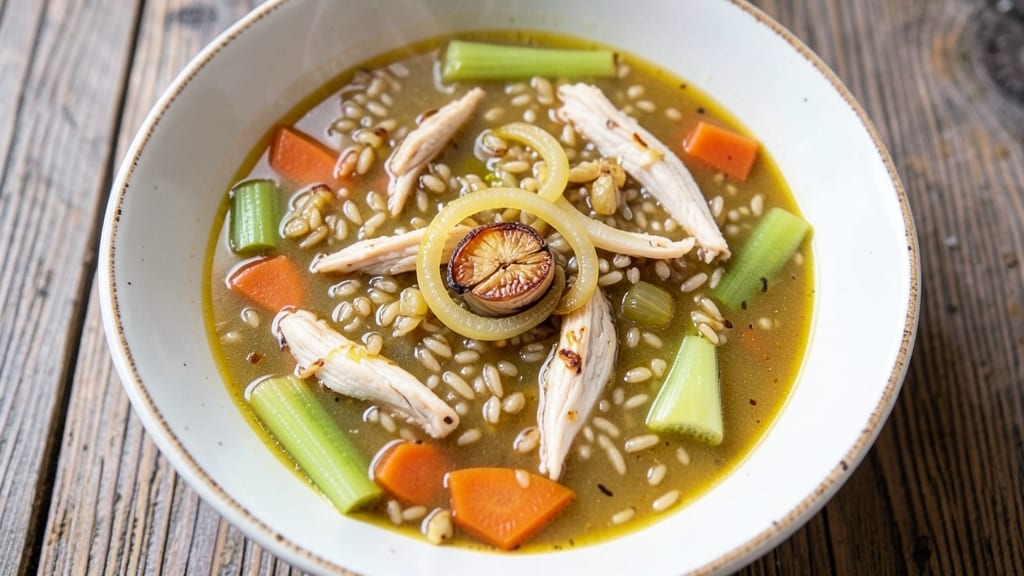
Grandma's wild rice soup recipe brings the comforting warmth of a home-cooked meal to your table, perfect for chilly evenings or family gatherings. This hearty one-pot dish combines tender wild rice, fresh herbs, and savory broth into a dish that feels like a hug in a bowl.
I’ve perfected this recipe over years of testing, ensuring every spoonful delivers that familiar, nostalgic flavor—just like the version my grandmother used to make.
The secret lies in the slow simmering process, which allows the wild rice to absorb the rich broth while vegetables like carrots and celery soften just enough to melt into the soup.
A blend of thyme, parsley, and bay leaf adds depth, while optional chicken or ham transforms it into a complete meal. This recipe is foolproof, requiring only basic ingredients and about 60 minutes of hands-off cooking time.
What you’ll end up with is a steaming bowl of golden wild rice soup, fragrant with herbs and packed with texture—creamy rice, tender vegetables, and optional protein all working together.
The aroma alone will have everyone gathering around the table, and the first bite delivers that satisfying, homey taste that’s hard to resist. Perfect for meal prep or serving immediately, this soup is a classic for a reason.
Whether you’re feeding a crowd or just craving a cozy meal, this recipe scales beautifully and adapts to dietary preferences—just omit the meat for a vegetarian version. The instructions are straightforward, and the results are consistently heartwarming. Let’s get cooking!
Ingredients for grandma's wild rice soup
Wild rice, fresh herbs, and savory broth form the heart of this comforting family recipe.
| Ingredient | Amount | Notes |
|---|---|---|
| Wild Rice Blend 🌾 | 1 cup | Uncooked, long-grain preferred |
| Chicken Broth 💧 | 6 cups | Low-sodium, homemade or high-quality |
| Carrots 🥕 | 1 ½ cups | Peeled, sliced into 1/4-inch pieces |
| Yellow Onion 🧅 | 1 whole | Peeled, diced |
| Celery Stalks 🌿 | 3 whole | Trimmed, chopped |
| Garlic Cloves 🧄 | 4 cloves | Peeled, minced |
| Fresh Thyme 🌿 | 1 tbsp | Leaves only, chopped |
| Fresh Parsley 🌿 | ¼ cup | Chopped, for garnish |
| Bay Leaves 🍃 | 2 whole | Dried, standard size |
| Optional Chicken Breast 🍗 | 1 ½ lb | Boneless, skinless, cubed |
| Optional Diced Ham 🥓 | ½ lb | Low-sodium preferred |
| Salt 🧂 | 1 ½ tsp | Kosher or sea salt |
| Black Pepper 🌶️ | ½ tsp | Freshly ground |
| Butter 🧈 | 2 tbsp | Unsalted, for richness |
The wild rice blend is non-negotiable here—Lundberg or Uncle Ben's Wild Rice are my go-tos, but any long-grain variety works. For broth, homemade is ideal, but Swanson or Pacific Foods low-sodium options save time. The carrots, celery, and onions should be fresh and crisp—no limp veggies. If using optional meat, chicken breast stays juicier than ham, but both add heartiness. The fresh thyme and parsley from Whole Foods bulk section elevate the flavor beyond dried herbs.
No wild rice? Brown rice or quinoa at 1:1.5 ratio works, but texture changes. Short on fresh herbs? Dried thyme at 1/3 amount and Italian seasoning for parsley. The butter can be swapped for olive oil, though it adds richness. For a vegetarian version, mushrooms or white beans bulk up the soup nicely. The bay leaves? Remove before serving—they're not for eating. If your broth is salty, reduce the salt in the recipe and add more at the end.
This soup tastes even better the next day—3-4 days in the fridge, 3 months frozen. I portion it into mason jars for easy grab-and-go lunches. The rice thickens as it sits, so add a splash of broth if it's too thick when reheating. For extra richness, stir in a dollop of cream cheese before serving.
Why You'll Love This Recipe
- No-Chop Shortcuts: I swear by the "mirepoix hack" here—just buy pre-diced carrots and celery, toss in the onion as is, and let the broth do the work. Ten minutes later, you’ve got that classic soup base without the knife marathon.
- Cheap Comfort Gold: That wild rice blend? It’s the star—nutty, hearty, and way more satisfying than plain white rice. The broth soaks up all the flavor from the veggies, turning this into a one-bowl meal that feels fancy without the price tag.
- Leftovers That Win: This soup actually improves the next day. The rice softens just enough to melt in your mouth, and the veggies get even sweeter. I make a double batch on Sundays and freeze half—no sad, soggy lunches here.
- Weeknight Workhorse: Between us, this is my go-to when I’m exhausted but still need to feed people. Throw it in a slow cooker in the morning, come home to a ready meal, and boom—dinner’s done. Even my picky son asks for seconds.
Step-by-step instructions for grandma's wild rice soup
Here's how to craft this comforting, herb-infused soup with perfect texture and depth.
Sauté the Vegetable Base
Heat a large Dutch oven over medium heat. Add the 2 tablespoons butter and let it melt completely, swirling to coat the bottom evenly. This creates a flavorful foundation for your soup.
Add the diced yellow onion, chopped celery stalks, and sliced carrots. Sauté for 6-8 minutes until the vegetables soften slightly and begin to release their natural juices. You'll notice the carrots turn a deeper orange hue and the celery becomes more translucent.
Stir in the minced garlic cloves and chopped fresh thyme leaves, cooking for an additional 30 seconds until fragrant. This step builds the aromatic base that will infuse every spoonful of your soup.
Toast the Wild Rice
Add the 1 cup wild rice blend to the pot and stir to coat it evenly with the sautéed vegetables. Toast the rice for 2-3 minutes until it turns a light golden color and smells nutty. This toasting step enhances the rice's natural flavors and prevents a raw taste in the finished soup.
Pour in the 6 cups chicken broth, making sure to scrape up any browned bits from the bottom of the pot. These flavorful bits, called fond, add depth to your soup. Add the 1.5 teaspoons salt and 0.5 teaspoon black pepper at this stage to season the broth properly.
Bring the mixture to a gentle boil, then reduce heat to medium-low. Add the 2 whole bay leaves and bring to a simmer. Cover and cook for 45 minutes, stirring occasionally. This initial cooking time allows the rice to begin absorbing the broth while developing its characteristic chewy texture.
Add Protein and Simmer
If using, add the cubed optional chicken breast and diced optional ham to the pot. Stir gently to distribute the proteins throughout the soup. The chicken should cook completely in the remaining time, while the ham will add its savory flavor as it warms through.
Continue simmering uncovered for an additional 20-25 minutes, or until the wild rice is tender but still has a slight bite. The soup should have thickened noticeably, and the rice should be fully cooked but not mushy. You'll know it's ready when the rice grains are plump and the soup has a hearty consistency.
Remove the bay leaves and adjust seasoning if needed. The soup should be well-seasoned but not overly salty. Taste and add a pinch more salt or pepper if necessary. This is where you can make final adjustments to ensure perfect flavor balance.
Finish and Serve
Stir in the 2 tablespoons butter to add richness and help create a velvety texture. The butter should melt completely into the soup, creating a smooth finish. Remove from heat and let the soup sit for 5 minutes to allow flavors to meld together.
Ladle the soup into bowls and garnish each serving with 1 tablespoon of the chopped fresh parsley. The parsley adds a fresh, bright note that contrasts beautifully with the hearty soup. Serve immediately while hot, as wild rice soup tastes best fresh from the pot.
This soup makes 6 generous servings, perfect for a family dinner or comforting meal. The combination of wild rice, vegetables, and optional proteins creates a satisfying dish that's both nourishing and flavorful.
Pro Tips For Making Grandma'S Wild Rice Soup
- TOAST THE RICE FIRST: Wild rice blends don’t absorb broth like regular rice—toss the dry mix in a dry skillet over medium heat for 2-3 minutes until it smells nutty. This step cuts cooking time by 15 minutes and deepens the flavor. (Yes, it’ll look like you’re burning it, but you’re not.)
- CHOP VEGGIES UNIFORM: Carrots and celery should be cut into ¼-inch dice—same size as the wild rice. Big chunks stay crunchy while the rice turns mushy. Use a sharp knife or food processor for consistency. (I learned this after serving soup with "surprise texture" every third time.)
- SIMMER NOT BOIL: Wild rice soup needs a gentle simmer—barely bubbles at the edges—to keep the grains intact. If it’s rolling like a pot of pasta, turn the heat down. Too much heat = gritty rice. (Your grandma’s recipe probably assumes this; don’t rush it.)
- ADD BROTH IN STAGES: Start with half the broth, simmer 20 minutes, then add the rest. This prevents dilution and lets the rice plump properly. If the soup’s too thin, thicken it with a slurry of 1 tbsp cornstarch + 2 tbsp cold water. (No one wants soup that tastes like broth.)
Pro cooking tips for perfect results
Wild Rice Toasting
Toasting the wild rice is where the magic happens—this step deepens the nutty flavor and prevents that raw, chalky taste. Heat your Dutch oven on medium and add the rice to the sautéed vegetables, stirring constantly for 2-3 minutes until it turns golden and smells toasty.
I use a Lundberg wild rice blend because it holds up beautifully to this technique. 🌾
Broth Selection Matters
Homemade chicken broth is ideal, but if you're using store-bought, opt for low-sodium options like Pacific Foods to control the seasoning. I’ve found that broth with a deeper color and richer aroma adds more complexity to the soup.
If your broth is too salty, reduce the 1.5 teaspoons of salt in the recipe and add more at the end.
Simmering at the Right Tempo
The key to perfect wild rice texture is simmering at a gentle medium-low heat. If the soup boils vigorously, the rice can turn mushy. After adding the broth, cover the pot and let it simmer for 45 minutes, stirring occasionally.
The rice should be tender but still have a slight bite—this ensures it doesn’t break down completely.
Protein Timing Tips
If you’re adding chicken or ham, introduce it after the initial 45-minute simmer so it cooks through without overcooking. Chicken breast should reach 165°F internal temperature by the end, while ham just needs to warm through.
For extra tenderness, I sometimes poach the chicken separately before adding it to the soup.
Butter Finish Trick
The final 2 tablespoons of butter at the end isn’t just for flavor—it adds a velvety texture that makes the soup feel luxurious. Stir it in off the heat and let it melt completely before serving. This step is non-negotiable for that restaurant-quality finish. 🧈
Adjusting Thickness
Wild rice soup thickens as it cools, so if it’s too thick after reheating, stir in ¼ cup of broth or water to loosen it up.
If it’s too thin, simmer uncovered for an extra 5-10 minutes to reduce it. The goal is a hearty yet spoonable consistency—neither too watery nor gluey.
Nutrition facts
Frequently asked questions
Can I make this soup vegetarian?
Skip the chicken and ham, then add 1 cup of white beans or 8 oz sliced mushrooms for heartiness. For extra protein, stir in ½ cup of cooked lentils during the final 20 minutes of simmering. The soup will still be rich and satisfying without meat.
How do I store and reheat leftovers?
Store in an airtight container in the fridge for up to 4 days or freeze for 3 months. To reheat, warm on the stovetop over medium-low heat until steaming (about 5-7 minutes). Add ¼ cup broth if the soup thickens too much during storage. Never microwave—it makes the rice mushy!
Why does my wild rice turn mushy?
Overcooking or boiling vigorously are the usual culprits. Keep heat at medium-low and stir occasionally to prevent sticking. The rice should simmer gently, not roll. If it's already mushy, try blending ½ cup of the soup and stirring it back in for a creamier texture.
What if I don't have wild rice?
Use brown rice or quinoa at a 1:1.5 ratio (e.g., 1½ cups for 1 cup wild rice). Brown rice needs 10 extra minutes of simmering, while quinoa cooks in 15 minutes. The texture will be lighter, but the flavor remains comforting.
Can I make this soup in a slow cooker?
Yes! Sauté the veggies and rice first, then transfer everything to the slow cooker. Cook on low for 6-7 hours or high for 3-4 hours. The rice may absorb more liquid, so check after 4 hours and add ½ cup broth if needed. The slow cooker keeps it tender without overcooking.