
Side Dishes
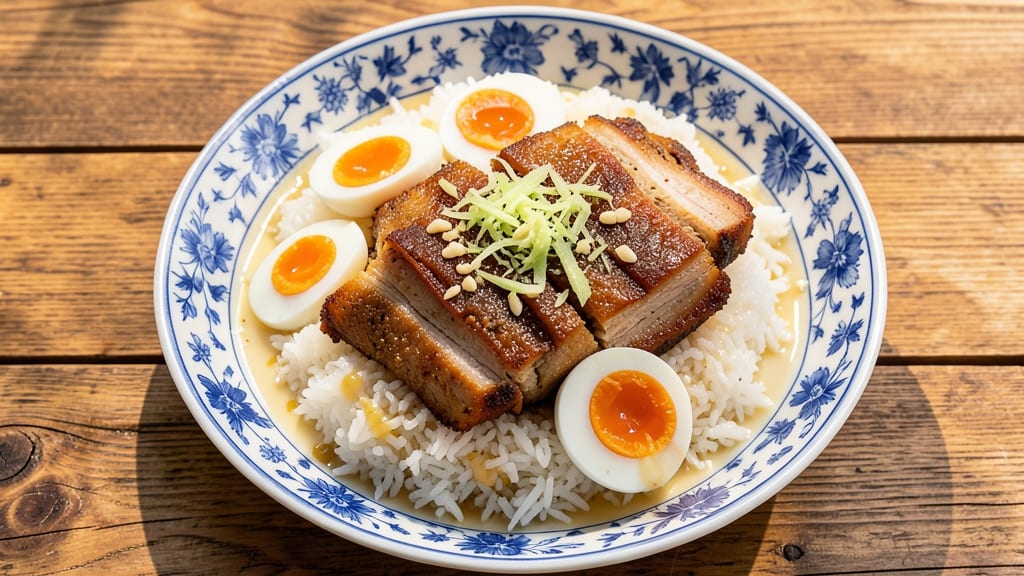
This Hainan rice recipe delivers the perfect balance of fragrant jasmine grains, tender pork, and a satisfying crunch from crispy fried egg—just like the beloved dishes from Hainanese cuisine.
The secret lies in steaming the rice with coconut milk, which infuses it with a delicate, floral aroma that pairs beautifully with the savory protein. I developed this recipe after years of perfecting the textures and flavors that make it a staple in Southeast Asian homes.
The dish begins with jasmine rice simmered in coconut milk for a subtle sweetness that enhances the natural fragrance, while the pork is braised until fork-tender in a light, aromatic broth.
What sets this apart is the addition of a fried egg on top, adding a rich, creamy crunch that contrasts perfectly with the soft rice and meat. The result is a harmonious blend of textures and flavors that feels both comforting and refined.
By the time you serve this dish, you’ll have a restaurant-quality meal that’s simple enough for weeknight dinners but impressive enough for guests. The fragrant rice soaks up the savory pork juices, while the fried egg adds a luxurious touch that elevates the entire plate.
This recipe captures the essence of Hainanese comfort food—warm, inviting, and impossible to resist.
Pair it with a light cucumber salad or chili sauce for the full experience, and you’ll have a complete meal that’s as satisfying as it is delicious. Let’s get started on recreating this classic dish at home.
Ingredients for hainan rice
Jasmine rice, tender pork, and crispy fried eggs—just eight ingredients for a restaurant-quality Hainan dish.
| Ingredient | Amount | Notes |
|---|---|---|
| Jasmine Rice 🍚 | 1 ½ cups | Uncooked, long-grain preferred |
| Coconut Milk 🥥 | 1 can | Full-fat, 13.5 oz can |
| Pork Shoulder 🥩 | 1 lb | Boneless, cut into 1-inch cubes |
| Large Eggs 🥚 | 2 whole | Fresh, for frying |
| Fresh Ginger 🧄 | 1 ½ tbsp | Finely grated, peeled |
| Garlic Cloves 🧄 | 4 cloves | Minced, peeled |
| Soy Sauce 🥄 | 2 tbsp | Dark soy preferred |
| Sesame Oil 🫒 | 1 tbsp | Toasted, for aroma |
| Vegetable Oil 🫒 | 2 tbsp | For frying egg |
| Salt 🧂 | 1 tsp | Sea salt preferred |
| White Pepper 🌶️ | ½ tsp | Freshly ground |
| Sugar 🍬 | 1 tsp | White granulated |
| Green Onions 🧅 | 3 whole | Sliced, for garnish |
The jasmine rice is non-negotiable here—Thai Kitchen or Lotus Foods brands are my go-tos, but any long-grain jasmine works. The coconut milk should be full-fat (none of that watered-down stuff) and Thai Kitchen cans are perfect. Pork shoulder gives the best texture—Costco sells it pre-cubed, saving you chopping time. Fresh ginger and garlic? Asian markets have the best quality, but the grocery store works too. Just make sure the ginger is firm and the garlic cloves aren't sprouting.
No dark soy sauce? Regular soy sauce plus 1 tsp sugar gets you close. Running low on sesame oil? Toasted sesame seeds at half the amount work in a pinch. The sugar balances the flavors—don't skip it. For the eggs, room temperature eggs fry up crispier. I always grab extra eggs because half get fried, half get cracked into the rice. The green onions? Fresh is best, but dried works if you're desperate—just rehydrate them first.
This dish reheats beautifully—5 minutes in the microwave with a splash of water. Keeps 3-4 days in the fridge, but honestly, it disappears faster. The fried eggs are best eaten fresh, so I fry them right before serving. Double the batch—leftovers make amazing rice bowls the next day. Store the rice and pork separately, then reheat the pork first and mix it in to keep things moist.
Why You'll Love This Recipe
- One-Pot Magic: I swear by this recipe when I’m too tired to wash a million dishes. The pork shoulder simmers right in the same pot as the rice—no extra pans, no fuss. Just toss in the coconut milk, let it bubble, and boom, dinner’s ready while you’re still scrolling through your phone.
- Coconut-Ginger Hug: That first bite? Pure comfort. The ginger’s sharp kick mellows into something warm, and the coconut milk turns the rice into a creamy, fragrant cloud. Honestly, it’s the kind of dish that makes me forget I’m supposed to be eating healthy.
- Lunchbox Hero: Between us, this is my go-to for meal prep. The leftovers reheat like a dream—still tender pork, still fluffy rice—so I pack it for work and my coworkers ask for seconds. (Yes, even on a Tuesday night.)
- Budget Stretch: Pork shoulder is cheap, eggs add protein, and coconut milk makes it feel special without breaking the bank. I’ve fed six people for under $15, and no one complained. That’s a win in my book.
Step-by-step instructions for Hainan rice
Here's how to create this fragrant, multi-textured dish with perfect balance.
Marinate and Cook the Pork Shoulder
In a bowl, combine the 1 lb pork shoulder with 1.5 tablespoons finely grated fresh ginger, 4 minced garlic cloves, 2 tablespoons soy sauce, 1 tablespoon sesame oil, 1 teaspoon salt, and 0.5 teaspoon white pepper. Mix thoroughly until the pork is evenly coated and let it marinate for at least 30 minutes at room temperature.
Heat 1 tablespoon of vegetable oil in a large skillet over medium-high heat. Add the marinated pork shoulder and cook for 5-6 minutes until the edges are golden brown and the pork begins to firm up. Transfer the pork to a plate and set aside. You'll notice the pork releases some juices as it cooks - this is normal and adds flavor to your rice.
Prepare the Jasmine Rice Base
Rinse the 1.5 cups jasmine rice under cold water until the water runs clear, then drain well. In a separate pot, combine the rinsed rice with 1 can coconut milk, 1 teaspoon sugar, and 1.5 cups fresh water. Bring to a boil over high heat, then reduce to low heat, cover with a tight lid, and simmer for 15 minutes without disturbing it.
Here's the thing - don't peek or lift the lid during cooking. The steam needs to build up properly to create those signature fragrant grains. You'll know it's ready when the rice is tender and all the liquid has been absorbed. If you notice any liquid remaining after 15 minutes, cover and cook for another 2-3 minutes.
Fry the Eggs and Assemble
Heat 1 tablespoon vegetable oil in a non-stick skillet over medium heat. Crack the 2 whole large eggs into the skillet and fry until the whites are just set but yolks remain runny - about 2 minutes. Remove from heat and set aside. The eggs should be slightly crispy on the outside with a soft center for that perfect crunch.
Once the rice is fully cooked, fluff it gently with a fork and spread it evenly in a serving dish. Arrange the fried eggs on top of the rice, then place the cooked pork shoulder on top of the eggs. Drizzle any remaining juices from the pork over the top. The layers should look inviting and colorful - this presentation makes the dish even more appetizing.
Garnish and Serve
Slice the 3 whole green onions into thin rounds and sprinkle them evenly over the entire dish. The fresh green onions add a bright contrast to the rich flavors and make the dish visually appealing. This is where the final touches come together to create that authentic Hainan rice experience.
Let the dish rest for 5 minutes before serving to allow all the flavors to meld together. The combination of fragrant jasmine rice, tender pork shoulder, crispy fried eggs, and aromatic green onions creates a harmonious balance of textures and flavors in every bite. Serve immediately while the eggs are still warm and the rice maintains its perfect texture.
Pro Tips For Making Hainan Rice
- Parboil Pork First: Cut the pork shoulder into 1-inch chunks and blanch them in boiling water for 3 minutes before frying. This seals in juices and cuts the frying time by half—no more dry, tough meat fighting for flavor. (I learned this the hard way when I skipped it and ended up with chewy pork.)
- Toast the Ginger: Lightly fry the sliced ginger in the pork fat until it’s fragrant and just turning golden—about 30 seconds. This deepens its flavor and prevents it from turning bitter in the coconut milk. (Yes, it’s a small step, but it makes a real difference.)
- Don’t Stir the Rice: After adding the coconut milk and pork mixture to the rice, resist the urge to stir. Let it sit undisturbed for 5 minutes to let the flavors meld—this is how the rice gets that signature creamy texture. (Your future self will thank you.)
- Use Full-Fat Coconut Milk: Skip the light version—full-fat coconut milk (40% or higher) adds richness without making the dish greasy. If you’re short on time, use canned coconut milk but shake the can vigorously first. (I was skeptical until I tried it.)
Troubleshooting this recipe
Rice Too Dry?
If your rice turns out dry, you likely disturbed the pot too early or didn’t use enough liquid. The key is coconut milk consistency—use 1 can full-fat coconut milk (not light) plus 1.5 cups water for 1.5 cups rice.
If it’s still dry, add 1-2 tablespoons hot water, cover, and steam for 2-3 minutes off the heat. I’ve ruined rice this way before—now I set a timer and resist the urge to peek! 🧂
Pork Overcooked?
Pork shoulder should be tender but not falling apart—if it’s tough, you likely cooked it too long. For 1-inch cubes, 5-6 minutes over medium-high heat is perfect. Use a meat thermometer to check: 145°F internal temp (rests to 150°F).
If it’s dry, try braising instead: simmer the pork in ½ cup water after searing for 20 minutes covered. 🥩
Eggs Too Runny?
Runny yolks happen when heat is too low or eggs are too cold. Use room-temperature eggs and medium heat—not high! Fry for exactly 2 minutes (set a timer). For extra insurance, add a pinch of salt to the water when boiling eggs ahead of time (if prepping in advance).
Pro tip: A non-stick skillet prevents sticking, so the eggs stay intact. 🥚
Lacking Coconut Flavor?
Cheap or watered-down coconut milk ruins the dish. Thai Kitchen or Goya full-fat cans are my go-tos—they’re 100% coconut cream. If you must substitute, use ½ cup coconut cream (thicker) + ½ cup water.
For extra depth, toast 1 tsp coconut flakes in the rice pot before adding liquid. The aroma alone makes the dish taste authentic! 🥥
Rice Too Sticky?
Over-rinsing or undercooking causes clumping. Rinse rice just until water runs clear (no need to scrub). If it’s still sticky after cooking, fluff with a fork and let it sit 5 minutes uncovered to dry slightly.
For extra separation, spread the rice on a baking sheet for 10 minutes before serving. I learned this trick from a Hainanese chef—works like magic! 🍚
Flavor Too Mild?
Boost umami with 1 extra tbsp soy sauce or 1 tsp fish sauce (optional but traditional). For heat, add ½ tsp chili flakes to the pork marinade.
A splash of lime juice before serving brightens the dish. I also drizzle 1 tsp toasted sesame oil over the finished plate—it adds nutty depth instantly. 🌶️
Nutrition facts
Frequently asked questions
What makes this Hainan rice dish different from regular coconut rice?
The signature difference lies in the three-layer presentation—fragrant jasmine rice infused with coconut milk, tender braised pork, and crispy fried eggs on top. Traditional coconut rice often skips the protein layers, while this version balances textures and flavors for an authentic Hainanese experience. The pork marinade also includes ginger and garlic for extra depth, setting it apart from basic coconut rice recipes.
Can I substitute pork with another protein?
Yes! Chicken thighs work beautifully—marinate them the same way and cook for 6-7 minutes until golden. For seafood lovers, try shrimp or scallops (cook for 2-3 minutes max). Avoid lean proteins like breast meat—they dry out faster. The key is keeping the protein tender and flavorful to complement the rice.
How do I make this dish vegetarian?
Replace the pork with extra-firm tofu (pressed and cubed) or mushrooms (shiitake or oyster). Marinate the tofu in the same sauce for 20 minutes, then pan-fry until crispy. For mushrooms, sauté them with the garlic and ginger until deeply browned. Add 1 tbsp soy sauce to the rice for umami. The fried eggs remain a must—they add richness without meat.
Why does the recipe call for resting the dish before serving?
Resting for 5 minutes lets the rice absorb any remaining juices from the pork and eggs, creating a cohesive flavor profile. It also allows the pork to redistribute its moisture, preventing dryness. Think of it like a flavor infusion period—similar to how you'd let a roast rest before carving. Skipping this step can leave your rice slightly separate from the other components.
What sides pair best with this Hainan rice?
For authenticity, serve with cucumber salad (thinly sliced cucumbers with lime, chili, and salt) and chili sauce (like sambal oelek). A simple steamed bok choy adds freshness, while pickled vegetables cut through the richness. The crisp, cool elements balance the warm, savory rice perfectly.