
Side Dishes
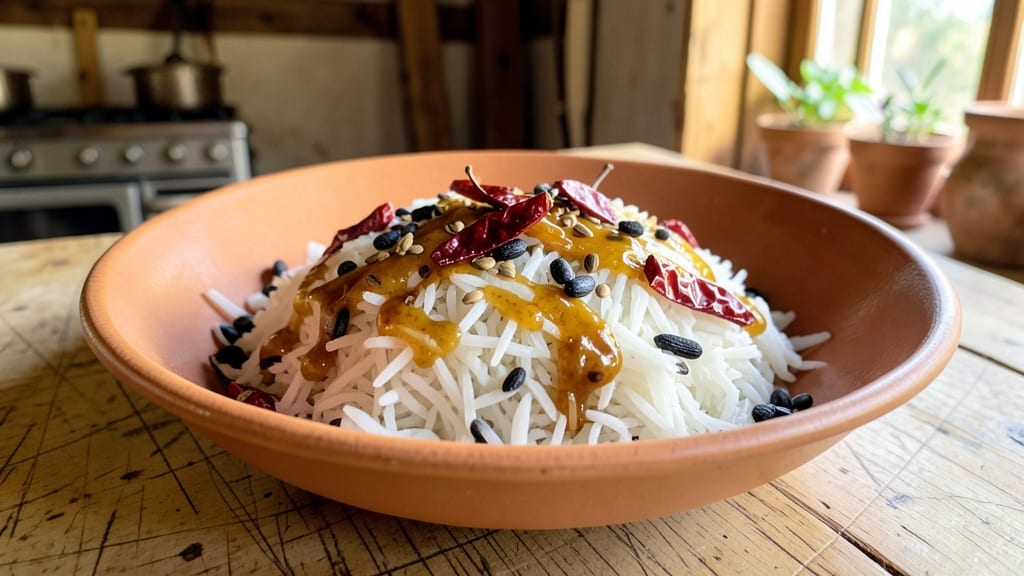
The imli rice recipe transforms simple basmati into a vibrant, tangy masterpiece where tamarind's bright acidity dances with toasted spices and fragrant rice. This dish isn't just a side—it's the star of South Indian feasts, where every grain absorbs the essence of tamarind pulp and aromatic tempering.
The secret lies in balancing sweetness with sour, creating a dish that's both comforting and complex.
What makes this recipe special is the two-stage cooking process: first, the rice simmers in tamarind-infused water until perfectly tender, then the spices are tempered in hot oil to create that signature crunch.
No shortcuts here—this is restaurant-quality rice that takes just 30 minutes of active prep but delivers layers of flavor that linger. The tamarind's tang cuts through richness, making this dish equally at home with grilled meats or as a standalone vegetarian delight.
By the time you serve it, you'll have golden rice grains with crisp edges from the tempering, each bite bursting with tamarind's signature tang and a hint of cumin warmth.
The aroma alone will have everyone gathering around the table, while the texture—soft rice with crunchy spice bits—makes every mouthful satisfying. This isn't just rice; it's a flavor experience that turns ordinary meals into celebrations.
Serve it with cooling raita or a simple cucumber salad to balance the heat, or pair it with grilled chicken or fish for a complete meal.
The beauty of this recipe is its versatility—it works as a side for weeknight dinners or as the centerpiece of a festive spread. Let's get cooking!
Ingredients for imli rice
Twelve ingredients transform basmati into a vibrant, tangy masterpiece with tamarind's signature crunch and aromatic depth.
| Ingredient | Amount | Notes |
|---|---|---|
| Long-Grain Basmati Rice 🍚 | 1 ½ cups | Uncooked, rinsed thoroughly |
| Tamarind Pulp 🍈 | ½ cup | Fresh or high-quality paste |
| Extra-Virgin Coconut Oil 🫒 | ½ cup | For tempering, not refined |
| Black Mustard Seeds 🌱 | 1 tbsp | Whole, for tempering |
| Dried Red Chilies 🌶️ | 4 whole | Kashmiri or bird's eye |
| Cumin Seeds 🌿 | 1 tbsp | Toasted until fragrant |
| Curry Leaves 🌿 | ¼ cup | Fresh, packed loosely |
| Asafoetida Powder 🧂 | ¼ tsp | Pure, high-quality |
| Salt 🧂 | 1 ½ tsp | Diamond Crystal preferred |
| Fresh Cilantro 🌿 | ¼ cup | Chopped, for garnish |
| Ghee 🧈 | 2 tbsp | For final drizzle |
| Water 💧 | 3 cups | Filtered for best flavor |
| Sugar 🍯 | 1 tsp | Balances tamarind acidity |
The tamarind pulp is the heart of this dish—opt for fresh pulp from Indian grocery stores like Patel Brothers or H-Mart for authentic sourness. If using paste, ensure it's 100% tamarind with no additives. The basmati rice should be aged 1-2 years for optimal texture; check the packaging for 'Basmati' certification. For the spices, Madras Curry House or Spicewalla offer premium blends, but whole spices toasted in a dry pan work just as well. Curry leaves are non-negotiable—they carry the dish's signature aroma, so buy them fresh in small bundles from specialty stores.
Substitutions must respect the dish's balance. No tamarind? Lemon juice plus 1 tsp sugar approximates the tang, but the flavor won't be identical. For mustard seeds, white sesame seeds toasted briefly add a subtle nuttiness. Short on curry leaves? Dried leaves at half the quantity work, but fresh is ideal. The coconut oil can be swapped for ghee or vegetable oil, though coconut enhances the South Indian profile. For a quicker version, pre-toasted spice mixes from Bombay Spice Company save time without sacrificing flavor.
Tamarind pulp and rice water can be prepped 1 day ahead and stored in airtight containers. The tempering spices should be made fresh—their aroma fades within 2 hours. Garnish with cilantro just before serving to preserve its vibrant color. Leftovers keep 3-4 days in the fridge, though the texture softens slightly. For reheating, add 1 tbsp water per cup and steam to restore crispness. This dish freezes poorly due to the rice's texture, so plan to enjoy it fresh.
Why You'll Love This Recipe
- No-Fuss Weeknight Win: I swear by this when I’m too tired to fuss—just toast the mustard seeds in coconut oil, toss in tamarind, and let the rice simmer. The rice stays fluffy while the tamarind’s tang cuts through the richness, and honestly? It’s done before the kids even finish their snack.
- Tamarind Tang Magic: That first bite of the tamarind-infused rice—sour, bright, with just a whisper of heat from the dried chilies—is chef’s kiss. The coconut oil adds this silky depth, so it’s never one-note. I’ll be real: my husband steals my portion first.
- Lunchbox Hero: Between us, this is my go-to for meal prep. The rice keeps for days in the fridge, and I’ll pack it cold or reheat it with a splash of water—still tastes fresh. Add a boiled egg or roasted veggies, and you’ve got a lunch that doesn’t require a thermos.
- Pocketbook Performer: Basmati rice is cheap, tamarind pulp lasts forever, and coconut oil? A little goes a long way. I make this for 4 people for under $5, and it’s still restaurant-worthy. Not the prettiest, but the taste makes up for it—and my wallet thanks me.
Step-by-step instructions for tangy tamarind rice
Aromatic, tangy, and perfectly balanced—this method delivers restaurant-quality imli rice every time.
Prepare the Tamarind Base
In a small saucepan, combine the 0.5 cup tamarind pulp, 3 cups water, and 1 tsp sugar. Bring to a gentle simmer over medium heat for 5-7 minutes, stirring occasionally until the mixture dissolves completely and achieves a smooth, syrupy consistency. The tamarind should release its deep, tangy flavor without any graininess remaining.
Strain the mixture through a fine-mesh sieve to remove any fibrous residue, then set aside. This tamarind brine will infuse the rice with its signature sourness and complexity. Taste the liquid—it should balance sweetness and acidity perfectly. If needed, adjust with an additional pinch of sugar or a splash of water to reach your preferred intensity.
Toast the Spice Blend
Heat 0.5 cup extra-virgin coconut oil in a heavy-bottomed pan over medium-low heat. Add the 1 tbsp black mustard seeds and 1 tbsp cumin seeds, stirring constantly. Toast for 1-2 minutes until the mustard seeds begin to pop and release their sharp aroma—this is your cue that they're ready.
Add the 4 whole dried red chilies and 0.25 cup curry leaves, cooking for another 30 seconds until the chilies darken slightly and the curry leaves turn fragrant. Immediately remove from heat and stir in the 0.25 tsp asafoetida powder. This spice tempering forms the aromatic backbone of the dish. Let the mixture cool for 2 minutes before proceeding—this prevents the oil from steaming the rice later.
Cook the Rice in Tamarind Broth
Rinse the 1.5 cups long-grain basmati rice thoroughly under cold water until the water runs clear, then drain. In a heavy pot with a tight-fitting lid, combine the rice, the tamarind brine, and 1.5 tsp salt. Bring to a boil over high heat, then immediately reduce to low heat, cover, and simmer for 15 minutes without lifting the lid.
After 15 minutes, fluff the rice gently with a fork and check for doneness. The grains should be tender but still slightly firm—basmati rice continues cooking off the heat. If needed, add 1-2 tablespoons water and cover for another 2-3 minutes. The rice should absorb all liquid, leaving no moisture at the bottom of the pot. This ensures each grain remains distinct and fluffy.
Temper and Finish
Transfer the cooked rice to a serving dish. Drizzle evenly with the 2 tbsp ghee and the toasted spice oil mixture, gently folding to distribute the flavors. The ghee will add richness while the spice oil carries its complex aroma throughout the dish.
Garnish with the 0.25 cup chopped fresh cilantro, pressing lightly to make it adhere. Serve immediately while the rice is still warm, allowing the tamarind's bright acidity to cut through the rice's natural starchiness. Each bite should deliver a harmonious balance of tang, spice, and subtle sweetness—this is the hallmark of well-made imli rice.
Pro Tips For Making Imli Rice
- SOAK TAMARIND 15 MINUTES: I learned this the hard way—dry tamarind pulp is stubborn. Soak it in warm water for 15 minutes before extracting the juice, or you’ll end up with a gritty, uneven tang. Strain through a fine sieve (no cheesecloth shortcuts—it clogs) and reserve the pulp for garnish if you’re feeling fancy.
- TOAST MUSTARD SEEDS LOW: Crank the heat to medium and let those black mustard seeds sizzle slowly—they burn faster than you’d think. If you rush it, they’ll turn bitter before the coconut oil even joins the party. Listen for the popping sound, not the smoking sound. (Yes, even if you’re impatient like me.)
- RICE WATER IS GOLD: After draining your basmati, save that starchy rice water—it’s the glue holding your dish together. Stir a splash back into the cooked rice while tempering the tamarind-coconut oil mix. It keeps the grains separate and adds a subtle creaminess without extra fat.
- SKIP THE BOILING RICE: Basmati doesn’t need to boil furiously—it turns mushy that way. Once water reaches a rolling simmer, reduce to lowest heat, cover, and walk away. Check at 10 minutes; if the grains aren’t tender, add a splash of water and let it steam. No peeking, or you’ll ruin the texture.
Pro cooking tips for great imli rice
Tamarind Brine Mastery
Balancing the tamarind's acidity is the foundation of this dish. Simmer the 0.5 cup tamarind pulp with 3 cups water and 1 tsp sugar until completely dissolved—this should take 5-7 minutes over medium heat. Strain through a fine-mesh sieve to remove any fibrous bits, then taste the liquid.
It should be pleasantly sour with just a hint of sweetness. If it's too acidic, add ½ tsp more sugar; if too mild, a splash of lemon juice intensifies the tang. 🍈
Spice Tempering Secrets
The tempering is where the magic happens. Toast the black mustard seeds and cumin seeds in 0.5 cup coconut oil until they pop—this should take exactly 1-2 minutes over medium-low heat. The moment they start spluttering is your cue to add the dried red chilies and curry leaves.
Remove from heat immediately after 30 seconds to preserve their aroma. Let the oil cool for 2 minutes before mixing with the rice—this prevents steaming and keeps the spices crisp. 🌶️
Rice Texture Control
Basmati rice needs gentle handling to avoid mushiness. Rinse it thoroughly until the water runs clear, then cook it in the tamarind broth with 1.5 tsp salt over low heat for 15 minutes without lifting the lid.
After cooking, fluff the rice with a fork and check for doneness—grains should be tender but still slightly firm. If undercooked, add 1-2 tbsp water and cover for another 2-3 minutes. The goal is separate, fluffy grains that hold their shape. ⚡
Ghee Finishing Technique
Drizzle the cooked rice with 2 tbsp ghee and the toasted spice oil, then gently fold to distribute evenly. The ghee adds richness while the spice oil carries its aromatic punch throughout each grain. Garnish with cilantro just before serving—this preserves its vibrant color and freshness.
For extra crunch, sprinkle a pinch of toasted cumin seeds on top. Serve immediately while the rice is warm to enjoy the perfect balance of tang, spice, and texture. 💫
Heat Management Tips
Never rush the tamarind broth—simmering too hard can make it grainy. For the rice, maintain low heat throughout cooking to prevent burning. If your pot lacks a tight lid, use aluminum foil to seal it, which helps trap steam for even cooking.
And here's a pro tip: If your rice is slightly undercooked, the residual heat will finish it off while resting. This two-stage cooking method ensures perfectly balanced, flavorful grains every time. 🔥
Equipment Essentials
Use a heavy-bottomed pot with a tight-fitting lid for even heat distribution. A fine-mesh sieve is crucial for straining the tamarind pulp smoothly. For tempering, a small stainless steel pan (like Calphalon) gives better heat control than nonstick.
And don't skip the wooden spoon for folding—it prevents scratching your pot while distributing the ghee and spices evenly. 💡
Nutrition facts
Frequently asked questions
Can I substitute tamarind pulp with lemon juice?
Lemon juice can work in a pinch, but it won't replicate tamarind's complex depth. Use ¼ cup lemon juice plus ½ tsp sugar to mimic the sour-sweet balance, but the flavor will be brighter and less layered. For authentic results, tamarind pulp is essential—its unique tang and slight bitterness create the signature taste of this dish.
How do I adjust the spice level for kids or sensitive eaters?
Reduce heat by removing 2 of the 4 dried red chilies and using ½ tsp mild paprika instead of asafoetida for a milder flavor. For extra safety, strain the tempered oil through a fine sieve before mixing with rice to remove any remaining chili particles. The dish will still have aromatic depth without the heat.
Why does my imli rice turn out mushy?
Overcooking or insufficient rinsing causes mushiness. Always rinse basmati 3-4 times until water runs clear, then cook on low heat with the lid sealed tightly. If using an electric rice cooker, switch to manual mode and cook for 12 minutes instead of the default setting. The tamarind broth should be simmered gently too—boiling too hard makes it grainy.
Can I make this recipe without coconut oil?
Use ghee or vegetable oil for tempering, though coconut oil's subtle sweetness enhances the dish. For a neutral flavor, light olive oil works too—just reduce the quantity slightly since it has less smoke point. The key is to toast the spices properly in any oil to develop their full aroma.
How long can I store leftover imli rice?
Store in an airtight container in the fridge for 3-4 days, though texture softens over time. For reheating, add 1 tbsp water per cup and steam for 3-4 minutes to restore fluffiness. The flavors actually improve slightly after resting, making it perfect for packed lunches or next-day meals.