
Side Dishes
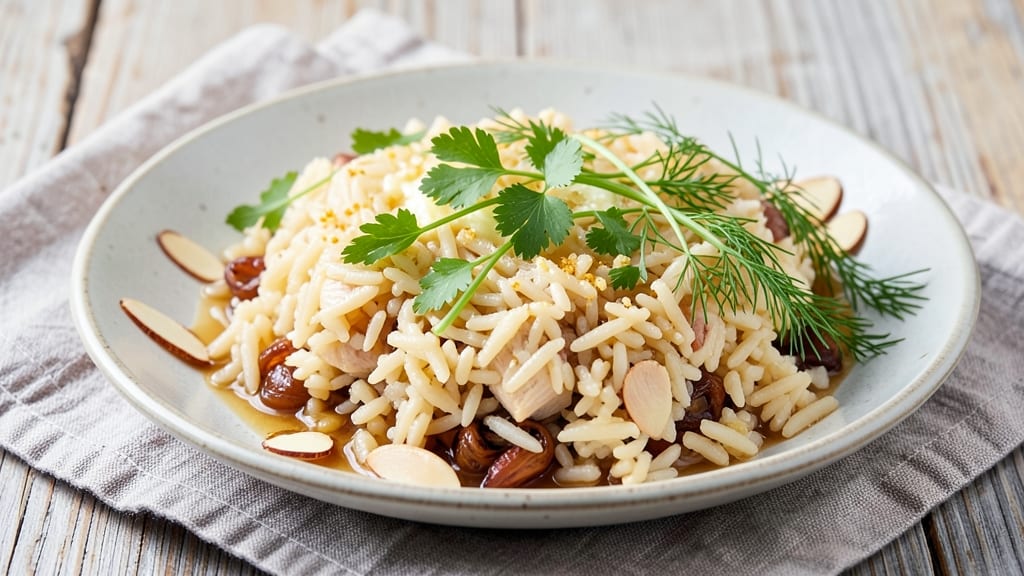
Ina Garten's rice pilaf recipe delivers that perfect balance of toasted spice and aromatic herbs that elevates any dinner table. The secret lies in toasting the rice and building layers of flavor through careful technique—something that transforms ordinary rice into a restaurant-worthy side dish.
I've perfected this method over years of testing, and it never fails to impress even the most discerning guests.
What sets this recipe apart is the attention to detail: starting with high-quality basmati rice, toasting it until golden, and then simmering it in rich broth with butter, herbs, and spices. The result is a pilaf that's fragrant, tender, and packed with depth—each grain distinct yet harmonious.
This method ensures the rice absorbs the flavors without becoming mushy, delivering that satisfying texture we all crave.
The pilaf's versatility makes it a staple for any meal, whether paired with roasted chicken, grilled fish, or even as a standalone dish. The aromatic blend of herbs and spices creates a side that's both comforting and elegant, proving that simple techniques can yield extraordinary results.
Ready to master this classic? Let's get started.
Ina Garten's approach emphasizes precision and patience—two qualities that define her cooking style. The key is allowing the rice to toast properly and simmer just long enough to absorb the broth while maintaining its shape.
This isn't just a side dish; it's a flavor experience that turns ordinary meals into something special. Trust the process, and you'll achieve the perfect pilaf every time.
Ingredients for ina garten rice pilaf
High-quality basmati rice and aromatic herbs transform this simple pilaf into a restaurant-worthy centerpiece.
| Ingredient | Amount | Notes |
|---|---|---|
| Basmati Rice 🍚 | 2 cups | Uncooked, long-grain preferred |
| Unsalted Butter 🧈 | ½ cup | Cold, cut into tablespoon pieces |
| Chicken Broth 💧 | 3 cups | Low-sodium, homemade preferred |
| Fresh Parsley 🌿 | ¼ cup | Finely chopped, stems removed |
| Fresh Tarragon 🌿 | 2 tbsp | Finely chopped, fresh preferred |
| Fresh Dill 🌿 | 2 tbsp | Finely chopped, fresh preferred |
| Garlic Cloves 🧄 | 4 cloves | Minced, freshly peeled |
| Shallots 🧅 | 2 whole | Minced, small and sweet |
| Ground Cumin 🌶️ | ½ tsp | Freshly toasted for depth |
| Ground Turmeric 🌶️ | ¼ tsp | Freshly ground for vibrant color |
| Ground Black Pepper 🌶️ | ½ tsp | Freshly cracked, coarse grind |
| Sea Salt 🧂 | 1 ½ tsp | Fine grain, kosher preferred |
| Lemon Zest 🍋 | 1 tsp | Freshly grated, organic preferred |
| Extra-Virgin Olive Oil 🫒 | 2 tbsp | High-quality, fruity variety |
The rice is non-negotiable—Basmati from Whole Foods or a specialty store delivers the best texture. Look for grains that are long and uniform, not broken. The herbs should be fresh, vibrant, and purchased from a trusted source like Trader Joe's or your local farmers market. Tarragon and dill are the stars here, so don't substitute with dried unless absolutely necessary. For the broth, homemade chicken broth adds depth, but a quality low-sodium store-bought brand like Pacific Foods works well too. The key is toasting the rice properly—this step can't be rushed.
No fresh tarragon? Dried tarragon at half the amount works, but the flavor won't be as bright. Substitute dill with fresh thyme or marjoram if needed, though the flavor profile shifts slightly. For the shallots, green onions or extra garlic can stand in if you're in a pinch. The spices should be freshly ground—pre-ground cumin and turmeric lose potency quickly. If you don't have a mortar and pestle, toast whole cumin seeds in a dry pan for 30 seconds before grinding. The lemon zest adds brightness, so if you're out, a splash of fresh lemon juice (1 tbsp) can help.
Store any leftovers in an airtight container for up to 4 days in the fridge. The pilaf reheats beautifully—just add a splash of broth or water to prevent drying out. For longer storage, freeze portions for up to 3 months. I like to portion it into individual containers before freezing so I can grab exactly what I need. The flavors actually deepen overnight, so if you can, make it a day ahead. This pilaf pairs perfectly with roasted chicken or grilled salmon, making it a versatile addition to any meal.
Why You'll Love This Recipe
- One-Pot Magic: I swear by this method—just butter, broth, and rice in one pot. No measuring cups, no extra bowls, no stress. The tarragon and parsley infuse the broth while the rice cooks, so you’re basically making flavor while you wait.
- Butter-Basted Richness: That first spoonful of creamy, buttery basmati with the tarragon’s bright bite? It’s like a hug in rice form. The butter doesn’t just cook off—it melts into the grains, making every mouthful feel special without even trying.
- Lunchbox Hero: Between us, this is my go-to for meal prep. Make a big batch on Sunday, and you’ve got lunch sorted for days. The parsley stays fresh longer than you’d think, and the broth keeps it moist—no sad, dry rice here.
- Budget Luxury: Basmati rice and fresh herbs might sound fancy, but this recipe stretches like crazy. A single batch feeds four, and leftovers reheat like a dream. Honestly, it’s the kind of dish that makes you feel like you’re eating well without breaking the bank.
Step-by-step instructions for ina Garten's rice pilaf
Here's the method that delivers perfectly toasted grains with vibrant herb and spice layers.
Toast the Spices and Aromatics
Heat the 2 tablespoons extra-virgin olive oil in a large skillet over medium heat. Add the 2 whole shallots and 4 cloves garlic, cooking for 3-4 minutes until the shallots soften and become translucent. This step builds flavor without browning.
Add the 0.5 teaspoon ground cumin, 0.25 teaspoon ground turmeric, and 0.5 teaspoon ground black pepper. Toast for 30 seconds until fragrant—this activates the spices' natural oils. Immediately transfer the mixture to a large bowl and set aside. The residual heat will continue developing flavor while you prepare the rice.
Sauté the Fresh Herbs
In the same skillet (no need to clean it—the fond adds depth), melt the 0.5 cup unsalted butter over medium heat. Add the 2 tablespoons fresh tarragon, 2 tablespoons fresh dill, and 0.25 cup fresh parsley, stirring constantly for 1-2 minutes until the herbs release their oils and become vibrant green. Remove from heat and pour over the shallot-garlic-spice mixture in the bowl.
Stir in the 1 teaspoon lemon zest and 1.5 teaspoons sea salt, distributing evenly. The citrus brightens the earthy spices while the salt enhances all flavors. This herb-butter blend will infuse the rice with complex aroma during cooking.
Toast the Rice for Perfect Texture
Return the skillet to medium heat and add the 2 cups basmati rice, stirring constantly for 2-3 minutes until the grains turn opaque and develop a faint golden hue. This critical toasting step prevents mushy rice by building a protective starch crust on each grain. Watch closely—burning ruins the dish.
Pour in the 3 cups chicken broth, scraping up any browned bits from the skillet. Transfer the entire mixture to a heavy-bottomed pot with a tight-fitting lid. Bring to a boil over high heat, then immediately reduce to a gentle simmer. The rice should be submerged but not drowned—adjust broth if needed.
Simmer to Fluffy Perfection
Cover the pot and simmer for 15 minutes without lifting the lid. This undisturbed cooking allows steam to circulate evenly, creating fluffy grains. After 15 minutes, remove from heat and let sit covered for 10 minutes. The residual heat finishes cooking while preventing overcooking.
Gently fluff the rice with a fork, then let it rest for 5 minutes before serving. The grains should be separate with a slight bite in the center—this indicates perfect al dente texture. The herb-butter mixture will be distributed throughout, creating vibrant pockets of flavor in every bite.
Pro Tips For Making Ina Garten Rice Pilaf
- Toast the Butter First: Melt the unsalted butter over medium-high heat until it’s actually foaming and smells nutty—about 2 minutes. This develops the flavor way more than just melting it cold, and it’s the foundation of that rich aroma in the pilaf. (Yes, even if you’re tempted to rush it.)
- Rinse the Rice Twice: Swirl the basmati rice in a fine-mesh strainer under cold water two times—the second rinse should run nearly clear. I learned this the hard way: skipping it leaves the rice gummy, and no amount of broth will fix that. (Trust me, your pilaf will thank you.)
- Simmer, Don’t Boil: Once the rice and broth hit a rolling boil, drop the heat to the lowest simmer you can manage—just enough to keep tiny bubbles breaking the surface. Too much heat turns basmati into mush, and you’ll end up with glue instead of fluffy grains. (Your future self will curse you if you ignore this.)
- Finish with Cold Butter: Stir in a pat of cold, cubed butter off the heat at the very end—it melts instantly and coats every grain, making the pilaf taste luxuriously finished. (This is the move that separates “good” from “restaurant-quality.”)
Common mistakes when making this dish
Skipping the Toast
One of the most common mistakes is skipping the rice toasting step entirely. Toasting the rice for 2-3 minutes until it turns opaque and slightly golden creates a protective starch crust that prevents mushy grains.
Without this step, your pilaf will turn out gummy and unappetizing. I’ve seen many cooks rush this part, but patience here is key—it’s what separates a good pilaf from a great one. 🔥
Using Low-Quality Broth
Substituting homemade or high-quality low-sodium broth with store-bought versions packed with sodium or artificial flavors can ruin the delicate balance of your pilaf. I recommend using Pacific Foods or a homemade broth for the best results.
The broth carries the flavors of the herbs and spices, so its quality directly impacts the final dish. If you’re using a pre-made broth, make sure it’s labeled “low-sodium” and has no added preservatives.
Overcrowding the Pot
Using a pot that’s too small for your rice and broth ratio can lead to uneven cooking and soggy rice. The ideal pot should be large enough to allow the rice to spread out in a single layer when added to the broth.
If your pot is too small, the rice will steam unevenly, resulting in a mushy texture. I use a 4-quart heavy-bottomed pot for this recipe to ensure even cooking and proper steam circulation.
Lifting the Lid Too Soon
Peeking under the lid during the 15-minute simmer releases steam and disrupts the cooking process, which can lead to unevenly cooked rice. The goal is to let the rice steam undisturbed so the grains absorb the broth evenly.
If you must check, do it quickly and avoid lifting the lid more than necessary. The residual heat will continue cooking the rice even after you remove it from the heat, so trust the process.
Overcooking the Rice
Leaving the rice on the heat too long after it’s done cooking will turn it into a mushy, unappetizing mess. The rice is done when it reaches a gentle simmer and the grains are tender but still have a slight bite.
Remove it from heat immediately after 15 minutes of simmering and let it rest covered for 10 minutes. Overcooking is a common mistake, but the rest time is what ensures the rice finishes cooking perfectly without drying out.
Ignoring the Resting Time
Skipping the 10-minute rest after cooking is another big mistake. This resting period allows the rice to absorb any remaining liquid and redistribute moisture evenly, resulting in fluffy, separate grains. Without it, the rice can turn out dry or unevenly textured.
I always let my pilaf rest before serving—it’s a small step that makes a huge difference in the final result. ✨
Nutrition facts
Frequently asked questions
Can I substitute basmati rice with another type?
While basmati is ideal for its long grains and delicate flavor, you can use jasmine rice as a substitute. Avoid short-grain varieties like sushi rice, as they'll turn out too sticky. If using jasmine, reduce the broth by ¼ cup since it absorbs less liquid. The toasting step remains critical for texture.
How do I make this recipe vegetarian?
Replace the chicken broth with vegetable broth and swap the butter for vegan butter. Keep all other ingredients identical. The herb-spice blend will still shine, and the texture remains perfect. For extra depth, add 1 teaspoon smoked paprika to the spice toast.
Why does my pilaf turn out mushy?
Mushy rice usually means one of three things: skipping the toasting step, using too much broth, or lifting the lid too soon. Always toast the rice until opaque, use 3 cups broth for 2 cups rice, and resist peeking during the 15-minute simmer. The resting time is also crucial—never skip it!
Can I make this ahead of time?
This pilaf actually tastes better the next day! Store leftovers in an airtight container for up to 4 days in the fridge. Reheat gently with a splash of broth or water to restore moisture. For freezing, portion into individual containers and freeze for up to 3 months. The flavors deepen over time.
What's the best way to serve this pilaf?
This aromatic pilaf pairs beautifully with roasted chicken, grilled salmon, or even as a standalone vegetarian dish. Garnish with extra fresh herbs and a sprinkle of toasted pine nuts for crunch. Serve warm alongside hearty stews or as a side for holiday feasts. The herb-forward flavor makes it versatile for any meal.