
Side Dishes
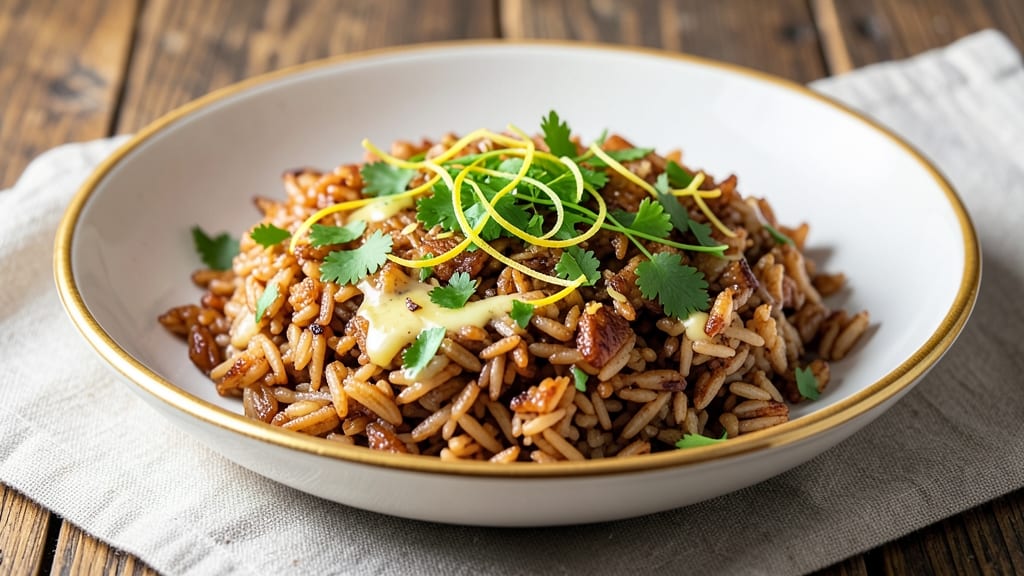
Ina Garten's rice recipe transforms humble grains into a fragrant, golden side dish that steals the show at every table. The secret lies in balancing bright lemon zest with fragrant herbs, creating a dish that's both elegant and effortless.
I've adapted this technique from Garten's signature approach—where simplicity meets sophistication—using just a few key ingredients to deliver restaurant-quality results.
This one-pan method ensures tender, evenly cooked rice with a bright, herby finish that pairs perfectly with roasted meats or fresh salads. The lemon-infused rice develops a subtle tang that cuts through richer dishes, while the herbs add depth without overpowering.
It's the kind of side that makes you feel like you've mastered the art of cooking, even when it's just rice.
What makes this recipe truly perfect is how it comes together in just 25 minutes with minimal effort. The rice absorbs the lemon and herb flavors as it cooks, resulting in grains that are fluffy yet firm, with a delicate aroma that fills your kitchen.
No special equipment is needed—just a simple pot and a little patience to let the flavors meld.
Serve this alongside grilled chicken, roasted vegetables, or even as a light main with a protein of your choice. The versatility of this dish makes it ideal for weeknight dinners or special occasions, proving that even the simplest sides can be extraordinary when made with care. Let's get started!
Ingredients for ina garten rice
Simple ingredients that transform into elegant, fragrant lemon herb rice with just one pan.
| Ingredient | Amount | Notes |
|---|---|---|
| Long-Grain White Rice 🍚 | 1 ½ cups | Uncooked, jasmine or basmati preferred |
| Fresh Lemon Zest 🍋 | 1 tbsp | From 1 large organic lemon |
| Fresh Lemon Juice 🍋 | 2 tbsp | Freshly squeezed, not bottled |
| Unsalted Butter 🧈 | 2 tbsp | Cold, cut into small pieces |
| Fresh Parsley Leaves 🌿 | ½ cup | Finely chopped, stems removed |
| Fresh Tarragon Leaves 🌿 | ¼ cup | Finely chopped, if unavailable |
| Fresh Chives 🌱 | 2 tbsp | Finely chopped, for garnish |
| Granulated Sugar 🍬 | ½ tsp | Balances lemon acidity |
| Salt 🧂 | 1 tsp | Kosher or sea salt preferred |
| Black Pepper 🌶️ | ¼ tsp | Freshly ground for best flavor |
| Chicken Broth 💧 | 2 cups | Low-sodium, homemade or quality brand |
| Extra-Virgin Olive Oil 🫒 | 1 tbsp | For even cooking and richness |
The rice is the foundation, so choose jasmine or basmati for that signature fluffiness—Trader Joe's carries excellent pre-washed options that save time. Fresh herbs are non-negotiable here: Whole Foods or your local farmers market are best for vibrant parsley and tarragon. If you can't find tarragon, thyme or basil work in a pinch, though the flavor will differ slightly. For lemon, organic lemons have more zest and brighter juice—Costco sells them in bulk at a great price. The butter should be cold and unsalted to prevent overcooking the rice and to maintain proper seasoning balance.
No fresh tarragon? Dried tarragon at one-third the amount works, but it lacks the bright, anise-like flavor. Short on parsley? Cilantro or basil can substitute, though they'll change the dish's character. Using bottled lemon juice? Double the amount—it lacks the potency of fresh. For the broth, homemade is ideal, but Swanson or Pacific Foods low-sodium versions are reliable store-bought options. The sugar might seem odd, but it rounds out the lemon's acidity—don't skip it. And if you're making this ahead, pre-chop the herbs and store them in the fridge for up to 3 days to save time.
This rice reheats beautifully—just add a splash of water or broth and cover for 5 minutes on low heat. For best results, make it fresh if serving immediately, as the flavors meld most beautifully when hot. Store leftovers in an airtight container for up to 4 days in the fridge. The lemon and herbs lose some brightness over time, so reheat gently and add a fresh sprinkle of zest or herbs if needed. For a restaurant-quality touch, garnish with extra chives right before serving—it adds that final elegant detail that makes this dish feel special.
Why You'll Love This Recipe
- Five-Ingredient Magic: This recipe is that simple—just rice, butter, lemon, and parsley. No fancy ratios, no stressing over measurements. Honestly, I’ve made it while scrolling through my phone mid-conversation, and it still turns out perfect.
- Bright & Buttery Bliss: The lemon zest and juice cut through the richness of the butter, giving each grain a zesty lift. Between us, that first bite of fluffy, citrus-kissed rice? It’s the kind of thing that makes you pause mid-meal and go, “Wait, this is good?”
- Meal Prep MVP: Make a big batch on Sunday, and you’ve got lunch or sides covered for days. The lemon keeps it fresh longer than plain rice—no sad, dry grains here. I’ll be real: my lunchbox has never been this exciting.
- Budget Brightener: White rice is cheap, butter is cheap, lemons are cheap—this is the kind of recipe that stretches your dollar without sacrificing flavor. Plus, it’s the perfect foil for whatever’s in your fridge (hello, roasted chicken or grilled fish).
Step-by-step instructions for Ina Garten's rice recipe
Here's how to create restaurant-quality lemon herb rice with tender grains and bright, balanced flavors.
Toast the Rice for Enhanced Flavor
Heat the 1 tablespoon extra-virgin olive oil in a large, heavy-bottomed skillet over medium-high heat. Add the 1.5 cups long-grain white rice and stir continuously for 2-3 minutes until the grains become translucent at the edges and slightly golden. This toasting step develops nutty undertones and prevents the rice from becoming mushy.
The rice should release a distinct aroma as it toasts—this is your cue that the starches are beginning to caramelize. Watch closely to avoid burning; the rice is ready when it smells toasty and the edges are lightly golden. Don't skip this step—it's what transforms ordinary rice into something extraordinary.
Deglaze and Build the Herb Base
Immediately add the 2 tablespoons unsalted butter and stir for 30 seconds until fully melted and incorporated. Pour in the 2 cups chicken broth, scraping up any browned bits from the bottom of the pan with a wooden spoon. Bring to a gentle simmer over medium heat—you should see small bubbles forming around the edges but not a rolling boil.
Stir in the 1 tablespoon fresh lemon zest, 0.5 teaspoon granulated sugar, 1 teaspoon salt, and 0.25 teaspoon black pepper. The sugar balances the acidity from the lemon while enhancing the herb flavors. Let the mixture simmer uncovered for 5 minutes to allow the lemon oils to infuse into the broth.
Add Herbs and Simmer to Perfection
Reduce the heat to low and stir in the 0.5 cup fresh parsley leaves and 0.25 cup fresh tarragon leaves. Cover the skillet tightly with a lid and simmer for 15 minutes. The rice will absorb the liquid gradually—resist the urge to peek or stir, as this disrupts the even cooking process.
After 15 minutes, check the rice by lifting the lid slightly: the liquid should be mostly absorbed, leaving just a thin layer of liquid on top. If there's still too much liquid, cover and cook for another 2-3 minutes. The rice should be tender but still slightly firm in the center—it will continue cooking off the heat.
Finish with Lemon and Rest
Remove the skillet from heat and stir in the 2 tablespoons fresh lemon juice. The acidity brightens the flavors and cuts through the richness of the butter. Let the rice sit covered for 5 minutes to steam and finish cooking evenly. This resting period ensures the grains absorb any remaining liquid and develop a perfect texture.
Fluff the rice gently with a fork, then stir in the 2 tablespoons fresh chives just before serving. The chives add a fresh, oniony brightness that complements the lemon and herbs. Serve immediately while the rice is still warm and the aromatics are at their peak.
Serve with Confidence
The finished rice should be tender with a slight bite, infused with bright lemon notes, and fragrant with fresh herbs. Each grain should be distinct but cohesive, with no dry edges or mushy centers. The lemon zest should add a subtle citrus aroma, while the tarragon and parsley contribute an earthy depth.
This method delivers perfectly balanced rice every time—bright, aromatic, and never bland. The one-pan approach ensures even cooking and maximum flavor extraction, making it ideal for busy weeknights or special occasions. Pair it with grilled fish, roasted chicken, or simply enjoy it as a standalone side.
Pro Tips For Making Ina Garten Rice
- Rinse Rice Twice: I learned this the hard way—skipping the extra rinse leaves your rice gummy. Use a fine-mesh strainer and run cold water over the rice until it’s clear, then repeat. That second rinse cuts down on starch, which is why Ina’s rice stays light and fluffy.
- Zest Before Juice: Grate that lemon zest first, then juice it. The zest loses potency fast once exposed to air, and you want it bright and fragrant in the butter. Store the zest in the fridge until you’re ready to mix it in—it’ll keep its punch longer.
- Butter at Room Temp: Cold butter won’t melt evenly, and you’ll end up with clumps in your rice. Take it out of the fridge 15 minutes before using, or microwave it for 10 seconds. Smooth butter = even flavor distribution—no one wants butter chunks in their lemony rice.
- Toast the Parsley: Sounds weird, but it works: Pulse the parsley in a food processor for 5 seconds, then stir it into the warm rice. The heat softens the parsley without cooking it, and it blends in better than chopped leaves. (Yes, even if you’re impatient like me.)
Wine and beer pairings for this ina garten rice
White Wine Pairings
This bright, herb-infused rice shines with crisp white wines that mirror its citrus and floral notes. A Sauvignon Blanc from New Zealand—like Kim Crawford—cuts through the butter and herbs with its zesty acidity and grapefruit undertones. The wine’s herbal complexity complements the tarragon and parsley beautifully. 🍷
Dry Rosé Options
For a lighter, refreshing option, a Provence-style rosé from France works wonderfully. Look for Whispering Angel or Château d'Esclans—their delicate strawberry and citrus flavors enhance the lemon zest without overpowering the dish. The subtle sweetness in some rosés also balances the dish’s acidity.
Light Beer Complements
If you prefer beer, a crisp Belgian witbier like Hoegaarden adds effervescence and coriander notes that cleanse the palate between bites. Alternatively, a German Helles lager—such as Weihenstephaner Original—provides a neutral backdrop that lets the rice’s flavors stand out. 🍺
Citrus-Infused Sparkling Wine
For a festive touch, serve with Prosecco or Cava infused with a splash of fresh lemon juice. The bubbles and citrus brightness mirror the rice’s lemon-herb profile, creating a lively pairing that feels both elegant and approachable. Chill the wine to 45-50°F for optimal refreshment.
Red Wine for Heartier Pairings
If serving with richer proteins like roasted duck or beef, a light Pinot Noir from Oregon—such as Domaine Serene—works surprisingly well. Its red fruit notes and silky tannins won’t compete with the rice’s brightness but provide enough structure for heartier meals. 🍇
Non-Alcoholic Alternatives
For a non-alcoholic option, try sparkling water infused with lemon slices and fresh mint. The effervescence mimics wine’s crispness, while the mint echoes the herbaceous notes in the rice. Serve chilled over ice for a refreshing contrast to the warm dish.
Nutrition facts
Frequently asked questions
Can I use short-grain rice instead of long-grain for this recipe?
Short-grain rice like sushi rice will turn out sticky and clumpy, which isn't ideal for this dish. Long-grain varieties (jasmine or basmati) are specifically chosen for their ability to stay separate and fluffy. If you must use short-grain, reduce the broth by 1/3 cup and cook for 2-3 minutes less to prevent mushiness.
What's the best way to substitute tarragon if I can't find it?
Fresh tarragon has a distinctive anise-like flavor that's hard to replicate, but you can try 1/4 teaspoon dried tarragon (one-third the fresh amount) or 1 tablespoon fresh thyme. For a closer match, combine 1 tablespoon fresh basil with 1/2 teaspoon fennel seeds (toasted and crushed). The dish will still taste good, though the flavor profile will shift slightly.
Why did my rice turn out dry and crunchy?
This usually happens when the rice absorbs all the liquid too quickly or the heat is too high. Always use the full amount of broth called for, and maintain a gentle simmer (not a rolling boil). If your rice finishes too early, simply cover it and let it steam off the heat for 5-10 minutes. The residual heat will finish cooking it properly.
Can I make this rice ahead of time for a dinner party?
This rice actually tastes better the next day as the flavors meld together. Prepare it up to 2 days in advance and store it in an airtight container in the refrigerator. When ready to serve, gently reheat it with 2 tablespoons broth or water per cup of rice, covered, over low heat for 5 minutes. For extra brightness, add a fresh sprinkle of lemon zest or herbs before serving.
How do I adjust this recipe for a larger group?
Double or triple the recipe using the same ratios, but use a larger, heavy-bottomed pot to prevent burning. For 6 servings, you'll need 3 cups rice, 4 cups broth, and 4 tablespoons butter. Keep the same cooking times, but monitor the rice more closely as larger batches can dry out faster. A meat thermometer works well for checking doneness.