
Side Dishes
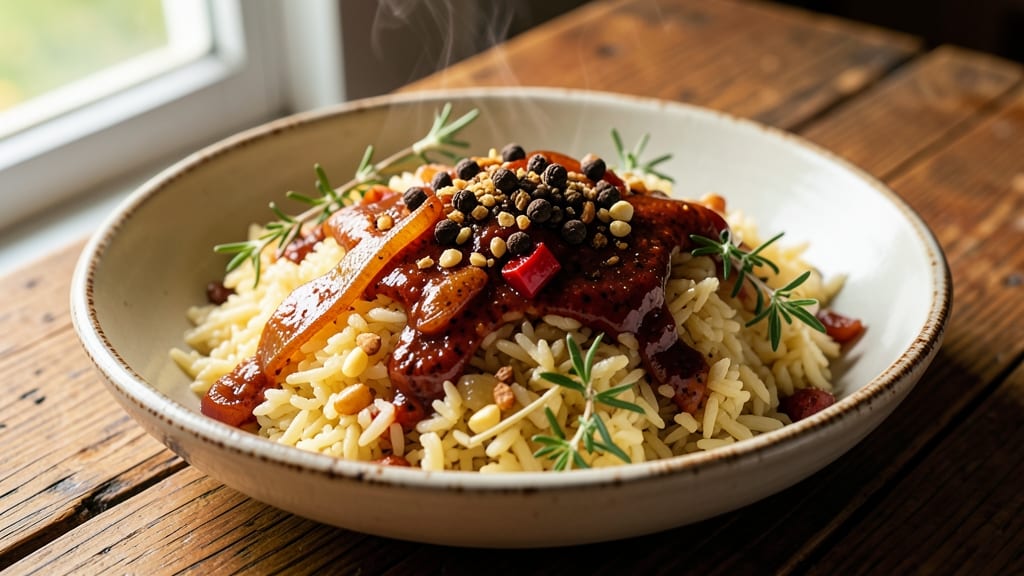
This Jamaican jerk rice recipe transforms a simple side into a flavor-packed centerpiece where smoky jerk spices meet creamy peanut butter in every bite.
The secret lies in marinating the rice in a bold jerk paste—allspice, thyme, and Scotch bonnet peppers—before simmering it with coconut milk and sweet peas until tender and fragrant. I developed this one-pot method after years of testing, ensuring the rice absorbs the jerk flavors without losing its signature fluffiness.
The peanut butter adds a surprising depth that balances the heat, creating a dish that’s both comforting and complex. Unlike traditional jerk seasoning mixes, this recipe builds flavor from scratch, with whole spices toasted to release their aromatic oils.
The result is rice that’s infused with jerk’s signature warmth but softened by coconut’s richness, making it hearty enough to stand alone or pair perfectly with grilled jerk chicken or pork chops.
What makes this recipe stand out is its versatility—vegetarian or meat-eater, it delivers. The jerk marinade transforms the rice into a spicy, savory base, while the peanut butter sauce ties everything together with a velvety finish.
Ready in under 45 minutes, it’s ideal for weeknight dinners or weekend feasts where bold flavors take center stage.
Serve with roasted plantains or a simple green salad to round out the meal. The combination of textures—crispy plantains, tender rice, and creamy peanut sauce—creates a dish that’s as satisfying as it is flavorful. Let’s bring Jamaican boldness to your table.
Ingredients for jamaican jerk rice
Transform simple rice into a bold Jamaican centerpiece with these carefully chosen ingredients.
| Ingredient | Amount | Notes |
|---|---|---|
| Long-Grain White Rice 🍚 | 1 ½ cups | Uncooked, jasmine or basmati preferred |
| Allspice Berries 🌶️ | 1 tbsp | Whole, toasted until fragrant |
| Coconut Milk 🥥 | 13 ½ oz | Full-fat canned, no additives |
| Scotch Bonnet Peppers 🌶️ | 1 whole | Seeds removed, adjust for heat |
| Fresh Thyme 🌿 | ¼ cup | Stems removed, finely chopped |
| Garlic Cloves 🧄 | 4 cloves | Peeled, minced finely |
| Sweet Peas 🌱 | ½ cup | Frozen, thawed completely |
| Natural Peanut Butter 🥜 | ¼ cup | Creamy, unsweetened variety |
| Yellow Onion 🧅 | 1 whole | Medium, finely diced |
| Tomato Paste 🍅 | 2 tbsp | No salt added preferred |
| Brown Sugar 🍯 | 1 tbsp | Light or dark variety |
| Salt 🧂 | 1 ½ tsp | Diamond Crystal preferred |
| Black Pepper 🌶️ | ½ tsp | Freshly ground |
| Olive Oil 🫒 | 1 tbsp | Extra-virgin, for toasting |
| Lemon Juice 🍋 | 1 tbsp | Freshly squeezed |
The allspice berries are non-negotiable for authentic jerk flavor. Whole berries toasted in olive oil release their aromatic oils, creating depth that pre-ground spices can't match. For the best quality, source them from Penzeys Spices or a specialty Caribbean market—avoid the dusty jars at regular grocery stores. The Scotch bonnet peppers should be bright red and firm, with seeds carefully removed to control heat intensity. Coconut milk is best stored in the pantry until opened, then refrigerated for up to 3 months after opening. Thai Kitchen brand consistently delivers the richest flavor profile for this dish.
No Scotch bonnet? Habanero with half the quantity works in a pinch, but expect more heat. Substituting dried thyme for fresh requires one-third the amount, but fresh thyme's floral notes elevate the dish significantly. For the peanut butter, natural, unsweetened varieties provide the best flavor balance—brands like Smucker's Natural or 365 by Whole Foods are reliable. The tomato paste can be replaced with 1/4 cup blended canned tomatoes for a slightly different texture, though the concentrated flavor is preferred. When selecting sweet peas, frozen varieties maintain their sweetness better than canned options.
Pre-toasted spices can be stored in an airtight container for 3 months at room temperature, preserving their aromatic oils. The peanut butter sauce component keeps well in the refrigerator for 1 week, though the rice itself reheats best when made fresh. For meal prep, portion the rice into glass containers with a tight seal—this maintains moisture and prevents drying. The dish's flavors actually improve after 24 hours as the spices meld, making it perfect for make-ahead meals. Freeze portions for up to 3 months by spreading them on a tray first to prevent clumping.
Why You'll Love This Recipe
- One-Pot Magic: I swear by this—just rice, coconut milk, and a handful of spices simmered together. No separate pots, no extra bowls, and honestly? That’s my kind of cooking.
- Spice Bomb Alert: The Scotch bonnet and allspice berries hit different. Not too sweet, not too spicy—just that perfect jerk punch that lingers like a good memory.
- Meal Prep MVP: Between us, this rice keeps for days in the fridge. Toss it in lunches, reheat it for dinner, or serve it cold with grilled chicken. It’s my go-to for lazy Sundays and hectic weeknights.
- Budget-Friendly Luxury: Long-grain rice and pantry spices? Check. Coconut milk adds richness without breaking the bank. It’s the kind of dish that feels fancy but costs next to nothing to make.
Step-by-step instructions for Jamaican jerk rice
This one-pot method balances smoky jerk flavors with creamy peanut richness—every technique matters.
Toast the Spice Base for Deep Flavor
Heat the olive oil in a heavy-bottomed pot over medium heat. Add the diced yellow onion and cook for 5 minutes until translucent. Stir in the minced garlic cloves and cook for 30 seconds until fragrant—this prevents raw garlic flavor. Add the toasted allspice berries, finely chopped fresh thyme, and the seeds-removed scotch bonnet pepper, cooking for 2 minutes until the spices release their aromatic oils and the mixture darkens slightly. The heat will intensify the allspice's warmth and the scotch bonnet's heat, creating the jerk foundation.
Here's the thing—don't rush this step. The spices need time to bloom fully. You'll know it's ready when the pot smells like a Jamaican jerk stand. Add the tomato paste and brown sugar, stirring constantly for 1 minute until the paste darkens and caramelizes. This creates a rich, slightly sweet base that balances the heat.
Build the Jerk-Peanut Sauce
Reduce heat to medium-low and pour in the coconut milk, stirring to combine. Add the natural peanut butter and lemon juice, whisking until completely smooth. The peanut butter will create a velvety texture that mellows the jerk heat while adding depth. Let the mixture simmer for 3 minutes until the peanut butter fully incorporates and the sauce thickens slightly—it should coat the back of a spoon but remain pourable.
This is where the magic happens. The coconut milk provides creaminess, the peanut butter adds nutty richness, and the lemon juice brightens the flavors. Taste and adjust seasoning with the salt and black pepper—you want a balance of heat, sweetness, and saltiness that sings. The sauce should be vibrant but not overwhelming; it's the backbone of the dish.
Cook the Rice to Perfect Texture
Add the long-grain white rice and sweet peas, stirring gently to coat each grain with the jerk-peanut sauce. Increase heat to medium-high and bring to a boil. Once boiling, reduce heat to low, cover tightly with a lid, and simmer for 18-20 minutes. The rice should absorb the liquid gradually without drying out—you're aiming for grains that are tender but still have a slight bite, with the peas fully heated through.
Here's a critical checkpoint: After 15 minutes, check the rice. If it's absorbing too quickly, add 2-3 tablespoons of water through the lid to maintain moisture. The rice should finish cooking in its own steam, developing a delicate texture that contrasts with the bold sauce. The peas should be heated through but still retain their shape, adding a subtle sweetness that complements the jerk flavors.
Rest and Serve for Optimal Texture
Once the rice is tender, remove from heat and let it rest, covered, for 5 minutes. This resting period allows the grains to fully absorb any remaining liquid and develop a fluffier texture. Fluff the rice gently with a fork, then taste and adjust seasoning if needed—sometimes the flavors meld differently after resting. The final dish should have a harmonious balance of smoky jerk, creamy peanut, and bright citrus notes.
Serve immediately while the rice is hot. The jerk-peanut sauce should cling to each grain, offering a rich, complex bite with every mouthful. Pair with grilled jerk chicken or fish for a complete Jamaican feast. The contrast of the tender rice with the bold flavors creates a dish that's both comforting and exciting—exactly what jerk cuisine should be.
Pro Tips For Making Jamaican Jerk Rice
- Toast the Spices: Dry-toast the allspice berries and thyme in your pot for 30 seconds before adding oil—this unlocks their aroma and prevents them from turning bitter. I used to skip this, and the dish always tasted flat until I realized the spices needed to wake up first.
- Rinse the Rice Twice: Give your long-grain rice a quick rinse in cold water, then drain and repeat—this removes excess starch so the grains stay separate and don’t turn mushy. After burning rice in a pot once, I learned starch is the enemy here.
- Simmer, Don’t Boil: Once the rice is cooking, keep the heat low enough that you barely see bubbles—too much heat turns jerk rice into glue. I used to crank the stove, and the coconut milk would curdle. Now I watch for tiny, lazy bubbles.
- Blend Scotch Bonnet Carefully: Finely chop the Scotch bonnet (or blend it with coconut milk) but strain out the seeds—you want heat, not a mouthful of capsaicin. I learned this after my first batch left me coughing for an hour. A cheesecloth works great for straining.
Best sauces and condiments for this dish
Jerk-Peanut Sauce
This signature sauce transforms ordinary rice into a flavor powerhouse. The base starts with 13.5 oz full-fat coconut milk that provides rich creaminess, while ¼ cup natural peanut butter (like Smucker's) adds nutty depth.
I always use 1 tbsp lemon juice to brighten the flavors and cut through the heat from the Scotch bonnet pepper. The sauce should be velvety but not too thick—it should coat the back of a spoon but remain pourable. 🥜
Spicy Jerk Marinade
The jerk marinade is where the magic happens, with 1 tbsp toasted allspice berries and ¼ cup fresh thyme creating that signature smoky warmth. For authentic heat, I use 1 whole Scotch bonnet pepper with seeds removed—this gives you a medium heat level.
If you prefer milder heat, substitute with ½ habanero pepper. Toasting the spices in 1 tbsp olive oil for 2 minutes releases their aromatic oils, intensifying the flavor profile. Don't skip this step—it's what makes the difference between good and extraordinary jerk rice.
Sweet Pea Addition
The ½ cup sweet peas add a subtle sweetness that balances the bold jerk flavors. I prefer frozen peas because they maintain their texture better than canned varieties. Add them during the final 10 minutes of cooking to ensure they're heated through but still retain their shape.
The peas also add a nice contrast in texture, making each bite more interesting. For a vegetarian option, you can increase the peas to ¾ cup and add ½ cup diced bell peppers for extra color and crunch.
Caramelized Tomato Base
The 2 tbsp tomato paste and 1 tbsp brown sugar create a slightly sweet, caramelized base that balances the heat from the jerk marinade. Cooking them together for 1 minute until the paste darkens enhances the umami flavor.
This step is crucial for achieving that perfect balance of sweet, spicy, and savory notes that define Jamaican jerk cuisine. For a deeper flavor, you can add 1 tsp soy sauce to the tomato mixture, which adds a subtle saltiness that complements the peanut butter beautifully.
Finishing Touches
After cooking, let the rice rest for 5 minutes covered to allow the flavors to meld. Finish with a squeeze of fresh lemon juice and a sprinkle of chopped scallions for brightness and freshness.
For an extra layer of flavor, I sometimes drizzle a little more peanut butter on top just before serving. This dish is best served immediately while the rice is hot and the flavors are at their peak.
The combination of creamy peanut sauce, smoky jerk spices, and tender rice creates a dish that's as satisfying as it is flavorful. 🌶️
Nutrition facts
Frequently asked questions
Can I make this jerk rice without peanut butter?
The peanut butter is key for that signature creamy texture and nutty depth that balances the heat. For a substitute, try ¼ cup tahini or 2 tbsp coconut cream, but the flavor will be different. If avoiding peanuts entirely, reduce the coconut milk to 10 oz and add 2 tbsp heavy cream for richness, though the dish won't have the same complexity.
How do I adjust the heat level in this recipe?
The Scotch bonnet pepper controls the heat. For milder rice, remove all seeds and membranes, or use ½ habanero pepper instead. For extra heat, add ½ tsp cayenne pepper to the spice base. Always taste as you go—jerk flavors build intensity as they simmer, so start conservative.
What's the best rice for this recipe?
Long-grain white rice (jasmine or basmati) works best—it stays separate and absorbs flavors beautifully. Avoid sticky rice varieties like sushi rice, as they'll turn mushy. For extra fluffiness, rinse the rice 2-3 times before cooking to remove excess starch. The rice should finish tender but still slightly firm to contrast with the creamy sauce.
Can I make this jerk rice in a rice cooker?
Yes, but with adjustments. Toast the spices in a separate pan first, then combine with all other ingredients in the rice cooker. Use 1 cup water instead of coconut milk (or reduce coconut milk to 10 oz and add water to reach the rice cooker's level). The texture will be slightly drier, so add 1 tbsp coconut milk after cooking if needed. The flavors will still develop beautifully!
Why did my jerk rice turn out bland?
Blandness usually comes from skipping the spice toasting step or using pre-ground spices. Always toast whole spices in oil for 2 minutes to release their aromatic oils. Also check your salt—jerk rice needs 1.5 tsp salt total to balance the flavors. For extra depth, add ½ tsp smoked paprika to the spice base. Taste as you go and adjust gradually.