
Side Dishes
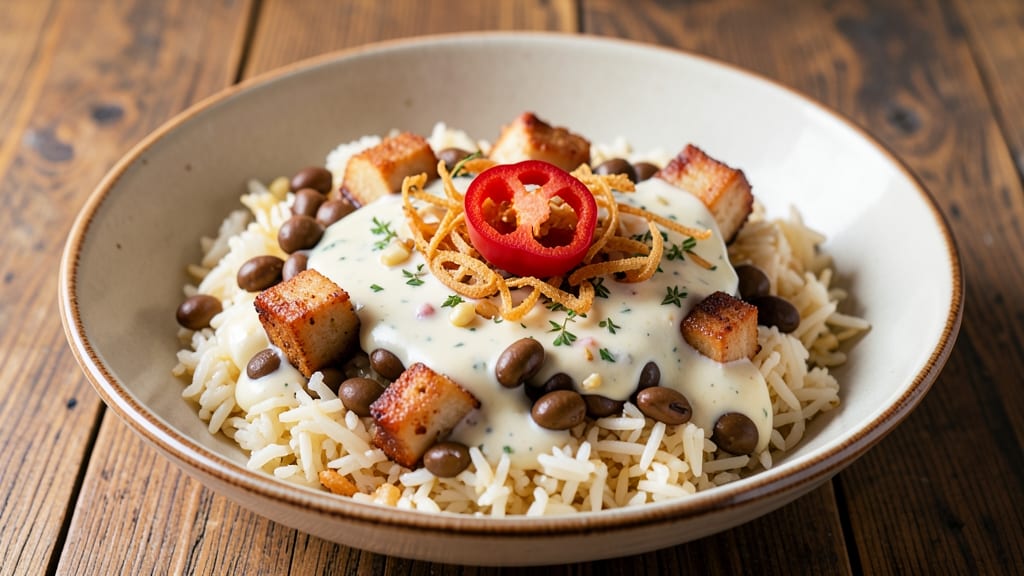
This Jamaican pigeon peas and rice recipe delivers a one-pot spice bomb that captures the bold flavors of island cuisine in every bite. The secret lies in balancing Scotch bonnet heat with coconut milk richness, transforming simple ingredients into a dish that's both comforting and fiery.
I've perfected this technique over years of testing, ensuring the peas stay tender while the rice absorbs all those aromatic spices.
The beauty of this recipe is its simplicity—just one pot, minimal prep, and authentic Jamaican flavors that come together effortlessly. You'll start with soaking pigeon peas to soften their texture, then build layers of flavor with thyme, garlic, and scallions before adding the Scotch bonnet for that signature Jamaican heat.
The rice cooks in coconut milk, creating a creamy base that perfectly complements the spiced peas and protein.
What you'll end up with is a rich, flavorful one-pot meal where every spoonful delivers a perfect balance of heat, sweetness, and smoky depth.
The peas stay tender and flavorful, the rice is perfectly cooked with just the right texture, and the protein—whether salted pork or chicken—absorbs all the aromatic spices. This dish is hearty enough for a main course but versatile enough to serve as a side.
Serve it with lime wedges on the side for brightness and a dash of hot sauce for those who crave extra heat. The one-pot method means less cleanup, and the flavors only get better as they sit, making this the perfect meal for busy weeknights or special gatherings.
Let's get cooking!
Ingredients for jamaican pigeon peas and rice
Pantry staples meet bold Jamaican flavors in this one-pot masterpiece.
| Ingredient | Amount | Notes |
|---|---|---|
| Dried Pigeon Peas 🍲 | 1 cup | Soaked overnight for tenderness |
| Long-Grain White Rice 🍚 | 1 cup | Uncooked, medium grain preferred |
| Coconut Milk (Full-Fat) 🥥 | 1 can (13.5 oz) | High quality, no additives |
| Scotch Bonnet Pepper 🌶️ | 1 whole | Seeds removed for less heat |
| Fresh Thyme 🌿 | ¼ cup | Stems removed, chopped finely |
| Garlic Cloves 🧄 | 4 cloves | Minced for aromatic base |
| Green Onions 🧅 | 2 whole | Sliced, white and green parts |
| Salted Pork (or Chicken Breast) 🥓 | ½ lb | Salted pork preferred, cubed |
| Tomato Paste 🍅 | 2 tbsp | No added salt or preservatives |
| Olive Oil 🫒 | 2 tbsp | Extra-virgin for flavor |
| Salt 🧂 | 1 ½ tsp | Kosher or sea salt preferred |
| Black Peppercorns 🌶️ | ½ tsp | Freshly ground for aroma |
| Bay Leaves 🍃 | 2 whole | Dried, for depth of flavor |
| Fresh Lime 🍋 | 1 whole | Juiced, for brightness |
| Hot Sauce (Optional) 🔥 | 1 tbsp | For serving, adjust to taste |
The Scotch bonnet pepper is non-negotiable for authentic heat. Caribbean markets or specialty stores carry the freshest peppers, but most grocery stores stock them in the produce section near hot peppers. If you can't find one, habanero or Thai bird's eye chili work in a pinch, but reduce the seeds for milder heat. The dried pigeon peas should be brightly colored and free of debris—soak them overnight in plenty of water to soften. For the rice, long-grain white is standard, but basmati holds up well too. The salted pork adds that signature Jamaican umami, but chicken breast or shrimp work just as well if you're avoiding pork.
No fresh thyme? Dried thyme at one-third the amount gets you close, but fresh is ideal. The tomato paste can be the squeeze tube kind from Trader Joe's—it's convenient and lasts longer. If you're using chicken instead of salted pork, marinate it in lime juice and thyme for 30 minutes before cooking to keep it tender. The coconut milk should be full-fat and unflavored—avoid the sweetened versions. For extra richness, some cooks add a splash of coconut cream at the end, but the milk alone delivers plenty of creaminess. The lime is for serving, but you can add a splash to the pot at the end if you prefer it tangier.
This dish tastes even better the next day as flavors meld. Store leftovers in an airtight container in the fridge for up to 4 days or freeze for 3 months. The rice and peas thicken when reheated, so add a splash of water or coconut milk when warming. For meal prep, double the recipe and freeze portions—just thaw overnight in the fridge before reheating. The lime wedges should be added fresh when serving to keep them vibrant. If you're serving a crowd, double the Scotch bonnet and adjust the heat sauce accordingly.
Why You'll Love This Recipe
- One-Pot Magic: I swear by this recipe when I’m too tired to wash pots. The dried pigeon peas soak overnight (or even just a few hours if you’re in a rush), then simmer right in the same pot with the rice—no extra dishes, just layers of flavor.
- Scotch Bonnet Magic: That little pepper packs a punch, but it’s the balance that makes it sing—creamy coconut milk cools the heat while thyme and garlic add depth. Honestly, the first bite makes me forget I’m cooking.
- Meal Prep MVP: This keeps perfectly for days, which is a game-changer for my lazy Sundays. The rice stays fluffy, the peas get even more tender, and I just reheat with a splash of water. My lunchbox’s new best friend.
- Budget Feeds Five: A bag of dried peas and a can of coconut milk stretch to feed my whole family (plus leftovers for days). Between us, this is how I stretch groceries without sacrificing taste—rich, hearty, and actually filling.
Step-by-step instructions for Jamaican pigeon peas and rice
This one-pot method delivers rich, aromatic flavors with minimal cleanup.
Prepare the Base Ingredients
In a large, heavy pot with a tight-fitting lid, heat the 2 tablespoons olive oil over medium heat. Add the 0.5 lb salted pork (or chicken breast) cut into ½-inch cubes and cook for 5-7 minutes until the meat loses its raw color and begins to brown. This step develops deep, savory flavors that form the foundation of the dish.
Push the pork to one side of the pot and add the 4 cloves garlic cloves and the 0.25 cup fresh thyme. Stir for 30 seconds until fragrant—this ensures the garlic doesn't burn before the other ingredients join. Add the 1 whole Scotch bonnet pepper (seeds removed) and cook for 1 minute until slightly softened. This is where the heat begins to infuse into the base.
Build the Flavor Layers
Stir in the 2 tablespoons tomato paste and cook for 1 minute to deepen its color and remove any raw taste. Add the 1 cup dried pigeon peas (drained if previously soaked) and the 1 cup long-grain white rice, stirring to coat everything evenly in the tomato paste and spices. This step ensures every grain of rice and pea absorbs the rich, spiced base.
Pour in the 1 can (13.5 oz) coconut milk (full-fat) and add 1.5 teaspoons salt, 0.5 teaspoon black peppercorns, and the 2 whole bay leaves. Stir once more to combine, then bring the mixture to a gentle boil. Once boiling, reduce heat to low, cover tightly with the lid, and simmer for 30 minutes. This initial cooking period allows the peas to begin softening while preventing the rice from sticking to the bottom.
Simmer to Perfect Texture
After 30 minutes, check the mixture. The peas should be slightly softened but still firm, and the rice should be just beginning to absorb liquid. If the liquid level appears too low, add ½ cup water and stir gently. Return to a simmer and cook uncovered for another 20-25 minutes, stirring occasionally. The lid should be off during this phase to allow excess moisture to evaporate, ensuring the rice doesn't turn mushy.
You'll know the rice is nearly done when it's tender but still has a slight bite—this is the hallmark of perfectly cooked Jamaican rice. The peas should be tender but not falling apart. If the mixture looks dry before the rice is fully cooked, add 2-3 tablespoons water and continue cooking. The goal is a moist but not soupy texture.
Finish with Aromatics and Serve
Once the rice and peas are tender, remove the pot from heat. Stir in the 2 whole green onions (sliced) and the juice of 1 whole fresh lime. The lime brightens the dish and cuts through the richness of the coconut milk and pork. Taste and adjust seasoning—you may need a pinch more salt or a splash of lime juice to balance the flavors.
Let the one-pot rest, covered, for 5 minutes before serving. This allows the flavors to meld and the rice to finish steaming slightly. Serve immediately with the 1 tablespoon hot sauce (optional) on the side for those who crave extra heat. The dish should be aromatic, with layers of smoky pork, sweet coconut, and a subtle kick from the Scotch bonnet.
Pro Tips For Making Jamaican Pigeon Peas And Rice
- SOAK THE PEAS LONG: I learned this the hard way—skipping the overnight soak leaves you with tough, chalky peas. Toss them in a bowl with enough water to cover by 2 inches, add a pinch of baking soda (trust me), and let them sit 8+ hours. The longer they soak, the creamier they’ll get when cooked, and that’s the whole point.
- USE HALF THE COCONUT MILK: Full-fat coconut milk is rich, but don’t drown the rice—it’ll turn mushy. Start with just 1 cup (not 2) in the cooking liquid, then add more later if needed. You want flavor, not a pudding. (Yes, even if you’re impatient like me.)
- CHAR THE SCOTCH BONNET: Tossing in raw Scotch bonnet pepper just for heat? You’re missing out. Dry-toast the whole pepper in a pan for 30 seconds until fragrant, then chop it. This deepens the flavor and cuts through the coconut’s sweetness—like a spicy wake-up call.
- SALT THE COCONUT MILK: Coconut milk tastes bland on its own, and salting it early makes a real difference. Stir in ½ teaspoon salt right when you add it to the peas, then adjust later. It’ll balance the dish as it simmers, not just at the end. (Your future self will thank you.)
Regional styles of this dish
Jamaican Country Style
This is the classic version you'll find in Jamaican homes and patios across the island, where the dish is often called "peas and rice." The key difference is the use of salted pork (or ham hocks) instead of chicken, which adds a deep, savory richness.
Jamaican cooks often use dried thyme and allspice (pimento) in this version, creating a warm, earthy flavor profile. I like to add 1 teaspoon ground allspice when building the flavor base for that authentic touch. 🌶️
Bahamian Spiced Version
The Bahamian take on this dish swaps Scotch bonnet for habanero peppers, which gives it a slightly different heat profile—more fruity and less smoky. Bahamians also incorporate tomato paste more generously (up to 3 tablespoons) and often add grated ginger (about 1 teaspoon) for a zesty kick.
The rice is typically cooked with coconut milk and water in a 1:1 ratio to keep it light and fluffy. This variation is perfect if you want a slightly sweeter, more aromatic dish.
Trinidadian Pepper Pot Style
In Trinidad, this dish is often called "pepper pot peas and rice," and it leans into bold, smoky flavors with the addition of burnt sugar (about 1 tablespoon) caramelized in the pot before adding other ingredients.
Trinidadians also use dried hot pepper pods (like bird's eye peppers) instead of fresh, which adds a deeper, almost charred heat. The rice is cooked with chicken stock instead of coconut milk, giving it a lighter, more savory profile.
This version is heartier and works beautifully as a main course.
Modern Fusion Twist
For a contemporary take, I love adding smoked paprika (about ½ teaspoon) and a pinch of cinnamon to the base for warmth, then finishing with toasted coconut flakes before serving. Swap salted pork for grilled jerk chicken or shrimp to keep it lighter.
Some cooks also incorporate roasted bell peppers (about ½ cup) into the mix for a subtle sweetness. This fusion version keeps the traditional flavors intact while adding a modern, vibrant touch. ✨
Vegetarian Adaptation
To make this dish vegetarian, replace salted pork with firm tofu or mushrooms (about 8 oz cremini mushrooms, sliced). For extra protein, add ½ cup black-eyed peas along with the pigeon peas. Boost umami with 1 teaspoon soy sauce or miso paste when building the flavor base.
The coconut milk and lime still provide the creamy, bright contrast, making this version just as satisfying. It’s a great option for plant-based eaters who still want bold Jamaican flavors. 🌱
Slow-Cooker Adaptation
For a hands-off approach, combine all ingredients in a 6-quart slow cooker and cook on low for 6-7 hours or high for 3-4 hours. The slow cooking enhances the tenderness of the peas and rice while deepening the flavors.
I recommend adding ½ cup water if using the slow cooker to prevent drying out. This method is perfect for busy weeknights and ensures minimal cleanup while delivering the same rich, aromatic results. 💫
Nutrition facts
Frequently asked questions
Can I substitute fresh pigeon peas for dried in this recipe?
Fresh pigeon peas (also called gungo peas) can be used, but they require different prep. Rinse and trim them thoroughly, then cook for only 10-15 minutes after adding to the pot—fresh peas cook much faster than dried. For best results, use about 1.5 cups fresh peas per 1 cup dried. Fresh peas have a slightly sweeter flavor but lose texture if overcooked.
How do I adjust the heat level in this dish?
The Scotch bonnet controls the heat, so you have three options: Remove all seeds and some membrane for milder heat, use half a pepper for less spice, or remove the pepper entirely and add 1 teaspoon hot sauce at the end. For extra heat lovers, keep the seeds and add an additional ½ teaspoon cayenne pepper when building the flavor base.
Can I make this recipe without coconut milk?
Yes! For a dairy-free alternative, use 1 cup chicken or vegetable broth plus 2 tablespoons coconut cream (or heavy cream). The dish will be lighter but still flavorful. For a completely plant-based version, use 1 cup water plus 2 tablespoons olive oil and add ½ teaspoon ground allspice to compensate for the missing richness. The texture will be firmer but still delicious.
Why did my rice turn out mushy?
Mushy rice usually happens from one of three issues: Overcooking (keep lid off during final 20-25 minutes to evaporate excess moisture), using too much liquid (stick to the 1:1 coconut milk to water ratio), or stirring too often (let it sit undisturbed after boiling). For next time, check rice doneness at 20 minutes and taste-test—it should have a slight bite before resting.
How can I make this dish ahead of time?
This dish actually tastes better the next day as flavors meld! Store in an airtight container in the fridge for up to 4 days. Reheat gently with 2 tablespoons water or coconut milk per cup of leftovers, covered on low heat. For freezing, portion into freezer-safe containers and freeze for up to 3 months. Thaw overnight in the fridge before reheating—never microwave directly from frozen.