
Main Courses
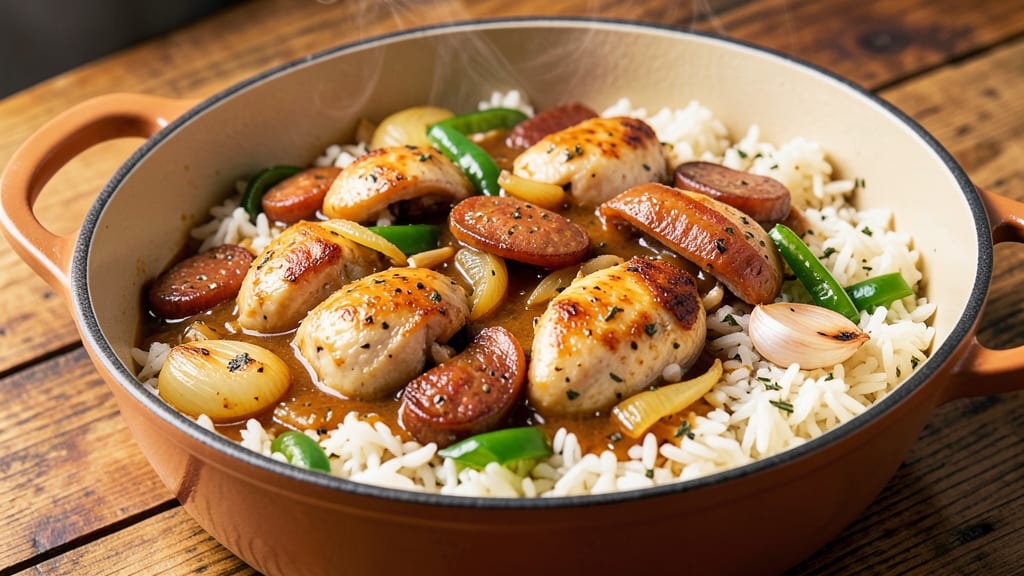
Mastering jambalaya in a rice cooker transforms a weeknight dinner into a flavorful, hands-off celebration of Cajun spice harmony. This one-pot recipe combines tender chicken, smoky sausage, and vibrant vegetables into a rich, aromatic dish that builds flavor while the rice cooks—no stovetop required.
The secret lies in layering ingredients strategically, letting the rice cooker's even heat develop deep, smoky notes without burning a single spice.
What sets this recipe apart is its precision: Cajun seasoning and smoked paprika create that signature Louisiana kick, while garlic and onions form the aromatic base.
The chicken and sausage cook low and slow, absorbing the spices while the rice absorbs the savory broth, resulting in perfectly tender protein and fluffy grains. Even beginners can achieve restaurant-quality jambalaya with this foolproof method.
By the time the rice cooker signals "done," you'll have a bubbling pot of jambalaya with golden-brown sausage, tender chicken, and vegetables that melt into the rice.
The aroma alone will have everyone gathering at the table—no extra cleanup required. This recipe proves that one-pot cooking can deliver bold, complex flavors without the fuss.
Adjust for dietary needs by swapping proteins or omitting meat entirely, and use leftovers for even better flavor the next day. Here’s how to make it happen in your rice cooker—no stovetop stress, just deep, satisfying taste.
Ingredients for jambalaya in rice cooker
Precision-spiced ingredients designed to transform your rice cooker into a Louisiana-inspired flavor factory.
| Ingredient | Amount | Notes |
|---|---|---|
| Long-Grain White Rice 🍚 | 1 ½ cups | Uncooked, medium grain preferred |
| Boneless, Skinless Chicken Thighs 🍗 | 1 ½ lb | Cut into 1-inch pieces |
| Andouille Sausage 🌭 | 1 lb | Smoked variety, sliced into rounds |
| Yellow Onions 🧅 | 1 whole | Medium, finely diced |
| Garlic Cloves 🧄 | 4 cloves | Fresh, minced |
| Green Bell Pepper 🌶️ | 1 whole | Medium, diced |
| Celery Stalks 🥬 | 2 whole | Medium, finely chopped |
| Cajun Seasoning 🌶️ | 2 tbsp | High-quality blend, not pre-packaged |
| Smoked Paprika 🌶️ | 1 tbsp | Spanish smoked for depth |
| Dried Thyme 🌿 | 1 tsp | Or 1 tbsp fresh thyme leaves |
| Bay Leaves 🍃 | 2 whole | Fresh preferred |
| Chicken Broth 💧 | 2 cups | Low-sodium, homemade or quality store-bought |
| Tomato Paste 🍅 | 2 tbsp | Smooth, not chunky |
| Hot Sauce 🔥 | 1 tbsp | Louisiana-style, like Crystal or Tabasco |
| Olive Oil 🫒 | 1 tbsp | Extra-virgin, for sauteing |
| Salt 🧂 | 1 tsp | Diamond Crystal kosher preferred |
| Black Pepper 🌶️ | ½ tsp | Freshly cracked |
| Fresh Parsley 🌿 | ¼ cup | Chopped, for garnish |
The foundation of authentic jambalaya lies in the Cajun seasoning blend—look for brands like Tony Chachere's or Slap Ya Mama for that true Louisiana heat profile. Andouille sausage is non-negotiable; the smoky, spicy pork fat renders beautifully in the rice cooker's even heat. For the rice, medium-grain varieties like Carolina Gold or Mahatma hold up best to the long cooking time without turning mushy. Fresh thyme and bay leaves add aromatic depth, but if you're using dried thyme, toast the spices in olive oil for 30 seconds before adding to release their essential oils. The green bell pepper should be vibrant, not wilted—look for firm, glossy skins at the market.
No andouille sausage? Spicy Italian sausage works in a pinch, though the flavor will differ slightly. Substituting chicken thighs for breasts? Use bone-in, skin-on thighs for better moisture retention. The tomato paste can be replaced with 1 cup crushed tomatoes if you prefer a less concentrated base. For a vegetarian version, swap the meat for chickpeas and smoked tofu, adjusting the broth quantity by 1/2 cup. The hot sauce is optional but recommended—Crystal or Tabasco add that signature kick without overpowering. If you're using pre-made Cajun seasoning, reduce the smoked paprika by 1/2 tsp to avoid overdoing the smokiness.
This jambalaya develops deeper flavor overnight, so reheat gently in the rice cooker with an extra splash of broth. Store leftovers in an airtight container for 4-5 days in the fridge, or freeze portions for up to 3 months. The rice cooker's keep-warm function maintains perfect texture—just stir occasionally. For meal prep, portion into individual containers with a sprinkle of fresh parsley on top. The dish reheats beautifully, with the rice absorbing the extra moisture and the spices intensifying slightly. If making ahead, skip the hot sauce until reheating to preserve its potency.
Why You'll Love This Recipe
- No Chopping Chaos: I swear by this—just dice the onions and garlic once, toss them in with the chicken and sausage, and the rice cooker does the rest. The andouille crumbles perfectly on its own, so no extra work there.
- Smoky Garlic Magic: That moment when the garlic starts browning in the rice cooker? Pure flavor gold. The chicken thighs stay juicy while the sausage soaks up all the smoky, garlicky goodness—no dry bites here.
- Lunchbox Hero: Between us, this makes the best cold leftovers. Pack it in containers the next day, and the rice stays fluffy while the sausage keeps that deep, savory punch. My kids actually ask for it.
- Budget Crowd-Pleaser: A whole meal for under $15 feeds four hungry people. The chicken thighs are forgiving, the rice stretches, and the andouille adds that restaurant-worthy touch without breaking the bank. Win.
Step-by-step instructions for jambalaya in rice cooker
This method transforms your rice cooker into a one-pot Cajun powerhouse with minimal effort.
Sauté the Holy Trinity and Protein
In your rice cooker's inner pot, heat the 1 tablespoon olive oil over medium-high heat until shimmering. Add the 1 whole yellow onions, 2 whole celery stalks, and 1 whole green bell pepper, all prepped as directed. Sauté for 5-6 minutes until the vegetables soften and begin to caramelize at the edges—this builds deep flavor. Push the vegetables to one side and add the 1.5 lb boneless, skinless chicken thighs and 1 lb andouille sausage, sliced into rounds.
Cook the chicken and sausage for 4-5 minutes, stirring occasionally, until the chicken develops a golden crust and the sausage begins to brown. Here's the thing—don't overcrowd the pot. If needed, work in batches to ensure proper browning. This step creates the foundational texture and color for your jambalaya.
Develop the Spice Base
Add the 4 cloves garlic cloves, 2 tablespoons Cajun seasoning, 1 tablespoon smoked paprika, 1 teaspoon dried thyme, 2 whole bay leaves, 2 tablespoons tomato paste, 1 tablespoon hot sauce, 1 teaspoon salt, and 0.5 teaspoon black pepper to the pot. Stir vigorously for 1-2 minutes until the spices bloom and the tomato paste darkens slightly—this releases their aromatic oils and intensifies the Cajun profile.
Pour in the 2 cups chicken broth and scrape up any browned bits from the bottom of the pot with a wooden spoon. This deglazing captures all the concentrated flavors that would otherwise burn. Bring the mixture to a gentle simmer, then reduce heat to medium-low and let it cook for 5 minutes to allow the spices to meld together. The sauce should thicken slightly and coat the back of a spoon.
Combine and Cook in the Rice Setting
Add the 1.5 cups long-grain white rice to the pot and stir gently to combine with the spiced liquid. The rice should be fully coated but not mushy—this ensures even cooking and proper texture. Close the rice cooker lid and select the "white rice" setting. The cooking process will begin automatically, with the rice cooker heating the mixture to 212°F and maintaining it until the rice is tender and the liquid is absorbed.
This one-pot method allows the rice to absorb the rich, spiced broth gradually, creating a jambalaya where each grain is infused with Cajun flavor. The rice cooker's even heat distribution prevents burning while ensuring the chicken and sausage cook through completely. Resist the urge to peek—interrupting the cooking cycle can lead to uneven results.
Rest and Garnish
Once the rice cooker switches to "keep warm" mode and the rice is fully cooked—typically 25-30 minutes depending on your model—let the jambalaya rest for 5 minutes before serving. This resting period allows the flavors to settle and the rice to firm up slightly, making it easier to serve without a mushy texture.
Garnish each serving with 0.25 cup fresh parsley, chopped finely. The parsley not only adds a fresh contrast to the rich, spicy jambalaya but also brightens the dish visually. Serve immediately with crusty bread or over a bed of greens to balance the hearty flavors. The result is a perfectly balanced one-pot meal where every ingredient plays its part.
Pro Tips For Making Jambalaya In Rice Cooker
- Brown the Sausage First: Andouille’s fat renders first, and that golden oil is the flavor base—don’t skip it. Slice the sausage into half-moons, hit medium-high heat in your rice cooker’s pot (if possible), and let it sizzle for 3-4 minutes until the edges crisp. If your rice cooker can’t handle direct heat, brown it in a pan first—trust me, the difference is noticeable.
- Dice Onions Like Dice: Uniform, small dice (about ¼-inch) cook evenly and disappear into the rice without leaving raw chunks. I used to eyeball it, but now I measure: 2 medium onions should yield roughly 2 cups of dice. No, your knife skills won’t impress anyone, but your jambalaya will taste like it was made by someone who actually prepped their ingredients.
- Don’t Overcrowd the Chicken: Chicken thighs release moisture like a faucet left running. After browning the sausage, push it to the sides and add the chicken in a single layer—no stacking. If your rice cooker’s pot is small, work in batches or use a separate pan. Crowding steams the meat instead of searing it, and you’ll end up with soggy, pale thighs.
- Stir Once, Then Walk Away: After adding everything to the rice cooker, give it one thorough stir to distribute the sausage fat and aromatics. Then stop. Lifting the lid or stirring later lets steam escape, turning your perfectly moist rice into dry, crusty grains. Let the cooker do its job—no peeking, even if you’re curious. (Yes, even if you’re impatient like me.)
Common mistakes when making your jambalaya in rice cooker
Overcrowding the Pot
One of the biggest mistakes is overcrowding the rice cooker during the initial sautéing phase. When you add too much chicken and sausage at once, the temperature drops dramatically, preventing proper browning. I've seen this lead to pale, underseasoned protein that doesn't develop that beautiful golden crust.
Instead, work in batches—sauté half the chicken and sausage first, then remove them to a plate while you finish browning the remaining meat. This two-stage approach ensures maximum flavor development. 🔥
Skipping the Deglaze
The browned bits stuck to the bottom of your rice cooker are flavor gold! Many people pour in the broth without scraping them up, which means losing that rich, caramelized depth. After browning your meat and vegetables, always add the broth and scrape vigorously with a wooden spoon.
This deglazing step captures all those concentrated flavors that would otherwise burn off. I've noticed the difference is like night and day—jambalaya made with deglazed broth has that professional restaurant quality. 💫
Using the Wrong Rice
Not all rice is created equal in a rice cooker jambalaya. Long-grain white rice is your best bet because it holds up well to the long cooking time without turning mushy.
I've tried using basmati or jasmine rice in jambalaya, and while they cook quickly, they can become dry and separate from the broth. Stick with medium-grain varieties like Carolina Gold or Mahatma that absorb liquid beautifully while maintaining their shape.
For best results, use 1.5 cups uncooked rice for this recipe—any less and you'll have dry jambalaya. 🍚
Ignoring the Resting Time
Rushing to serve jambalaya straight from the rice cooker is a common mistake that leads to a mushy texture. The resting period—even just 5 minutes—allows the rice to firm up slightly and the juices to redistribute throughout the dish.
I've seen people serve jambalaya immediately, and the rice often falls apart when they try to scoop it. This resting time also lets the spices settle, giving you that perfect balance of heat and flavor in every bite. Be patient—good things come to those who wait! ⏳
Underestimating the Broth
Many recipes call for a specific amount of broth, but the reality is that rice cookers vary in how much liquid they actually absorb. If your jambalaya ends up too dry, the rice will turn out crunchy rather than tender.
I recommend starting with 2 cups broth for this recipe, but if you're using a particularly absorbent rice cooker, you might need to add ¼ cup extra during cooking.
The key is to monitor the rice cooker's steam vent—if it's releasing a lot of steam in the first 10 minutes, you'll likely need more liquid. 💧
Adding Hot Sauce Too Early
Hot sauce contains water and vinegar, which can dilute your jambalaya's flavor if added too soon. I've made this mistake and ended up with a watery, less flavorful dish. Instead, add the 1 tablespoon hot sauce during the final 5 minutes of cooking or right before serving.
This ensures the heat remains potent and doesn't get absorbed into the rice prematurely. For maximum impact, I like to drizzle it on top just before eating—this way, everyone can adjust the spice level to their taste. 🌶️
Nutrition facts
Frequently asked questions
Can I make this jambalaya without andouille sausage?
Swap the andouille for spicy Italian sausage or smoked turkey sausage for a lighter option. For vegetarian jambalaya, use 1 cup chickpeas and 1 block smoked tofu (pressed and sliced), adjusting the broth by ¼ cup to maintain moisture. The key is maintaining that smoky, spicy depth—so don't skip the smoked paprika!
How do I adjust this recipe for a larger group?
Double all ingredients except the rice—use 3 cups uncooked rice for 8 servings (1:2 rice-to-broth ratio). For a 6-serving batch, multiply by 1.5x. The rice cooker's capacity varies, so check your manual—most can handle up to 4 cups uncooked rice. If needed, cook in batches and combine before serving. Pro tip: Use a larger pot or instant pot for bigger crowds!
Why does my jambalaya turn out dry?
Dry jambalaya usually means too much rice or not enough liquid. Start with 1.5 cups rice to 2 cups broth (1:1.3 ratio), then monitor steam during cooking. If your rice cooker releases heavy steam in the first 10 minutes, add ¼ cup extra broth. Also, avoid stirring after adding rice—it releases starch too early. For extra moisture, stir in 2 tbsp tomato paste with the broth.
Can I make this ahead of time?
Yes! Jambalaya tastes even better the next day. Store leftovers in an airtight container for 4-5 days in the fridge. Reheat in the rice cooker with 2 tbsp extra broth or water, stirring occasionally. For freezing, portion into containers and freeze for up to 3 months. Thaw overnight in the fridge—never microwave directly from frozen. The flavors deepen as it sits!
What's the best way to serve this jambalaya?
Serve with warm cornbread, crusty French bread, or over a bed of steamed greens to balance the richness. For extra flair, top with pickled jalapeños or avocado slices. The rice cooker's even cooking ensures perfect texture—just stir gently before serving. Garnish with fresh parsley and a drizzle of hot sauce at the table for customizable heat!