
Desserts
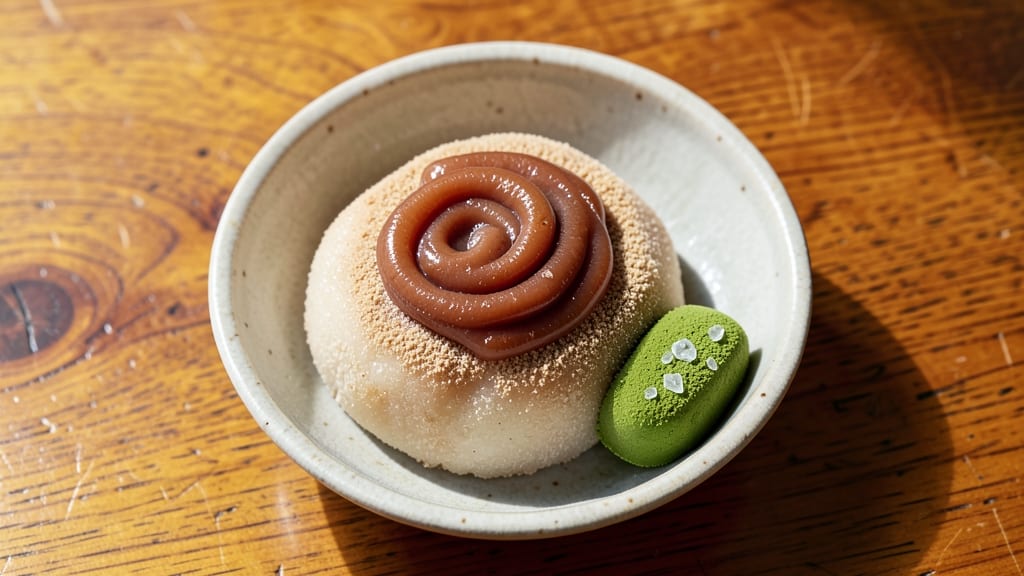
This Japanese mochi rice cake recipe transforms simple glutinous rice flour into delicate, pillowy chews with a satisfying bounce—perfect for matcha lovers and dessert enthusiasts alike. The secret lies in precise dough preparation and gentle steaming, creating those signature soft yet firm textures that make every bite irresistible.
I've perfected this technique over years of testing, ensuring your mochi turns out tender and never gummy.
What sets this recipe apart is its versatility—whether you fill them with sweet red bean paste, earthy kinako, or fresh fruit, each variation delivers a unique flavor experience.
The cultural significance of mochi, often enjoyed during festivals or as a comforting treat, adds an extra layer of meaning to this dessert. With just a few ingredients and a steamer, you'll create restaurant-quality mochi at home, ready to be dipped in matcha or soy glaze for that authentic touch.
Ingredients for japanese mochi rice cake
Twelve essential ingredients transform into delicate, pillowy mochi with authentic Japanese texture and matcha elegance.
| Ingredient | Amount | Notes |
|---|---|---|
| Glutinous Rice Flour 🍚 | 2 cups | High-quality, fine-milled preferred |
| Granulated Sugar 🍬 | ½ cup | Fine grain preferred |
| Water 💧 | 1 ¼ cups | Room temperature, filtered preferred |
| Matcha Powder 🍵 | 1 tbsp | Ceremonial grade for best flavor |
| Red Bean Paste (Anko) 🌱 | 1 ½ cups | Store-bought or homemade |
| Kinako (Roasted Soybean Flour) 🥜 | ¼ cup | For dusting and filling |
| Cornstarch 🌾 | 1 tbsp | For dusting work surface |
| Vegetable Oil 🫒 | 1 tsp | For greasing steamer |
| Soy Sauce Glaze 🍶 | ½ cup | For dipping (optional) |
| Kinako-Sugar Mixture 🍬 | ¼ cup | Combine kinako and sugar |
| Fresh Fruit (Optional) 🍓 | 1 cup | Sliced strawberries, mango, or kiwi |
| Food Coloring (Optional) 🎨 | 1 tsp | Natural plant-based dyes |
The glutinous rice flour is non-negotiable—look for 100% mochiko at specialty Asian markets or online retailers like Amazon or Weee!. Avoid pre-mixed mochi kits; they often contain additives that compromise texture. For matcha, ceremonial-grade powder from Ippodo Tea or Matcha Kari ensures vibrant color and rich flavor. Red bean paste can be found in the Asian aisle of most grocery stores—Koyo or Hana brands are reliable. Kinako should be finely ground and toasted; Marukome offers excellent quality. If using fresh fruit, opt for varieties with high moisture content like mango or strawberries to prevent drying out the mochi during steaming.
No matcha? Vanilla extract or cocoa powder provides a comparable depth, though the visual contrast will differ. Substitute red bean paste with sweetened chestnut paste or even Nutella for a modern twist. For the kinako-sugar mixture, powdered sugar works in a pinch, though the nutty flavor is essential. When working with the dough, avoid overmixing—knead just until smooth to prevent gluten development. If your steamer lacks holes, line it with a steamer basket or parchment paper to ensure even heat distribution. For vibrant colors, use natural plant-based dyes like spirulina or beet powder instead of artificial versions.
Freshly made mochi should be consumed within 2-3 days for optimal texture, though they can be refrigerated for up to 5 days if wrapped tightly in plastic. For longer storage, freeze unfilled mochi dough for up to 3 months; thaw at room temperature before shaping. Filled mochi freezes well too, but the filling may soften upon thawing. To reheat, steam for 2-3 minutes or microwave for 10 seconds to restore the pillowy texture. Dusting with cornstarch prevents sticking during handling, but avoid over-dusting—excess starch can make the exterior dry.
Why You'll Love This Recipe
- No Fuss, No Mess: I swear by this recipe because it’s just glutinous rice flour, sugar, and water—no fancy tools, no stress. Steam it in a bowl, flip it once, and you’re done. My kids think it’s magic.
- Matcha Magic: That first bite of earthy matcha with the chewy mochi? It’s like a hug in cake form. Honestly, the green tea cuts through the sweetness so well, even my coffee-loving husband grabs seconds.
- Party in a Bite: These are my go-to for tea parties, potlucks, or just because. Stuff them with anko for a sweet twist, or keep them plain for a neutral base. They travel well too—no crumbs, no fuss.
- Budget Cheat Code: Glutinous rice flour and sugar are affordable staples, and a little matcha goes a long way. I make a batch, freeze extras, and still have treats for weeks. My wallet and I both win.
Step-by-step instructions for Japanese mochi rice cake
Master the art of creating these delicate, pillowy mochi with precise technique and patience.
Prepare the Matcha Dough Base
In a large mixing bowl, combine the 2 cups glutinous rice flour and 0.5 cup granulated sugar. Gently whisk to eliminate any lumps, ensuring an even distribution of ingredients. This creates a fine, aerated foundation that will develop into the signature chewy texture.
In a separate small bowl, whisk together the 1.25 cups water and 1 tbsp matcha powder until smooth and vibrant green. The matcha should fully dissolve without any visible clumps. This vibrant liquid will infuse the dough with that distinct earthy sweetness characteristic of traditional Japanese mochi.
Create a well in the center of the dry ingredients and gradually pour in the matcha mixture. Use a spatula to gently fold everything together until you form a shaggy dough. Avoid overmixing at this stage—just combine until the ingredients come together into a rough mass. The dough will be quite sticky, which is normal at this point.
Steam the Mochi to Perfect Pillowy Texture
Lightly grease a bamboo steamer with 1 tsp vegetable oil and line it with parchment paper cut to fit. This prevents the mochi from sticking and makes removal much easier. Preheat your steamer by filling the base with 2 inches of boiling water and covering it for 5 minutes to ensure even heat distribution.
Transfer the dough to the prepared steamer and spread it into an even ½-inch thick layer. Use a damp spatula to smooth the surface—this helps create an even thickness that steams uniformly. Cover the steamer and bring the water to a gentle simmer. Steam for 15-18 minutes until the top appears dry to the touch and the edges pull away slightly from the parchment.
Here's the critical moment: the mochi should be fully set but still slightly translucent when viewed from the side. If you press gently with your finger, it should spring back slowly rather than immediately. This indicates perfect doneness—oversteaming will make the mochi gummy rather than chewy.
Prepare and Assemble Fillings
While the mochi steams, prepare the fillings by combining the 1.5 cups red bean paste (anko) with the 0.25 cup kinako-sugar mixture in a small bowl. Mix thoroughly until the anko is evenly coated with the kinako. This creates a balanced sweet-savory filling that complements the matcha perfectly.
If using optional ingredients, prepare the 1 cup fresh fruit by slicing into thin, even pieces and tossing with 1 tsp food coloring if desired. The fruit should be fresh and firm—overripe pieces will release excess moisture that can make the mochi soggy. Keep these components separate until assembly.
Once the steamed mochi has cooled slightly (about 5 minutes), carefully transfer it to a lightly cornstarch-dusted surface. Use a 6-inch round cutter to cut the mochi into 12 even circles. Dust the cutter and surface with 1 tbsp cornstarch between cuts to prevent sticking. The mochi should be pliable but not sticky at this stage.
Assemble and Finish the Mochi
Place 1 tablespoon of the anko mixture in the center of each mochi circle. Using your fingers, gently press the edges toward the center to form a sealed pouch. The dough should be soft enough to mold without tearing. If it resists, let it sit for another 2 minutes to relax.
For the final touch, roll each filled mochi between your palms to create smooth, rounded balls. The surface should be completely sealed with no visible filling showing through. For presentation, you can lightly dust with additional kinako or arrange with the prepared fruit slices on the side.
Serve immediately while still warm for the best texture contrast. The exterior should have a delicate chew while the filling remains soft and spreadable. For an elegant touch, offer the 0.5 cup soy sauce glaze on the side for dipping—this adds a sophisticated sweet-salty balance that complements the matcha perfectly.
Pro Tips For Making Japanese Mochi Rice Cake
- STEAM AT 95°C: I learned this the hard way—mochi needs a gentle steam bath, not a boiling one. Use a pot with a tight lid and a heat diffuser (or a folded towel under the steamer) to keep temps steady. Too hot, and your matcha mochi turns gummy; too cool, and it stays doughy.
- SIFT THE FLOUR FIRST: Glutinous rice flour clumps like crazy when mixed with matcha. Sift it through a fine-mesh sieve before adding sugar or water—this cuts out lumps and makes the batter silky. (Yes, even if it feels like overkill.)
- PRESS WITH A WET HAND: When shaping the mochi around anko, dampen your palm slightly before pressing. The extra moisture prevents the dough from sticking to your hands and ensures a smooth, even surface. Dry hands = crumbly edges.
- CHILL THE DOUGH 30 MINUTES: Skip the rush—let the mixed mochi dough rest in the fridge before shaping. It firms up just enough to hold together when rolled, and the matcha flavor mellows into something richer. (I know, I know, but trust the process.)
Dietary considerations for these flavors
Gluten-Free Adaptation
Traditional mochi relies on glutinous rice flour, which is naturally gluten-free, making this recipe inherently safe for most people with gluten sensitivities. However, if you're using pre-made fillings like store-bought red bean paste, always check labels—some brands include wheat-based thickeners.
For extra caution, opt for certified gluten-free anko or make your own from scratch with chickpea flour as a thickener. The texture remains identical when using high-quality mochiko flour from trusted brands like Weee! or Mochiko King. 🌱
Vegan-Friendly Options
This mochi recipe is naturally vegan if you skip the optional soy sauce glaze, which contains animal-derived ingredients. For a plant-based alternative, substitute with coconut aminos or a vegan soy sauce like San-J Tamari.
The matcha dough itself requires no animal products, but always verify that your red bean paste is vegan—some traditional versions contain honey or gelatin. For a nutty twist, replace kinako with toasted sesame seeds ground into a powder. 🥜
Nut-Free Considerations
The primary allergen concern in this recipe comes from kinako (roasted soybean flour), which is derived from soybeans. If you're avoiding nuts and soy, replace kinako with a powdered sugar mixture or toasted coconut flakes for dusting.
For the filling, choose fruit-based pastes like sweetened mashed banana or apricot jam instead of red bean paste. Always double-check your matcha powder for cross-contamination warnings, as some brands process in facilities handling tree nuts. 🌰
Low-Sugar Adjustments
While mochi traditionally includes sugar for sweetness, you can reduce the 0.5 cup granulated sugar by half without compromising texture. Replace the remaining sugar with erythritol or monk fruit sweetener for a low-glycemic option—just be aware these may slightly alter the chewiness.
For the kinako-sugar mixture, use unsweetened kinako and a sugar substitute like allulose for a 1:1 ratio. The matcha's natural bitterness helps balance any sweetness reduction, so taste as you go. 🍬
Allergen-Free Fillings
For a completely allergen-free experience, create custom fillings using coconut yogurt mixed with freeze-dried fruit powder or avocado purée for creaminess. Skip the red bean paste entirely and opt for sweet potato purée (cooked and mashed) combined with a touch of vanilla extract.
If using fresh fruit, choose honeydew melon or peaches—their natural pectin helps bind the filling without additional thickeners. Always prepare fillings separately to avoid cross-contamination. 🍑
Nutrition facts
Frequently asked questions
Can I make mochi without a bamboo steamer?
Use a metal steamer basket lined with parchment paper or even a heatproof plate in a pot with boiling water. The key is maintaining gentle steam for 15-18 minutes—just avoid direct contact with water. If you don't have a steamer at all, try a microwave method: spread the dough on a microwave-safe plate, cover with a damp paper towel, and cook on high for 3-4 minutes (check for doneness at 2 minutes).
Why did my mochi turn out gummy instead of chewy?
Oversteaming is the #1 culprit! Remove the mochi when it's just set—the edges should pull away slightly from the parchment but still look slightly translucent. If it feels sticky, it needs more time; if it's dry and crumbly, it was overdone. Also check your flour-to-water ratio: too much water makes gummy mochi. For reference, the dough should be pliable but not sticky when handling.
What's the best way to store homemade mochi?
For short-term storage (up to 3 days), keep filled mochi in an airtight container between layers of parchment paper. Refrigerate for best texture—they'll last 5 days this way. For longer storage, freeze unfilled mochi dough for 3 months or filled mochi for 2 months. Thaw overnight in the fridge, then steam for 1-2 minutes to restore texture. Never microwave frozen mochi directly.
Can I make mochi with regular rice flour instead of glutinous rice flour?
Not recommended! Regular rice flour lacks the sticky, elastic properties that create mochi's signature chew. The result will be dry and crumbly. If you absolutely must substitute, try sweet rice flour (mochiko) from Asian markets—it's the only alternative that works. For a similar texture, you could also experiment with tapioca starch mixed with cornstarch, but the flavor and mouthfeel won't be authentic.
How do I make colorful mochi like at festivals?
Use natural food coloring mixed into the dough before steaming. Try matcha for green, beet powder for pink, or turmeric for yellow. For vibrant results, add 1 tsp coloring per 2 cups flour. Pro tip: Divide the dough into portions, color each batch separately, then steam all together. Avoid artificial dyes—they can alter the flavor. For white mochi, omit the matcha and use unsweetened kinako for dusting.