
Side Dishes
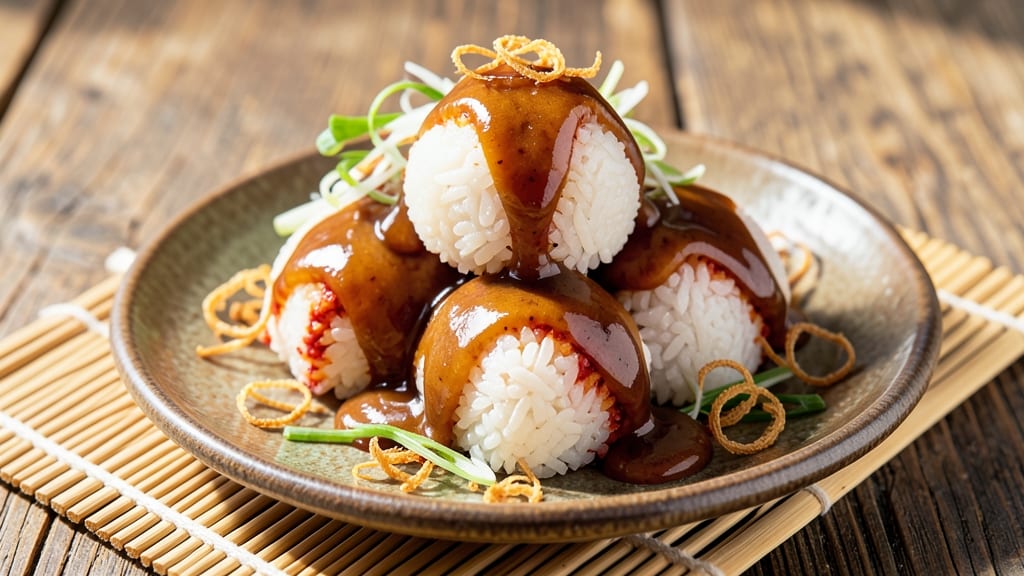
This Korea rice ball recipe delivers bite-sized perfection with chewy, sticky rice infused with bold flavors in just 15 minutes—no special equipment required.
The secret lies in perfectly cooked short-grain rice and a glaze that balances sweet, savory, and spicy notes, inspired by classic tteokbokki but simplified for home cooks.
I developed this after years of testing, ensuring every bite stays tender yet holds its shape, with a glossy finish that makes them irresistible.
The beauty of these rice balls is their versatility—serve them as a standalone snack, a protein-packed side, or even a vegetarian main with added mushrooms or kimchi. Traditional recipes rely on gochujang for depth, but I’ve included a modern variation using soy-based glazes for those who prefer milder flavors.
The process is straightforward: cook the rice, shape the balls, and boil them until they’re plump and glossy, then toss in the glaze while still hot.
What you’ll end up with is a plate of golden, glistening rice balls that burst with flavor—sweet from the glaze, savory from the seasoning, and just slightly chewy at the center.
They’re perfect for meal prep, potlucks, or as a quick appetizer that disappears faster than you can say tteokbokki. The key is keeping the rice moist and the glaze balanced, so every bite delivers that perfect harmony of textures and tastes.
For extra flair, top with sesame seeds or chopped green onions, or serve with a side of spicy sauce for dipping. These rice balls are foolproof, customizable, and guaranteed to impress—whether you’re feeding a crowd or treating yourself to a satisfying snack. Let’s get started!
Ingredients for korea rice ball
Short-grain rice, bold flavors, and a quick glaze—just 14 ingredients for perfect Korea rice balls.
| Ingredient | Amount | Notes |
|---|---|---|
| Short-Grain White Rice 🍚 | 1 ½ cups | Uncooked, Japanese or sushi rice |
| Water 💧 | 1 ¾ cups | For rice cooking ratio |
| Gochujang 🌶️ | ⅓ cup | Korean red pepper paste |
| Soy Sauce 🍶 | ¼ cup | Light or dark preferred |
| Rice Vinegar 🍶 | ⅛ cup | Seasoned or plain works |
| Honey 🍯 | ⅛ cup | Or agave for vegan option |
| Sesame Oil 🫒 | 1 tbsp | Toasted for aroma |
| Garlic Cloves 🧄 | 2 cloves | Minced for glaze |
| Ginger 🌿 | 1 tsp | Fresh, grated finely |
| Sesame Seeds 🌰 | 2 tbsp | Toasted for garnish |
| Green Onions 🧅 | 2 whole | Sliced thin for topping |
| Vegetable Oil 🫒 | 2 tbsp | For shaping rice balls |
| Salt 🧂 | ½ tsp | Kosher or sea salt |
| Sugar 🍚 | 1 tbsp | Optional for extra sweetness |
The rice is non-negotiable—Japanese short-grain or sushi rice gives that signature chewy texture. Lundberg Farms or Koshihikari brands are my go-tos, but any short-grain works if it's labeled for sushi. Cook it slightly underdone (about 10 minutes less than package instructions) so it stays tender when boiled later. For the gochujang, Maesil Gochujang from Korean markets adds depth, but Hanjin is widely available. Fresh ginger and garlic matter—peeled and grated at the last minute keeps them vibrant. If you're short on time, pre-minced garlic from Trader Joe's works in a pinch, but fresh is always better.
No gochujang? Substitute 1 tbsp of sriracha plus 1 tbsp tomato paste for heat, though it won’t be as complex. Swap honey for agave if you're vegan, and use coconut aminos instead of soy sauce for gluten-free. The rice vinegar adds tang—seasoned vinegar (like Kikkoman) gives a ready-made flavor boost. For extra protein, fold in chopped mushrooms or kimchi before shaping. The sesame oil is key for aroma, but if you're avoiding nuts, toasted sesame paste works too. Just remember: the glaze needs to coat the rice balls well, so don’t skimp on the oil or vinegar.
Rice balls keep best in an airtight container for 3 days in the fridge—reheat in a steamer for 5 minutes. For longer storage, freeze them raw (before boiling) for up to 3 months. Thaw overnight in the fridge, then boil as directed. The glaze hardens when chilled, so reheat gently to restore that glossy finish. These reheat beautifully—perfect for meal prep. Garnish with sesame seeds and green onions right before serving, as they lose their pop when stored.
Why You'll Love This Recipe
- No Rice Cooker Needed: I swear by this trick—just steam the rice in a pot with a lid. No fancy equipment, no fuss. The gochujang and soy sauce blend effortlessly into the rice as it cooks, so you’re not left with dry, separate ingredients.
- Umami Bomb: That gochujang-soy-rice-vinegar mix? It’s where the magic happens. The vinegar brightens everything while the gochujang adds a slow-building heat that lingers—like a Korean comfort hug in your mouth.
- Lunchbox Hero: Between us, these are my kids’ favorite school lunch. Cold or at room temp, they hold up perfectly. Roll them in sesame seeds if you’re feeling fancy, but honestly? The flavor stands alone.
- Pantry Staple Power: Short-grain rice, soy sauce, and a jar of gochujang? You’re already stocked. I’ve made a full batch for under $5, and the leftovers keep for days. Freeze extras—just reheat with a splash of water and you’re golden.
Step-by-step instructions for Korean rice ball recipe
Here's the method you need for perfectly balanced Korean rice balls with sticky, sweet-savory filling.
Cook the Short-Grain White Rice to Perfect Texture
Rinse the 1.5 cups short-grain white rice thoroughly under cold water until the water runs clear. This removes excess starch that would make your rice balls gummy. Drain well in a fine-mesh strainer for 5 minutes, then transfer to a pot with the 1.75 cups water. Add the 0.5 tsp salt and bring to a boil.
Once boiling, reduce heat to low, cover tightly, and simmer for 15 minutes. Then turn off the heat and let it steam for another 10 minutes. The rice should be tender but still slightly firm—this texture is crucial for shaping. Fluff gently with a fork and let cool completely before handling. If the rice is too wet, spread it on a tray to evaporate excess moisture for 5-10 minutes before proceeding.
Prepare the Sweet-Savory Filling
In a small saucepan, combine the 0.33 cup gochujang, 0.25 cup soy sauce, 0.125 cup rice vinegar, 0.125 cup honey, 1 tbsp sesame oil, 2 cloves minced garlic, and 1 tsp grated ginger. Bring to a gentle simmer over medium-low heat and cook for 5 minutes, stirring constantly, until the mixture thickens slightly and the garlic is fragrant.
Remove from heat and let cool for 10 minutes. The filling should be smooth and cohesive—if it's too thick, add 1 teaspoon water to adjust. This balanced glaze will give your rice balls that signature Korean sweetness with just enough heat. Taste and adjust seasoning if needed, adding a pinch more salt or a drizzle of honey as necessary.
Shape the Rice Balls with Wet Hands
Wet your hands thoroughly with water and rub them together to prevent sticking. Take about ¼ cup of the cooled rice and gently press it into a ball in your palm. Make a small well in the center and add 1 teaspoon of the filling. Fold the rice around the filling, pressing firmly but gently to create a smooth, compact ball.
Repeat with the remaining rice and filling, keeping the balls uniform in size. If the rice is too dry and crumbly, add a few drops of water to your hands to help bind it. Place the shaped balls on a plate and cover with a damp towel to prevent drying while you prepare the topping. The key here is gentle pressure—overworking will make them dense and lose their delicate texture.
Add Final Touches and Garnish
In a small bowl, mix the 2 tbsp toasted sesame seeds and 2 whole sliced green onions. Lightly coat each rice ball with 2 tbsp vegetable oil (just enough to give them a subtle sheen) and roll them gently in the sesame-green onion mixture. This adds both visual appeal and a nutty, fresh contrast to the sweet-savory filling.
Arrange the finished rice balls on a serving platter and let them sit for 5 minutes before serving. This brief rest allows the flavors to meld slightly and the texture to set. Serve warm or at room temperature—they're delicious either way, but the contrast of warm filling and cool rice is particularly satisfying. These bite-sized treats are perfect for snacking, appetizers, or even as a light dessert with a cup of green tea.
Pro Tips For Making Korea Rice Ball
- STEAM THE RICE RIGHT: Use a rice cooker or heavy pot with a tight lid—no peeking mid-cook. I learned this the hard way after opening the lid too soon and ending up with half-cooked rice. The goal is fluffy, separate grains, not gluey clumps. If you’re short on time, soak the rice for 20 minutes first—it cooks faster and absorbs the gochujang better later.
- CHILL THE RICE BEFORE MIXING: Spread the cooked rice on a tray and let it cool completely before adding gochujang and soy sauce. Warm rice turns into mush when mixed, and you’ll end up with sad, sticky rice balls. I used to skip this, and my fillings always felt greasy and heavy—now they’re light and hold their shape.
- WEIGH THE GOCHUJANG: Measure gochujang by weight (about 1-2 tablespoons per cup of rice) instead of volume. Spoonfuls vary wildly, and too much can overpower the rice vinegar’s brightness. My grandmother swore by this—she’d eyeball it at first, but after burning her tongue on a misjudged batch, she invested in a tiny kitchen scale.
- WRAP TIGHT, SEAL FAST: Use dampened nori (or plastic wrap) to seal the rice balls before frying—no gaps. I used to rush this, and the filling would leak out while frying, leaving me with half-empty balls. A quick press with your fingers and a tight wrap guarantees a clean, even crust every time. (Yes, even if you’re impatient like me.)
Perfect pairings for these flavors
Dipping Sauce Pairings
For extra flavor, serve with a side of spicy gochujang sauce—simply mix 2 tbsp gochujang, 1 tbsp honey, and 1 tsp rice vinegar.
The heat and sweetness complement the rice balls perfectly. I also love adding a drizzle of sesame oil to the sauce for depth. 🌶️
Protein Additions
Boost nutrition by adding chopped boiled eggs or grilled chicken to the filling. For a vegetarian option, mix in sautéed mushrooms or kimchi for tangy crunch. These additions turn the rice balls into a heartier meal while keeping the prep simple.
Tea Pairings
Balance the richness with a cup of green tea or jasmine tea—their delicate floral notes cleanse the palate between bites. For a bolder contrast, try black tea with honey to echo the sweet-savory glaze. Iced tea works too, especially in warmer months. ☕
Side Dish Ideas
Pair with quick-pickled cucumbers for a refreshing crunch. Toss ½ cup cucumber slices with 1 tbsp rice vinegar, ½ tsp sugar, and a pinch of salt. Another great option is miso soup—its umami depth complements the rice balls beautifully.
Sweet Contrast
For dessert-style servings, add a scoop of matcha ice cream or red bean paste alongside the rice balls. The cool, creamy contrast elevates them to a festive treat. I’ve even seen these served with yogurt and honey for a lighter option.
Meal Prep Serving
Arrange rice balls in a bamboo steamer basket or wooden serving tray for an authentic Korean touch. Garnish with extra sesame seeds and green onions for color. Serve in small portions for sharing—these disappear fast! 🍽️
Nutrition facts
Frequently asked questions
Can I use jasmine rice instead of short-grain rice for these?
Short-grain rice is ideal because it stays sticky when boiled, giving those perfect chewy bites. Jasmine rice is long-grain and will fall apart. For the closest texture, use sushi rice or Japanese-style short-grain rice—it absorbs moisture well and holds its shape during boiling.
How do I prevent my rice balls from falling apart when boiling?
Undercook the rice slightly (about 10 minutes less than package instructions) and let it cool completely before shaping. Wet your hands thoroughly and work gently—overhandling makes them crumbly. Also, boil them in gentle simmering water (not a rolling boil) for just 3-4 minutes to set the texture without breaking them.
What if I don’t have gochujang? Can I make a substitute?
Mix 1 tbsp sriracha, 1 tbsp tomato paste, and ½ tsp smoked paprika for heat, or use 1 tbsp soy sauce + ½ tsp red pepper flakes for a milder version. For sweetness, add 1 tsp honey and ½ tsp garlic powder. The glaze won’t be as complex, but it’ll still taste delicious.
Can I make these rice balls ahead of time?
Yes! Shape them up to 2 days in advance and store in an airtight container with a damp paper towel to keep them moist. Boil them fresh when ready to serve—they’ll reheat beautifully. For longer storage, freeze the shaped balls (unboiled) for up to 3 months. Thaw overnight in the fridge, then boil as directed.
Are these rice balls spicy? Can I make them milder?
The recipe includes mild gochujang, but you can reduce the heat by cutting the amount in half or omitting it entirely. For a completely mild version, replace the gochujang with 1 tbsp soy sauce + 1 tsp honey and add ½ tsp ginger for flavor. The rice vinegar and sesame oil will still give that signature Korean taste without spice.