
Desserts
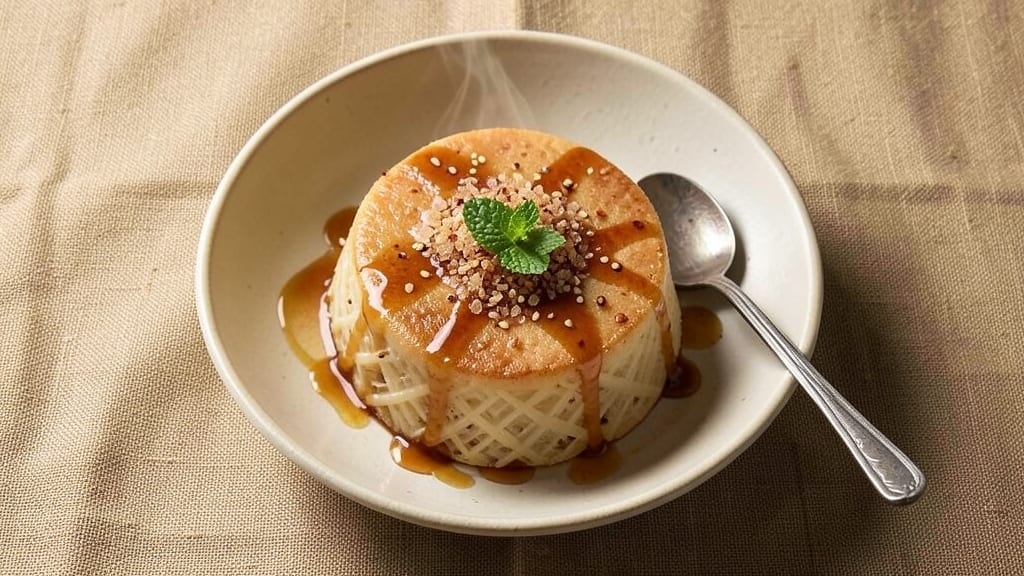
This Korean steamed rice cake recipe delivers the perfect balance of soft, sticky texture and delicate sweetness that makes every bite unforgettable. The traditional method involves blending glutinous rice flour into a smooth batter, then shaping it around sweet fillings like sesame seeds or honey before steaming to golden perfection.
I first discovered these cakes during a visit to a Korean bakery, where the aroma of steaming rice and caramelized sugar filled the air—now I recreate that magic at home.
The key to success lies in the rice flour batter, which must be smooth and properly rested before shaping. Traditional versions use honey or sesame paste for filling, but modern variations include red bean paste or even chocolate for a Western twist.
Steaming time is critical—too short and the centers stay doughy, too long and the edges overcook. With the right technique, you'll achieve that signature tender-yet-firm texture that melts in your mouth.
What makes these rice cakes special is their versatility—they're equally at home as a festive dessert or a comforting snack. Serve them warm with a dusting of powdered sugar for an elegant presentation, or pair with a savory soup like doenjang jjigae to balance the sweetness.
The subtle caramelized flavor from the steaming process creates depth that makes them far more interesting than store-bought versions.
This recipe yields about 12 small cakes, perfect for sharing or gifting. The process takes roughly 2 hours from start to finish, but most of that time is hands-off steaming.
Whether you're preparing for a Korean celebration or simply craving a taste of tradition, these steamed rice cakes will deliver restaurant-quality results with homemade authenticity.
Ingredients for korean steamed rice cake
Gather these essential ingredients for restaurant-quality Korean steamed rice cakes at home.
| Ingredient | Amount | Notes |
|---|---|---|
| Glutinous Rice Flour 🍚 | 2 cups | Also called sweet rice flour |
| Water 💧 | 1 ½ cups | Room temperature preferred |
| Granulated Sugar 🍚 | ½ cup | Adjust for sweetness preference |
| Sesame Seeds 🌰 | ¼ cup | Toasted for enhanced flavor |
| Honey 🍯 | ¼ cup | Or red bean paste for variation |
| Vegetable Oil 🫒 | 2 tbsp | For greasing steamer baskets |
| Powdered Sugar 🍚 | ¼ cup | For dusting finished cakes |
| Baking Soda 🧂 | ½ tsp | For fluffier texture |
| Salt 🧂 | ¼ tsp | Kosher or sea salt |
| Vanilla Extract 🌸 | 1 tsp | Optional for subtle fragrance |
| Sesame Oil 🫒 | 1 tbsp | For brushing finished cakes |
The glutinous rice flour is non-negotiable—Bob's Red Mill or Korean markets carry the best quality. Look for a fine, smooth texture without grit. If you can't find sesame seeds, toasted pine nuts work as a nutty alternative. The honey should be pure, with no added fillers—local raw honey adds depth. For the red bean paste variation, Asian grocery stores sell the perfect sweet-salty balance, or make your own with azuki beans and sugar. The baking soda is key for that signature tender crumb, so don't skip it—it's not just a leavening agent here, but a texture enhancer.
No sesame oil? Light olive oil works in a pinch, though it lacks the nutty aroma. Running short on honey? Maple syrup at half the amount keeps things sweet. The vanilla extract is truly optional—some traditional recipes skip it entirely, but I find it adds a lovely complexity. For a chocolate twist, replace the honey with melted dark chocolate (60% cocoa or higher). The powdered sugar should be sifted before dusting for that professional finish. If you're making these ahead, store the batter in an airtight container for up to 3 days—just remember to bring it to room temperature before shaping.
These cakes keep beautifully—3 days at room temperature wrapped in a damp towel to maintain moisture, or 1 month in the fridge. For longer storage, freeze shaped cakes (unsteamed) for up to 3 months. Reheat steamed cakes in a dry skillet over low heat for 2-3 minutes per side to restore their warm, comforting texture. I always make a double batch—they disappear fast, especially when dusted with powdered sugar and served warm with a cup of green tea.
Why You'll Love This Recipe
- No-Fuss Steaming: I swear by the steamer basket method—just pour the batter, cover, and walk away. No fancy equipment, no watching the clock like with other baked goods.
- Sweet & Nutty Magic: That honey-sugar glaze caramelizes into a sticky, fragrant crust, while the toasted sesame seeds add crunch. It’s the kind of dessert that makes you pause mid-bite.
- Breakfast or Snack Hero: I keep these in the fridge for quick energy—eat cold with coffee, reheated for a warm treat, or even packed in lunches. They’re the ultimate grab-and-go.
- Pantry Stash Winner: Uses simple ingredients you already have, and the batter keeps for days. Make a big batch, freeze extras, and thank me later when you’re not scrambling for dessert ideas.
Step-by-step instructions for Korean steamed rice cake
Here’s how to create tender, aromatic rice cakes with perfect texture and balance.
Prepare the Batter with Glutinous Rice Flour
In a large mixing bowl, combine the 2 cups glutinous rice flour, 0.5 cup granulated sugar, 0.5 tsp baking soda, and 0.25 tsp salt. Whisk gently to distribute the dry ingredients evenly. This step ensures the flour absorbs moisture uniformly, preventing dense pockets in the final cake.
Next, create a well in the center and pour in the 1.5 cups water, 0.25 cup honey, and 1 tsp vanilla extract. Gradually mix with a spatula, incorporating the liquids until a thick, smooth batter forms. The batter should resemble pancake batter in consistency—thick but pourable. If it’s too stiff, add 1 tablespoon water at a time until it reaches the right texture.
Incorporate Sesame Seeds and Oil
Add the 0.25 cup sesame seeds to the batter and fold them in gently to distribute evenly. Toasting the sesame seeds beforehand enhances their nutty flavor, but if untoasted, simply mix them in as-is. The seeds will add texture and aroma to each bite.
Drizzle in the 2 tbsp vegetable oil and mix thoroughly. The oil helps create a tender crumb and prevents the cakes from sticking to the steamer. The batter should now be smooth, glossy, and ready for steaming. If it’s too thick, add 1-2 teaspoons water to loosen it slightly.
Steam the Batter to Perfection
Lightly grease a steamer basket or heatproof dish with 1 tbsp sesame oil to prevent sticking. Pour the batter evenly into the prepared steamer, spreading it to about ½-inch thickness. The oil ensures the cakes release cleanly and develop a subtle nutty aroma.
Place the steamer over a pot of boiling water, ensuring the water doesn’t touch the bottom of the steamer. Cover with a lid and steam over medium-high heat for 20-25 minutes, until the top is set and the edges pull away slightly from the sides. The cakes should feel firm to the touch but still soft inside—oversteaming will make them dry.
Dust and Serve with Finishing Touches
Remove the steamed cakes from the steamer and let them cool for 5 minutes. While still warm, dust the top generously with 0.25 cup powdered sugar using a fine-mesh sieve. This adds a delicate sweetness and enhances the visual appeal. For extra flavor, lightly brush the sides with 1 tbsp sesame oil before serving.
Slice the cakes into squares or diamonds and serve warm. The texture should be soft yet firm, with a slight chewiness from the glutinous rice flour. The powdered sugar dusting and sesame oil add layers of flavor, balancing the natural sweetness of the honey and rice.
Pro Tips For Making Korean Steamed Rice Cake
- Steam Gently: Start with a rolling boil for the batter, then drop the heat to a barely simmer—think tiny bubbles, not a roaring pot. I learned this the hard way when my first batch turned out gummy instead of chewy; the right heat keeps the texture just right.
- Sift That Flour: Don’t just dump the glutinous rice flour—sift it through a fine-mesh strainer to break up clumps. I used to ignore this, and my cakes always had dense pockets. A quick sift makes the batter smoother and the final texture lighter.
- Skip the Overmixing: Stir the batter just until the sugar and honey dissolve—maybe 10-15 seconds. Overmixing makes the cakes tough. I know, it feels like you’re not doing enough, but trust the process.
- Toast Sesame Seeds: Dry-toast the sesame seeds in a pan for 2-3 minutes until golden and fragrant before mixing them in. Raw seeds just don’t add the same depth of flavor. (Yes, even if you’re impatient like me.)
Make-ahead tips for korean steamed rice cake
Batter Prep Ahead
Prepare the rice flour batter up to 24 hours in advance and store it in an airtight container at room temperature. I find this gives the flour time to fully hydrate, resulting in a smoother, more cohesive texture when shaping.
Cover the container with plastic wrap pressed directly onto the surface to prevent a skin from forming. When ready to use, give it a quick stir—no need to adjust the consistency further. 💫
Steamer Setup
Assemble your steamer the night before if possible. Fill the pot with 2 inches of water and place a steamer rack or heatproof plate inside. Store the empty steamer in a cool, dry place until ready to use.
This eliminates last-minute setup stress and ensures your steamer is ready when the batter is. Pro tip: Use a stainless steel steamer for even heat distribution and easy cleaning. ✨
Filling Variations
Prep your fillings (like sesame paste or red bean paste) the day before and store them in small containers in the fridge. For honey-based fillings, mix the honey with 1 tsp cornstarch to thicken it slightly—this helps it hold its shape better when wrapped.
I like to portion the filling into ½ teaspoon amounts using a small spoon for consistent results. 🍯
Shaping Shortcuts
Use a 1-inch round cookie cutter to create uniform cake shapes instead of hand-rolling. Dip the cutter in warm water between uses to prevent sticking. For extra speed, line a baking sheet with parchment paper and shape all your cakes on it before steaming.
This keeps them organized and makes the transfer to the steamer effortless. 💡
Steaming Batch Control
Divide the batter into 2 equal portions and steam them separately if your steamer can't handle the full amount. This prevents overcrowding, which can lead to uneven cooking. I steam the first batch, then immediately clean and oil the steamer before the second batch.
The total steaming time remains the same, but you'll achieve more consistent results. 🔥
Storage Solutions
Steamed cakes can be stored in an airtight container at room temperature for 3 days or in the fridge for 1 week. For longer storage, freeze the shaped cakes (unsteamed) on a tray before transferring to a bag.
When ready to serve, steam them for 5 minutes to restore their soft texture. I always reheat mine in the steamer—microwaving can make them rubbery. ❄️
Nutrition facts
Frequently asked questions
Can I make these rice cakes without a steamer?
Yes! If you don't have a steamer, use a bamboo basket lined with cheesecloth or a heatproof plate that fits snugly in a pot. Place a trivet or rack inside to keep the cakes above the water. For even cooking, cover with a tight lid and steam over medium-high heat for 20-25 minutes. The key is maintaining steady moisture—add boiling water as needed to prevent drying.
What's the best filling besides sesame seeds?
Try red bean paste for a classic sweet-salty combo, or chocolate for a modern twist. For a nutty flavor, mix chopped pistachios or almonds with honey. Traditional versions also use 1 tsp cornstarch mixed into honey fillings to prevent leakage during steaming. Portion fillings into ½-teaspoon amounts for consistent results.
Why did my rice cakes turn out dry?
Oversteaming is the most common cause—remove them when the edges pull away but the center still feels slightly soft. Another issue is insufficient moisture in the batter: ensure your 1.5 cups water is room temperature and properly incorporated. For extra tenderness, brush the steamed cakes with 1 tbsp sesame oil before serving.
Can I make these gluten-free?
Yes! Replace the glutinous rice flour with a 1:1 gluten-free rice flour blend (like Bob's Red Mill) and add 1 extra tbsp water per cup of flour. The texture will be slightly less chewy but still delicious. For binding, include ½ tsp xanthan gum in the dry ingredients. The steaming time remains the same, but check for doneness at 18 minutes.
How do I store leftovers?
Keep steamed cakes in an airtight container at room temperature for 3 days, or refrigerate for 1 week. For longer storage, freeze shaped (unsteamed) cakes on a tray, then transfer to a bag. Reheat in the steamer for 5 minutes—microwaving makes them rubbery. To revive dryness, brush with warm sesame oil before serving.