
Main Courses
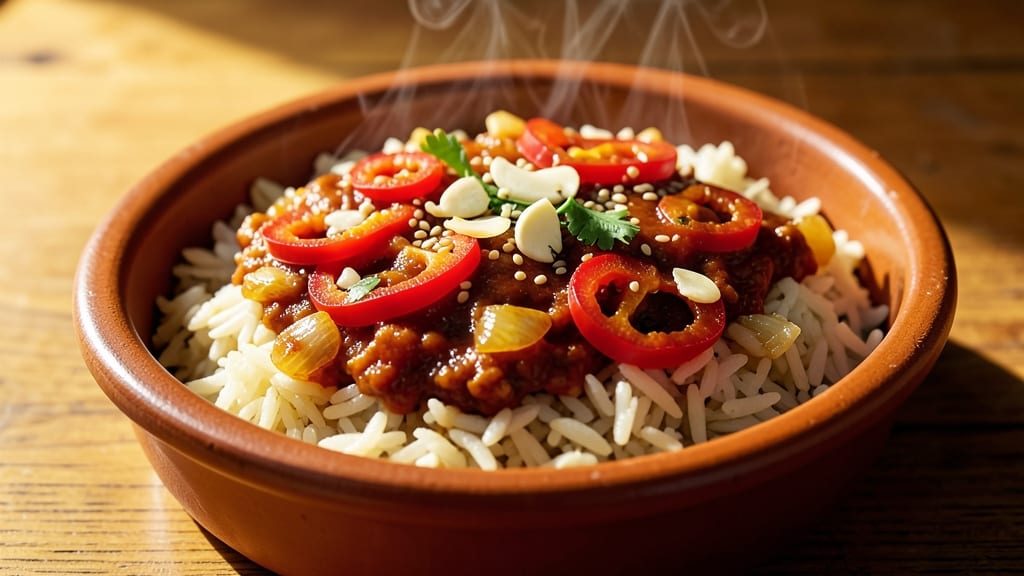
This Liberian jollof rice recipe brings bold West African flavors to your table in a single aromatic pot, where tomato paste, palm oil, and peppers create a deep, savory base that transforms simple rice into a vibrant centerpiece. 🌟 The dish is a staple in Liberian cuisine, often served at celebrations and family gatherings, and its rich, slightly spicy profile makes it unforgettable—once you try it, you’ll understand why it’s a favorite across the continent.
The secret lies in parboiling the rice first, then layering it with a blend of spices and slow-cooked tomatoes until the grains absorb the flavors perfectly.
Traditional Liberian jollof relies on ingredients like red bell peppers, garlic, and ginger for depth, while palm oil adds a distinctive earthy richness that sets it apart from other West African versions.
This method ensures tender rice with just the right balance of heat and sweetness, all without requiring multiple pots or complicated techniques.
By the time you serve it, your kitchen will smell like a Liberian feast, and every bite will deliver that perfect harmony of smoky, spicy, and slightly sweet notes.
The dish pairs beautifully with fried plantains, coleslaw, or grilled meats, making it a complete meal that’s as impressive as it is satisfying. Whether you’re cooking for a crowd or treating yourself to a taste of West Africa, this recipe delivers restaurant-quality results with minimal effort.
Ready to master the technique? The key is patience—letting the spices bloom and the rice cook slowly ensures every grain is infused with flavor. Once you taste the difference, you’ll never go back to store-bought versions. Let’s get started!
Ingredients for liberian jollof rice
Bold West African flavors start with these simple yet transformative ingredients.
| Ingredient | Amount | Notes |
|---|---|---|
| Long-Grain White Rice 🍚 | 2 cups | Uncooked, rinsed thoroughly |
| Tomato Paste 🍅 | ⅓ cup | Smooth, no sugar added |
| Red Bell Peppers 🌶️ | 2 whole | Seeded, chopped fine |
| Yellow Onions 🧅 | 1 large | Chopped, about 1.5 cups |
| Fresh Ginger 🌿 | 1 inch | Peeled, grated finely |
| Garlic Cloves 🧄 | 6 cloves | Peeled, minced finely |
| Palm Oil 🫒 | ¼ cup | Red variety preferred |
| Yellow Onions 🧅 | 1 cup | Chopped, for cooking |
| Scotch Bonnet Peppers 🌶️ | 2 whole | Seeded, chopped fine |
| Ground White Pepper 🌶️ | 1 tsp | Freshly ground preferred |
| Ground Nutmeg 🌿 | ½ tsp | Freshly grated if possible |
| Ground Cinnamon 🌿 | ½ tsp | Sweet variety |
| Salt 🧂 | 1 ½ tsp | Adjust to taste |
| Vegetable Oil 🫒 | ¼ cup | For cooking onions |
| Chicken or Vegetable Broth 💧 | 2 cups | Low-sodium preferred |
Palm oil is the soul of Liberian jollof—look for red palm oil at African markets or specialty stores like African & Caribbean Foods Market. If unavailable, vegetable oil plus a pinch of paprika mimics the color (though not the flavor). The Scotch bonnet peppers add heat, so adjust based on your tolerance—seeds removed means less spice. For ginger and garlic, freshly grated and minced delivers the best flavor, but jarred works in a pinch. The tomato paste should be smooth and unsweetened—check the label to avoid artificial flavors.
No palm oil? Vegetable oil plus 1 tsp smoked paprika gets you close, though the flavor won’t be identical. Subbing red bell peppers for Scotch bonnet? Use half the amount and add a pinch of cayenne. Fresh ginger and garlic are ideal, but dried ginger at half the amount works if needed. For the rice, jasmine or basmati can replace long-grain white, though the texture differs slightly. The broth? Homemade is best, but low-sodium store-bought saves time.
Prep the rice by rinsing it until the water runs clear—this removes excess starch for fluffier grains. Palm oil keeps for 6-12 months in the pantry, while fresh ginger lasts 2 weeks in the fridge. The cooked jollof reheats beautifully—add a splash of broth if it dries out. Store leftovers for 4-5 days or freeze for 3 months. Double the recipe for crowds—it’s always a hit.
Why You'll Love This Recipe
- One-Pot Magic: I swear by this dish for lazy Sundays—just rice, tomato paste, and a handful of veggies simmering together. No fancy gadgets, no extra pots; the onions and ginger caramelize right into the sauce while you stir.
- Tomato Paste Secret: That thick, rich paste is the soul of this recipe. One spoonful transforms simple rice into something deep—smoky, sweet, and tangy all at once. (Yes, even my picky husband asks for seconds.)
- Budget Bright Spot: Fresh ginger and bell peppers add color and zing for pennies. A single onion and a can of tomatoes stretch into a meal that feels fancy but costs next to nothing. Honestly, my wallet thanks me every time.
Step-by-step instructions for Liberian jollof rice
Here's how to build this vibrant, spice-forward one-pot masterpiece that delivers bold West African flavors.
🍳 Step 1: Sauté the Aromatics in Palm Oil
Heat the 0.25 cup palm oil in a heavy-bottomed pot over medium heat until it shimmers but doesn't smoke. Add the 1 cup chopped yellow onions and cook for 5 minutes until they soften and begin to caramelize at the edges.
Here's the thing—Liberian jollof relies on that deep, nutty palm oil flavor. Don't skip this step or use vegetable oil instead. Add the 1 inch finely grated ginger and 6 minced garlic cloves, cooking for another 2 minutes until fragrant. You'll smell that aromatic punch building—this is your flavor foundation.
🍳 Step 2: Build the Spice Base with Peppers and Tomato Paste
Increase heat to medium-high and add the 2 chopped red bell peppers and 2 chopped scotch bonnet peppers. Stir for 3-4 minutes until the peppers soften and the scotch bonnet releases its signature heat. Watch carefully—if the oil starts to smoke, reduce heat slightly.
Now stir in the 0.33 cup tomato paste, spreading it evenly over the peppers. Cook for 5 minutes until the mixture darkens and develops a rich, jammy consistency. This step transforms raw ingredients into the signature jollof sauce base. The tomato paste acts as a thickener while deepening the flavor—don't rush this cooking time.
🥘 Step 3: Season and Add Rice
Reduce heat to medium-low and add the 1.5 tsp salt, 1 tsp ground white pepper, 0.5 tsp ground nutmeg, and 0.5 tsp ground cinnamon. Stir for 1 minute to toast the spices briefly—this activates their flavors. Add the 2 cups rinsed long-grain white rice, coating each grain with the spiced oil.
Here's where it gets fun—the rice should look like it's wearing a flavorful armor. Pour in the 2 cups chicken or vegetable broth and stir gently. The liquid should just cover the rice—this ensures perfect absorption without making it mushy. Let the mixture simmer uncovered for 5 minutes to let the rice absorb some initial liquid and flavors.
🔥 Step 4: Cook to Perfect Texture
Cover the pot tightly with a lid and reduce heat to low. Cook for 25-30 minutes without lifting the lid. You're aiming for rice that's tender but still has a slight bite—Liberian jollof should be firm, not mushy. If the top seems dry after 20 minutes, carefully add 2-3 tablespoons water and stir gently.
This is the moment that matters: when the rice is fully cooked but still holds its shape. You'll know it's ready when the grains are tender but still distinct, and the liquid has been completely absorbed. The pot should be dry at the bottom, with just a thin layer of sauce clinging to the rice. If it's still wet, continue cooking uncovered for another 5 minutes—this prevents soggy rice.
⏰ Step 5: Rest and Serve
Remove from heat and let the jollof rice rest covered for 10 minutes. This resting period allows the flavors to meld and the rice to finish absorbing any remaining moisture. I know it's tempting to dig in immediately, but trust me—this step makes all the difference in the final texture.
Fluff the rice gently with a fork before serving. The finished dish should have vibrant red color from the tomato and peppers, with a rich aroma of spices. Each bite should deliver perfectly balanced heat from the scotch bonnet, sweetness from the tomato, and earthy depth from the palm oil. Serve with grilled chicken or fried plantains for an authentic Liberian meal.
Pro Tips For Making Liberian Jollof Rice
- Bloom the Tomato Paste: Heat your oil until it shimmers, then add the tomato paste in a thin, even layer—this prevents clumping and ensures it caramelizes properly. I used to just dump it in raw, and my sauce always tasted flat and chalky.
- Sweat the Onions Low: Cook the chopped onions over medium-low heat until they’re translucent and just starting to soften—about 8-10 minutes. Rushing this step means your jollof will taste raw and bitter instead of sweet and deep.
- Rinse Rice Twice: Give your long-grain rice a quick rinse under cold water, then drain and repeat. This removes excess starch, so your rice stays light and fluffy instead of turning into gluey mush.
- Toast the Peppers First: Char the red bell peppers in a dry pan for 2-3 minutes before blending—it adds a smoky depth that cuts through the tomato paste’s heaviness. Skipping this step means missing that signature Liberian richness.
Troubleshooting your liberian jollof rice
Mushy Rice Fix
If your rice turns out mushy, it’s likely from overcooking or too much liquid. Liberian jollof should have a firm bite, not a pudding-like texture. Next time, reduce the broth by ¼ cup—the rice absorbs more than you think.
Also, avoid stirring the rice after adding broth; let it sit uncovered for 5 minutes to absorb flavors before covering. If the pot feels too wet, cook uncovered for 5-10 extra minutes to evaporate excess moisture. 🔥
Underseasoned Flavor
Did your jollof taste bland? The spices need proper blooming time. Toast the spices (nutmeg, cinnamon, white pepper) for 1 full minute in the palm oil before adding rice—this activates their flavors. For extra depth, add 1 tsp smoked paprika to the tomato-pepper mix.
If using store-bought broth, opt for low-sodium to avoid muting the spices. Taste before serving and adjust with salt or a pinch of cayenne for heat. 💡
Burnt Tomato Paste
Burnt tomato paste ruins the dish’s sweet-savory balance. Cook it on medium-low heat for 5 minutes, stirring constantly, until it darkens to a deep red jam. If it starts smoking, reduce heat immediately.
For a smoother sauce, blend the cooked peppers and tomato paste briefly before adding to the pot. Avoid high heat—this step is about slow development, not quick browning. 🌶️
Dry or Grainy Texture
If your rice is dry or grainy, you likely used too little liquid or lifted the lid too often. Stick to the 2:1 rice-to-broth ratio (2 cups rice to 2 cups broth) and resist peeking!
If the pot feels dry mid-cook, add 2 tbsp water gently—don’t stir vigorously, as this can break grains. For extra moisture, serve with a side of tomato-pepper sauce or a drizzle of palm oil on top. ✨
Uneven Cooking
Unevenly cooked rice (some raw, some mushy) usually means inconsistent heat. Use a heavy-bottomed pot (like All-Clad or Le Creuset) to distribute heat evenly. If your stove runs hot, reduce heat to low once the pot is covered.
For stovetop models, medium-low is key—Liberian jollof cooks slowly. If using an oven, cover the pot with foil and bake at 325°F for 25 minutes. 💫
Palm Oil Substitute Issues
If you skipped palm oil, your jollof may lack depth. Vegetable oil + 1 tsp smoked paprika mimics the color but not the flavor. For authenticity, try red palm oil from stores like African & Caribbean Foods Market.
If unavailable, add ½ tsp annatto powder to the oil for color and a hint of earthiness. The oil should coat the rice evenly—don’t skip this step! 🫒
Nutrition facts
Frequently asked questions about Liberian jollof rice
What makes Liberian jollof different from Nigerian or Ghanaian versions?
The Liberian version stands out for its bold tomato-pepper base and use of palm oil for a distinct earthy richness. Unlike Nigerian jollof (which often uses thyme and curry powder), Liberian jollof relies on Scotch bonnet peppers for heat and a longer cooking time to develop deep, smoky flavors. The rice is typically firmer and less saucy than Ghanaian versions, which may include more peanuts or coconut milk.
Can I make this recipe without palm oil?
Yes, but expect a different flavor profile. Replace 0.25 cup palm oil with vegetable oil plus 1 tsp smoked paprika for color, though the dish won’t have the same depth. For authenticity, seek red palm oil at African markets or online retailers like African & Caribbean Foods Market. The oil is essential for the dish’s signature nutty aroma and vibrant color.
How do I adjust the spice level for kids or sensitive eaters?
Remove the seeds from the Scotch bonnet peppers and use only 1 pepper instead of 2. For extra mildness, substitute with red bell peppers (use 3 peppers for equivalent volume). Taste the sauce before adding rice—if it’s still too spicy, stir in 1 tbsp tomato paste or a pinch of sugar to balance the heat. Always cook peppers first to mellow their intensity.
What’s the best way to serve Liberian jollof rice?
This dish is traditionally served with grilled or fried proteins like chicken, beef, or fish, and sides such as fried plantains, coleslaw, or green salad. For a complete Liberian meal, pair it with moimoi (steamed bean pudding) or fufu (a starchy side). The rice’s bold flavors stand up to both rich meats and lighter vegetables, making it versatile for any gathering.
Can I make Liberian jollof rice in a rice cooker?
Yes, but with adjustments. Sauté the onions, ginger, garlic, and peppers in oil first, then add tomato paste and spices. Add the rice and broth, then cook on high for 5 minutes before switching to low for 20-25 minutes. Avoid lifting the lid during cooking, and let it rest for 10 minutes afterward. The texture may be slightly less firm than stovetop, but it’s still delicious!