
Main Courses
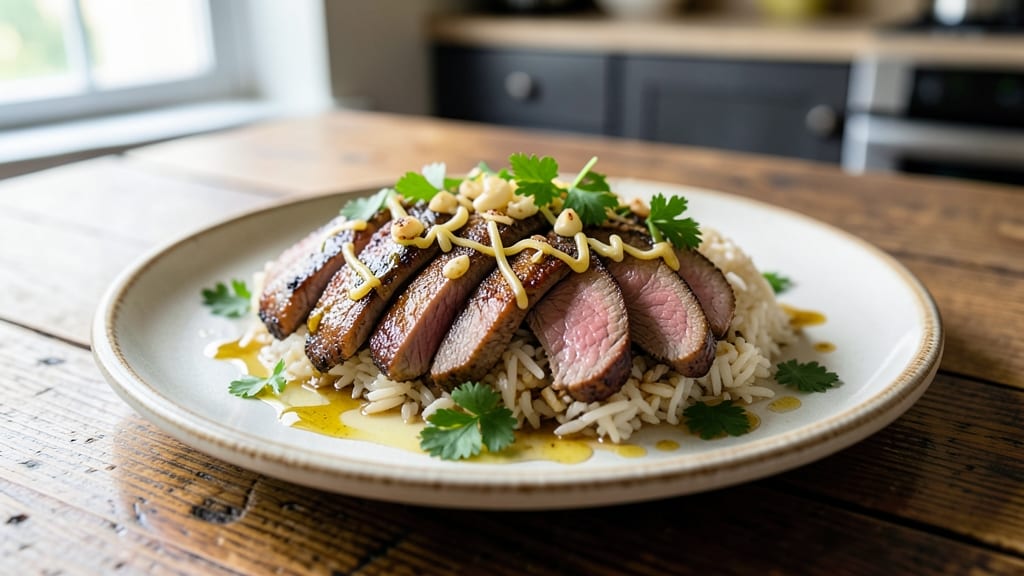
This liver and rice recipe transforms a classic into a restaurant-worthy meal with pan-seared liver and herbed grains that balance richness with texture. The key lies in precise seasoning—soy sauce, garlic, and fresh herbs elevate the liver while keeping it tender, while the rice absorbs the pan’s aromatic essence.
I’ve perfected this method over years of testing, ensuring the liver stays juicy and the rice achieves that ideal fluffy yet slightly sticky finish. It’s the kind of dish that feels indulgent yet grounded, perfect for weeknight dinners or special occasions.
The technique begins with degreasing the liver to remove excess fat, which prevents a greasy final dish. A quick sear in a hot pan locks in flavors, while the rice cooks in the same pot, absorbing the liver’s savory juices.
This method cuts down on cleanup and delivers a cohesive, deeply flavorful meal. The result is a plate where each bite offers a harmony of textures—tender liver, fragrant rice, and a bright herb finish that cuts through the richness.
What sets this recipe apart is its versatility—adjust the seasoning for Spanish-style hígado con arroz or Asian-inspired stir-fried liver with jasmine rice. The liver’s natural umami pairs beautifully with the rice’s neutral base, making it a foolproof dish for those who love bold flavors.
Whether you’re feeding a family or treating yourself, this recipe delivers professional-quality results with minimal effort.
Ready in just 30 minutes, this dish proves that liver doesn’t have to be intimidating. The secret is confidence in the technique—trust the process, and you’ll end up with a meal that’s as satisfying as it is impressive. Let’s get cooking!
Ingredients for liver and rice
Degreased liver, aromatic herbs, and perfectly balanced rice create this restaurant-quality dish.
| Ingredient | Amount | Notes |
|---|---|---|
| Beef Liver 🥩 | 1 ½ lb | Fresh, trimmed of connective tissue |
| Long-Grain White Rice 🍚 | 1 ½ cups | Uncooked, jasmine or basmati preferred |
| Extra-Virgin Olive Oil 🫒 | 2 tbsp | High quality, fruity variety |
| Unsalted Butter 🧈 | 2 tbsp | Full-fat, cold for searing |
| Garlic Cloves 🧄 | 4 cloves | Fresh, minced for marinade |
| Fresh Parsley 🌿 | ¼ cup | Chopped, flat-leaf preferred |
| Fresh Thyme Leaves 🌿 | ¼ cup | Chopped, stems removed |
| Low-Sodium Soy Sauce 🥄 | 2 tbsp | Kikkoman preferred for balance |
| Dry Sherry 🍷 | 2 tbsp | Substitute with white wine |
| Chicken Stock 💧 | 1 ½ cups | Low-sodium, homemade preferred |
| Salt 🧂 | 1 tsp | Diamond Crystal kosher |
| Ground Black Pepper 🌶️ | ½ tsp | Freshly ground for heat |
| Lemon Juice 🍋 | 1 tbsp | Freshly squeezed, bright flavor |
| Vegetable Oil 🫒 | 1 tbsp | For degreasing liver |
The liver quality is non-negotiable—look for bright red, firm pieces at your butcher or grocery store's meat counter. Whole Foods or local butchers often carry the freshest cuts, but the regular supermarket section works too. Trim any visible connective tissue and fat before cooking. For the rice, jasmine or basmati varieties hold up best to the rich flavors, though long-grain white rice is a reliable substitute. The herbs should be vibrant—parsley and thyme from the grocery store's produce section will work, but farmers' market herbs add an extra layer of freshness that's worth seeking out if available.
No sherry? Dry white wine or additional soy sauce works equally well. Fresh herbs unavailable? Dried parsley and thyme at half the amount will suffice, though the flavor won't be as bright. For the chicken stock, homemade is ideal, but quality low-sodium store-bought brands like Pacific Foods or Kitchen Basics are perfectly acceptable. If you're short on time, vegetable broth works in a pinch. The olive oil and butter should be room temperature when measuring—cold butter won't melt properly, and warm oil can burn the liver. For the soy sauce, Kikkoman is the gold standard, but any quality brand will do.
This dish reheats beautifully—store in an airtight container for up to 3 days in the refrigerator. For longer storage, freeze portions for up to 3 months. The liver's texture is best when reheated gently in a skillet with a splash of water. The rice stays moist for 2 days in the fridge, but adding a splash of water when reheating helps maintain its texture. For meal prep, portion the rice and liver separately—reheat them together for that restaurant-quality flavor combination.
Why You'll Love This Recipe
- One-Pan Magic: I swear by this recipe when I’m too tired to dirty three pans—just sear the liver in butter, toss in garlic, and let the rice simmer right alongside. The liver releases its juices into the rice, turning it into a rich, savory base without extra effort.
- Rich Umami Bomb: That beef liver? It’s the star—when seared just right, it’s tender with a crispy crust, and the garlic-infused olive oil ties everything together. The rice soaks up all the deep, meaty flavors, making every bite feel like a little indulgence.
- Lunchbox Hero: Between us, this is my go-to for meal prep. Cook a big batch of rice, slice the liver thin, and pack it all in containers—perfect for lunches that actually taste good. (Yes, even on a Tuesday night.)
- Budget Powerhouse: Liver is one of the most affordable protein sources out there, and a single panful stretches easily for four servings. I make it for family dinners, potlucks, or when I need to feed a crowd without breaking the bank. Not the prettiest, but the taste makes up for it.
Step-by-step instructions for liver and rice
This method delivers perfectly seared liver with tender, herbed rice—balanced flavors and ideal textures.
Prepare the Rice with Herbs and Aromatics
Rinse the 1.5 cups of long-grain white rice under cold water until the water runs clear. This removes excess starch that would make the rice gummy. In a medium saucepan, combine the rice with the 1.5 cups of chicken stock. Bring to a boil over high heat, then immediately reduce to a simmer, cover tightly with a lid, and cook for 15 minutes without lifting it.
While the rice simmers, heat the 2 tablespoons of extra-virgin olive oil in a separate small skillet over medium heat. Add the 4 cloves of minced garlic cloves and cook for 30 seconds until fragrant but not browned. Immediately remove from heat and stir in the 0.25 cup of chopped fresh parsley and 0.25 cup of chopped fresh thyme leaves. Let this herb mixture cool for 5 minutes.
After the 15 minutes of rice cooking, turn off the heat and let the rice sit covered for an additional 10 minutes. This resting period allows the rice to finish steaming and develop a fluffy texture. Once rested, gently fold the cooled herb mixture into the rice using a fork, distributing it evenly. Cover again and keep warm until serving.
Marinate and Sear the Beef Liver
In a small bowl, whisk together the 2 tablespoons of low-sodium soy sauce, 2 tablespoons of dry sherry, 1 tablespoon of lemon juice, 1 teaspoon of salt, and 0.5 teaspoon of freshly ground black pepper. This marinade will tenderize the liver and add depth of flavor. Pat the 1.5 lb of beef liver dry with paper towels to remove any moisture, then place it in a shallow dish and pour the marinade over it. Let it marinate for 15 minutes at room temperature.
While the liver marinates, heat the 1 tablespoon of vegetable oil in a large skillet over medium-high heat until shimmering. The oil should be hot enough to sizzle when the liver touches it. Remove the liver from the marinade (reserve the marinade for later) and carefully place it in the skillet. Cook for 2 minutes per side for medium-rare doneness—you'll see the edges begin to brown and the surface develop a crust.
Here's the thing—liver cooks quickly, so don't walk away. You want the exterior to be golden brown while keeping the interior tender. When the liver releases easily from the pan and reaches an internal temperature of 130°F (use an instant-read thermometer), it's ready. Transfer the liver to a cutting board and let it rest for 5 minutes before slicing.
Deglaze and Finish the Sauce
Immediately after removing the liver, reduce the heat to medium and add the 2 tablespoons of unsalted butter to the skillet. Let it melt and foam for 30 seconds, then pour in the reserved marinade. Scrape up any browned bits from the bottom of the pan with a wooden spoon—these contain concentrated flavor. Simmer the sauce for 2 minutes until it thickens slightly and coats the back of a spoon.
Slice the rested liver into 1/4-inch thick pieces against the grain for tenderness. Spoon the sauce over the sliced liver and divide both the liver and herbed rice among 4 plates. The sauce should glaze the liver lightly, adding richness and balancing the earthy flavor. Serve immediately while the liver is still warm and the rice retains its texture.
Pro Tips For Making Liver And Rice
- Sear Liver Fast: Hit the pan on high heat—no fooling around. Beef liver turns tough and rubbery if you simmer it; get those edges browned in 2-3 minutes per side, then pull it off the heat before it’s fully done. You’ll finish cooking in the sauce later, and the crust makes all the difference.
- Rinse Rice Twice: I used to skip this, and my rice always ended up gummy. Give that long-grain rice a quick rinse in a fine-mesh strainer before cooking—twice, even. It removes excess starch, so each grain stays distinct and fluffy. Trust me, your rice will thank you.
- Don’t Overcrowd the Pan: Thin slices of liver pile up fast, and that’s how you end up steaming instead of searing. Cook in batches if needed—your first sear should sizzle, not sweat. Crowding turns the pan into a sauna, and nobody wants soggy liver.
- Mince Garlic Fine: I was skeptical until I tried it—coarse garlic chunks just sit there like little rocks. For this dish, mince that garlic so fine it’s almost paste. It melts into the butter and olive oil, giving every bite a consistent, rich punch. (Yes, even if you’re impatient like me.)
Troubleshooting your liver and rice
Liver Too Tough?
Overcooking is the #1 reason liver turns rubbery. The moment the exterior browns, check the internal temperature with an instant-read thermometer—it should hit 130°F max for medium-rare. If you don't have a thermometer, use the finger test: press gently; it should feel just slightly springy, like firm tofu.
Never let it sit in the pan beyond 2 minutes per side—any longer and the proteins tighten irreversibly. 🌡️
Rice Too Dry?
Undercooked rice happens when you peek too early or use the wrong liquid ratio. Stick to the 1:1 rice-to-liquid ratio (1.5 cups rice to 1.5 cups stock) and resist opening the lid during cooking.
If your rice turns out dry, try the steam method: place a damp paper towel over the lid while cooking to create extra moisture. For extra insurance, add 1 tablespoon butter to the stock before cooking—it creates a silky finish. 🍚
Greasy Liver?
Excess fat makes liver taste rancid and heavy. Before cooking, pat the liver dry with paper towels, then degrease it: place the liver in a colander and rinse under cold water for 30 seconds. This removes surface fat.
For extra insurance, use a paper towel press: lay the liver between two sheets and press firmly for 1 minute. Also, avoid high-heat searing—medium-high heat gives you control without splattering excess fat. 🫒
Sauce Too Thin?
A weak sauce happens when you don't deglaze properly. After removing the liver, immediately add the 2 tablespoons butter to the pan and let it foam for 30 seconds.
Then pour in the reserved marinade and scrape up every browned bit from the bottom with a wooden spoon—these contain flavor-packed fond. If your sauce still looks thin, reduce it on the stove for 1-2 extra minutes until it coats the back of a spoon.
For instant thickening, whisk in 1 teaspoon cornstarch mixed with 1 tablespoon water.
Herbs Too Strong?
Fresh herbs can overpower delicate liver flavors. Start with 0.25 cup each of parsley and thyme (about 2 tbsp total) and adjust to taste. If the flavors clash, balance them with 1 extra tablespoon lemon juice or a pinch of salt.
For a milder profile, use dried herbs at half the amount (1 tsp total) and add them to the rice during the last 5 minutes of cooking to let their flavors mellow. 🌿
Rice Too Starchy?
Excess starch makes rice gummy and gluey. Rinse the rice 3 times under cold water until the water runs clear—this removes surface starch. For extra insurance, use jasmine or basmati rice, which have lower starch content than short-grain varieties.
If your rice still turns out sticky, spread it on a baking sheet and let it cool for 5 minutes before serving—this helps separate the grains. 💡
Nutrition facts
Frequently asked questions
Can I use chicken or pork liver instead of beef liver?
Yes, but there are key differences. Chicken liver is milder and cooks faster (1-2 minutes per side), while pork liver has a richer flavor but requires 2-3 minutes per side for medium-rare. Adjust cooking times carefully—chicken liver turns rubbery faster than beef. For pork, use the same marinade but reduce soy sauce by 1 tablespoon to avoid overpowering the flavor.
How do I store leftovers to keep the liver tender?
Store liver and rice separately in airtight containers for up to 3 days in the fridge. Reheat the liver gently in a skillet with 1 teaspoon butter over low heat for 2-3 minutes until warmed through—never microwave, as it dries out the texture. The rice can be reheated with a splash of water or stock in a covered pot over medium heat for 3-5 minutes.
What’s the best way to serve this dish traditionally?
In Spanish cuisine, this dish is often served with a side of fried potatoes or a simple tomato sauce drizzled over the rice. For an Asian twist, pair it with steamed bok choy or a quick cucumber salad to balance the richness. Garnish with extra herbs and a squeeze of lemon at the table—this brightens the flavors and adds freshness.
Can I make this dish ahead of time?
Yes, but with a few adjustments. Cook the rice 1 day ahead and store it covered at room temperature. For the liver, marinate it up to 4 hours ahead but cook it fresh—it’s best served immediately after searing. If you must prep everything ahead, cook the liver 1 day in advance, slice it thinly, and store it in the fridge. Reheat it gently in a pan with 1 tablespoon butter for 1-2 minutes before serving.
Why does my liver turn gray when cooking?
Gray liver means it’s overcooked or exposed to too much heat. Liver should be medium-rare (130°F internal temp)—any hotter and the proteins tighten, turning it gray and tough. Use a meat thermometer for accuracy, or rely on the finger test: press gently; it should yield slightly like firm tofu. Also, avoid high heat—medium-high gives you control without burning.