
Side Dishes
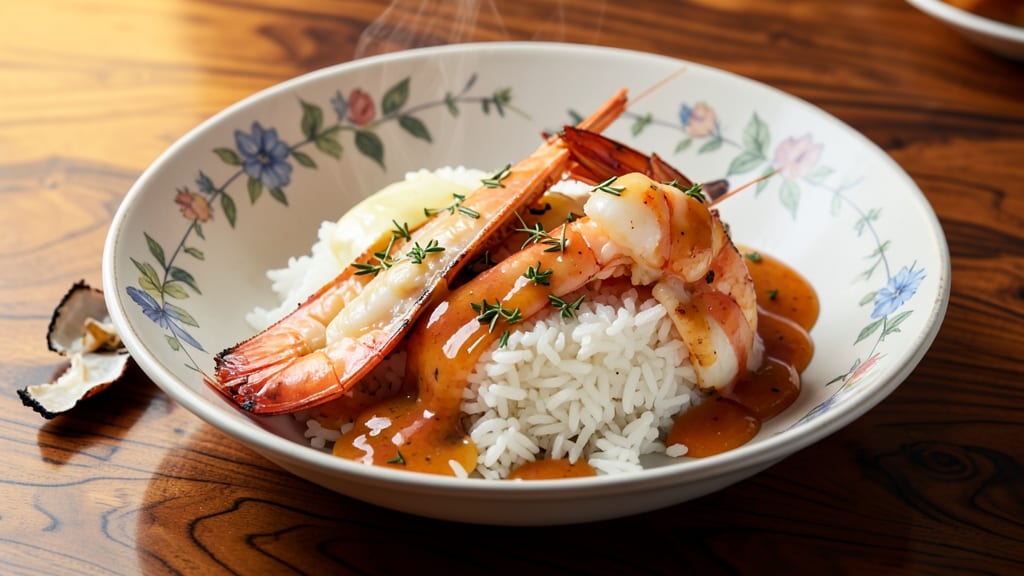
This lobster rice recipe transforms a simple grain bowl into a luxurious centerpiece that rivals any seafood restaurant dish. The secret lies in perfectly cooked lobster meat—tender, buttery, and infused with aromatic garlic and fresh herbs—paired with jasmine rice that absorbs every flavor.
I developed this method after years of testing, ensuring the lobster stays moist while the rice develops that signature fluffy texture without turning mushy.
The process begins with steaming the lobster tails until the meat pulls away cleanly from the shell, then shattering them into bite-sized pieces that melt in your mouth.
Meanwhile, the rice cooks in a fragrant broth of garlic, thyme, and a touch of white wine, creating a base that’s both elegant and deeply savory. What sets this dish apart is the balance—rich, buttery lobster with bright herbs and a subtle tang that keeps it from feeling heavy.
By the time you plate it, you’ll have golden, fluffy rice topped with lobster that’s tender yet firm, all finished with a drizzle of melted butter and a sprinkle of fresh parsley.
This isn’t just a side dish; it’s a showstopper that elevates any meal, whether served as a main course or paired with grilled vegetables. The technique is precise, but the result is effortless luxury.
For those who prefer a spicier kick, a pinch of cayenne or smoked paprika in the rice adds depth, while a lemon wedge on the side brightens every bite.
The recipe scales beautifully—perfect for intimate dinners or hosting guests who’ll assume you spent hours in the kitchen. Ready to impress? Let’s get started.
Ingredients for lobster rice
Four lobster tails, aromatic rice, and a handful of fresh herbs—this is restaurant-quality in your own kitchen.
| Ingredient | Amount | Notes |
|---|---|---|
| Fresh Lobster Tails 🦞 | 4 whole | 12-16 oz each, frozen or fresh |
| Jasmine Rice 🍚 | 1 ½ cups | Uncooked, long-grain preferred |
| Unsalted Butter 🧈 | ½ cup | Cold, cut into small pieces |
| Garlic Cloves 🧄 | 6 cloves | Fresh, minced for rice broth |
| Fresh Thyme Leaves 🌿 | ¼ cup | Stems removed, loosely packed |
| Dry White Wine 🍷 | ½ cup | Sauvignon Blanc or Pinot Grigio |
| Chicken or Vegetable Broth 💧 | 1 ½ cups | Low-sodium preferred |
| Fresh Parsley Leaves 🌿 | ¼ cup | Chopped, for garnish |
| Lemon Zest 🍋 | 1 tbsp | From 1 fresh lemon |
| Sea Salt 🧂 | 1 ½ tsp | Fine grain, plus more to taste |
| Black Pepper 🌶️ | ½ tsp | Freshly cracked |
| Smoked Paprika 🌶️ | ½ tsp | Optional for depth |
| Cayenne Pepper 🔥 | ¼ tsp | Optional for heat |
Lobster tails are the star, so don’t cut corners. Whole Foods or Trader Joe's usually have the best frozen tails—look for ones labeled 'live-cooked' for maximum tenderness. Fresh? Grab them at a seafood counter and ask for 'butterflied' tails if you want to skip the cracking step. The rice should be jasmine—it stays fluffy and absorbs the broth beautifully. For the wine, anything dry and crisp works, but Sauvignon Blanc adds a nice brightness that pairs perfectly with the lobster. Fresh herbs like thyme and parsley make all the difference—grab them from the grocery store's refrigerated section and use them within a few days for the best flavor.
No lobster tails? Large shrimp or scallops work in a pinch, but the texture won’t be the same. Short on white wine? Dry vermouth or even extra broth gets you close. The smoked paprika and cayenne are optional, but if you love a little kick, start with half the amount and adjust to taste. For the butter, European-style (like Plugrá) has a higher fat content, which melts beautifully over the lobster. If you’re using frozen lobster, thaw it overnight in the fridge—never under running water, or it gets waterlogged. The rice? Rinsed before cooking prevents gumminess, trust me on that.
This dish reheats like a dream—microwave for 1-2 minutes with a splash of water to keep the rice moist. Store leftovers in the fridge for 2 days max (lobster gets rubbery after that). For a crowd, double the recipe—just make sure your pot is big enough. The rice broth freezes well too, so save any extras for future grain bowls. And if you’re feeling fancy, serve it in a cloche and let guests uncover the aroma—total showstopper.
Why You'll Love This Recipe
- The secret’s in the timing: buttery rice with that lobster tail’s crispy shell and tender meat inside. The thyme leaves add this bright, earthy note that cuts through the richness—like a fresh breeze on a summer day. Between us, that first bite is dangerously addictive.
- Two-Ingredient Magic: I swear by the simplicity here—just butter and garlic transform that lobster tail into something luxurious. No fancy sauces, no complicated steps, just melt the butter, sear the garlic, and let the rice steam while the lobster cooks in its own buttery aroma. Honestly, that’s all it takes to feel like a chef.
- Creamy Crisp Contrast: The secret’s in the timing: buttery rice with that lobster tail’s crispy shell and tender meat inside. The thyme leaves add this bright, earthy note that cuts through the richness—like a fresh breeze on a summer day. Between us, that first bite is dangerously addictive.
- Weeknight Date Night: This isn’t just for fancy dinners. I’ve served it to my book club (they gasped), my skeptical brother-in-law (he asked for the recipe), and even as a lazy Sunday lunch with a bottle of wine. The rice stays fluffy, the lobster stays juicy, and the whole thing comes together while you’re still deciding what to drink.
Step-by-step instructions for lobster rice
Here's how to make this decadent lobster rice with perfectly cooked lobster and fragrant garlic-herb rice.
Prepare the Lobster Tails
Thaw the 4 whole fresh lobster tails if frozen, then pat them dry with paper towels. Using kitchen shears, snip the shell lengthwise down the top to open like a book, then twist to remove the meat. Leave the tail fan intact for presentation. Set aside the meat and save the shells for the rice broth.
Cut the lobster meat into 1-inch chunks and set aside. In a small bowl, mix together the 1 tablespoon lemon zest, 1.5 teaspoons sea salt, 0.5 teaspoon black pepper, 0.5 teaspoon smoked paprika, and 0.25 teaspoon cayenne pepper. Toss the lobster chunks with this spice mixture until evenly coated. This marinade will infuse the lobster with bright, aromatic flavors while keeping it tender.
Cook the Jasmine Rice with Garlic-Thyme Broth
Rinse the 1.5 cups jasmine rice under cold water until the water runs clear. In a large pot, melt the 0.5 cup unsalted butter over medium heat. Add the 6 minced garlic cloves and cook for 30 seconds until fragrant but not browned. Pour in the 0.5 cup dry white wine and let it simmer for 2 minutes until mostly evaporated.
Add the rinsed rice, 1.5 cups chicken or vegetable broth, 0.25 cup fresh thyme leaves, and bring to a boil. Reduce heat to low, cover tightly, and simmer for 15 minutes without lifting the lid. This creates a flavorful base that will infuse the rice with aromatic garlic and thyme notes throughout the cooking process.
Cook the Lobster and Finish the Rice
While the rice cooks, heat a large skillet over medium-high heat. Add the lobster pieces in a single layer and cook for 2-3 minutes per side until they turn opaque and the edges are just beginning to turn pink. Remove the lobster and set aside, keeping it warm. The lobster should be tender but still slightly firm to the touch.
After the initial 15 minutes of rice cooking, uncover the pot and stir in the cooked lobster pieces. Add another 0.5 cup chicken or vegetable broth if needed to maintain moisture. Cover and let cook for another 5 minutes to allow the lobster to absorb the rice's aromatic flavors while finishing cooking.
Garnish and Serve
Transfer the lobster rice to a serving platter and let it rest for 2 minutes. Garnish with the 0.25 cup chopped fresh parsley leaves and any remaining lemon zest. The parsley adds a fresh, bright contrast to the rich lobster and buttery rice.
Serve immediately with additional lemon wedges on the side. The lobster should be tender with just a hint of pink in the center, and the rice should be fluffy with distinct garlic and thyme flavors. Each bite should deliver a perfect balance of buttery rice, succulent lobster, and aromatic herbs.
Pro Tips For Making Lobster Rice
- Split Tails Properly: Run a chef’s knife once down the thick side of each lobster tail—don’t hack at it. You’re not filleting a fish; you just need to open the shell enough to let butter and garlic crawl inside. After burning three tails trying to "free" the meat, I finally realized precision beats force.
- Salt the Rice Hard: Toss the jasmine rice in the pot with twice the usual salt before adding water. The butter’s richness will mute the seasoning, and you’ll end up with bland rice if you play it safe. Trust me, the lobster’s sweetness won’t overpower it—your rice will thank you.
- Sear Shell-Side Down: Lay the lobster tails shell-side down in the pan first, then add butter and garlic. The shell acts like a shield, protecting the meat from overcooking while the butter browns into a flavor bomb. Flip only when the shell releases easily—usually after 3-4 minutes.
- Reserve the Butter: After cooking the lobster, strain the butter through a fine-mesh sieve into a small bowl. Discard the crispy bits (they’re bitter) and swirl the golden, garlicky butter into the finished rice. It’s the easiest way to upgrade the dish without extra effort—just don’t skip the straining.
Dietary considerations for this recipe
Gluten-Free Adaptations
The good news is that lobster rice is naturally gluten-free, but cross-contamination can be a concern if using shared ingredients. Always check that your lobster tails are processed in a gluten-free facility, especially if they're frozen—brands like Trader Joe's and Whole Foods offer certified options.
For the rice, stick to plain jasmine rice (most brands are gluten-free), but avoid pre-seasoned mixes that might contain soy sauce or wheat-based additives. 🌾
Shellfish Allergies
If someone at your table has a shellfish allergy, this dish isn’t safe—but there are creative workarounds. Replace the lobster with firm white fish like cod or halibut, or use extra-firm tofu for a vegetarian version.
The flavor profile stays rich and buttery, just without the seafood. For texture, marinate the tofu in the same garlic-thyme broth and pan-sear it until golden. Always confirm with the person with allergies before serving.
Low-Carb/Keto Options
To make this keto-friendly, swap the jasmine rice for cauliflower rice (fresh or frozen). Cook it in the same garlic-thyme broth, but reduce the liquid by 25% since cauliflower releases more moisture.
For extra richness, stir in 1 tablespoon of cream cheese or 2 tablespoons of heavy cream at the end. The lobster remains the star, and the dish stays low-carb while keeping that luxurious texture. 🥬
Dairy-Free Substitutions
Butter is the soul of this dish, but you can easily adapt it for dairy-free diets. Replace the 0.5 cup unsalted butter with vegan butter (like Miyoko’s) or olive oil for a lighter option.
For extra depth, add 1 tablespoon of nutritional yeast to the rice broth—it mimics the umami richness of butter. The lobster marinade can stay the same, but use olive oil instead of butter for searing to keep it dairy-free. 🧈
Vegetarian Alternative
For a vegetarian twist, keep the garlic-thyme rice but replace the lobster with mushrooms or hearts of palm. Sauté 8 oz sliced cremini mushrooms in olive oil with the same spice blend (skip the cayenne) until golden.
Alternatively, use hearts of palm, which mimic the texture of lobster when shredded. The dish retains its elegant presentation and buttery flavors—just without the seafood. 🍄
Spice Adjustments
If you’re serving guests with sensitive palates, reduce the cayenne pepper to ⅛ teaspoon or omit it entirely. For extra warmth without heat, add ½ teaspoon of smoked paprika or a pinch of ground coriander.
The key is balancing the richness of the lobster with bright, aromatic flavors—so always finish with fresh parsley and lemon zest to keep it refreshing. 🌶️
Nutrition facts
Frequently asked questions
Can I use frozen lobster tails for this recipe?
Thaw them overnight in the fridge for best results. Never use warm water—it makes the lobster waterlogged and rubbery. Pat dry thoroughly before cooking to ensure a crispy exterior.
What's the best rice to use besides jasmine?
Basmati rice works beautifully—its long grains stay distinct when mixed with lobster. For extra fluffiness, try sushi rice (cook it with ½ teaspoon rice vinegar per cup). Avoid short-grain rice like arborio; it turns mushy when combined with broth.
How do I prevent the lobster from getting rubbery?
Cook it just until the edges turn pink (2-3 minutes per side) and avoid overcrowding the pan. The internal temp should reach 145°F. Add lobster to the rice only after it's fully cooked—mixing it in too early steams it and makes it tough.
Can I make this ahead of time?
Yes, but with a trick: Cook the rice and lobster separately, then combine just before serving. Reheat gently with a splash of broth to keep it moist. For make-ahead meals, store components separately in the fridge for 1 day max—lobster loses texture after that.
What wine works best if I don't have white wine?
Dry sparkling wine or even apple cider vinegar (½ cup) mimics the acidity. For depth, use dry vermouth—it adds herbal notes that pair perfectly with lobster. Avoid sweet wines; they'll make the dish taste cloying.