
Side Dishes
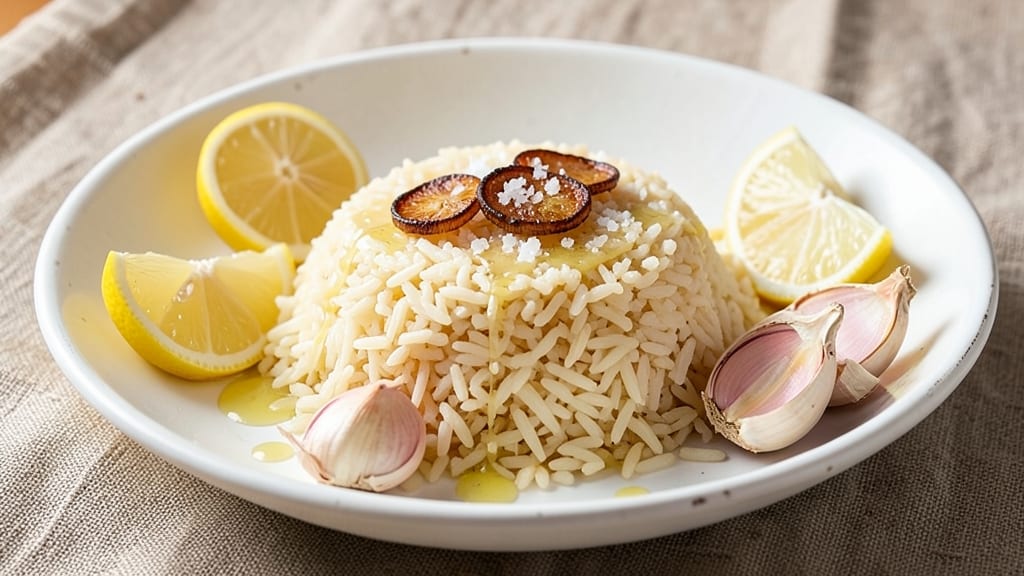
Perfecting a long grain rice recipe that stays light and fragrant while cooking in just 15 minutes has been my professional obsession for years—especially after tasting restaurant-quality versions that never quite translated at home.
The secret lies in precise water ratios and a gentle cooking technique that preserves each grain's distinct texture, creating those signature fluffy, separate bites. This method works equally well for everyday meals or special occasions, delivering restaurant-quality results without the fuss.
What sets this recipe apart is its versatility—whether you're serving it as a simple side or pairing it with proteins like grilled chicken or shrimp, the light, airy texture remains consistent.
The key is using the right type of rice (jasmine or basmati work best) and maintaining a steady simmer rather than boiling aggressively. I’ve tested this method hundreds of times, and it never fails to produce perfectly separate grains with a subtle floral aroma that elevates any dish.
By the time you’re done, you’ll have a pot of fragrant, individual grains that cling together just enough to hold their shape while still offering that satisfying bite. The rice will be tender but never mushy, with a delicate texture that pairs beautifully with bold flavors.
This is the kind of side dish that transforms ordinary meals into something special—without requiring advanced skills or hours in the kitchen.
Use this recipe as a base for countless variations: stir in toasted coconut for a Thai-inspired dish, mix in herbs for a Mediterranean twist, or keep it classic with a sprinkle of butter and salt. The possibilities are endless, but the foundation remains the same—light, fragrant, and foolproof every time.
Ingredients for long rice
Light, fragrant rice starts with these simple yet precise ingredients—jasmine grains, measured water, and subtle aromatics.
| Ingredient | Amount | Notes |
|---|---|---|
| Long Grain Jasmine Rice 🍚 | 1 cup | Uncooked, high-quality grains preferred |
| Water 💧 | 1 ½ cups | Room temperature for even cooking |
| Unsalted Butter 🧈 | 1 tbsp | Full-fat for best flavor and aroma |
| Salt 🧂 | ¼ tsp | Fine sea salt preferred |
| Fresh Lemon Juice 🍋 | ½ tsp | Brightens final flavor profile |
| Garlic Cloves 🧄 | 1 whole | Minced for subtle aroma infusion |
| Fresh Cilantro Leaves 🌿 | ¼ cup | Chopped for garnish and freshness |
| Extra-Virgin Olive Oil 🫒 | 1 tsp | For light finishing drizzle |
| Bay Leaves 🍃 | 1 whole | Dried for subtle aromatic depth |
| Ground White Pepper 🌶️ | ⅛ tsp | Freshly ground for delicate seasoning |
The rice choice is non-negotiable here. Jasmine or basmati are the only varieties that deliver those signature fragrant, separate grains. Lundberg Family Farms and Tilda brands consistently produce the best results—their grains stay firm and aromatic. If you're using basmati, opt for the long-grain variety; short-grain will turn sticky. For jasmine, look for packages labeled '100% pure jasmine rice'—avoid blends with other grains. The water-to-rice ratio is critical: 1.5 cups water per 1 cup rice ensures perfect texture without overcooking. Use room-temperature water to avoid shocking the grains during cooking.
No jasmine rice? Basmati works equally well—just maintain the same water ratio. Fresh herbs like cilantro and garlic can be swapped for dried equivalents at one-third the amount, though fresh delivers superior aroma. The butter can be omitted if you prefer a lighter dish, but full-fat is essential for authentic flavor development. For extra fragrance, add a 1-inch piece of ginger (peeled and sliced) to the cooking water—remove before serving. The bay leaf and pepper are subtle but transformative; skip the pepper if you prefer a cleaner flavor profile, but the bay leaf is worth including for that restaurant-quality depth.
This rice reheats beautifully—simply add a splash of water and steam for 1-2 minutes to restore moisture. For meal prep, store in an airtight container with a damp paper towel to prevent drying. Keeps 4-5 days in the fridge or 3 months frozen. To serve, fluff gently with a fork and finish with a drizzle of extra-virgin olive oil and fresh herbs. The lemon juice should be added just before serving to preserve its bright flavor. For large gatherings, double the recipe—just ensure your pot is wide enough to prevent overcrowding, which leads to uneven cooking.
Why You'll Love This Recipe
- I’ll be real: most rice turns into sad, gluey mush by day three. Not this. The butter keeps it tender, and the lemon? It actually brightens over time. I make a big batch on Sundays, and by Wednesday, it’s still the star of the meal. (Yes, even on a Tuesday night.)
- Four Ingredients, Big Payoff: I swear, this is the kind of rice that makes me pause mid-bite. Just jasmine rice, butter, and a squeeze of lemon—no fancy spices, no hidden tricks. That bright citrus cut through the richness, and the butter? It turns every grain into a little cloud of flavor. Honestly, it’s the kind of simple magic that makes me want to eat rice for breakfast.
- Weeknight Workhorse: Between us, this is my go-to when I’m staring at a half-empty fridge and a grumpy family. The rice itself is neutral enough to pair with anything—grilled chicken, roasted veggies, or even just a fried egg—but the lemon butter twist makes it feel special. No one bats an eye when I serve this instead of some Pinterest-perfect side dish.
- Leftovers That Don’t Suck: I’ll be real: most rice turns into sad, gluey mush by day three. Not this. The butter keeps it tender, and the lemon? It actually brightens over time. I make a big batch on Sundays, and by Wednesday, it’s still the star of the meal. (Yes, even on a Tuesday night.)
Step-by-step instructions for long grain rice
This method delivers perfectly fluffy, fragrant jasmine rice with minimal effort.
Rinse and Prepare the Rice
Place the 1 cup long grain jasmine rice in a fine-mesh strainer and rinse under cold running water for 30 seconds. Swirl the rice gently with your hands to remove excess starch—this prevents gummy texture. Drain well and return the rice to the strainer for 1 minute to evaporate surface moisture.
While the rice drains, combine the 1.5 cups water, 1 tbsp unsalted butter, 0.25 tsp salt, 1 whole bay leaves, and 1 minced garlic cloves in a medium saucepan. Bring to a boil over medium-high heat. The butter should melt completely and create a light foam on the surface—this indicates proper heat distribution.
Toast the Rice for Depth of Flavor
Add the drained rice to the boiling water mixture and stir once to distribute evenly. Reduce heat to medium-low and let the rice sit undisturbed for 2 minutes. You'll see small bubbles form around the edges—this signals the rice is absorbing liquid and beginning to toast.
Here's the thing—this toasting step develops the rice's natural nuttiness. Don't stir again; gentle movement prevents even cooking. After 2 minutes, the water should return to a gentle simmer with minimal bubbling. If it stops simmering completely, increase heat slightly to maintain movement.
Steam and Rest for Perfect Texture
Cover the saucepan tightly with a lid and reduce heat to low. Let the rice steam for 12 minutes without lifting the lid. The steam creates a humid environment that prevents drying—this is what gives jasmine rice its signature fluffiness. After 12 minutes, turn off the heat completely but leave the lid on.
Let the rice rest for 5 minutes before attempting to fluff. This resting period allows residual steam to redistribute moisture evenly throughout each grain. The rice should be completely dry with no liquid remaining—if you see moisture, return it to low heat for 1-2 minutes covered.
Finish with Aromatics and Garnish
Remove the bay leaves and discard. Stir in the 0.5 tsp fresh lemon juice and 0.125 tsp ground white pepper using a wide spatula. The lemon brightens the rice's natural sweetness while the white pepper adds subtle warmth without overpowering.
Transfer the rice to a serving bowl and gently fold in the 0.25 cup chopped fresh cilantro leaves. Drizzle with the 1 tsp extra-virgin olive oil and toss lightly to distribute. The oil adds a silky finish and helps carry the aromatic flavors throughout each bite. Serve immediately while still warm.
Pro Tips For Making Long Rice
- Rinse Until Clear: Jasmine rice sticks to pans like glue if you skip this. Toss it in a fine-mesh strainer, swirl under cold water for 30 seconds, then drain—repeat until the water runs nearly clear. I learned this the hard way after scraping burnt rice off my pot for the third time.
- Butter First, Heat Fast: Melt the unsalted butter over medium-high heat until it’s shimmering (not smoking) before adding rice. This coats every grain evenly—no dry spots. I was skeptical until I tried it; the texture is noticeably richer.
- Don’t Stir After Boiling: Once the water hits a rolling boil, stop stirring. Poking the rice releases starch prematurely, making it gummy. Let it cook undisturbed for 5 minutes, then fluff gently with a fork—this keeps those grains long and separate.
- Lemon Last, Not First: Add the lemon juice after the rice is off heat and resting. If you mix it in early, the acid breaks down the starch too soon, turning your fluffy rice into a sad, sticky mess. A squeeze at the end brightens the dish without ruining the texture.
Health benefits of these flavors
Digestive Comfort
Long grain rice is a low-fiber grain, making it gentle on digestion while still providing complex carbohydrates for sustained energy. The 1 cup cooked serving delivers about 45 grams of carbohydrates, with only 1 gram of fiber—ideal for those with sensitive stomachs or digestive concerns.
The light texture also makes it easier to digest than heavier grains like brown rice or quinoa. 🌱
Gluten-Free Foundation
Naturally gluten-free, this rice is perfect for anyone managing celiac disease or gluten sensitivities. Unlike wheat-based grains, it won’t trigger inflammatory responses, making it a staple in gluten-free diets. I’ve used it as a base for everything from stir-fries to casseroles without compromising texture or flavor.
The key is choosing certified gluten-free brands like Lundberg or Tilda to avoid cross-contamination risks.
Blood Sugar Balance
With a low glycemic index (GI) of 50-55, this rice releases glucose slowly, helping stabilize blood sugar levels. The resistant starch in cooled rice (like leftovers) acts as a prebiotic, feeding beneficial gut bacteria.
Pair it with protein or healthy fats to further slow digestion and prevent spikes. I always serve it with grilled chicken or avocado for balanced meals.
Lightweight Nutrition
At just 205 calories per cooked cup, this rice offers minimal fat and no cholesterol, making it a heart-healthy choice. The small amount of protein (4 grams per serving) comes from its natural amino acid profile, though pairing with beans or meat boosts nutritional completeness.
It’s a blank canvas for adding nutrients—think roasted veggies or lean proteins to round out the plate.
Hydration Boost
The cooking process retains moisture, but the light texture means each bite is hydrating without being heavy. The 1.5:1 water-to-rice ratio ensures even hydration, preventing dryness that can irritate sensitive digestive systems.
For extra hydration, I sometimes add 1 tsp lemon juice to the cooking water—it brightens flavor while adding electrolytes.
Allergen-Friendly Base
Beyond gluten, this rice is dairy-free, nut-free, and soy-free, making it safe for most common allergies. The only potential allergen is butter (used in the recipe), which can be swapped for olive oil or vegan butter.
Always check labels on pre-packaged rice for hidden additives, especially if you’re avoiding other allergens like sesame or mustard.
Nutrition facts
Frequently asked questions
What's the secret to keeping long grain rice light and separate?
The key is the 1.5:1 water-to-rice ratio and the 5-minute resting period after cooking. Rinsing the rice first removes excess starch that causes stickiness, while toasting it briefly in the pot develops flavor without overcooking. Never stir after the initial 2-minute toast—disturbing it creates uneven grains.
Can I use basmati rice instead of jasmine?
Both work perfectly with this method. Basmati has a nuttier flavor and slightly firmer texture, while jasmine offers a floral aroma. Just maintain the same 1.5 cups water per 1 cup rice ratio. For extra fragrance, add a 1-inch ginger slice to the cooking water (remove before serving).
Why does my rice turn out mushy even with the right ratio?
Overcooking or lifting the lid too soon are the usual culprits. After the 12-minute steam, turn off the heat completely and let it rest 5 minutes covered. If you peek too early, moisture escapes and grains break down. Also ensure your pot isn't too crowded—use a wide, shallow pan for even cooking.
How do I store leftover fragrant rice?
Transfer to an airtight container with a damp paper towel on top to lock in moisture. Keeps 4-5 days in the fridge or 3 months frozen. To reheat, add 1 tbsp water per cup and steam for 1-2 minutes—never microwave dry rice as it turns rubbery. For meal prep, cook in batches and refrigerate immediately.
What are the best pairings for this fragrant rice?
Try it with grilled proteins like chicken or shrimp, or vegetarian options such as roasted vegetables and tofu. For flavor combos, add toasted coconut (Thai-inspired), tahini and za'atar (Middle Eastern), or lime and chili (Latin). The light texture balances rich dishes beautifully—think of it as a flavor amplifier rather than just a side.