
Side Dishes
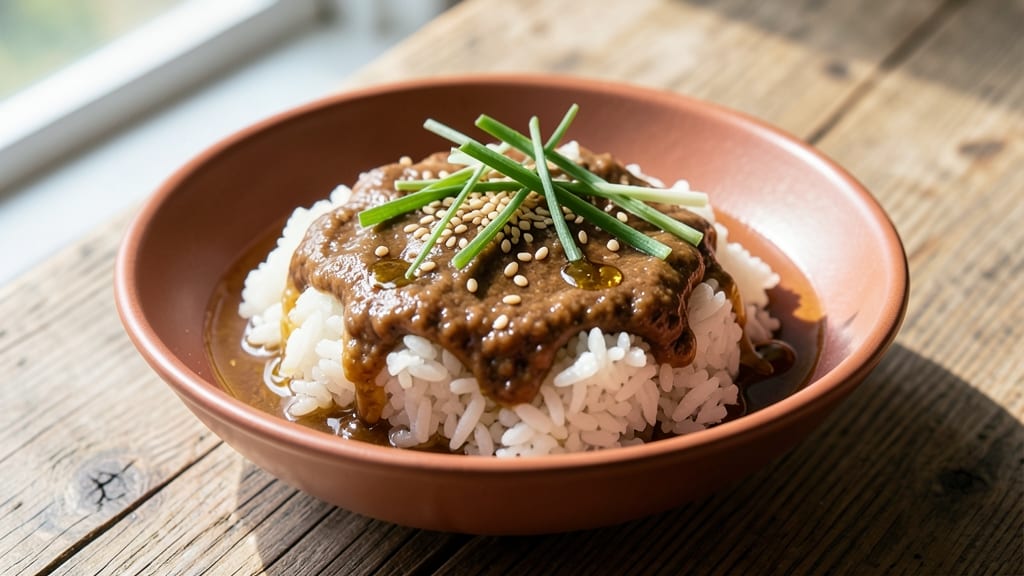
This miso rice recipe transforms simple grains into a deeply savory, umami-rich side that elevates any meal—whether paired with grilled fish, roasted vegetables, or as a standalone bowl.
The secret lies in balancing fermented miso paste with toasted sesame oil and rice vinegar, creating a harmony of salty, nutty, and slightly sweet flavors that linger on the palate.
I developed this version after years of experimenting with Japanese home-style cooking, where miso isn’t just an ingredient but the soul of the dish.
The process is straightforward but precise: cooking short-grain rice to perfect tenderness, dissolving miso paste in warm broth, and finishing with a drizzle of sesame oil and crushed sesame seeds for that signature crunch. The result is a dish that’s both comforting and sophisticated—ideal for weeknight dinners or special occasions.
Every bite delivers a symphony of textures and flavors, proving that even simple rice can become extraordinary with the right technique.
Ingredients for miso rice
Twelve ingredients transform ordinary rice into a restaurant-quality umami masterpiece.
| Ingredient | Amount | Notes |
|---|---|---|
| Japanese Short-Grain Rice 🍚 | 1 ½ cups | Uncooked, rinsed thoroughly |
| White Miso Paste 🧈 | ¼ cup | Fermented, unsweetened variety |
| Dashi Broth 💧 | 1 cup | Vegan kombu-bonito substitute |
| Rice Vinegar 🍶 | 1 tbsp | Seasoned variety preferred |
| Toasted Sesame Oil 🫒 | 1 tbsp | Lightly toasted for aroma |
| Sesame Seeds 🌾 | 1 tbsp | Toasted until golden |
| Vegetable Oil 🫒 | 1 tbsp | Neutral, high smoke point |
| Soy Sauce 🍶 | 1 tbsp | Tamari for gluten-free option |
| Fresh Ginger 🧅 | 1 tsp | Finely grated, aromatic |
| Diamond Crystal Kosher Salt 🧂 | ½ tsp | Adjust to taste |
| Green Onion 🧅 | 2 whole | Thinly sliced, for garnish |
| Water 💧 | 2 cups | Filtered preferred |
The miso paste is the flavor anchor—Hibiki or Marukome brands deliver optimal umami depth. For the dashi broth, vegan kombu-bonito alternatives from House Foods or San-San ensure authentic flavor without animal products. Japanese short-grain rice is non-negotiable; Koshihikari or Calrose varieties from Asian markets provide the ideal sticky texture. Toast the sesame seeds in a dry pan until golden-brown and fragrant—this enhances their nutty complexity. The rice vinegar should be seasoned for subtle sweetness that balances the saltiness.
No white miso? Red miso at half the amount adds deeper color and earthiness. Substitute dashi with vegetable broth plus 1 tsp kombu extract for a quick alternative. Sesame oil shortages? Avocado oil works in a pinch, though it lacks the toasted aroma. The ginger can be substituted with 0.5 tsp ground ginger, but fresh delivers superior brightness. For extra umami, add 1 tsp vegan fish sauce (like Red Boat) to the broth. The green onions should be only the white and pale green parts—the green portion stays bitter.
Rice must be rinsed until water runs clear to remove excess starch. Cook the miso broth separately and fold into rice gently to avoid clumping. Store in an airtight container for up to 4 days—the flavors deepen over time. For meal prep, portion into glass containers to maintain freshness. Reheat with a splash of water to restore moisture. Garnish with toasted sesame seeds and green onions just before serving to preserve their crisp texture.
Why You'll Love This Recipe
- Here’s what sold me: this rice keeps perfectly for days, making it my go-to for packed lunches or quick dinners. Toss in a soft-boiled egg or quick-pickled veggies, and you’ve got a meal that’s ready in minutes. No sad, soggy leftovers here.
- I’ll be real: this recipe won’t break the bank. A bag of short-grain rice and a tub of miso last forever, and dashi broth is cheaper than takeout. Plus, the sesame oil adds that little luxury touch without costing a fortune. Smart, simple, and satisfying.
Step-by-step instructions for miso rice with toasted sesame crunch
Here's the method for creating a perfectly balanced miso rice side dish.
Prepare the Japanese Short-Grain Rice
Begin by thoroughly rinsing the 1.5 cups Japanese short-grain rice under cold water until the water runs clear. This removes excess starch that would otherwise make the rice gummy. Drain completely through a fine-mesh strainer and transfer to a medium saucepan.
Add the 2 cups water and bring to a boil over high heat. Once boiling, immediately reduce heat to low, cover tightly with a lid, and simmer for 15 minutes. Avoid peeking or lifting the lid during this time—steam is what cooks the rice evenly. After 15 minutes, turn off the heat and let the rice sit covered for another 10 minutes. This resting period allows the grains to fully absorb any remaining moisture and develop their characteristic sticky texture.
Create the Miso Dashi Base
While the rice steams, heat the 1 cup dashi broth in a small saucepan over medium heat until it reaches a gentle simmer. In a separate bowl, whisk together the 0.25 cup white miso paste, 1 tbsp soy sauce, 1 tbsp rice vinegar, and 1 tsp finely grated fresh ginger until smooth and fully combined. This creates the flavor foundation for your rice.
Slowly pour the miso mixture into the simmering dashi broth while whisking continuously to prevent clumping. Return the mixture to low heat and let it simmer for 3-4 minutes, stirring occasionally. The goal is to gently warm the miso without allowing it to separate or curdle. Remove from heat once the mixture is smooth and aromatic, with a rich, umami depth that coats the back of your tongue.
Combine and Toast the Sesame Elements
Transfer the steamed rice to a large mixing bowl. Using a rice paddle or wooden spoon, gently fold in the warm miso-dashi mixture, working it evenly throughout the grains. The rice should become glossy and infused with the miso's deep flavor. In a dry skillet over medium heat, toast the 1 tbsp vegetable oil until shimmering, then add the 1 tbsp sesame seeds and toast for 1-2 minutes until golden and fragrant.
Drizzle the 1 tbsp toasted sesame oil over the rice and toss gently to distribute evenly. The oil will enhance the nutty aroma while adding a luxurious sheen. Finally, sprinkle the toasted sesame seeds over the top and mix lightly. Thinly slice the 2 whole green onion and scatter them evenly across the surface for both visual appeal and a fresh contrast.
Rest and Serve for Optimal Texture
Let the finished miso rice rest at room temperature for 5 minutes before serving. This brief resting period allows the flavors to meld completely and the texture to stabilize. The rice should be tender yet slightly firm, with each grain distinct but clinging together enough to hold its shape when served.
Serve immediately alongside grilled proteins or in bento boxes. The contrast of warm, umami-rich rice with the toasted sesame crunch creates a satisfying textural experience. If storing, keep covered in the refrigerator for up to 3 days—reheat gently in a steamer or microwave with a damp paper towel to maintain texture.
Pro Tips For Making Miso Rice
- Dilute the miso first: Mix the white miso paste with a splash of warm dashi broth before adding it to the rice—this prevents clumping and ensures a smooth, well-distributed flavor. I learned this the hard way after scraping miso chunks out of my rice for the third time.
- Use freshly cooked rice: Cold rice turns mushy when mixed with miso, so fold the paste into rice that’s just off the heat and still steaming. If you’re reheating, spread the rice on a tray to cool slightly before mixing—this keeps the texture firm.
- Balance the acid: A spoonful of rice vinegar brightens the dish, but too much overpowers the umami. Start with 1 teaspoon per serving and adjust to taste—your miso rice should finish with a clean, savory finish, not a vinegary bite.
- Toast the sesame oil last: Add the toasted sesame oil after mixing everything else—this preserves its nutty aroma and prevents it from cooking off into nothingness. A quick drizzle right before serving makes all the difference.
Best sauces and condiments for this recipe
Miso-Ginger Glaze
This is my go-to sauce for adding depth to miso rice—it’s a simple blend of 2 tbsp white miso paste, 1 tbsp rice vinegar, 1 tbsp toasted sesame oil, and ½ tsp grated fresh ginger.
Warm the mixture gently in a small saucepan over low heat for 3-4 minutes, stirring until smooth. Drizzle over finished rice just before serving to enhance its umami richness. 💛
Sesame-Tahini Drizzle
For a nutty, creamy contrast, mix 1 tbsp tahini, 1 tsp rice vinegar, and ½ tsp maple syrup to create a silky drizzle. Thin with 1 tsp warm water if needed, then swirl over the rice.
The tahini’s earthiness complements miso perfectly while adding a velvety texture. Store in an airtight container for up to 5 days.
Spicy Miso Oil
Infuse ¼ cup neutral oil with 1 tbsp red miso paste, 1 tsp gochugaru (Korean chili flakes), and ½ tsp toasted sesame seeds by heating in a saucepan over low heat for 5 minutes.
Strain and drizzle over rice for a bold, spicy kick. This works especially well with grilled meats or roasted vegetables.
Yuzu Kosho Finish
Brighten the dish with ½ tsp yuzu kosho (citrus-chili paste) mixed into the miso broth before combining with rice. The citrusy heat cuts through the richness, adding a refreshing contrast.
If yuzu kosho is unavailable, substitute with ¼ tsp grated yuzu zest + ¼ tsp cayenne pepper. Garnish with extra sesame seeds for texture.
Sweet Soy Glaze
For a sweeter profile, simmer 2 tbsp soy sauce, 1 tbsp mirin, and ½ tsp grated ginger in a small saucepan over medium heat until slightly reduced (3-4 minutes).
Brush over rice or use as a dipping sauce. This glaze pairs beautifully with miso rice in bento boxes or as a side for teriyaki dishes.
Umami Mushroom Broth
Sauté ¼ cup finely chopped shiitake mushrooms in 1 tbsp vegetable oil until golden, then deglaze with ½ cup dashi broth. Strain and mix into the miso rice for an earthy, meaty depth. The mushrooms add a natural umami that elevates the dish without overpowering it. 🌟
Nutrition facts
Frequently asked questions about miso rice
What type of rice works best for this miso rice recipe?
Japanese short-grain rice is ideal because its sticky texture holds up perfectly to the miso marinade. Brands like Koshihikari or Calrose are excellent choices. If you can't find Japanese rice, jasmine rice is a decent substitute, though it won't be as cohesive.
Can I make this recipe without dashi broth?
Yes! For a vegan version, substitute with vegetable broth plus 1 teaspoon kombu extract to mimic dashi's umami depth. Alternatively, use a mix of soy sauce (1 tbsp) + white miso (extra 1 tsp) to compensate. The flavor will be slightly different but still delicious.
How do I prevent the miso rice from becoming mushy?
Undercooking the rice slightly first (remove from heat at 14 minutes instead of 15) helps prevent mushiness. Also, fold the miso broth into the rice gently rather than stirring aggressively. For extra insurance, spread the rice on a tray to cool before combining with the miso mixture.
What are some creative ways to serve this miso rice?
Try it as a base for vegan sushi rolls with avocado and cucumber, or as a filling for onigiri (rice balls) wrapped in nori. It also pairs beautifully with grilled tofu or tempeh, roasted vegetables, or as a hearty side for ramen. The toasted sesame seeds add great crunch to any dish!
Can I make this ahead of time?
Store the miso rice in an airtight container in the fridge for up to 4 days. To reheat, use a steamer or microwave with a damp paper towel to prevent drying. For best texture, add a splash of water when reheating. The flavors actually deepen over time, making it perfect for meal prep!