
Side Dishes
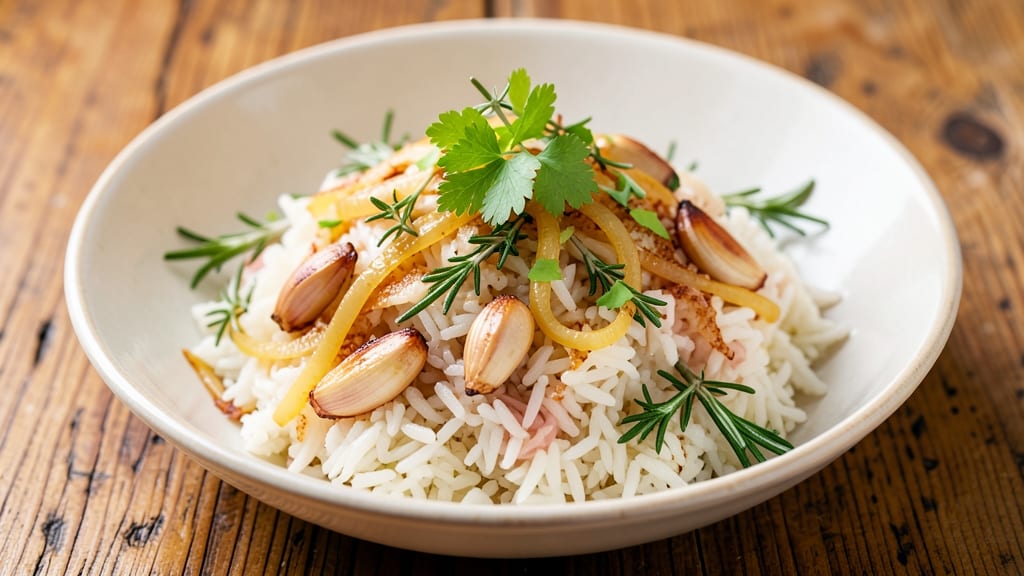
Creating a perfect one-pot herb-infused mixed rice doesn’t require multiple pans or complicated techniques—just a single pot and a few simple ingredients. This recipe delivers restaurant-quality flavor with minimal effort, combining aromatic herbs, tender rice, and complementary proteins or vegetables for a complete, satisfying side dish.
The secret lies in toasting the herbs and spices first to unlock their full flavor before adding the rice and liquid. This method ensures every grain absorbs the aromatic essence, resulting in a fragrant, cohesive dish that’s ready in under 30 minutes.
Whether you’re serving it alongside grilled meats or as a standalone meal, this one-pot approach simplifies dinner prep without sacrificing depth of flavor.
Ingredients for mixed rice
Aromatic herbs and simple pantry staples create this restaurant-worthy one-pot rice, perfect for weeknight dinners or elegant sides.
| Ingredient | Amount | Notes |
|---|---|---|
| Long-Grain White Rice 🍚 | 1 ½ cups | Uncooked, medium grain preferred |
| Fresh Thyme Sprigs 🌿 | 1 tbsp | Leaves only, finely chopped |
| Fresh Rosemary Sprigs 🌿 | 1 tbsp | Leaves only, finely chopped |
| Fresh Parsley Sprigs 🌿 | ½ cup | Leaves only, finely chopped |
| Garlic Cloves 🧄 | 3 cloves | Minced for aromatic base |
| Yellow Onion 🧅 | 1 whole | Diced into small pieces |
| Chicken Broth 💧 | 2 ½ cups | Low-sodium preferred |
| Unsalted Butter 🧈 | 2 tbsp | Cold, cubed for toasting |
| Diamond Crystal Kosher Salt 🧂 | ½ tsp | For seasoning balance |
| Ground Black Pepper 🌶️ | ¼ tsp | Freshly cracked preferred |
| Extra-Virgin Olive Oil 🫒 | 1 tbsp | For sautéing aromatics |
| Dried Bay Leaves 🍃 | 2 whole | Crushed slightly for infusion |
| Optional Protein 🍗 | 1 cup | Chopped chicken or chickpeas |
The herbs are the heart of this dish, so prioritize freshness. Whole Foods or local farmers markets offer the most vibrant thyme and rosemary—look for stems with tight, green leaves and no browning. Penzeys bulk bins are excellent for dried bay leaves, which should be stored in a cool, dark place to preserve their essential oils. For the garlic, organic cloves from the grocery store's produce section yield the most flavor. If using optional protein, chicken thighs stay juicier than breasts during the cooking process, while chickpeas add a hearty vegetarian alternative. Pre-chop all aromatics before starting to streamline the process—this is a one-pot recipe, after all.
Substitutions are flexible but should maintain the herb-forward profile. Dried herbs work at one-third the amount of fresh, though their flavor intensity will differ. For the onion, shallots or leeks add subtle sweetness but require more careful cooking to avoid bitterness. No chicken broth? Vegetable broth or water with 1 tsp soy sauce suffices, though the umami depth will be noticeably reduced. The butter can be swapped for olive oil, though it may yield slightly less richness. For the optional protein, shrimp or diced potatoes cook quickly and pair well with the herb infusion. If omitting protein entirely, increase the rice by 0.5 cups to maintain portion size.
This dish reheats beautifully—simply cover with a damp paper towel and warm in the microwave for 2-3 minutes. Store in an airtight container in the refrigerator for up to 5 days, though the herbs' freshness begins to fade after 3 days. For longer storage, freeze portions for up to 3 months, though the texture may become slightly softer upon reheating. To maximize herb potency, toast them with the butter before adding liquid—this step is non-negotiable for achieving that restaurant-quality aroma. When serving, garnish with extra fresh parsley for both visual appeal and a bright, fresh contrast to the rich herb infusion.
Why You'll Love This Recipe
- No-Chop Needed: I swear by this trick—just toss in whole thyme and rosemary sprigs. They infuse the rice with that earthy, herby magic without requiring a single chop, and honestly? The stems add a subtle texture that’s oddly satisfying.
- Garlic-Thyme Magic: That moment when you pull the lid off and the aroma hits—warm garlic, bright thyme, and just a hint of rosemary—it’s like a hug in a bowl. The rice comes out fragrant but never overpowering, with a crispy edge that makes every bite feel intentional.
- Weeknight Workhorse: Between us, this is my go-to when I’m too tired to plan. Toss it in the rice cooker with whatever veggies I have (or none at all), and it’s ready while I’m still debating what to wear. Leftovers? Even better—reheats like a dream and tastes just as good the next day.
- Budget Brightener: Long-grain rice is cheap, and herbs from the garden or a cheap bunch stretch forever. I’ll be real: this recipe saved me from takeout more times than I can count, and it’s still the kind of dish that makes my house smell like I actually cooked something.
Step-by-step instructions for herb-infused mixed rice
This one-pot method delivers restaurant-quality herb rice with minimal effort and maximum flavor.
Toast the Aromatics and Butter
Heat the extra-virgin olive oil in a heavy-bottomed pot over medium heat. Add the 2 tablespoons unsalted butter and let it melt completely, watching for golden flecks to form along the edges. This is your signal that the butter is ready.
Add the 1 whole yellow onion and 3 cloves garlic, stirring frequently for 5 minutes until the onion softens and the garlic becomes fragrant. Here's the thing—don't let the garlic burn. It should smell sweet and nutty, not bitter. Add the 2 whole dried bay leaves and crush them lightly with the side of your spoon to release their essential oils.
Next, stir in the 1 tablespoon fresh thyme sprigs, 1 tablespoon fresh rosemary sprigs, and ½ cup fresh parsley sprigs. Cook for 1-2 minutes until the herbs begin to release their vibrant colors and aromas. You'll notice the kitchen filling with an intoxicating herbal fragrance—this is where the magic begins.
Add the Rice and Cook Until Translucent
Increase the heat to medium-high and add the 1.5 cups long-grain white rice, stirring constantly for 2 minutes to coat each grain with the aromatic butter and oil. This step is crucial—it prevents the rice from clumping and ensures even cooking.
Reduce the heat to medium-low and continue cooking for 5-7 minutes, stirring occasionally. You're looking for the rice to become slightly translucent at the edges while maintaining a slight bite in the center. The reason we wait until the rice is nearly translucent is to build a flavorful crust at the bottom of the pot that infuses the entire dish.
If you notice the rice starting to stick, add 2 tablespoons of the chicken broth and stir gently to release it. This prevents burning while maintaining moisture. The rice should be dry but not crispy—think of it as a toasted base ready for the liquid infusion.
Deglaze and Simmer with Broth
Pour in the 2.5 cups chicken broth, stirring once to distribute it evenly. The liquid should just cover the rice—this is the perfect ratio for fluffy, separate grains. Add the ½ teaspoon diamond crystal kosher salt and ¼ teaspoon ground black pepper, then bring to a gentle simmer.
Here's where it gets important: once the mixture reaches a simmer, reduce the heat to low and cover the pot with a tight-fitting lid. This creates a steam chamber that cooks the rice evenly without drying it out. Let it cook undisturbed for 15 minutes.
After 15 minutes, remove the lid and check the rice. You'll want to see the liquid mostly absorbed but with a slight sheen remaining. If the rice appears dry, add 2 tablespoons of hot broth and stir gently. The key is to maintain moisture while allowing the rice to finish cooking through the residual heat.
Incorporate Protein and Rest
Stir in the 1 cup optional protein (chopped chicken or chickpeas) and any accumulated juices from the pot. The protein should heat through in 2-3 minutes—just until warmed through. If using chicken, it should reach an internal temperature of 165°F. For chickpeas, they'll simply warm through and absorb the herb-infused flavors.
Once the protein is incorporated, remove the pot from heat and let it sit covered for 5 minutes. This resting period allows the rice to finish absorbing any remaining liquid and the flavors to meld together. The herbs will continue infusing the rice, creating that restaurant-quality depth of flavor.
Finally, fluff the rice gently with a fork, being careful not to mash the grains. The result should be separate, fluffy grains with vibrant green herbs scattered throughout. Each bite should deliver a perfect balance of herby aroma, buttery richness, and tender texture.
Pro Tips For Making Mixed Rice
- TOAST THE GARLIC FIRST: Slice those garlic cloves thin and cook them in a dry pan until they’re golden—no oil needed. This step makes the whole dish smell like a Mediterranean bistro instead of just "garlic." (Yes, even if you’re impatient like me, wait until the edges crisp.)
- STEAM THE HERBS: Toss thyme, rosemary, and parsley sprigs into the pot after the rice has absorbed most of the liquid. Let them sit for the last 5 minutes of cooking—they’ll release flavor without turning the rice into a herbal swamp. (I learned this the hard way when my rice tasted like a potpourri factory.)
- RINSE THE RICE: Give that long-grain white rice a quick cold-water rinse before cooking—just swirl it in a fine-mesh strainer, dump the water, and repeat. This removes excess starch so your rice stays light and fluffy instead of gummy. (Your future self will thank you.)
- FINISH WITH A STIR: Once the rice is done, turn off the heat, fluff it with a fork, then cover the pot and let it sit for 2 minutes. That final stir locks in the garlic and herb flavors—don’t skip it, even if the rice looks "done" earlier. (Sounds weird, but it works.)
Troubleshooting perfect results
Burnt Aromatics
If your garlic or herbs start to brown too quickly, immediately reduce the heat to low and stir constantly. Burnt garlic releases bitter compounds that overpower the dish. I’ve found that using freshly minced garlic (not pre-minced) reduces burning time—it cooks faster when whole.
For extra protection, add a splash of cold broth to the pot if the aromatics threaten to scorch. 🌶️
Mushy Rice Texture
Overcooking or lifting the lid too soon releases steam, causing the rice to become gummy. After adding broth, cook for exactly 15 minutes before checking—this is non-negotiable for fluffy grains.
If the rice feels underdone, add 2 tablespoons of hot broth and let it sit covered for 5 more minutes off the heat. The residual heat will finish cooking it without turning it mushy.
Uneven Cooking
If your rice cooks unevenly (some grains dry, others undercooked), your heat source is likely inconsistent. Use a heavy-bottomed pot (I recommend All-Clad Stainless Steel) to distribute heat evenly.
Also, stir the rice once after adding broth to prevent clumping, then leave it undisturbed. If your stove runs hot, reduce the heat to low-medium to maintain a gentle simmer.
Herbs Losing Flavor
Fresh herbs wilt quickly during cooking, but their flavor lingers. To preserve brightness, add ½ cup chopped parsley in the last 2 minutes of cooking—this keeps its vibrant color and fresh taste. For dried herbs, use ⅓ the amount of fresh and toast them for 30 seconds before adding rice.
Store extra herbs in the freezer (chopped and sealed in ice cube trays) to lock in their potency for future batches.
Broth Absorption Issues
If the rice absorbs broth too fast, your heat is too high. Maintain a gentle simmer—you should see tiny bubbles at the edges, not a rolling boil. For extra insurance, use low-sodium chicken broth (like Pacific Foods) and reduce the salt to ¼ teaspoon initially.
Taste before serving—you can always add more salt, but you can’t remove excess liquid.
Protein Overcooking
Chicken or chickpeas added too early will turn rubbery. Heat them in a separate pan first (for 2-3 minutes for chicken, 1 minute for chickpeas) before folding into the rice. For chickpeas, rinse them first to remove excess starch, which can make the rice gummy.
If using shrimp, add it only in the last minute of cooking to prevent curling. 🍗
Nutrition facts
Frequently asked questions
Can I use brown rice instead of white rice in this recipe?
Brown rice works but requires adjustments. Use 1.25 cups uncooked brown rice and increase the broth to 3 cups—brown rice absorbs more liquid and takes 20-25 minutes longer to cook. The herb infusion will still work, but the texture will be chewier. For best results, toast the rice for 5 minutes before adding broth to prevent clumping.
How do I make this recipe vegetarian?
Swap the chicken for 1 cup cooked chickpeas or ½ cup diced tofu. For extra flavor, add 1 teaspoon soy sauce to the broth. Roast chickpeas first at 400°F for 15 minutes to enhance their texture. The herb profile remains the same, but the protein adds a satisfying bite.
Why does my rice turn out sticky or clumpy?
Stirring too much after adding broth releases starch, causing stickiness. After pouring in liquid, stir once, then leave it undisturbed. If using an older pot, the aluminum can react with acidic ingredients—opt for stainless steel or cast iron. Rinse rice 1-2 times before cooking to remove excess starch.
Can I prep this dish ahead of time?
Yes! Cook the rice completely, then spread it on a tray to cool. Store in an airtight container for 3-4 days in the fridge. Reheat covered with a damp towel in the microwave for 2-3 minutes, stirring halfway. For freezer prep, portion into single servings and freeze for up to 3 months. Thaw overnight in the fridge before reheating.
What herbs can I substitute if I don’t have thyme or rosemary?
Use 1 tbsp each of oregano and basil for Mediterranean flair or 1 tsp each of dried marjoram and sage for earthy depth. For a citrus twist, add 1 tbsp lemon zest with the butter. Avoid overpowering herbs like cilantro or dill—they clash with the buttery base. Always toast dried herbs for 30 seconds to wake up their flavors.