
Desserts
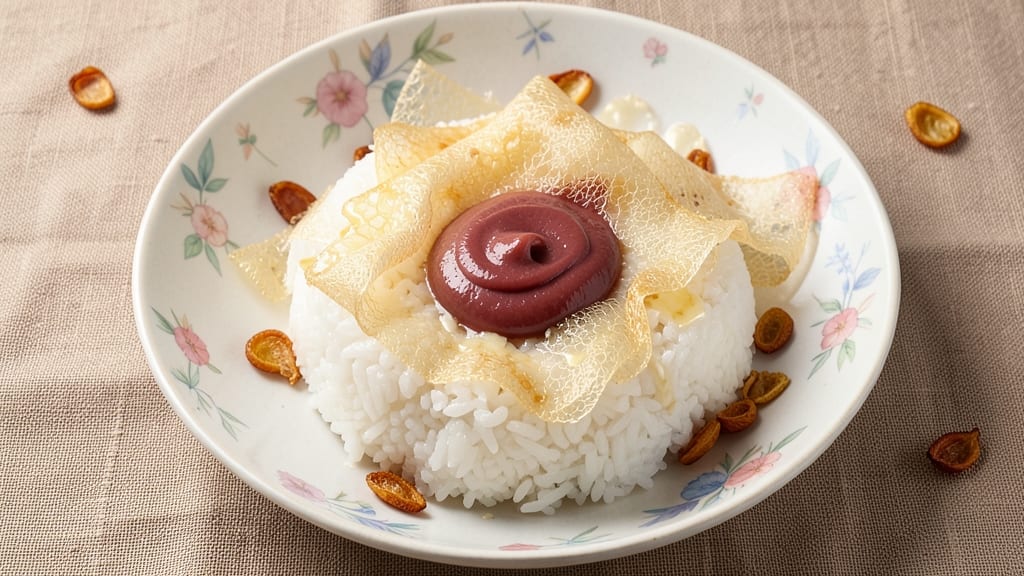
This mochi rice recipe transforms simple glutinous rice into chewy, pillowy bites that melt in your mouth—each one filled with rich sweet bean paste. The texture is what makes it special: soft yet resilient, with a satisfying resistance that gives way to velvety sweetness.
I first discovered this technique while studying traditional Japanese mochigome preparation, and it’s become a staple in my dessert repertoire.
The process starts with perfectly cooked glutinous rice, which is then shaped into small, smooth balls before steaming to achieve that signature chewy texture. Sweet red bean paste (anko) adds depth of flavor, balancing the subtle sweetness of the rice.
What sets this apart is the technique of gently pressing the rice into shape—too much force makes it dense, too little leaves it crumbly.
By the end, you’ll have a batch of bite-sized mochi rice treats that are ideal for gift-giving, potlucks, or simply indulging yourself. The combination of warm spices and smooth bean paste creates a dessert that’s both nostalgic and sophisticated.
These can be served warm or at room temperature, making them versatile for any occasion.
For an extra touch, dust the finished mochi with a light layer of cornstarch to prevent sticking, and consider adding a drizzle of honey or a sprinkle of matcha powder for modern flair. The key is patience—letting the rice cool slightly before shaping ensures perfect texture every time.
Ingredients for mochi rice
Twelve ingredients transform traditional glutinous rice into delicate mochi bites with velvety bean paste centers.
| Ingredient | Amount | Notes |
|---|---|---|
| Glutinous Rice (Mochigome) 🍚 | 2 cups | Uncooked, short-grain preferred |
| Sweet Red Bean Paste (Anko) 🍫 | 1 ½ cups | Store-bought or homemade |
| Water 💧 | 2 ½ cups | Filtered preferred for clarity |
| Cornstarch 🌾 | ½ cup | For dusting and shaping |
| Kuzu (Kudzu Starch) 🌾 | 2 tbsp | Traditional for elasticity |
| Unsalted Butter 🧈 | 2 tbsp | For coating steamer basket |
| Honey 🍯 | 1 tbsp | Optional drizzle for finish |
| Matcha Powder 🍃 | 1 tsp | Optional green tea finish |
| Diamond Crystal Kosher Salt 🧂 | ¼ tsp | Fine grain for delicate seasoning |
| Vanilla Extract 🌿 | ½ tsp | Enhances bean paste flavor |
| Sesame Seeds 🌰 | 1 tbsp | Toasted for garnish |
| White Rice Vinegar 🍶 | 1 tsp | Balances sweetness |
The glutinous rice is the foundation, and Japanese short-grain mochigome delivers the signature chewy texture. Asian grocery stores like H Mart or Mitsuwa carry premium brands, but Bob's Red Mill. Avoid pre-cooked rice—freshly cooked grains absorb moisture evenly. For the bean paste, high-quality anko (like Mitsukan or Koyo) elevates flavor, though homemade paste made with adzuki beans and sugar achieves authentic depth. The kuzu starch, often found in Asian markets, creates that signature stretch—substitute arrowroot at half the amount if unavailable. Toast your sesame seeds in a dry pan until golden for maximum aroma.
No kuzu starch? Arrowroot powder at half the quantity mimics its binding properties, though texture will differ slightly. Substitute honey with agave for vegan options, but reduce by 10% due to its higher moisture content. For a modern twist, swap matcha for culinary-grade spirulina (reduce to ½ tsp). The butter coating isn't just for flavor—it prevents sticking during steaming. If using store-bought anko with added preservatives, infuse it with vanilla extract to enhance natural sweetness. The vinegar acts as a subtle brightener; omit entirely if your bean paste is tart.
Freshly cooked rice must cool completely before shaping—30-45 minutes at room temperature—to prevent crumbling. Store shaped mochi in an airtight container between layers of parchment paper for up to 5 days. For longer storage, freeze unsteamed mochi balls in a single layer before transferring to a bag—steam directly from frozen, adding 2-3 minutes. The cornstarch coating keeps them from adhering; dust generously between batches. Garnishes like sesame seeds or matcha powder should be added post-steaming to preserve their freshness.
Why You'll Love This Recipe
- No Steam, No Stress: I swear by this stovetop method—no fancy rice cooker or hours of steaming. Just boil the glutinous rice with water, then stir in that magical kuzu starch at the end for that signature glossy texture. Ten minutes, tops, and zero cleanup.
- Sweet Cheeky Comfort: That first bite of warm anko oozing out? Pure happiness. The red bean paste isn’t just sweet—it’s got this deep, earthy richness that makes every spoonful feel like a hug. (Yes, even on a Tuesday night.)
- Crowd-Pleaser Flex: I’ve served this at picnics, potlucks, and even my mom’s birthday—no one ever leaves with leftovers. The texture’s fun enough for kids, but the subtle kuzu depth keeps adults reaching for seconds. Bonus: it’s the one dish where everyone’s happy.
- Budget Magic: Glutinous rice and anko are my pantry’s secret weapons. A single bag of each lasts months, and you only need a splash of kuzu to transform simple rice into something special. Honestly, it’s the most cost-effective way to feel fancy without breaking the bank.
Step-by-step instructions for chewy-soft mochi rice with bean paste
Precision and patience create the perfect balance of texture and flavor in these delicate treats.
Prepare the Glutinous Rice Mixture
Rinse the 2 cups glutinous rice (mochigome) under cold water until the water runs completely clear—this removes excess starch that would make the mochi gummy. Drain thoroughly in a fine-mesh strainer for 5 minutes, then transfer to a mixing bowl.
In a separate bowl, whisk together the 2.5 cups water, 0.5 cup cornstarch, and 2 tbsp kuzu (kudzu starch) until fully dissolved. The kuzu starch is essential—it creates that signature chewy elasticity. Pour this liquid mixture over the drained rice and stir gently with a rubber spatula. Let it sit for 15 minutes to hydrate completely. The rice should absorb the liquid and form a thick, dough-like consistency.
Steam the Rice Dough to Perfection
Line a bamboo steamer basket with a dampened cheesecloth or butterflied lettuce leaves (lightly coat with 2 tbsp unsalted butter to prevent sticking). Spread the rice mixture evenly across the steamer, pressing down gently to create a ½-inch thick layer. Cover the steamer with a damp towel to prevent the rice from drying out during cooking.
Bring a large pot of water to a rolling boil, then place the steamer on top. Steam over medium-high heat for 45-50 minutes, until the rice dough is fully cooked and slightly translucent at the edges. You'll know it's ready when a toothpick inserted into the center comes out clean. If the dough sticks to the steamer, don't force it—use a thin metal spatula to gently loosen the edges. Let it cool for 10 minutes before handling.
Shape and Fill the Mochi Bites
Transfer the steamed rice dough to a clean work surface dusted with 0.5 cup cornstarch to prevent sticking. Knead lightly for 2-3 minutes until smooth and pliable. Divide the dough into 12 equal portions (about 1.5 ounces each) and roll each into a 1-inch thick oval shape using your palms. Press down firmly to create a flat, even base—this ensures uniform thickness when sliced.
Place 1 tablespoon sweet red bean paste (anko) in the center of each oval. Using a sharp knife, carefully slice the dough in half vertically, then fold the two halves together to encase the filling completely. Press the edges gently to seal, creating a neat, rounded mochi shape. The filling should be fully enclosed—any exposed anko will darken during steaming.
Steam the Filled Mochi to Silky Texture
Arrange the filled mochi bites in a single layer on a fresh bamboo steamer lined with damp cheesecloth. Steam over medium heat for 12-15 minutes, until the exterior is slightly translucent and the edges pull away cleanly from the steamer. Avoid overcrowding—the mochi needs room to expand slightly. If they stick, use a damp pastry brush to lightly coat the steamer between batches.
Once steamed, transfer the mochi to a wire rack and let them cool for 5 minutes. While still warm, brush the tops with a mixture of 1 tbsp honey and 1 tsp white rice vinegar (whisked together) for a glossy finish and subtle tang. Sprinkle generously with 1 tbsp toasted sesame seeds and dust lightly with 1 tsp matcha powder for color and aroma. For extra depth, add 0.5 tsp vanilla extract to the bean paste before filling—it enhances the sweetness without overpowering.
Season and Serve Immediately
Taste one mochi bite and adjust seasoning if needed. The 0.25 tsp diamond crystal kosher salt should balance the sweetness of the anko, while the matcha adds an earthy note. Serve warm or at room temperature—these mochi are best enjoyed within 2 hours of preparation, as they firm up slightly as they cool. For a refined presentation, arrange on a platter with a dusting of additional matcha powder and a drizzle of honey along the edge.
Each bite should offer a three-stage texture experience: a delicate, slightly chewy exterior that gives way to a soft, pillowy center, followed by the creamy resistance of the sweet red bean paste. The combination of kuzu starch and proper steaming time is what creates this signature mouthfeel—don't rush this step.
Pro Tips For Making Mochi Rice
- Soak Rice Overnight: Glutinous rice needs time to soften—don’t rush it. I used to soak it for just a few hours, and the texture always came out gummy instead of tender. Twelve hours minimum in cold water (or overnight) guarantees the perfect chewy bite when cooked.
- Sift the Anko: Store-bought anko often has lumps that turn your mochi rice into a texture nightmare. Sift it through a fine-mesh strainer before mixing—yes, it’s tedious, but your final dish will be silky smooth instead of clumpy.
- Boil Kuzu First: Skip dissolving kuzu in cold water—it clumps like glue. Instead, sprinkle it into boiling water while stirring vigorously. This guarantees a glossy, even coating for your rice, not a sticky mess.
- Steam, Don’t Boil: After mixing rice and anko, steam it in a bamboo basket or colander over simmering water. Boiling it directly turns the edges rubbery and uneven—I’ve learned this the hard way with burnt bottoms and undercooked centers.
Creative variations of these flavors
Savory Mochi Twist
Swap the sweet red bean paste for 2 cups finely chopped shiitake mushrooms sautéed with 1 tbsp soy sauce, 1 tsp sesame oil, and ½ tsp grated ginger. Knead the rice dough with 1 tsp furikake seasoning for umami depth.
Steam the filled mochi as directed, then brush with a mix of 1 tbsp mirin and 1 tsp rice vinegar before dusting with 1 tsp black sesame seeds. The earthy mushrooms and savory notes create a sophisticated Japanese okonomiyaki-inspired* variation that’s perfect for tea pairings. 🍄
Matcha White Chocolate Fusion
Infuse the bean paste with 1 tbsp white chocolate chunks and 1 tsp matcha powder while warming the anko. Use ½ cup white chocolate ganache (melted ½ cup white chocolate with 2 tbsp heavy cream) as the filling instead of traditional anko.
Roll the mochi in crushed pistachios before the final steam for a luxurious finish. This fusion balances the bitterness of matcha with sweet, creamy white chocolate—ideal for modern desserts. 🍫
Tropical Fruit Mochi
Replace the red bean paste with 1.5 cups mango purée (blend 2 ripe mangoes with 1 tbsp lime juice) mixed with 1 tbsp honey. Add ½ tsp chili powder for a spicy-sweet kick.
Garnish with toasted coconut flakes and a drizzle of agave syrup before serving. The tropical flavors shine in this vibrant variation, perfect for summer gatherings. 🥭
Chocolate Hazelnut Mochi
Fill the mochi with 1.5 cups Nutella (or homemade chocolate-hazelnut spread) mixed with 1 tbsp cocoa powder for extra richness. Roll the finished mochi in crushed hazelnuts before the final steam.
Brush with 1 tbsp melted dark chocolate after steaming for a glossy, decadent finish. This Italian-Japanese fusion is a crowd-pleaser with deep, nutty flavors. 🌰
Sesame Black Sesame Mochi
Divide the bean paste into two portions. Mix 1 cup with 1 tbsp toasted white sesame seeds and the other with 1 tbsp toasted black sesame seeds. Fill half the mochi with each paste, creating a striking contrast.
Dust the finished mochi with a mix of white and black sesame seeds for visual appeal. The nutty, toasty notes elevate the traditional recipe with a modern twist. 🌾
Warm Spiced Mochi
Infuse the rice dough with ½ tsp cinnamon and ¼ tsp cardamom during kneading. Fill with 1.5 cups spiced anko (anko simmered with 1 cinnamon stick and 1 star anise for 5 minutes).
Top with crushed candied ginger and a drizzle of orange blossom water for a fragrant, aromatic variation inspired by Middle Eastern sweets. 🍊
Nutrition facts
Frequently asked questions
What's the secret to getting the perfect chewy texture?
The key lies in the kuzu starch and proper steaming. The kuzu creates elasticity, while steaming for 45-50 minutes ensures even cooking. Let the rice cool slightly before shaping—warm dough sticks and tears. Dust your work surface with cornstarch to prevent sticking during assembly.
Can I make this recipe without kuzu starch?
Yes! Substitute with arrowroot powder at half the amount (1 tbsp instead of 2 tbsp kuzu). The texture will be slightly less stretchy but still chewy. For extra moisture control, add ½ tsp xanthan gum to the rice mixture. Test small batches first to adjust consistency.
How do I store leftover mochi rice?
Keep shaped (unsteamed) mochi in an airtight container between layers of parchment paper for up to 5 days at room temperature. For longer storage, freeze unsteamed mochi balls for up to 3 months. Steam directly from frozen, adding 2-3 extra minutes. Never refreeze steamed mochi—they become gummy.
What if my mochi turns out too dense?
Overworking the dough or insufficient steaming causes density. For next time, steam the rice dough for 5-10 minutes longer and knead gently—just until smooth. Add 1 extra tbsp water to the initial mixture if the dough feels dry. Let it rest 10 minutes before shaping to relax the gluten.
Can I make these mochi without a bamboo steamer?
Use a metal colander or heatproof plate with a tight-fitting lid. Line with damp cheesecloth and place over boiling water in a pot. Steam for 5-10 minutes longer than bamboo steamer times. For even cooking, ensure water doesn't touch the bottom—use a trivet or folded towel.