
Side Dishes
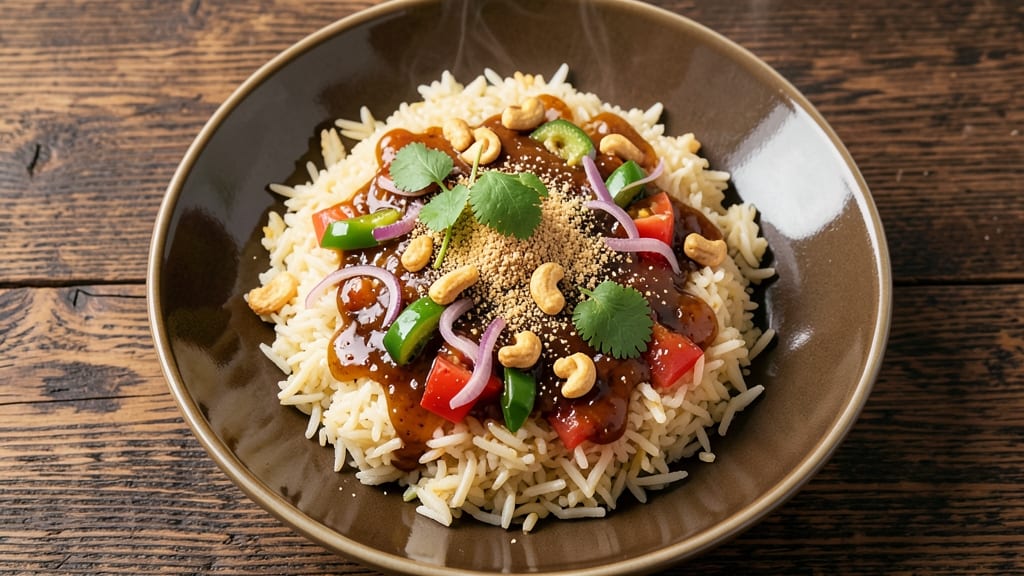
This Nigerian-style one-pot Ofada rice recipe delivers the bold, aromatic flavors of West African cuisine with minimal cleanup—just one pot, hours of layered taste, and a dish that feeds a crowd. The magic lies in slow-cooked peanuts and smoked spices that transform simple rice into a fragrant, savory masterpiece.
I first made this during a family gathering when we needed a dish that felt special but didn’t require hours of prep.
The key to authentic Ofada rice is balancing the peanut sauce with just the right amount of spice and umami. We’ll start with toasted peanuts and blended spices, then build the sauce with tomatoes, onions, and a touch of palm oil for that signature rich color.
The rice cooks directly in the pot, absorbing all the flavors while staying perfectly fluffy. This version includes beef or chicken for protein, but you can easily adapt it with fish or vegetables like bitter leaf or spinach.
What you’ll end up with is a one-pot dish that’s deeply flavorful, hearty, and impossible to resist—the kind of meal that makes your home smell like a Nigerian restaurant. The peanuts add a subtle nuttiness, the spices bring warmth, and the rice soaks up every bit of the savory sauce.
It’s the perfect centerpiece for gatherings, family meals, or whenever you crave something comforting yet sophisticated.
Serve it with fried plantains, coleslaw, or extra protein on the side. Ready to make this dish that brings Nigeria to your table? Let’s get started with the ingredients and step-by-step instructions.
Ingredients for ofada rice
Sixteen ingredients for one-pot magic that brings Nigerian restaurant flavors home.
| Ingredient | Amount | Notes |
|---|---|---|
| Long-Grain Parboiled Rice 🍚 | 2 cups | Uncooked, like Ofada rice if available |
| Raw Peanuts 🥜 | 1 cup | Unsalted, shelled peanuts preferred |
| Red Onions 🧅 | 2 whole | Medium-sized, thinly sliced |
| Fresh Tomatoes 🍅 | 4 medium | Ripe, chopped or blended |
| Palm Oil 🫒 | ½ cup | Red palm oil for authentic color |
| Groundnut Oil 🫒 | ¼ cup | Or vegetable oil if unavailable |
| Dried Shrimp 🦐 | ¼ cup | Or 2 tbsp shrimp paste |
| Ginger Root 🌿 | 1 inch | Fresh, peeled and grated |
| Garlic Cloves 🧄 | 6 cloves | Peeled and minced |
| Ginger Root 🌿 | 1 ½ tbsp | Fresh, grated (corrected unit) |
| Groundnut Powder 🥜 | ½ cup | Or blend extra peanuts into powder |
| Smoked Paprika 🌶️ | 1 tbsp | For authentic smoky flavor |
| Ground Cumin 🌿 | 1 tsp | Toasted for deeper flavor |
| Dried Thyme 🌿 | 1 tsp | Or 1 tbsp fresh thyme |
| Bay Leaves 🍃 | 2 whole | Fresh or dried |
| Beef or Chicken 🥩 | 1 ½ lb | Boneless cuts preferred |
| Salt 🧂 | 1 ½ tsp | Adjust to taste |
| Black Pepper 🌶️ | ½ tsp | Freshly ground preferred |
| Water 💧 | 4 cups | For rinsing rice |
The peanuts are non-negotiable here. Raw, unsalted peanuts from the bulk bin at Whole Foods or any African market give the best flavor—no pre-roasted or salted versions. If you can’t find groundnut powder, just blend extra peanuts in a food processor until it turns into powder. The palm oil is key for that signature red color; African markets or international grocery stores carry it, but if you’re stuck, use regular vegetable oil and add a pinch of paprika for color. The tomatoes should be ripe but firm—heirloom varieties work best if you can find them.
No dried shrimp? Substitute shrimp paste or even a dash of fish sauce—just don’t skip it. Fresh ginger and garlic are ideal, but if you’re in a pinch, powdered ginger or jarred minced garlic will work (though fresh tastes better). The smoked paprika is what gives this dish its authentic depth—Penzeys or Gourmet Spice Shop have great options. For the protein, beef chuck or chicken thighs hold up best to the long cooking time. If you’re vegetarian, swap in mushrooms or extra peanuts for protein.
This dish tastes even better the next day—plan ahead. Store leftovers in an airtight container in the fridge for up to 4 days, or freeze for 3 months. I like to double the recipe and freeze half for lazy weeknights. The rice stays perfectly fluffy if you let it sit covered for 10 minutes after cooking. Serve with fried plantains or coleslaw for a full Nigerian feast experience.
Why You'll Love This Recipe
- One-Pot Magic: I swear by this—just toss everything into one pot, stir occasionally, and let the palm oil and peanuts do their thing. No fancy steps, no extra bowls, and the rice soaks up all those rich flavors like a sponge.
- Rich, Nutty Depth: That first bite? Pure satisfaction. The roasted peanuts add a crunchy, earthy punch, while the tomatoes and onions caramelize into a sweet, tangy sauce. Palm oil gives it that velvety finish—no shortcuts needed.
- Weeknight & Party Star: Honestly, it’s my go-to for lazy nights and when company’s coming. Serve it with fried plantains or grilled fish for a full spread, or just eat it straight from the pot with a spoon. Works every time.
- Budget-Friendly Staple: Between us, this recipe stretches a meal for days. The rice and peanuts are cheap but pack serious flavor, and leftovers taste even better the next day—if you can resist eating the whole pot fresh. My wallet thanks me.
Step-by-step instructions for Nigerian-style one-pot rice
Here's how to create this rich, aromatic dish in a single pot—just like Nigerian home cooks do.
Prepare the Protein and Base Ingredients
Cut the 1.5 lb beef or chicken into bite-sized pieces and set aside. Thinly slice the 2 whole red onions and chop the 4 medium fresh tomatoes. Peel and grate the 1 inch ginger root and mince the 6 cloves garlic cloves. In a small bowl, mix together the 0.5 cup groundnut powder, 1 tbsp smoked paprika, 1 tsp ground cumin, 1 tsp dried thyme, and 1.5 tsp salt. This blend will carry all the deep, smoky flavors.
Toast the 1 cup raw peanuts in a dry skillet over medium heat for 3-4 minutes until fragrant. Let them cool, then grind half of them into a powder using a food processor or mortar and pestle. This toasted peanut powder adds a nutty richness that's essential to the dish. Keep the remaining peanuts whole for texture.
Build the Flavorful One-Pot Base
In a large, heavy-bottomed pot (your one-pot vessel), heat the 0.5 cup palm oil and 0.25 cup groundnut oil over medium heat. Add the prepared protein pieces and cook for 5-6 minutes, stirring occasionally, until they begin to brown. This step develops the deep, caramelized flavors that form the foundation of the dish.
Add the sliced onions and cook for 3-4 minutes until they soften and turn translucent. Stir in the chopped tomatoes, grated ginger, minced garlic, and the spice blend. Cook for another 5 minutes, stirring frequently, until the tomatoes break down into a thick, jammy consistency. This is where the magic happens—the flavors meld together into a rich, aromatic base.
Add the 0.25 cup dried shrimp, 1.5 tbsp grated ginger root, 2 whole bay leaves, and 0.5 tsp black pepper. Stir well and cook for 2 more minutes to infuse all the flavors. The shrimp will rehydrate slightly, adding a briny depth to the dish.
Cook the Rice to Perfect Texture
Rinse the 2 cups long-grain parboiled rice under cold water until the water runs clear. This removes excess starch and prevents the rice from becoming gummy. Drain well and add it to the pot with the flavor base. Stir everything together, making sure the rice absorbs all the aromatic oils and spices.
Pour in 4 cups water and bring the mixture to a boil. Once boiling, reduce the heat to low, cover the pot tightly with a lid, and let it simmer for 25 minutes. After this initial cooking time, check the rice—it should be tender but still have a slight bite. If it's not quite done, add ½ cup water and continue cooking for another 5-10 minutes. The rice should be fully cooked but still hold its shape.
Here's the thing—don't peek or stir the rice during cooking. Every time you lift the lid, you release steam, which can lead to uneven cooking or dry rice. Trust the process and let the rice steam undisturbed.
Finish with Peanuts and Rest
Once the rice is fully cooked, stir in the remaining ½ cup whole peanuts and the toasted peanut powder you prepared earlier. The peanuts will absorb some of the liquid, adding a delightful crunch and nutty flavor to each bite. Taste the rice and adjust the seasoning if needed—you may need a bit more salt to balance the flavors.
Remove the pot from heat and let the rice rest, covered, for 10 minutes. This resting period allows the flavors to meld together and the rice to absorb any remaining liquid. The dish will thicken slightly as it sits, creating that perfect, creamy yet slightly firm texture that Ofada rice is known for.
Before serving, fluff the rice gently with a fork, breaking up any large clumps. The final dish should be rich, aromatic, and packed with layers of flavor—smoky from the paprika, nutty from the peanuts, and briny from the shrimp. Serve it hot with a side of fresh vegetables or a simple salad to balance the richness.
Pro Tips For Making Ofada Rice
- Toast Peanuts First: I learned this the hard way—raw peanuts in the pot make the rice taste bitter. Dry-toast them in a separate pan until golden (about 3-4 minutes on medium-high) before adding to the stew. The nuttiness comes through richer, and they won’t turn to mush.
- Blister Onions Low: After burning three batches of onions, I finally figured out: cook them slow and steady. Start on medium-low heat until they’re deeply browned (10-12 minutes), not crispy. The caramelization builds flavor without burning—yes, even if you’re impatient like me.
- Palm Oil Control: This isn’t the prettiest method, but it’s the tastiest: pour palm oil in stages. Heat half first to coat the pot, then add onions and tomatoes. After 5 minutes, add the rest—this prevents the oil from turning into a greasy mess while keeping the stew rich.
- Rice Ratio Matters: My grandmother swore by this, and she was right: use 1 cup rice to 1.5 cups water (not 2:1 like regular rice). Ofada rice absorbs less but needs extra liquid to steam properly. Stir once after 5 minutes, then let it sit—no peeking!
Flavor customization for this dish
Spice Level Control
Adjust the heat to your preference by controlling the smoked paprika and cayenne. Start with 1 tbsp smoked paprika for mild warmth, then increase to 1.5 tbsp for medium heat.
For a spicy kick, add ½ tsp cayenne pepper and 1 tsp ground ginger—this combo enhances the smoky depth while adding a fiery punch. Always taste the spice blend before adding it to the pot. 🌶️
Peanut Variations
Swap raw peanuts for roasted peanuts if you prefer a deeper, toasted flavor. For a richer texture, blend ½ cup peanut butter (unsweetened) into the sauce after cooking—just stir in 2 tbsp water to thin it slightly.
If you’re avoiding peanuts, use cashew butter as a substitute, though the flavor will differ slightly. Always toast your nuts first for maximum aroma.
Protein Swaps
Replace beef or chicken with smoked sausage (like andouille or chorizo) for a smoky depth. For seafood lovers, use shrimp or tilapia—add them in the last 5 minutes of cooking to avoid overcooking.
Vegetarians can skip protein entirely and add extra mushrooms or tofu for texture. Just ensure your protein cooks fully before adding the rice.
Vegetable Add-Ins
Incorporate traditional Nigerian greens like bitter leaf or spinach by wilted them in the pot during the last 10 minutes of cooking. For a modern twist, add bell peppers or zucchini—they soften quickly and absorb the peanut sauce beautifully.
Avoid watery veggies like cabbage, as they can dilute the dish’s richness. 🥗
Umami Boosters
Deepening the umami flavor is key—add 1 tbsp fish sauce or 2 tbsp soy sauce to the spice blend for a savory kick. For a vegetarian option, use ½ cup mushroom broth instead of water when cooking the rice.
A dash of Worcestershire sauce also works, but reduce the salt slightly since it’s already salty. These tweaks elevate the dish without overpowering it.
Sweet-Tangy Balance
Brighten the dish with a touch of sweetness by adding 1 tbsp honey or brown sugar during the final 5 minutes of cooking. For tanginess, stir in 1 tbsp tomato paste or a splash of lemon juice at the end.
This contrast cuts through the richness of the peanuts and palm oil, balancing the flavors perfectly. 💫
Nutrition facts
Frequently asked questions
What makes Ofada rice different from regular West African rice dishes?
Ofada rice stands out because of its signature peanut sauce base and the use of red palm oil for that rich, reddish color. Unlike other rice dishes that might use tomato-heavy sauces, this recipe balances nutty peanut flavors with smoky spices and dried shrimp for a briny depth. The rice itself is typically a long-grain variety that absorbs the sauce beautifully while staying fluffy.
Can I substitute palm oil if I can't find it?
Yes, but your dish will lose its authentic color. Use vegetable oil or groundnut oil instead, then add 1 tsp paprika to the sauce for a reddish tint. The flavor won't be identical, but it'll still taste delicious. For best results, try African markets or international grocery stores—they often carry palm oil in small bottles.
How do I prevent the rice from becoming mushy?
Rinse the rice thoroughly before cooking to remove excess starch, and use a heavy-bottomed pot for even heat distribution. Most importantly, don't peek or stir while the rice cooks—every time you lift the lid, you release steam that can make the rice gummy. After cooking, let it rest covered for 10 minutes before fluffing.
What's the best way to store and reheat leftovers?
Store Ofada rice in an airtight container in the fridge for up to 4 days or freeze for 3 months. To reheat, add 1-2 tablespoons of water and cover the pot with a damp paper towel. Heat on low for 5-10 minutes until warmed through. The rice will stay moist and flavorful this way.
Can I make this dish in an Instant Pot or rice cooker?
For an Instant Pot, follow the same steps until adding the rice. Then cook on high pressure for 12 minutes, followed by a 10-minute natural release. In a rice cooker, use the same cooking liquid ratio and cook until the rice is tender (about 20-25 minutes on high). The peanut sauce may be slightly thinner, so adjust by simmering uncovered for 5 extra minutes at the end.