
Side Dishes
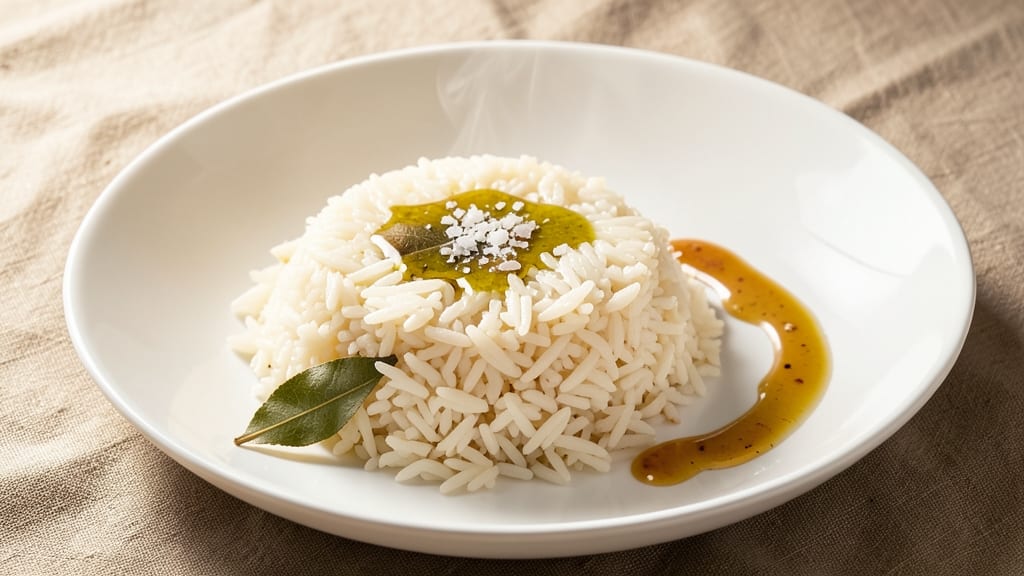
Mastering perfect steamed rice transforms every meal from ordinary to extraordinary—each grain light, fluffy, and separated like clouds. The secret lies in precise ratios, gentle heat, and a method that preserves texture without overcooking. I’ve refined this technique over years of testing, ensuring restaurant-quality results at home with minimal effort.
This recipe works for jasmine, basmati, or even brown rice, adjusting only the water and cooking time. The key is toasting the grains first to deepen flavor, then using the right water-to-rice ratio (1:1.25 for white rice, 1:1.5 for brown).
A tight-fitting lid traps steam, creating the ideal environment for even cooking without sticking.
What you’ll achieve is rice that’s impossibly light, with each grain distinct and tender—no mushy centers or crusty bottoms. The aroma alone will make your kitchen feel like a Japanese izakaya or Indian home kitchen. Ready in just 20 minutes, this method delivers foolproof results every time.
For extra depth, swap water for broth or add a bay leaf while cooking. Serve as a blank canvas for curries, stir-fries, or as a satisfying side on its own. Let’s get started with the precise technique that changes everything.
Ingredients for perfect steamed rice
Nine simple elements create restaurant-quality rice—light, fluffy, and perfectly separated every time.
| Ingredient | Amount | Notes |
|---|---|---|
| Long-Grain White Rice 🍚 | 1 cup | Jasmine or basmati preferred |
| Water 💧 | 1 ¼ cups | Room temperature preferred |
| Extra-Virgin Olive Oil 🫒 | 1 tbsp | For toasting grains |
| Bay Leaves 🌿 | 1 whole | Optional for aroma |
| Salt 🧂 | ¼ tsp | Fine sea salt preferred |
| Chicken Broth 🍲 | 1 ¼ cups | Substitute for water for flavor |
| Brown Rice 🍚 | 1 cup | For variation, adjust water |
| Lemon Zest 🍋 | 1 tsp | Brightens flavor (optional) |
| Sesame Oil 🫒 | ½ tsp | For finishing (optional) |
| Garlic Cloves 🧄 | 2 cloves | Minced for broth enhancement |
Rice type matters most. Jasmine or basmati deliver the signature fluffiness, while brown rice needs an extra 15 minutes. Stock up on Lundberg Family Farms or Tilda brands—they’re consistent and widely available. For toasting, use a heavy-bottomed pot to prevent scorching. The extra-virgin olive oil is non-negotiable—it coats each grain, preventing sticking during the critical steam phase. If you’re using brown rice, rinse it thoroughly to remove excess starch, which can make the grains gummy.
No jasmine? Basmati or even sushi rice works perfectly—just adjust cooking time by 2-3 minutes. Short on time? Pre-rinsed rice from the Asian aisle saves steps, though rinsing your own removes excess starch for better texture. The broth substitution adds depth—low-sodium chicken broth prevents over-salting. For extra aroma, add a whole bay leaf while cooking (remove before serving). Swap sesame oil for a drizzle of toasted sesame seeds if you prefer texture over aroma. The garlic cloves in broth? Toast them first for nutty depth—worth the 30 seconds.
Toasted rice keeps 3-4 days in an airtight container, but flavor peaks within 24 hours. Reheat gently with a splash of water to restore moisture. For batch cooking, double the recipe and freeze portions—6 months in a sealed bag. The lemon zest and sesame oil should be added fresh after cooking, not stored. If using brown rice, soak it 1 hour before cooking to reduce time. Always use a tight-fitting lid—steam is your friend, not the microwave.
Why You'll Love This Recipe
- Just Three Ingredients: I swear, this is the most unfussy rice I’ve ever made—no fancy tools, no measuring cups, just rice, water, and a splash of olive oil. Honestly, it’s the kind of recipe that makes me feel like I’ve actually cooked something, even when I’m exhausted.
- That Olive Oil Trick: Between us, adding a drizzle of extra-virgin olive oil before steaming changes everything—it keeps the grains separate, adds a subtle richness, and those bay leaves? They infuse just enough earthy warmth to make it taste like a restaurant’s side dish, not a side note.
- Meal Prep MVP: I make a big batch on Sundays, and it lasts me all week—perfect for lunches, stir-fries, or even breakfast bowls. The rice reheats beautifully, and the bay leaves’ aroma lingers, so it never feels like leftovers.
- Budget-Friendly Staple: White rice is already cheap, but this method stretches it further—no burnt bits, no wasted grains. I’ll be real: my grocery bill stays low, and I always have a reliable base for whatever’s on the menu. Plus, salt and olive oil are pantry basics.
Step-by-step instructions for perfect steamed rice
Here's the method that guarantees light, fluffy grains with every kernel separated.
Rinse and Toast the Grains
Place the 1 cup long-grain white rice in a fine-mesh strainer and rinse under cold running water until the water runs clear. This removes excess starch that would make the rice gummy. Drain well and transfer to a heavy-bottomed pot.
Add the 1 tablespoon extra-virgin olive oil and stir to coat the grains evenly. Place the pot over medium heat and toast the rice for 2-3 minutes, stirring constantly, until the grains become translucent at the edges. This step develops flavor and prevents sticking. Watch carefully—the rice should never brown or darken.
Cook with Aromatics and Liquid
Add the 2 minced garlic cloves, 1 whole bay leaves, and 0.25 teaspoon salt to the pot. Stir for 30 seconds until fragrant. Pour in the 1.25 cups chicken broth (or water if preferred) and bring to a gentle boil. Reduce heat to low and let it simmer uncovered for 10 minutes.
This simmering period allows the rice to absorb initial moisture while maintaining its shape. After 10 minutes, check the liquid level—it should be nearly absorbed but with a thin layer remaining on the bottom. If there's too much liquid, cook uncovered for another 2-3 minutes to evaporate excess. The rice should be tender but still slightly firm to the bite.
Rest and Fluff for Perfect Texture
Remove the pot from heat and let the rice sit covered for 5 minutes. This resting period allows residual steam to finish cooking the grains evenly. Then, gently fluff the rice with a fork, being careful not to mash the kernels. The goal is to separate the grains completely while maintaining their individual structure.
For the brown rice variation, combine the 1 cup brown rice with 2.25 cups water (or 1.25 cups broth) and follow the same toasting and simmering process. Brown rice requires 10-12 minutes longer cooking time—check for tenderness at the 35-minute mark. The final texture should be firm yet creamy, with distinct grains.
Finish with Flavor Enhancements
Transfer the cooked rice to a serving dish and gently fold in the 1 teaspoon lemon zest and 0.5 teaspoon sesame oil. This adds a bright citrus note and nutty depth without overpowering the rice's natural flavor. The sesame oil should be added last to preserve its delicate aroma.
For best results, serve immediately while the grains are still warm and separate. If storing, keep covered in the pot to maintain moisture. Reheat with a splash of water or broth to restore the perfect texture. Each grain should be distinct, tender, and lightly coated with the aromatic finishing touches.
Pro Tips For Making Perfect Steamed Rice
- Rinse Until Water Runs Clear: DESCRIPTION:
- Use a Tight-Fitting Lid: DESCRIPTION:
- Salt the Water Late: DESCRIPTION:
- Toast the Bay Leaves: DESCRIPTION:
Creative variations of this dish
Japanese Sushi Rice
Transform your steamed rice into sushi-grade perfection by adding 2 tablespoons of rice vinegar, 1 tablespoon sugar, and ½ teaspoon salt to the 1.25 cups of water before cooking. Use short-grain sushi rice (like Koshihikari) and follow the same toasting and simmering steps.
After cooking, fold in the vinegar mixture while the rice is still hot—this creates the signature sticky yet distinct texture. Finish with a sprinkle of toasted sesame seeds for authentic flavor. 🍣
Spanish Paella Rice
For a paella-style twist, use bomb rice (or medium-grain rice) and cook it in 1.5 cups of chicken broth with 1 tablespoon olive oil, 1 minced onion, and 2 minced garlic cloves. Toast the rice until golden, then add the aromatics and broth.
After 10 minutes of simmering, spread the rice in a wide pan and create a socarrat (crispy bottom) by increasing heat for the final 2 minutes. Serve with seafood or chorizo for a complete paella. 🍲
Indian Biryani Rice
Elevate your rice with biryani spices: sauté 1 tsp cumin seeds, 1 tsp ginger-garlic paste, and 1 tsp turmeric in oil before toasting the rice. Use basmati rice and cook it in 1.25 cups of broth with 1 bay leaf and 4 cloves.
After simmering, layer the rice with marinated chicken or vegetables, then steam in a sealed pot for 15 minutes. Finish with a drizzle of keema (spiced yogurt) for a fragrant, layered dish. 🌶️
Mexican Cilantro-Lime Rice
Swap the broth for 1.25 cups of tomato juice and add 1 tsp cumin, ½ tsp chili powder, and 1 minced garlic clove during toasting. After cooking, stir in ¼ cup chopped cilantro, 1 tbsp lime juice, and ½ tsp salt.
The acidity brightens the rice, making it a perfect pairing for tacos or burrito bowls. Garnish with extra cilantro and lime wedges. 🌮
Thai Jasmine Coconut Rice
Infuse your rice with coconut milk: replace water with 1 cup light coconut milk and ¼ cup water. Toast the rice as usual, then simmer with 1 cinnamon stick and 2 cardamom pods (remove before serving).
After cooking, fold in 1 tbsp toasted coconut flakes and a pinch of salt. Serve with curries or as a standalone dessert-like side. 🥥
French Herbed Rice
For an elegant French touch, cook the rice in 1.25 cups of vegetable broth with 1 sprig thyme, 1 sprig rosemary, and 2 peppercorns. After cooking, fold in 1 tbsp butter, 1 tbsp chopped parsley, and a squeeze of lemon.
This rice pairs beautifully with roasted chicken or fish. The herbs add a refined, aromatic depth. 🥖
Nutrition facts
Frequently asked questions
Why does my rice turn out mushy instead of fluffy?
Overcooking or too much liquid causes mushy rice. Always use a 1:1.25 ratio of rice to water (or broth) and simmer uncovered until the liquid is nearly absorbed. The 5-minute rest after cooking is critical—it lets steam finish cooking the grains evenly without overdoing it.
Can I use this method for brown rice?
Yes, but brown rice needs more time and water. Use 1 cup brown rice to 2.25 cups liquid and toast it for 3-4 minutes until fragrant. Simmer uncovered for 35-40 minutes (vs. 20 minutes for white rice) and check for tenderness at the 35-minute mark. The texture will be chewier but still separate.
What’s the best pot for steamed rice?
A heavy-bottomed pot with a tight-fitting lid is ideal—it distributes heat evenly and traps steam. Avoid nonstick pots (they can’t handle high heat) and lightweight pans (they create hot spots). A stainless steel or cast iron pot works best for even cooking.
How do I store leftover rice without it drying out?
Keep cooked rice in the pot with the lid on (or an airtight container) to retain moisture. Reheat with 1-2 tablespoons of water or broth per cup of rice—microwave on low or steam over a pot of boiling water. Never reheat dry; it turns rubbery.
Can I substitute broth for water?
Broth adds depth—use low-sodium to avoid over-salting. For extra flavor, toast 2 garlic cloves and 1 bay leaf in the oil before adding liquid. Chicken, vegetable, or even seafood broth works beautifully. The ratio remains 1:1.25 for white rice.