
Side Dishes
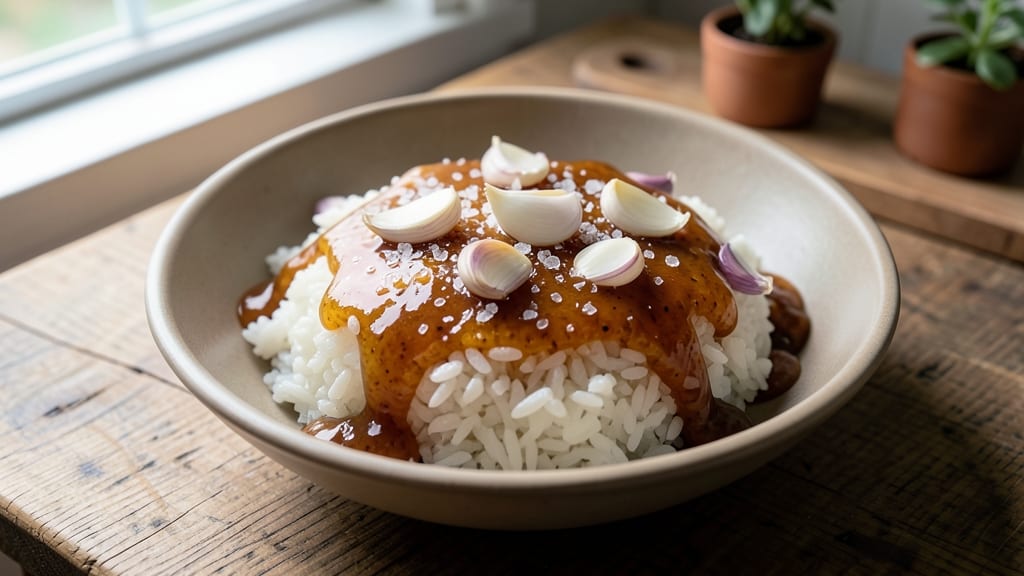
This pickled rice recipe transforms simple grains into zesty, tangy bites that elevate any meal—whether as a side, bowl base, or standalone dish.
The process draws from traditional Japanese zuke techniques, where rice absorbs a bright vinegar brine infused with garlic, ginger, and umami-rich elements like soy sauce or fish sauce.
What makes this recipe stand out is its versatility: it works as a quick-pickled side for tacos, a fermented base for bowls, or even a refreshing topping for noodle dishes.
The key to perfect pickled rice lies in the balance of acidity and flavor—too much vinegar makes it harsh, while too little leaves it bland.
I use a 3:1 ratio of rice to liquid (vinegar, water, and seasonings) and let it marinate for at least 4 hours, though overnight develops deeper flavor. For texture, I recommend using short-grain rice like sushi rice, which holds up better to soaking than long-grain varieties.
This method ensures every grain stays distinct yet infused with tangy, garlicky goodness.
What you’ll end up with is rice that’s bright, slightly chewy, and packed with layers of flavor—think of it as a cross between a sushi rice upgrade and a tangy grain salad. The aroma alone will make your kitchen smell like a fusion restaurant, and the taste?
A perfect balance of sharp, sweet, and savory that cuts through rich proteins or complements light salads. Serve it chilled alongside grilled meats, in rice bowls, or even as a topping for ramen for a modern twist.
This recipe also doubles as a make-ahead staple: store it in the fridge for up to 5 days or ferment it longer (like Korean jangmi) for a probiotic-rich side.
Pair it with seared scallops, spicy kimchi, or avocado for a well-rounded plate. Ready to transform plain rice into a flavor powerhouse? Let’s get started.
Ingredients for pickled rice
Short-grain rice plus a zesty vinegar blend creates vibrant, tangy bites perfect for bowls or sides.
| Ingredient | Amount | Notes |
|---|---|---|
| Short-Grain Sushi Rice 🍚 | 2 cups | Uncooked, rinsed thoroughly |
| Rice Vinegar 💧 | 1 cup | White or seasoned variety |
| Water 💧 | 1 cup | Room temperature preferred |
| White Sugar 🍬 | ¼ cup | Granulated or caster sugar |
| Salt 🧂 | 1 tsp | Kosher or sea salt |
| Garlic Cloves 🧄 | 4 cloves | Minced finely for even distribution |
| Fresh Ginger 🌿 | 1 tbsp | Finely grated, peel removed |
| Soy Sauce 🥢 | 1 tbsp | Light or dark variety |
| Sesame Oil 🫒 | 1 tsp | Toasted sesame oil preferred |
| Toasted Sesame Seeds 🌾 | 1 tbsp | For garnish, optional |
| Red Chili Flakes 🌶️ | ½ tsp | Adjust for heat preference |
| Fish Sauce 🍶 | ½ tbsp | Optional, for umami depth |
The rice choice matters most here. Short-grain sushi rice is ideal—it stays chewy and absorbs the brine beautifully, unlike long-grain varieties that turn mushy. If you can't find sushi rice, Japanese short-grain rice works just as well. For the vinegar, rice vinegar is non-negotiable—apple cider vinegar will overpower the delicate flavors. Trader Joe's and Asian markets carry excellent options. Look for vinegar labeled 'seasoned' if you want a touch of sweetness built in, but plain white rice vinegar gives you more control over the balance of flavors.
No sesame oil? Toasted peanut oil works in a pinch, though it lacks that nutty depth. Short on fish sauce? Extra soy sauce or a splash of Worcestershire adds umami without altering the core flavor. The garlic and ginger should be freshly minced or grated—pre-minced garlic loses its punch quickly. For the sugar, honey or agave can substitute, but they'll create a slightly different texture. If you're fermenting longer (like Korean jangmi), reduce the sugar to 0.125 cup to prevent overgrowth.
This pickled rice keeps beautifully in the fridge for up to 5 days, though the flavors deepen after 24 hours. For longer storage, transfer to an airtight container with a thin layer of vinegar on top to preserve freshness. The sesame seeds and chili flakes should be added just before serving to keep them crisp. Portion into small containers for easy grab-and-go sides. If fermenting beyond 5 days, check daily for mold and use within 1 week for optimal texture.
Why You'll Love This Recipe
- Fridge Magic Ready: I swear by this trick—just cook the rice, mix it with vinegar and sugar while it’s still warm, and boom, it’s ready to go. No waiting for pickling jars or fancy techniques; the acidity develops overnight, but honestly? Even after an hour, it’s already better than store-bought.
- Tangy Crunch Alert: That first bite? The rice stays just firm enough while the vinegar-sugar punch gives it this bright, almost citrusy lift—like a cross between a sushi bowl and a sweet-and-sour kick. (Yes, even on a Tuesday night.)
- Lunchbox Hero: Pack it cold for bento boxes, toss it with fried eggs for breakfast, or pile it on top of ramen when you’re too tired to cook. It’s the one ingredient that turns a sad meal into something exciting—no one will guess it’s just rice and pantry staples.
- Zero-Waste Pantry Win: Use up leftover rice instead of tossing it, and the vinegar-sugar mix costs pennies. I’ve made a whole week’s worth in one batch—just portion it into containers, and you’ve got instant flavor for stir-fries, grain bowls, or even as a topping for grilled fish. (My wallet thanks me.)
Step-by-step instructions for zesty vinegar-kissed grains
Transform simple rice into vibrant, tangy pickled grains with this straightforward method.
Cook the Short-Grain Sushi Rice to Perfect Texture
Rinse the 2 cups short-grain sushi rice thoroughly under cold water until the water runs clear. This removes excess starch that would make the rice gummy. Drain well in a fine-mesh strainer and transfer to a medium saucepan.
Combine the drained rice with the 1 cup water and 1 tsp salt. Bring to a boil over medium-high heat, then immediately reduce heat to low, cover tightly with a lid, and simmer for 15 minutes. The rice should absorb all the water and become tender but still slightly firm to the touch.
Remove from heat and let the rice steam, covered, for an additional 10 minutes. This resting period allows the grains to fully hydrate and develop a consistent texture. Fluff the rice gently with a fork to separate the grains before proceeding.
Prepare the Tangy Vinegar Marinade
In a separate bowl, whisk together the 1 cup rice vinegar, 0.25 cup white sugar, 1 tbsp soy sauce, 0.5 tbsp fish sauce, and 0.5 tsp red chili flakes until the sugar dissolves completely. This marinade should be smooth and evenly combined.
Add the 4 cloves minced garlic and 1 tbsp finely grated fresh ginger to the vinegar mixture. Stir well to distribute the aromatics throughout the liquid. The combination of garlic and ginger will infuse the rice with bold, aromatic depth as it pickles.
Taste the marinade and adjust seasoning if needed—add a pinch more salt if the vinegar tastes too sharp, or a touch more sugar if it needs sweetness. The balance should be bright, tangy, and slightly spicy, with umami notes from the fish sauce.
Combine and Pickle the Rice
Transfer the cooked rice to a large, non-reactive bowl or glass container with a lid. Pour the vinegar marinade evenly over the rice, using a spoon to gently fold everything together. The rice should be fully coated with the liquid.
Cover the bowl with plastic wrap or a lid and refrigerate for at least 4 hours, or ideally overnight. This extended pickling time allows the rice to absorb the flavors deeply and develop that signature tangy crunch. The longer it sits, the more pronounced the flavor becomes.
Real talk: If you're short on time, you can speed up the process by placing the covered bowl in the freezer for 30 minutes before refrigerating. The cold shock helps the rice absorb the marinade faster, but the overnight method yields the best results.
Finish with Aromatics and Garnish
Before serving, drizzle the pickled rice with 1 tsp sesame oil and toss gently to coat. The sesame oil adds a nutty richness that balances the acidity of the vinegar. Sprinkle the 1 tbsp toasted sesame seeds evenly over the top for texture and visual appeal.
Let the rice sit at room temperature for 10 minutes before serving. This final step allows the sesame oil to meld with the rice and the sesame seeds to toast slightly, enhancing their flavor. The rice should be cool to the touch, with a bright, tangy bite and subtle heat from the chili flakes.
Serve immediately as a side dish or incorporate into salads, bowls, or as a topping for grilled proteins. The pickled rice keeps well in the refrigerator for up to 5 days, making it a versatile ingredient for meal prep.
Pro Tips For Making Pickled Rice
- COOL THE RICE FIRST: I learned this the hard way—dumping hot rice straight into vinegar turns your pickling liquid into a sad, watery mess. Spread the cooked rice on a tray and fan it for 10-15 minutes until it’s just warm to the touch. The texture stays intact, and the vinegar actually penetrates instead of just diluting into steam.
- USE 1:1:1 RATIO FOR STARTER: Skip guessing and measure rice vinegar, water, and sugar as equal parts (e.g., 1 cup each). This balances acidity and sweetness without overpowering the rice. If you’re using a different vinegar (like apple cider), cut the water by half—vinegars vary more than you’d think.
- SALT THE VINEGAR MIX: Don’t just salt the rice—dissolve the salt into the vinegar-water-sugar mixture first. This ensures even distribution, so every grain gets that subtle tangy punch. I used to sprinkle it on top, and half the batch tasted bland.
- STORE IN AIRLESS CONTAINER: Mason jars are cute, but they’re not airtight enough for pickled rice. Transfer the mix to a vacuum-sealed bag or a container with a tight lid to prevent mold. If you’re short on time, press plastic wrap directly onto the surface before sealing—oxygen is the enemy here.
Health benefits of these flavors
Probiotic Powerhouse
When you ferment pickled rice for more than 24 hours (like Korean jangmi), you unlock probiotic benefits similar to kimchi. The natural fermentation process creates beneficial bacteria that support gut health, particularly Lactobacillus strains.
These good bacteria help with digestion and may even boost your immune system. I’ve noticed my digestion improves when I eat fermented rice regularly—it’s like a natural probiotic supplement in every bite. 💪
Digestive Aid
The tangy vinegar in this recipe acts as a natural digestive aid, helping break down proteins and stimulate stomach acid production. The garlic and ginger in the marinade also have carminative properties, reducing bloating and gas.
I always recommend serving pickled rice with heavier meals—it’s like a built-in digestive tonic. The combination of acidity and fiber from the rice creates a gentle, soothing effect on the digestive tract.
Low-Calorie Energy Boost
This pickled rice is surprisingly low in calories—about 120 calories per cup—while still providing complex carbohydrates for sustained energy. The short-grain rice offers slow-release energy, perfect for active days or post-workout meals. I’ve used it as a recovery food after gym sessions because it’s light yet satisfying.
The vinegar also helps balance blood sugar levels, making it a smart choice for anyone monitoring their glucose intake.
Rich in Antioxidants
The sesame seeds and chili flakes in this recipe pack a punch of antioxidants. Sesame seeds are loaded with sesamin and sesamolin, which combat oxidative stress, while chili peppers contain capsaicin, which has anti-inflammatory properties.
The ginger in the marinade adds even more antioxidants like gingerol. Together, these ingredients create a flavor profile that’s not just delicious but also packed with health-boosting compounds. 🌿
Gluten-Free Friendly
Unlike many fermented Asian dishes that contain wheat (like soy sauce with gluten), this pickled rice recipe is naturally gluten-free if you use tamari instead of regular soy sauce. I always keep a bottle of gluten-free tamari on hand for recipes like this—it’s just as flavorful without the gluten.
This makes it safe for people with celiac disease or gluten sensitivities while still delivering all the probiotic and digestive benefits.
Blood Sugar Regulation
The acetic acid in rice vinegar helps improve insulin sensitivity, making this pickled rice an excellent choice for those managing blood sugar levels. The low glycemic index of short-grain rice combined with the vinegar’s acidity creates a dish that’s gentle on blood sugar spikes.
I’ve found that adding this to meals helps stabilize my energy levels throughout the day—perfect for anyone watching their carb intake or dealing with insulin resistance. 🌡️
Nutrition facts
Frequently asked questions
Can I use long-grain rice instead of short-grain?
Short-grain rice is ideal because it stays chewy and absorbs flavors better, but you can use long-grain in a pinch. Just expect slightly firmer grains that may not hold the tangy marinade as well. For best results, rinse the rice thoroughly and reduce the marinating time to 2-3 hours to avoid mushiness.
How long can I ferment this pickled rice?
For the best flavor, ferment for 24-48 hours in the fridge. Beyond that, the acidity increases and the texture softens. For a probiotic-rich version (like Korean jangmi), ferment up to 5 days, but check daily for mold. The longer it ferments, the more sour and complex the taste becomes.
Can I make this spicier or sweeter?
For extra heat, add 1-2 tsp more chili flakes or a dash of cayenne. For sweetness, increase the sugar to 0.375 cup or add 1 tbsp honey. Adjust gradually—taste as you go. The key is balancing the vinegar’s sharpness with sweetness or heat to avoid an overwhelming flavor.
Why did my pickled rice turn mushy?
Over-soaking or using long-grain rice usually causes mushiness. Always use short-grain rice and stick to the 3:1 rice-to-liquid ratio. If the rice was already cooked too soft, drain excess marinade before serving. For extra firmness, add 1 tbsp cornstarch to the marinade to help bind the grains.
What’s the best way to store leftover pickled rice?
Keep it in an airtight container in the fridge for up to 5 days. For longer storage, freeze for 1 month—thaw overnight in the fridge. To preserve freshness, add a thin layer of vinegar on top before sealing. The sesame seeds and oil should be added fresh after thawing for the best texture.