
Desserts
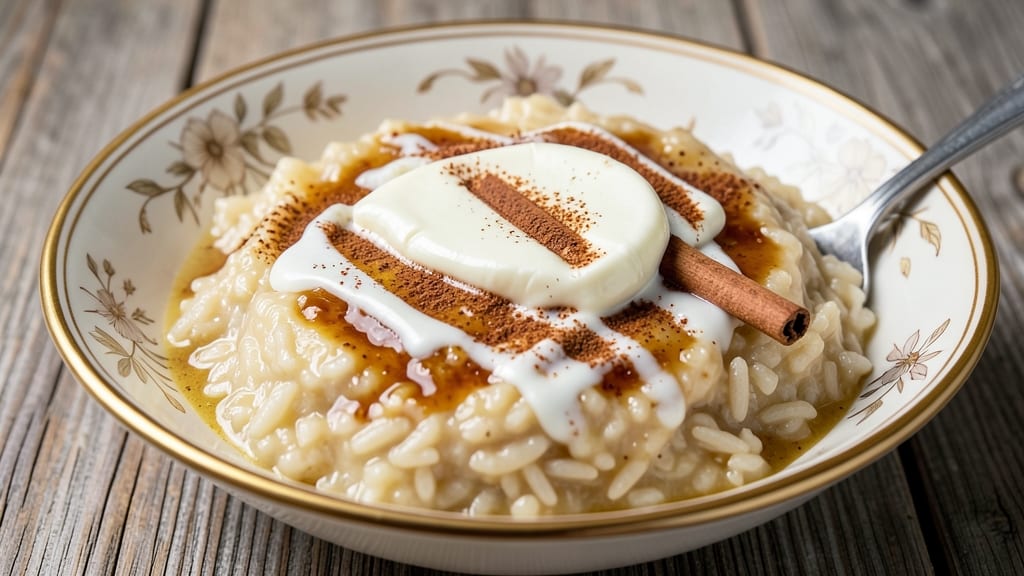
This Puerto Rican rice pudding recipe brings the comforting flavors of the island straight to your kitchen, where warm cinnamon and toasted coconut create a dessert that feels like a hug. 💛 The secret lies in slow-cooked rice infused with milk, vanilla, and a blend of spices that transform simple ingredients into something deeply nostalgic and irresistible.
What makes this recipe special is its balance of textures—creamy rice, fragrant spices, and the satisfying crunch of toasted coconut on top. Unlike many puddings, this one requires patience, allowing the rice to absorb the rich milk and spices gradually for maximum flavor.
The result is a dessert that’s both comforting and elegant, perfect for special occasions or as a simple treat after dinner.
By the time you finish, you’ll have a pot of golden, aromatic rice pudding with a delicate cinnamon-spiced aroma that fills your home. The toasted coconut adds a textural contrast that makes every spoonful exciting, while the warm spices create a flavor profile that’s uniquely Puerto Rican yet universally loved.
Serve it warm with a dusting of cinnamon for a cozy dessert, or chill it slightly for a refreshing treat. This recipe delivers the perfect blend of tradition and simplicity—ideal for those who appreciate desserts with depth and character.
Ingredients for puerto rican rice pudding
Warm spices, creamy milk, and toasted coconut—this Puerto Rican rice pudding brings island flavors to your kitchen.
| Ingredient | Amount | Notes |
|---|---|---|
| Long-Grain White Rice 🍚 | 1 ½ cups | Uncooked, rinsed thoroughly |
| Whole Milk 🥛 | 4 cups | Full-fat preferred for creaminess |
| Granulated Sugar 🍚 | 1 cup | Adjust to taste for sweetness |
| Unsalted Butter 🧈 | 4 tbsp | Cold, cubed for even melting |
| Pure Vanilla Extract 🍯 | 1 tbsp | High-quality, not imitation |
| Ground Cinnamon 🌿 | 1 tbsp | Freshly ground preferred |
| Ground Nutmeg 🌿 | ½ tsp | Freshly grated for stronger flavor |
| Salt 🧂 | ¼ tsp | Fine sea salt preferred |
| Shredded Coconut 🥥 | 1 cup | Unsweetened, toasted lightly |
| Raisins 🍇 | ½ cup | Plump, seedless preferred |
| Orange Zest 🍊 | 1 tbsp | From organic orange |
| Orange Juice 🍊 | ½ cup | Freshly squeezed, no pulp |
| Heavy Cream 🥛 | ½ cup | For final creamy texture |
The rice is the foundation, so choose long-grain white rice—it stays firm and absorbs flavors beautifully. Whole milk is non-negotiable for that rich, velvety texture (none of that skim milk nonsense). For the spices, Penzeys or McCormick ground cinnamon and nutmeg are my go-tos—they’ve got that warm, authentic kick. Toast your unsweetened shredded coconut in a dry pan until golden (about 3-4 minutes) for that irresistible crunch. If you’re using organic oranges, zest the peel before juicing—it adds a bright, citrusy depth that cuts through the sweetness perfectly.
No whole milk? Evaporated milk works in a pinch, though it’ll be slightly thinner. Substituting vanilla bean paste for extract adds flecks of vanilla that feel luxurious. For the coconut, toasted flaked coconut (like Goya brand) is a great shortcut if you’re in a hurry. Raisins too sweet? Soak them in warm water for 10 minutes to mellow the flavor. The orange juice can be swapped for pineapple juice if you’re craving tropical notes, but stick with fresh—canned juice lacks that bright acidity. And if you’re watching sugar, reduce the granulated sugar by half and add 1 tsp cinnamon for warmth.
This pudding tastes even better the next day, so make it ahead if possible. Store in an airtight container in the fridge for up to 5 days, though it’s usually gone in 2. For serving, a light dusting of extra cinnamon and a sprinkle of toasted coconut elevate it to restaurant-quality. Freezes beautifully for up to 3 months—just thaw overnight in the fridge before reheating. Pro tip: Reheat gently on the stove with a splash of milk to restore that creamy texture.
Why You'll Love This Recipe
- No-Fuss Stovetop: I swear by this—just rice, milk, and a simmer. No fancy techniques, no last-minute grocery runs. The butter melts into the milk while you stir, and by the time the rice is tender, the whole kitchen smells like a Nuyorican bakery.
- Creamy Caramel Magic: That perfect balance of vanilla and sugar? It’s like dessert and comfort food had a baby. The rice soaks up the milk until it’s pillowy, then the sugar caramelizes just enough to give every bite a little sweet crunch.
- Weeknight to Holiday: Between us, I’ve served this cold with coffee on a Tuesday and warm as a side for lechón at Christmas. The same simple base works for breakfast, dessert, or a potluck—just adjust the sugar or add cinnamon if you’re feeling fancy.
- Budgeted Luxury: Whole milk and butter make it feel special, but it’s still dirt cheap. A box of rice and a gallon of milk stretch for days—leftovers? I freeze portions for quick breakfasts or snack attacks. (Yes, even on a Tuesday night.)
Step-by-step instructions for Puerto Rican rice pudding
Mastering this recipe delivers creamy, spiced pudding with perfect texture every time.
🍳 Step 1: Toast the Coconut and Prepare the Base
In a dry skillet over medium heat, toast the 1 cup shredded coconut for 3-4 minutes until golden brown and fragrant. Watch closely—it burns quickly. Remove from heat and set aside. In the same skillet, melt the 4 tablespoons unsalted butter over low heat until completely liquid but not browned.
Transfer the melted butter to a heavy-bottomed pot and add the 1.5 cups long-grain white rice. Stir to coat the grains completely in the butter. This step prevents sticking and creates a richer flavor foundation. Here's the thing—don't skip this coating step. It makes all the difference in texture.
🍳 Step 2: Cook the Rice with Milk and Spices
Pour in the 4 cups whole milk and bring to a gentle boil over medium-high heat. Once boiling, reduce heat to low and add the 1 cup granulated sugar, 1 tablespoon ground cinnamon, 0.5 teaspoon ground nutmeg, and 0.25 teaspoon salt. Stir well to dissolve the sugar completely—you should see no graininess remaining.
Add the 0.5 cup raisins and 1 tablespoon orange zest to the mixture. The raisins will plump up as they cook, and the orange zest will infuse bright citrus notes throughout. Let the mixture simmer uncovered for 25-30 minutes, stirring occasionally, until the rice is tender and the liquid has reduced significantly but not completely.
⏰ Step 3: Finish with Cream and Orange Juice
Once the rice is tender (you'll know when it's fork-tender and the mixture has thickened), remove from heat. Stir in the 0.5 cup heavy cream and 0.5 cup orange juice, along with the 1 tablespoon pure vanilla extract. The cream will create that signature velvety texture, while the orange juice adds freshness that balances the spices.
Return the pot to low heat and cook for an additional 5-7 minutes, stirring constantly, until the mixture reaches a pudding-like consistency. You're aiming for a thick, creamy texture that coats the back of a spoon. If it's too thick, add 1-2 tablespoons hot milk to loosen it. This final adjustment ensures perfect serving consistency.
🥘 Step 4: Garnish and Serve Warm
Transfer the pudding to serving bowls while still warm. Top each portion with the toasted shredded coconut you prepared earlier. The contrast between the warm, spiced pudding and the cool, toasted coconut adds a delightful textural element. Serve immediately while the pudding is still warm—this is when the flavors are most vibrant and the texture is at its peak.
For an extra touch, you can drizzle a bit of the reserved orange juice over the top or add a sprinkle of extra cinnamon. This dish tastes even better the next day when the flavors have melded further, but it's equally delicious fresh from the stove. The key is not to let it sit too long before serving—it thickens as it cools.
Pro Tips For Making Puerto Rican Rice Pudding
- Rinse Rice Twice: I learned this the hard way—skipping the rinse leaves your pudding gummy instead of creamy. Swirl the rice in a fine-mesh strainer under cold water twice, shaking off excess starch. That extra 30 seconds saves you from a gluey disaster later.
- Simmer, Don’t Boil: After burning three batches, I finally figured out: Puerto Rican rice pudding needs a gentle simmer, not a rolling boil. Keep the heat at a low-to-medium setting so the milk barely bubbles—just enough to release steam. High heat turns the rice mushy and the milk grainy.
- Toast the Butter First: Sounds weird, but it works: Melt the butter in the pot before adding milk and rice. Let it brown just a little—about 2 minutes—so it adds a nutty depth. This step makes the pudding taste richer without extra sugar or vanilla.
- Stir Once, Then Walk Away: I used to check on the pudding every five minutes, and it always ended up uneven. After the initial stir, cover the pot and let it cook undisturbed for 20 minutes. Only stir again if you’re testing for doneness—constant stirring breaks the rice and weakens the texture.
Troubleshooting your puerto rican rice pudding
Grainy Texture Fix
If your pudding turns out grainy, it’s likely because the rice wasn’t fully cooked or the sugar didn’t dissolve properly. First, rinse the rice thoroughly before cooking to remove excess starch.
When adding the sugar, heat the milk slightly (just until steaming) and stir until completely dissolved—no visible grains should remain. For extra insurance, mash a few rice grains with a fork while simmering to release starch and thicken the mixture. 🌡️
Too Thin or Watery
A runny pudding usually means the rice wasn’t cooked long enough or the liquid wasn’t reduced properly. After the initial simmer, reduce heat to lowest setting and let it cook uncovered for additional 10-15 minutes, stirring occasionally.
If it’s still too thin, remove from heat and stir in 1 tablespoon cornstarch mixed with 2 tablespoons cold water—simmer for 2-3 minutes until thickened. Never rush this step; patience ensures the perfect creamy consistency.
Burnt or Scorched Bottom
This happens when the pudding sticks to the pot or burns due to uneven heat. Always use a heavy-bottomed pot (like All-Clad or Le Creuset) to distribute heat evenly. Before adding the mixture, coat the pot with butter or lightly oil it to prevent sticking.
If it starts sticking, immediately reduce heat and stir gently—never walk away while cooking. For stubborn stuck-on bits, soak the pot in hot water with baking soda for 10 minutes before scrubbing.
Spices Too Overpowering
If the cinnamon or nutmeg taste dominates, you likely added too much or used pre-ground spices that lost potency. Start with half the recommended amount of spices and adjust to taste at the end.
For deeper flavor without intensity, toast whole spices (like cinnamon sticks or nutmeg seeds) in a dry pan for 1-2 minutes, then grind them fresh. This enhances aroma without overpowering the sweetness. 🌿
Raisins Stay Hard
Plump, juicy raisins are key, so soak them in warm water for 10 minutes before adding to the pudding. If they’re still tough after cooking, chop them finely before stirring into the mixture.
For a tropical twist, swap raisins for diced pineapple or chopped dates—they absorb moisture better and add natural sweetness. Always use seedless raisins to avoid gritty texture.
Coconut Not Crunchy
Toasted coconut should be golden and crisp, but if it turns soft, it was either under-toasted or absorbed moisture. Toast in a dry skillet over medium heat for 3-4 minutes, stirring constantly, until fragrant. Let it cool completely before adding to the pudding to prevent sogginess.
For extra crunch, store toasted coconut in an airtight container at room temperature—it stays crisp for up to 1 week. If it loses crunch, toast again before serving. 🥥
Nutrition facts
Frequently asked questions
What makes this Puerto Rican rice pudding different from other versions?
This recipe stands out with its toasted coconut topping and bright orange zest, which give it a tropical twist. The slow-cooked rice absorbs the rich milk and spices for a perfectly creamy texture, while the warm cinnamon and nutmeg create that signature island flavor. Many traditional versions skip the coconut or use less citrus, making this one more vibrant and textured.
Can I make this pudding ahead of time?
This dessert actually tastes even better the next day as the flavors meld. Store it in an airtight container in the fridge for up to 5 days. Reheat gently on the stove with a splash of milk to restore its creamy consistency. For a quick treat, chill it for 2 hours before serving—it’s equally delicious cold or warm.
Why does my pudding turn out grainy?
Graininess usually happens when the rice isn’t fully cooked or the sugar doesn’t dissolve properly. Always rinse the rice thoroughly first, then heat the milk slightly before adding sugar to ensure it dissolves completely. For extra smoothness, mash a few rice grains with a fork while simmering to release starch. Stirring occasionally also helps prevent lumps.
Can I substitute any ingredients?
Yes! For a dairy-free version, use coconut milk (full-fat) instead of whole milk, though the texture will be lighter. Swap raisins for diced pineapple or chopped dates for a tropical touch. If you’re watching sugar, reduce it by half and add an extra ½ teaspoon cinnamon for warmth. For extra richness, replace ½ cup milk with heavy cream.
How do I know when the pudding is done?
The pudding is ready when it reaches a thick, creamy consistency that coats the back of a spoon. It should be tender but not mushy—test with a fork for fork-tender rice. If it’s too thick, stir in 1-2 tablespoons hot milk. If it’s still runny, simmer uncovered for 5-10 more minutes on low heat, stirring often. The key is patience—don’t rush the final reduction!