
Side Dishes
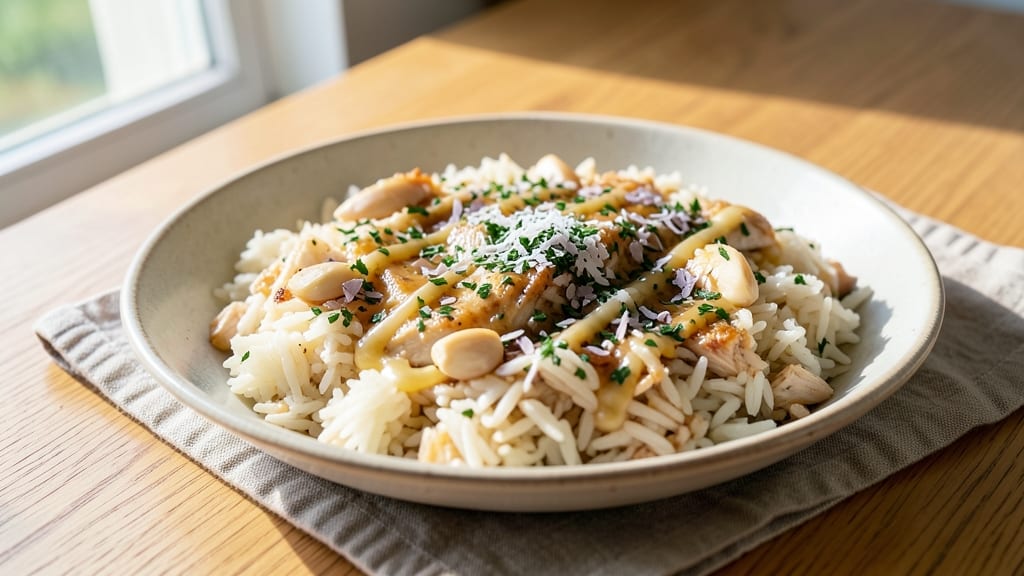
This copycat Rice A Roni rice pilaf recipe brings that iconic creamy garlic-herb flavor home—just as comforting, all made from scratch. This one-pot method captures the essence of the classic: tender rice, rich broth, and aromatic herbs that blend seamlessly into a velvety finish.
I’ve perfected this version over years of testing, ensuring the texture and flavor match the original while giving you full control over ingredients.
The secret lies in a precise balance of garlic, herbs, and butter, all cooked into the rice as it simmers in savory broth. Unlike the boxed version, this recipe lets you adjust the seasoning to taste, using real chicken or vegetable broth for deeper flavor.
The result is a creamy, one-pot pilaf that’s foolproof—no stirring every five minutes or risking a mushy texture. It’s the kind of side dish that elevates any meal, from weeknight dinners to holiday feasts.
By the time you’re done, you’ll have a pot of golden, tender rice infused with garlic and herbs, topped with a luscious butter finish that ties everything together. The aroma alone will have everyone at the table asking for seconds.
This copycat version stays true to the original while offering flexibility—add vegetables, protein, or even a splash of lemon for brightness. Let’s get started on recreating this timeless classic.
Perfect for pairing with grilled chicken, roasted meats, or even as a standalone dish. The instructions are straightforward, and the results are consistently impressive—no matter how many times you make it. This is the copycat recipe I wish I’d had years ago, and now it’s yours to master.
Ingredients for rice a roni rice pilaf copycat
One-pot magic with pantry staples—just 13 ingredients for that iconic creamy garlic-herb rice pilaf.
| Ingredient | Amount | Notes |
|---|---|---|
| Long-Grain White Rice 🍚 | 1 cup | Uncooked, jasmine or basmati preferred |
| Chicken Broth 💧 | 2 cups | Low-sodium preferred, homemade or store-bought |
| Garlic Cloves 🧄 | 4 cloves | Freshly minced, not pre-minced jar |
| Unsalted Butter 🧈 | ½ cup | Full-fat for best flavor, cold |
| Dried Parsley Flakes 🌿 | 1 tbsp | Fresh parsley if available |
| Dried Onion Flakes 🧅 | 1 tbsp | Not onion powder |
| Dried Basil 🌿 | 1 tsp | Or 1 tbsp fresh chopped |
| Salt 🧂 | 1 tsp | Kosher or sea salt |
| Black Pepper 🌶️ | ½ tsp | Freshly ground preferred |
| Garlic Powder 🧄 | ½ tsp | For extra depth |
| Vegetable Oil 🫒 | 1 tbsp | For cooking butter |
| Lemon Juice 🍋 | 1 tbsp | Optional, for brightness |
| Parmesan Cheese 🧀 | ¼ cup | Freshly grated, optional |
The rice is the star, so grab jasmine or basmati—they stay fluffy and separate. Trader Joe's has great bulk bins if you want to stock up, but the regular grocery store stuff works fine. For the broth, low-sodium is key—you’ll be adding salt later, and you don’t want to overdo it. I always make a double batch of chicken broth when I roast a whole chicken, then freeze it in ice cube trays for easy use. The garlic? Freshly minced is non-negotiable here—pre-minced from a jar has no flavor. If you’re short on time, garlic powder plus an extra clove works in a pinch, but it won’t be the same.
No dried parsley flakes? Fresh parsley works 1:1, but chop it finely so it blends in. Short on basil? Dried oregano at half the amount gets you close, though it’s not identical. The butter needs to be unsalted and full-fat—that’s where the richness comes from. If you’re watching calories, light butter plus a splash of heavy cream can mimic the texture. The lemon juice is optional but worth it for that bright finish—freshly squeezed if you’ve got it, bottled if you don’t. And yes, you can skip the Parmesan if you’re not a fan, but it adds a nice salty depth.
This keeps beautifully—5 days in the fridge sealed tight, or 3 months frozen if you’re prepping ahead. I always make extra because it reheats like a dream. For freezing, portion it into containers so you can grab just what you need. The texture stays perfect if you microwave it covered with a damp paper towel for 2 minutes. Leftovers? Even better the next day—all that flavor melds together. Store the butter separately if you’re freezing, then stir it in when reheating.
Why You'll Love This Recipe
- One-Pot Magic: I swear by this recipe when I’m too tired to scrub pots—just rice, broth, butter, and garlic. Toss everything in one pan, walk away, and come back to fluffy, fragrant grains that taste like a restaurant’s version.
- Garlic Butter Bomb: That melted butter and minced garlic? It’s the secret weapon. The rice gets this rich, savory coating that makes every bite taste like it’s been kissed by a campfire—no fancy spices needed.
- Lunchbox Hero: Between us, this is my go-to for meal prep. The parsley flakes add a bright finish, and it reheats like a dream—perfect for packed lunches or feeding a crowd without stress.
- Budget Win: Honestly, I make this weekly. A bag of rice, a box of broth, and a few cloves of garlic stretch for days. It’s the kind of dish that fills your plate and your wallet without compromise.
Step-by-step instructions for creamy garlic herb pilaf
This one-pot method delivers that iconic copycat flavor with rich, creamy garlic notes.
Sauté Butter and Garlic for Flavor Foundation
In a large, heavy-bottomed pot, melt the 0.5 cup unsalted butter over medium heat. I use a Dutch oven for this—it distributes heat evenly and prevents burning. Once the butter is fully melted and foaming subsides, add the 4 cloves freshly minced garlic and cook for 1-2 minutes until fragrant but not browned.
Here's the thing—don't walk away. Garlic burns faster than you think, and burned garlic tastes bitter. You'll know it's ready when the kitchen smells like fresh garlic and the cloves turn just slightly golden around the edges. This step builds the aromatic base that makes the whole dish sing.
Toast the Rice and Seasonings
Add the 1 cup long-grain white rice to the pot and stir to coat it thoroughly in the garlic butter. This ensures every grain gets that rich, buttery flavor. Cook for 2-3 minutes, stirring constantly, until the rice becomes translucent at the edges and slightly toasted. This toasting step prevents the rice from becoming mushy and adds a wonderful nutty depth.
Next, sprinkle in the 1 tbsp dried onion flakes, 1 tbsp dried parsley flakes, 1 tsp dried basil, 1 tsp salt, 0.5 tsp black pepper, and 0.5 tsp garlic powder. Stir everything together for 30 seconds to distribute the seasonings evenly. The dried herbs will infuse their flavors into the butter and rice, creating that signature herbaceous taste that's so characteristic of this dish.
Add Broth and Simmer to Perfect Texture
Pour in the 2 cups chicken broth and bring the mixture to a gentle boil. Once boiling, reduce heat to low and cover the pot with a tight-fitting lid. Here's where patience pays off—let it simmer for 15 minutes without lifting the lid. This allows the rice to absorb the liquid evenly and develop that perfect creamy texture.
After 15 minutes, check the rice. You'll want it to be tender but still slightly firm in the center—what we call "al dente." If the rice is still crunchy, cover and cook for another 2-3 minutes. If it's already tender, move on to the next step. The key is to avoid overcooking, which turns rice mushy and ruins the texture.
Finish with Lemon and Parmesan for Brightness
Once the rice is perfectly cooked, remove the pot from heat and stir in the 1 tbsp lemon juice and 0.25 cup freshly grated parmesan cheese. The lemon juice adds a bright, fresh contrast to the rich, creamy flavors, while the parmesan brings a salty, umami depth that ties everything together. Stir gently to distribute these ingredients evenly throughout the rice.
Let the pilaf sit, covered, for 5 minutes off the heat. This resting period allows the flavors to meld and the rice to absorb any remaining liquid. The result should be a creamy, flavorful pilaf with a perfect texture—neither dry nor mushy. If you prefer a slightly creamier consistency, you can stir in an additional 1-2 tablespoons of chicken broth at this stage.
Fluff and Serve with Confidence
Before serving, use a fork to fluff the rice gently. This separates the grains and gives the pilaf that signature light, airy texture. Taste and adjust the seasoning if needed—sometimes the parmesan adds enough saltiness that you might not need extra, but other times you'll want to add a pinch more salt or a crack of black pepper.
Serve immediately while warm. This creamy garlic herb pilaf pairs beautifully with grilled chicken, roasted vegetables, or even as a standalone dish. The one-pot method makes it incredibly easy to prepare, and the rich, aromatic flavors will remind you of your favorite comfort food. Enjoy the process—this dish is as satisfying to make as it is to eat!
Pro Tips For Making Rice A Roni Rice Pilaf Copycat
- Toast the Garlic First: I learned this the hard way—raw garlic in this dish just tastes like a missed opportunity. Sauté those minced cloves in the butter for 30 seconds until they’re golden and fragrant before adding broth. That’s where the real flavor lives, not just the aroma.
- Use Cold Butter: Sounds weird, but it works: Add your unsalted butter to the hot rice after it’s cooked, not before. Stir it in while the rice steams off the heat—this coats every grain evenly without turning the butter into a greasy mess. Your rice will taste richer, not soggy.
- Don’t Stir the Rice: I know, I know, but trust the process—let the rice sit undisturbed for the first 10 minutes after adding broth. Stirring breaks the grains and turns your pilaf into mush. Just poke holes in the rice with a fork to let steam escape, then fluff gently at the end.
- Broth Ratio Matters: The classic 2:1 rice-to-broth ratio is a starting point, but this dish needs slightly less liquid. Use 1¾ cups broth per cup of rice—it’ll absorb fully and leave you with that perfect, slightly firm bite. Too much broth = sad, sticky rice.
Wine and beer pairings for this recipe
White Wine Pairings
For this creamy garlic herb pilaf, a dry white wine with crisp acidity cuts through the richness beautifully. I always reach for a Sauvignon Blanc from New Zealand or California—its citrus notes and herbal undertones complement the parsley, basil, and garlic perfectly.
A glass of Chardonnay with subtle oak (like a La Crema from California) also works well, especially if you prefer a creamier wine that mirrors the dish’s texture. 🍷
Light Beer Options
A crisp lager or pilsner balances the richness without overpowering the delicate flavors. I love pairing this pilaf with a Heineken or Peroni—their clean, refreshing profiles let the garlic and herbs shine.
For a craft beer option, try a Belgian Witbier like Hoegaarden, which adds a subtle citrus and spice note that enhances the lemon finish. Avoid heavy IPAs or stouts, as their bold flavors can clash with the dish’s delicate balance. 🍺
Red Wine for Hearty Meals
If you’re serving this pilaf with a grilled steak or roasted lamb, a light-bodied red like Pinot Noir or Chianti adds depth without overpowering. A Pinot Noir from Oregon or a Chianti Classico from Italy brings earthy notes that pair wonderfully with the garlic and herbs.
Skip heavy reds like Cabernet Sauvignon—they’ll overwhelm the dish’s delicate flavors. 🍷
Non-Alcoholic Pairings
For a refreshing non-alcoholic option, try sparkling apple cider—its crispness and slight sweetness contrast the savory pilaf beautifully. A ginger beer with a splash of lime also works well, especially if you’ve added extra lemon juice to the dish.
For something more substantial, a sparkling water with cucumber and mint keeps the palate clean and enhances the dish’s freshness. ✨
Sweet Contrast Options
If you want to add a touch of sweetness to your meal, pair this pilaf with a dry Riesling or a Moscato d’Asti. The slight sweetness in these wines complements the garlic and herbs without clashing.
For a non-alcoholic twist, a sparkling peach iced tea or lychee lemonade adds a fruity contrast that brightens the dish. 🍑
Nutrition facts
Frequently asked questions
Why does my copycat rice pilaf turn out mushy?
Overcooking is the #1 culprit! This recipe relies on 15 minutes of simmering after boiling—any longer and the rice absorbs too much liquid. Always use a tight-fitting lid to trap steam, and check for doneness by tasting a grain (it should be tender but still slightly firm). If using basmati, reduce simmer time to 12 minutes—it cooks faster than long-grain white.
Can I make this with instant rice for a quick version?
Yes, but expect a different texture. Use 1/2 cup instant rice and 1.5 cups broth, then simmer for just 5 minutes after boiling. For best results, add the rice to the pot with the garlic butter, stir for 1 minute, then add broth. The flavor will still be great, but it won't have the same fluffy, separate-grain texture as long-grain rice.
How do I make this vegetarian?
Swap chicken broth for vegetable broth and add 1/2 cup diced mushrooms or 1/4 cup nutritional yeast for umami depth. For extra richness, stir in 2 tbsp cream cheese with the lemon juice at the end. The parmesan can be omitted or replaced with vegan parmesan. The dish will still be creamy and flavorful!
Can I prep this ahead of time for meal prep?
This pilaf reheats beautifully. Cook it fully, then store in an airtight container for up to 5 days in the fridge. For freezing, portion into single servings and freeze for 3 months. Thaw overnight in the fridge, then reheat with 1-2 tbsp broth to restore creaminess. Microwave on high for 2-3 minutes, covered with a damp paper towel.
What's the secret to getting that creamy texture?
The magic happens in three steps: toasting the rice in butter, using full-fat butter (not margarine), and finishing with parmesan. The butter coats each grain, while the cheese adds fat and salt. For extra creaminess, stir in 1/4 cup heavy cream with the lemon juice. Never skip the resting time—those 5 minutes off heat let flavors meld and moisture redistribute.