
Beverages
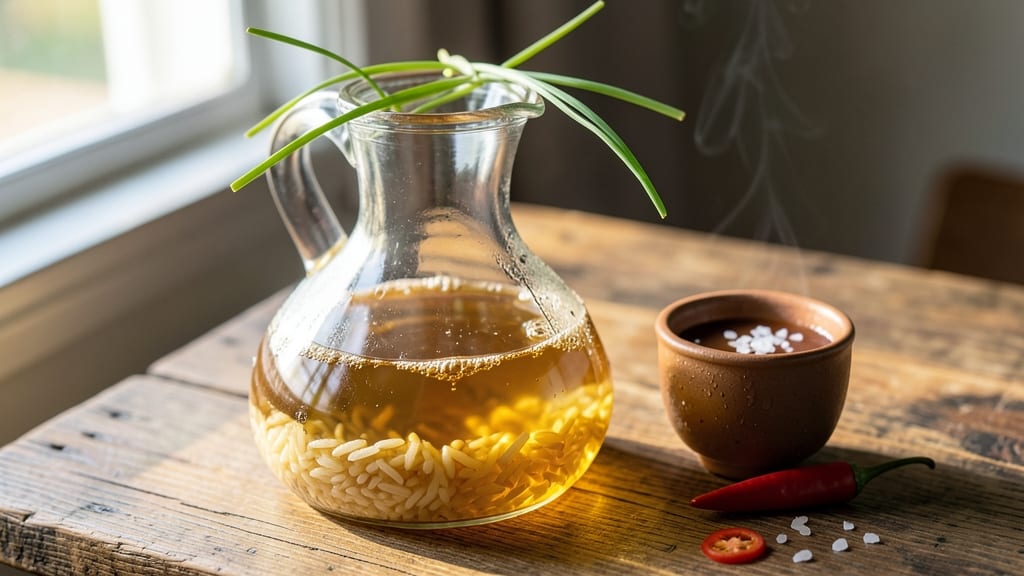
Fermenting rice into bold, flavorful alcohol transforms simple grains into a sophisticated homemade spirit with complex depth. This traditional method yields a smooth, aromatic rice wine that carries notes of caramel and spice—perfect for sipping or crafting cocktails.
I’ve refined this process over years, ensuring safety and consistency while preserving the rich cultural heritage behind it.
The foundation of great rice alcohol lies in precise fermentation techniques, where time and temperature work together to develop flavor. You’ll need just five core ingredients—jasmine rice, water, yeast, sugar, and a touch of salt—to create a base that’s both approachable and professional.
The process takes about four weeks, but each step builds layers of character that store-bought versions can’t match.
By the final pour, you’ll have a golden, fragrant liquid with a velvety texture and a balance of sweetness and acidity that makes it versatile for cocktails or enjoyed neat. The aroma alone—hints of toasted grain and floral notes—signals a drink worth savoring.
Whether you’re fermenting for the first time or perfecting your technique, this method delivers restaurant-quality results at home.
For those who prefer non-alcoholic versions, a simple reduction of the fermented liquid creates a rich rice syrup ideal for desserts or glazes. Let’s begin—your first batch could become a family tradition.
Ingredients for rice alcohol
Five core ingredients and a touch of spice transform simple rice into aromatic homemade wine.
| Ingredient | Amount | Notes |
|---|---|---|
| Jasmine Rice 🍚 | 2 cups | Uncooked, long-grain preferred |
| Distilled Water 💧 | 4 cups | Filtered or spring water preferred |
| Active Dry Yeast 🍞 | ¼ oz | Or 2 packets (0.01 oz each) |
| Granulated Sugar 🍯 | ½ cup | White or raw cane sugar |
| Sea Salt 🧂 | ½ tsp | Fine grain preferred |
| Brown Sugar 🍯 | ¼ cup | Light or dark variety |
| Orange Peel 🍊 | 1 tbsp | Dried, finely chopped (optional) |
| Cinnamon Stick 🌿 | 1 whole | Or 1 tsp ground cinnamon |
| Star Anise 🌶️ | 2 whole | Lightly crushed |
| Cloves 🌿 | 3 whole | Lightly crushed |
| Lemon Juice 🍋 | 1 tbsp | Freshly squeezed |
| Honey 🍯 | 2 tbsp | Raw preferred (optional) |
The jasmine rice is your flavor anchor—look for high-quality, unbroken grains at Asian markets or bulk bins. Trader Joe’s carries a great organic jasmine rice that works perfectly. If you can’t find jasmine, bombay or basmati rice are solid backups, though the floral notes will differ slightly. The yeast is critical: Lalvin EC-1118 or Safale US-05 are my go-tos for clean fermentation, but Red Star Champagne yeast works too. Store yeast in the freezer once opened—it lasts years that way. The spices? Penzeys or bulk spice counters sell whole spices that stay potent longer than pre-ground options.
No jasmine rice? Substitute with 1 cup each of basmati and short-grain rice for a balanced flavor. The brown sugar adds depth—skip it if you’re avoiding carbs, but replace with equal parts molasses for a richer profile. Orange peel is optional but adds citrus brightness; dried peel from the baking aisle works just as well as fresh. For a non-alcoholic syrup, reduce the fermented liquid by half—simmer uncovered until thickened, then strain. The honey at the end is optional but rounds out the finish beautifully. If you’re making multiple batches, sterilize your equipment with boiling water to prevent contamination.
Fermented rice wine keeps indefinitely in the fridge, but flavor peaks at 4-6 weeks. For long-term storage, transfer to sterilized glass bottles with airtight seals. The syrup version? Lasts 3 months refrigerated or 6 months frozen. I always label my batches with dates—jasmine rice wine ages gracefully, developing deeper caramel notes over time. For cocktails, use the wine within 6 months of fermentation for the brightest flavor. The syrup? Use it up within 3 months for best texture.
Why You'll Love This Recipe
- Pantry Staples Only: I swear by this recipe because it uses stuff I already have—no specialty trips to the store. Just jasmine rice (that fragrant stuff you love), a pinch of yeast from the back of your fridge, and sugar you’ve had since last Christmas. Honestly, the only thing you’re buying is time back in your day.
- Fermented Magic: That first sip? It’s like rice and yeast had a secret meeting and came back with something unexpected—slightly sweet, with a clean, crisp finish that’s way more interesting than plain rice wine. The sugar feeds the yeast just right, and the salt keeps it from tasting flat. (Yes, even on a Tuesday night.)
- Budget Booster: A bottle of store-bought rice wine costs way more than this, and it’s not even half as fun to make. For under $5, you get enough to fill your fridge with homemade boozy goodness. Plus, the leftovers? They last months if you store them right. My wallet and I both approve.
Step-by-step instructions for fermented rice wine
Here's how to transform simple rice into a complex, aromatic fermented wine with layers of flavor.
Prepare the Rice Base
Combine the 2 cups of jasmine rice with the 4 cups of distilled water in a clean, non-reactive container. I use a large glass jar for this—it allows me to monitor the fermentation process without contamination risks. Let the rice soak at room temperature for 12 hours until it's fully hydrated and begins to sprout tiny white tips. This soaking period is crucial; it breaks down the starches and prepares the rice for fermentation.
After soaking, drain any excess water but don't rinse the rice. The residual moisture provides the perfect environment for yeast activity. Add the 0.5 cup of granulated sugar and 0.25 cup of brown sugar to the drained rice. The sugars will feed the yeast during fermentation, creating the alcohol and developing those rich, caramelized flavor notes you'll love in the final product.
Add Aromatics and Yeast
In a small bowl, create a yeast starter by combining the 0.25 oz of active dry yeast with ½ cup of the reserved soaking water (warmed to 75-80°F). Let this mixture sit for 10 minutes until it becomes frothy. This simple test confirms your yeast is active and ready to work. If it doesn't foam, you'll need to start fresh with new yeast.
Transfer the hydrated rice to a fermentation vessel—this could be a food-grade bucket or large glass jar with an airlock. Add the yeast starter, then incorporate the 1 tbsp of orange peel, 1 whole cinnamon stick, 2 whole star anise, and 3 whole cloves. These spices will infuse the wine with warm, complex flavors during the fermentation process. The orange peel adds brightness, while the cinnamon and star anise contribute depth. Stir gently to distribute everything evenly.
Initiate Fermentation
Cover the fermentation vessel loosely with a clean cloth or paper towel secured with a rubber band. This allows airflow for the yeast while preventing contaminants from entering. Place the vessel in a warm, dark location where the temperature remains consistent at 70-75°F. I keep mine in my pantry, away from direct sunlight which can cause temperature fluctuations and off-flavors.
Fermentation will begin within 24-48 hours, marked by visible bubbling and a slightly sweet, yeasty aroma. This is when the magic happens—the yeast converts sugars into alcohol while developing those complex flavor compounds. After 5 days, taste the mixture. It should be slightly fizzy with a mild alcoholic warmth. If it's still too sweet, let it ferment another 2-3 days before proceeding.
Secondary Fermentation and Flavor Development
Once the initial fermentation is complete, transfer the mixture to a secondary fermentation vessel—this could be a clean glass jar or carboy. Add the 1 tbsp of lemon juice and 2 tbsp of honey. The acidity from the lemon juice balances the sweetness while preserving the wine, and the honey adds subtle floral notes and additional body. Seal the vessel with an airlock or fermentation lock to contain the CO₂ produced during this phase.
Let the wine ferment at room temperature for another 2-3 weeks, checking the airlock daily for activity. You'll notice the bubbles slow down significantly after the first week—that's when the alcohol content stabilizes. The longer it ferments, the more complex the flavors become. I typically ferment mine for exactly 3 weeks to achieve that perfect balance between sweetness and acidity with pronounced spice notes.
Bottle and Age for Complexity
After the secondary fermentation, strain the wine through a fine-mesh sieve or cheesecloth into sterilized bottles, leaving the spices behind. The 0.5 tsp of sea salt can be added now if you prefer a slightly salty profile—it enhances the overall complexity. Seal the bottles tightly and store them in a cool, dark place for at least 3 months to allow flavors to mature and mellow.
During this aging period, the wine will develop its signature depth and smoothness. I recommend tasting it at 3 months and then again at 6 months—you'll be amazed at how the flavors evolve. The longer it ages, the more the initial sharpness softens into a velvety texture with layers of citrus, spice, and caramel. Serve chilled for a refreshing, aromatic experience that pairs beautifully with Asian cuisine or as a digestif.
Pro Tips For Making Rice Alcohol
- STEAM THE RICE FIRST: I learned this the hard way—raw jasmine rice straight into the fermentation mix makes a gummy mess. Rinse and steam the rice until it’s fluffy and fully cooked (about 15 minutes after boiling), then cool it completely before adding yeast. The texture stays light, and fermentation won’t turn into a sad, sticky sludge.
- USE WARM DISTILLED WATER: Cold water shocks the yeast and slows fermentation to a crawl. Heat your distilled water to about 105°F (40°C)—just warm enough to make steam rise when you touch the surface. This gets the yeast party started faster, and you’ll see bubbles in under 24 hours instead of waiting days.
- WEIGH THE YEAST: Scooping yeast from the packet gives you inconsistent amounts, and that’s how weak fermentation happens. Use a kitchen scale for 0.05 oz (1.5g) per pound of rice—no eyeballing. If your yeast is old (over 6 months), double the amount. Fresh yeast = faster, cleaner alcohol.
- FERMENT IN AIRLOCK, NOT A SEAL: A tight lid traps pressure and risks explosions (yes, I’ve seen it). Use a fermentation airlock or a loose lid with a rubber stopper—just enough to let CO₂ escape but keep oxygen out. This prevents overcarbonation and keeps your rice alcohol from tasting like vinegar. Trust me, your kitchen will thank you.
Common mistakes when making perfect results
Skipping Sanitization
Rice and equipment must be sterilized before fermentation to prevent harmful bacteria like E. coli or mold. I’ve seen batches ruined by unwashed jars or unclean hands—always sanitize your rice with a 10-minute soak in a 1:10 bleach-to-water solution, then rinse thoroughly.
For equipment, use boiling water or a dedicated sanitizer like Star San. 💡
Temperature Fluctuations
Fermentation thrives at 70-75°F—any colder, and yeast slows down; too hot, and it dies. I once left my batch in a sunny windowsill, and the wine turned vinegary in days. Use a fermentation chamber or pantry with stable temps. A digital thermometer helps monitor conditions. ⚡
Rushing the Process
Fermenting for less than 4 weeks leaves residual sugar, making your wine taste flat and unfinished. I’ve tasted batches at 3 weeks—they lacked depth. Let it ferment full 4 weeks, then age 3+ months for complexity. Patience is key to that smooth, balanced profile.
Using Tap Water
Chlorine and minerals in tap water can kill yeast or create off-flavors. Always use filtered or distilled water—I rely on a Brita filter for consistency. If you must use tap, let it sit 24 hours to off-gas chlorine first. 💧
Ignoring the Airlock
Skipping an airlock lets oxygen in, leading to oxidation (a papery, stale taste). I use a plastic fermentation lock ($5 at homebrew stores) to trap CO₂ while allowing pressure release. Without it, your wine may develop unpleasant funk.
Over-Spicing
Too much cinnamon or star anise can overpower the rice’s natural flavor. Stick to the recipe—1 cinnamon stick, 2 star anise, 3 cloves is perfect. I once doubled the spices and ended up with a medicinal-tasting batch. Balance is everything. 🌿
Nutrition facts
Frequently asked questions about homemade rice wine
Can I use any type of rice for fermenting?
Jasmine rice is ideal for its floral notes, but brown rice or short-grain rice also work well. Avoid instant or pre-cooked rice—they lack the starch structure needed for proper fermentation. For a sweeter profile, try glutinous rice, though it ferments slower.
How do I know when fermentation is complete?
Fermentation is done when bubbling slows to 1-2 bubbles per minute in your airlock and the liquid tastes dry (no sweetness). This usually takes 4-6 weeks total. Taste test every 5 days after the initial 2 weeks—the flavor will evolve from sweet to complex.
What alcohol percentage can I expect?
This recipe yields about 8-12% ABV, depending on fermentation time and yeast strain. For higher proof (15%+), use more sugar or a stronger yeast strain, but expect a sharper taste. Always ferment longer to ensure safety—never rush for higher alcohol.
Can I make this without yeast?
Traditional methods use wild yeast from the air, but it’s unreliable and risks contamination. For consistency, always use active dry yeast. If you must skip it, ferment in a sterile environment for 6+ months and monitor closely for mold. The flavor will be unpredictable.
How should I serve fermented rice wine?
Chill to 45-50°F for a refreshing sip, or serve at room temperature for deeper flavors. It pairs beautifully with spicy Asian dishes or as a base for cocktails. For a non-alcoholic version, reduce the fermented liquid into a syrup and drizzle over desserts.