
Desserts
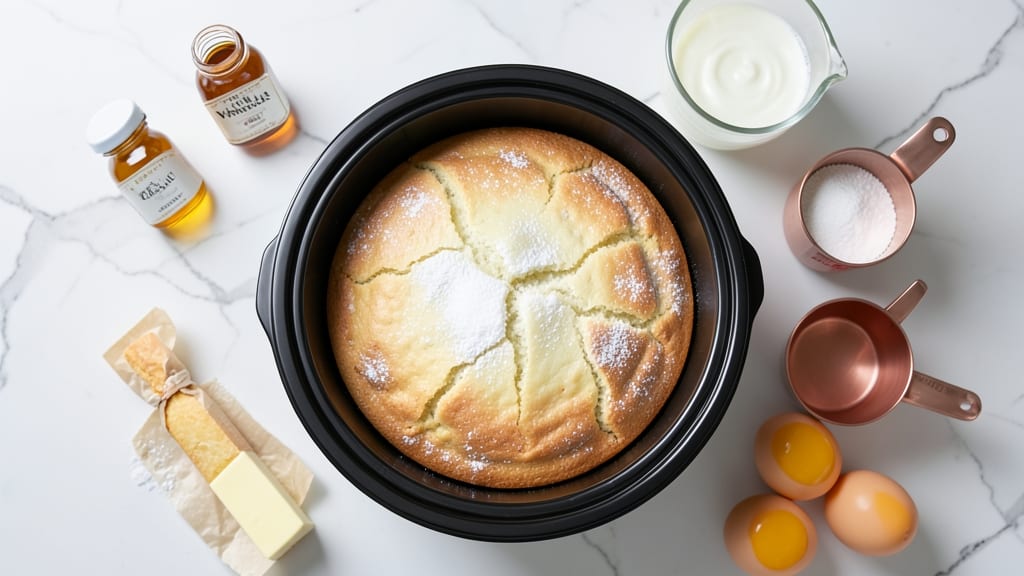
Baking a moist vanilla cake in your rice cooker might sound crazy, but trust me—this game-changing method delivers tender, perfectly baked layers without a single oven turned on.
The rice cooker's even heat distribution and steamy environment create a cake so moist it practically melts in your mouth, and the best part? No fancy equipment or last-minute oven preheating. I've been making this recipe for years, and it's become my go-to for foolproof cakes that impress every time.
The secret to success lies in the right mix of ingredients and a few simple adjustments to the rice cooker's settings.
Unlike traditional oven baking, this method relies on the cooker's steam to gently bake the cake from all sides, resulting in a texture that's impossibly tender yet still holds its shape. Plus, the rice cooker does all the work—no need to worry about oven temperature fluctuations or overbaking.
With just a few basic ingredients and about 45 minutes of hands-off time, you'll have a cake that tastes like it came from a bakery.
What makes this recipe truly special is how effortlessly it delivers that moist cake you crave—no dry crumbs or tough edges in sight. The cake rises beautifully in the center while staying soft and fluffy throughout, thanks to the rice cooker's unique baking environment.
It's perfect for busy weeknights when you want something sweet but don't have time to fuss over the oven. The best part? You can even customize it with mix-ins like chocolate chips, berries, or a splash of almond extract for extra flavor.
Whether you're a baking newbie or a seasoned pro, this rice cooker vanilla cake is a foolproof way to get perfect results every single time. Let's get started—your taste buds (and your rice cooker) will thank you!
Ingredients for rice cooker vanilla cake
Simple pantry staples transform into a moist vanilla cake—all in your rice cooker!
| Ingredient | Amount | Notes |
|---|---|---|
| All-Purpose Flour 🌾 | 1 ½ cups | Sifted for light texture |
| Granulated Sugar 🍚 | 1 cup | White or light brown |
| Unsalted Butter 🧈 | ½ cup | Room temperature, full-fat |
| Vanilla Extract 🌸 | 1 tbsp | Pure, high-quality vanilla |
| Large Eggs 🥚 | 2 whole | Room temperature, beaten |
| Milk 🥛 | ½ cup | Room temperature, any type |
| Baking Powder 🧂 | 1 ½ tsp | Aluminum-free preferred |
| Salt 🧂 | ½ tsp | Fine sea salt |
| Vegetable Oil 🫒 | ¼ cup | Light, neutral flavor |
| Water 💧 | ½ cup | Room temperature |
| White Vinegar 🍶 | 1 tbsp | For tenderizing |
| Powdered Sugar 🍚 | ¼ cup | For optional frosting |
The butter and oil combo is absolute magic for that moist texture—don't skimp here. Store-brand butter works just as well as name brands, but make sure it's full-fat. Room temperature is key: if your butter feels like ice cubes, microwave it for 20 seconds to soften. The baking powder? Diamond Crystal is my go-to—it's stronger than most brands, so I use slightly less. For the eggs, room temperature makes all the difference in a tender crumb. Pro tip: beat them in a separate bowl first, then gently fold into the dry ingredients to avoid overmixing.
No vanilla extract? Vanilla sugar or even a splash of almond extract works in a pinch. Short on powdered sugar? Granulated sugar crushed in a blender does the trick. The vinegar might sound weird, but it's what makes this cake rise perfectly in the rice cooker—no baking powder alone can handle the steam. If you're worried about flavor, the amount is so small it won't affect the taste. For the milk, any kind works, but whole milk gives the richest result. The water is just to thin the batter slightly—don't skip it or the cake might be too dense.
This batter keeps in the fridge for 2 days if you want to prep ahead, but it's best fresh. The cake itself stays moist for 3 days at room temperature, covered loosely. For extra flavor, I like to brush the warm cake with a simple syrup of equal parts sugar and water, heated until dissolved. Store leftovers in an airtight container—microwave for 10 seconds to revive any dryness. Trust me, this cake tastes even better the second day!
Why You'll Love This Recipe
- No Mixer Needed: I’ll be real—this cake comes together with just a bowl and a fork. The butter and sugar get creamed by hand (or a quick pulse in the rice cooker’s steam function), then eggs and vanilla fold right in. No stand mixer, no extra bowls, no fuss.
- Vanilla That Stays Vanilla: That rich vanilla extract isn’t hiding here—it’s the star. The butter keeps the crumb tender, and the sugar caramelizes just enough to give it a subtle depth. Honestly, it tastes like the vanilla cake you’d pay $12 for, but without the bakery shortcuts.
- Steam-Powered Magic: Between us, my rice cooker does 90% of the work. You dump the batter in, set it to steam, and walk away. Twenty minutes later, it’s done—no oven preheating, no temperature guesswork. (Yes, even on a Tuesday night when I’ve got zero energy.)
- Budget Baking Wins: Flour, sugar, butter—these are pantry staples that won’t break the bank. A single batch feeds four, and leftovers? They reheat beautifully in the microwave or toaster. I’ve made this for birthdays, potlucks, and even as a “I just need dessert” emergency. It’s my go-to for when I need cake but don’t want to spend $20 on ingredients.
Step-by-step instructions for rice cooker vanilla cake
Here's how to transform your rice cooker into a cake-making powerhouse with perfectly moist layers.
Prepare the Batter for Perfect Texture
In a large mixing bowl, combine the 1.5 cups all-purpose flour, 1.5 teaspoons baking powder, and 0.5 teaspoon salt. Sift this mixture together for a light, airy texture that prevents dense cake. In a separate bowl, whisk the 0.5 cup unsalted butter and 1 cup granulated sugar until light and fluffy—about 3-4 minutes with an electric mixer. This step is crucial for incorporating air that keeps the cake tender.
Add the 2 whole large eggs one at a time, mixing well after each addition. Stir in the 1 tablespoon vanilla extract, 0.5 cup milk, 0.25 cup vegetable oil, and 1 tablespoon white vinegar. The vinegar creates a gentle chemical reaction that tenderizes the gluten, ensuring a moist crumb. Mix until just combined—overmixing develops gluten, which makes the cake tough instead of light.
Combine Wet and Dry Ingredients
Gradually add the dry ingredients to the wet mixture, mixing on low speed until fully incorporated. The batter should be smooth and slightly thick, like heavy pudding. If it looks too thick, add 1-2 tablespoons of the 0.5 cup water to loosen it. Real talk: The batter will look like too much, but trust me—this is exactly what you want for a moist cake that doesn't dry out in the rice cooker.
Pour the batter into a greased 6-inch round cake pan (or your rice cooker's largest heat-safe bowl). Tap the pan gently on the counter to remove any air bubbles. This ensures even baking and prevents a dense center. Place the pan in the rice cooker and close the lid. The rice cooker's even heat distribution is what makes this cake so consistently moist.
Bake Using the Rice Cooker's Steam Function
Set your rice cooker to the "bake" function if available, or use the "steam" setting for 45-50 minutes. The steam creates a moist environment that keeps the cake tender. If your rice cooker doesn't have a bake function, use the "white rice" setting for 50-55 minutes—the residual heat will finish baking the cake perfectly.
Here's the thing—your rice cooker might run hot, so start checking at the 40-minute mark. The cake is done when a toothpick inserted into the center comes out clean with just a few moist crumbs clinging to it. Overbaking dries out the cake, so don't let it cook beyond this point. If it's still slightly underdone, cover it with a towel and let it sit for 5 minutes—the residual heat will finish the job.
Cool and Frost for Extra Moisture
Remove the cake from the rice cooker and let it cool in the pan for 10 minutes. This prevents cracking as it cools. Transfer it to a wire rack to cool completely. While it cools, prepare the optional frosting by whisking together the 0.25 cup powdered sugar with 1-2 tablespoons of the 0.5 cup water until smooth. This light glaze adds extra moisture and a touch of sweetness.
Once the cake is completely cool, spread the frosting evenly over the top and sides. The frosting not only adds flavor but also locks in moisture, keeping the cake tender for hours. Slice and serve immediately—or store covered at room temperature for up to 3 days. The rice cooker method guarantees a cake that stays moist longer than traditional oven-baked versions.
Pro Tips For Making Rice Cooker Vanilla Cake
- Grease Like You Mean It: Use about 2 tablespoons of melted butter (not oil) to coat the rice cooker pan—this isn’t just for release, it’s for flavor. I learned this the hard way when my cake stuck and tasted bland; butter makes the difference here, especially with vanilla.
- Whisk Eggs Until Ribbon Stage: Beat the eggs with sugar until the mixture leaves a clear trail when the whisk is lifted—about 3-4 minutes. I used to rush this, and my cake turned out dense; patience here gives you that light, cloud-like texture.
- Skip the Overmixing: Mix the batter just until the flour disappears—overworking it develops gluten and turns your cake into a tough brick. Fold in the vanilla last, and stop when there’s one dry spot left; your future self will thank you.
- Preheat the Cooker: Turn on the rice cooker and let it heat up for 5 minutes before adding the batter—this guarantees even cooking from the start. I ignored this once and got a cake with a raw center; don’t make my mistake.
Common mistakes when making this recipe
Overmixing the Batter
This is the #1 mistake that turns your moist rice cooker cake into a dense brick. When you mix the wet and dry ingredients, stop as soon as everything is just combined—you should still see small flour streaks. Overmixing develops gluten, which creates that tough, chewy texture we all hate.
I've ruined cakes by beating them for too long, and trust me, the rice cooker's steam won't save you here. Use a spatula to gently fold the dry ingredients into the wet ones instead of whipping away. 🌾
Skipping the Vinegar
The 1 tablespoon white vinegar might seem like an odd ingredient, but it's what makes this cake rise perfectly in the rice cooker's steamy environment. Without it, your cake will be dense and flat.
The vinegar reacts with the baking powder to create tiny air pockets that keep the crumb light. If you're worried about flavor, don't be—the amount is so small it won't affect the taste. I promise, this is one ingredient you don't want to skip!
Using Cold Ingredients
Room temperature butter, eggs, and milk are non-negotiable for this recipe. Cold ingredients create pockets of steam in the batter that can cause uneven baking or even sink spots in your cake. If your butter is too firm, microwave it for 20-30 seconds to soften.
The eggs should be at about 70°F—just warm to the touch. Cold milk can also cause the cake to sink in the middle. Take the 5 minutes to let everything warm up before mixing, and your cake will thank you with perfect layers.
Incorrect Pan Size
Using the wrong pan size is a fast track to underbaked or overbaked cake. This recipe is designed for a 6-inch round cake pan—any larger, and your cake will bake too slowly, resulting in a gummy center. Any smaller, and it might overbake before the edges are set.
If you don't have a 6-inch pan, use your rice cooker's largest heat-safe bowl. Just make sure it's at least 5.5 inches in diameter. Pro tip: Grease your pan thoroughly with butter or oil, then dust with flour to prevent sticking.
Opening the Lid Too Early
The rice cooker's steam is what keeps this cake impossibly moist, so resist the urge to peek! Opening the lid too early lets all that steam escape, which can cause your cake to dry out or develop a dry crust.
If your rice cooker doesn't have a keep-warm function, set a timer for 40 minutes and check only when it goes off. The cake should spring back slowly when gently pressed in the center.
If you must check earlier, open the lid just enough to insert a toothpick—don't fully lift it.
Ignoring the Resting Time
Letting the cake cool in the pan for 10 minutes before transferring to a wire rack is crucial. Skipping this step can cause the cake to crack or collapse as it cools. The residual heat in the pan helps set the cake's structure evenly.
I've seen cakes that looked perfect pull apart when rushed to cool. Be patient—those 10 minutes make all the difference in a clean slice and perfect texture. Once cooled, store it in an airtight container to maintain moisture for up to 3 days. 💫
Nutrition facts
Frequently asked questions
Why does this cake turn out so moist in a rice cooker?
The rice cooker's steam creates a humid baking environment that prevents moisture loss, unlike traditional ovens. The gentle heat and steam work together to keep the cake tender and fluffy. Plus, the vinegar helps create tiny air pockets that maintain that perfect crumb.
Can I make this cake without a cake pan?
Use your rice cooker's largest heat-safe bowl instead. Just make sure it's at least 5.5 inches in diameter. Grease it thoroughly with butter or oil and dust with flour to prevent sticking. The steam will work just as well to create a perfectly moist cake.
How do I know when the cake is fully baked?
Insert a toothpick into the center—the cake is done when it comes out clean with just a few moist crumbs. Start checking at the 40-minute mark since rice cookers vary in heat output. Overbaking dries out the cake, so don't let it cook beyond this point.
Can I add mix-ins like chocolate chips or berries?
Yes! Fold in ½ cup of chocolate chips, chopped nuts, or fresh berries when combining the wet and dry ingredients. Just be gentle to avoid overmixing. The steam helps distribute flavors evenly, so you won't lose texture or taste.
Will this cake taste different from an oven-baked one?
Not at all! The flavor remains pure vanilla with that classic cake taste, but the texture is even more tender due to the steam. The rice cooker method actually enhances moisture retention, making it taste fresher longer. Many people prefer this version because it stays moist for days.