
Side Dishes
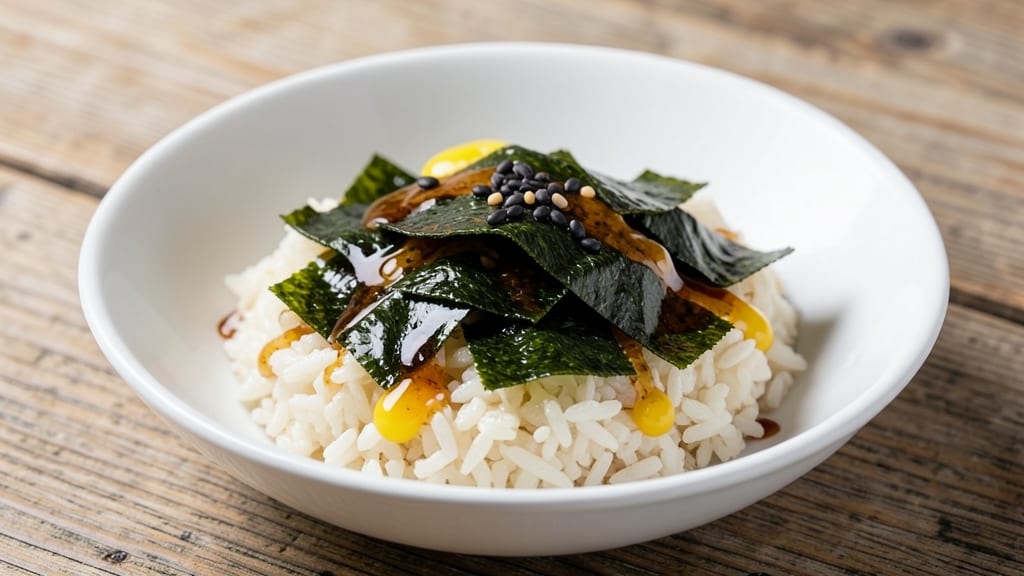
This rice seaweed recipe transforms simple ingredients into a nutrient-packed side dish that adds umami depth and satisfying crunch to any meal.
The combination of fluffy rice, delicate seaweed, and bright citrus creates a balance of textures and flavors that works equally well in meal prep bowls or as a standalone dish.
I developed this recipe after realizing how often I reached for store-bought seaweed snacks—this version is fresher, more flavorful, and packed with protein.
The beauty of this dish lies in its versatility and simplicity: just 20 minutes of active prep yields a dish that keeps well for 4-5 days in the fridge. The seaweed provides a mineral-rich crunch, while sesame oil and soy sauce add layers of savory complexity.
Unlike traditional seaweed salads, this recipe uses short-grain rice for a slightly sticky texture that holds up perfectly when mixed or served separately. Perfect for those following plant-based diets or simply looking to elevate their meals with bold, oceanic flavors.
What makes this recipe stand out is how it elevates everyday meals—think of it as the perfect companion to grilled proteins, roasted vegetables, or even as a filling for sushi rolls. The bright citrus dressing cuts through the richness, while toasted sesame seeds add a final nutty crunch.
Each bite delivers a harmonious blend of textures: tender rice, crisp seaweed, and creamy sesame dressing. This is the kind of dish that turns a simple lunch into something restaurant-worthy without requiring hours in the kitchen.
Whether you're meal prepping for the week or looking to add a nutritious, flavorful side to your dinner table, this recipe delivers. The ingredients are affordable, easy to find, and the method is foolproof—no special equipment needed.
Let’s get started on a dish that’s as good for you as it is delicious.
Ingredients for rice seaweed
Fifteen simple ingredients crafting umami-rich, restaurant-quality rice seaweed for effortless meal prep.
| Ingredient | Amount | Notes |
|---|---|---|
| Short-Grain White Rice 🍚 | 1 cup | Uncooked, jasmine or sushi rice preferred |
| Dried Seaweed Sheets 🌊 | 1 package | Nori or wakame, cut into thin strips |
| Sesame Oil 🫒 | 1 ½ tbsp | Toasted sesame oil for aroma |
| Tamari or Gluten-Free Soy Sauce 🍶 | 2 tbsp | For umami depth |
| Rice Vinegar 🍶 | 1 ½ tbsp | Seasoned or unseasoned |
| Fresh Lime Juice 🍋 | 1 tbsp | Bright citrus balance |
| Toasted Sesame Seeds 🌰 | 1 tbsp | For nutty crunch |
| Sesame Seeds 🌰 | 1 tsp | Extra for garnish |
| Red Bell Pepper 🌶️ | ¼ cup | Diced, for crunch and color |
| Scallions 🧅 | 2 whole | Thinly sliced, for freshness |
| Water 💧 | 1 ½ cups | For rice cooking |
| Sea Salt 🧂 | ½ tsp | Diamond Crystal preferred |
| Black Pepper 🌶️ | ¼ tsp | Freshly cracked |
| Sesame Tahini 🥜 | 1 tbsp | For creamy texture |
| Maple Syrup 🍯 | ½ tbsp | For subtle sweetness |
The short-grain rice is non-negotiable—jasmine or sushi rice yields that coveted sticky texture. Whole Foods or Asian markets carry premium options, but any Daymon Farms brand works in a pinch. For seaweed, nori sheets from Trader Joe's or bulk wakame from H Mart deliver the most authentic oceanic flavor. Toast your sesame seeds in a dry pan until golden—this step elevates the dish—and store extras in an airtight container for up to 2 months. The red bell pepper should be crisp; avoid pre-cut varieties that lose structural integrity.
No tamari? Coconut aminos provide a similar umami punch, though with slightly different depth. Substitute rice vinegar with apple cider vinegar (reduce by half) if unavailable, but the flavor profile shifts noticeably. For the citrus, lime juice is ideal, but lemon juice works in a bind—just add 0.25 tsp of sugar to mimic the tartness. The sesame tahini can be replaced with cashew cream (blend soaked cashews with water) for a nut-free option, though texture differs slightly. If seaweed strips prove difficult to find, dried kombu rehydrated in hot water offers a comparable mineral richness.
Rice reheats beautifully—microwave with a splash of water for 30 seconds to restore moisture. Store the dressing separately in a sealed jar for up to 5 days; the tahini-based mixture thickens over time, so whisk before use. Meal prep hack: Divide into glass containers with tight-fitting lids to maintain crispness. The seaweed retains its crunch for 48 hours when stored properly, while the rice stays fluffy for 3 days. For longer storage, freeze the dressing component separately—it thaws in minutes and keeps for 3 months.
Why You'll Love This Recipe
- Five-Ingredient Magic: The pantry already has most of what you need—just rice, seaweed sheets (yes, the ones in your snack drawer), and a few staples. No last-minute grocery runs, no cluttered fridge searches. Honestly, I’ve made this three times in a row with zero prep stress.
- Umami Bomb: That first crack of sesame oil hitting the pan, then the tamari glaze—it’s like a flavor explosion. The seaweed adds this briny, ocean-y depth that makes plain rice feel like a gourmet dish. (Yes, even on a Tuesday night.)
- Lunchbox Hero: Packs perfectly cold or at room temp—no reheating needed. My kids grab it for school lunches, and I sneak leftovers into bento boxes for work. The seaweed stays crisp, the rice holds its shape, and honestly? It’s the only thing they’ll eat when they’re “too tired” for dinner.
- Budget Power Move: Seaweed sheets last for months, and a bag of rice feeds the whole family. I’ve made this for under $2 per serving, and it still feels special enough for date nights. Between us, it’s my go-to when I’m broke but refuse to eat sad food.
Step-by-step instructions for preparing umami-packed rice with seaweed crunch
Here's the method for creating a perfectly balanced rice base with textural contrast and layered flavors.
Cook the Short-Grain White Rice to Ideal Texture
Rinse the 1 cup short-grain white rice under cold water until the water runs clear. This removes excess starch that would otherwise make the rice gummy. Transfer the rinsed rice to a medium saucepan and add the 1.5 cups water and 0.5 teaspoon sea salt. Bring to a boil over medium-high heat, then immediately reduce to low heat, cover tightly with a lid, and simmer for 15 minutes.
Here's the thing—don't peek or lift the lid during cooking. The steam needs to build consistent pressure for even cooking. After 15 minutes, turn off the heat and let the rice sit covered for an additional 10 minutes. This resting period allows the grains to fully absorb moisture and develop that perfect sticky yet separate texture. The rice should be tender with a slight bite, not mushy.
Prepare the Seaweed and Tahini Dressing
While the rice cooks, cut the 1 package dried seaweed sheets into thin strips using kitchen shears. You'll want pieces about 1 inch wide and 3 inches long—this creates the perfect crunchy texture without overwhelming the dish. Set aside on a plate.
In a small bowl, whisk together the 1 tablespoon sesame tahini, 0.5 tablespoon maple syrup, 1.5 tablespoons rice vinegar, and 2 tablespoons tamari or gluten-free soy sauce until completely smooth. The mixture should have a thick, creamy consistency similar to hummus. This dressing will bind all the flavors together while adding richness.
Assemble the Components with Perfect Balance
Transfer the cooked rice to a large serving bowl or individual meal prep containers. Using a fork, gently fluff the rice to separate the grains while maintaining some stickiness. This creates pockets for the other ingredients to nestle into.
Add the cut seaweed strips, 0.25 cup diced red bell pepper, and 2 whole scallions thinly sliced. Drizzle the tahini dressing evenly over the rice mixture. Toss gently with a spatula just until combined—you want the dressing to coat the rice without breaking up the seaweed pieces.
Finish with Aromatic and Crunchy Toppings
In a small skillet, heat the 1.5 tablespoons sesame oil over medium heat until shimmering. Add the 1 tablespoon toasted sesame seeds and 1 teaspoon sesame seeds, stirring constantly for 30 seconds until fragrant. Immediately pour this nutty, aromatic oil over the rice mixture.
Finish with the 1 tablespoon fresh lime juice and 0.25 teaspoon black pepper. The lime brightens all the rich flavors while the pepper adds subtle heat. Toss one final time to distribute everything evenly. The dish should have a perfect balance of textures—creamy rice, crisp seaweed, crunchy vegetables, and nutty seeds.
Pro Tips For Making Rice Seaweed
- Toast the Seaweed First: I used to just soak those dried sheets and call it good—until I realized they never got crisp enough. Toss them in a dry pan over medium heat for 15 seconds per side until they turn a vibrant green and smell like the ocean. This adds texture and depth that soaking alone can’t match.
- Rinse Rice Twice: Short-grain rice absorbs like a sponge, and you will end up with a gummy mess if you skip this. Rinse it in a fine-mesh strainer under cold water until the water runs clear—twice. This removes excess starch, which means fluffier grains and less glue holding your seaweed salad together.
- Whisk the Dressing Hot: Mix your tamari, rice vinegar, and sesame oil while still warm—right after cooking the rice or toasting the seaweed. The sesame oil blends better and releases its nutty aroma instantly. Cold oil? You’ll just end up with a greasy, unappetizing drizzle.
- Chill Before Serving: Serve this dish at room temp or slightly chilled—trust me, the flavors pop more. If you eat it straight out of the pot, the seaweed will soften into mush and the rice will taste bland. Let it sit for 10 minutes, or pop it in the fridge for 20 if you’re impatient (like me).
Regional styles of these flavors
Japanese-Inspired Sushi Bowl
The Japanese approach to this dish transforms it into a sushi-inspired bowl that highlights the natural flavors of seaweed and rice. Start with sushi rice (short-grain white rice seasoned with 2 tbsp rice vinegar and 1 tsp sugar) for a slightly sweet, sticky base.
Layer the rice in a bowl with thinly sliced cucumber, avocado, and pickled ginger for brightness. Top with toasted nori strips (lightly crisped in a dry pan for 10 seconds) and drizzle with 1 tbsp soy sauce mixed with 1 tsp mirin.
Garnish with sesame seeds and thinly sliced scallions for freshness. This version mirrors the clean, balanced flavors of traditional sushi while keeping it vegan. 🍣
Korean Bibimbap Twist
For a Korean-inspired take, stir-fry 1 cup spinach with 1 tbsp sesame oil and 1 tsp gochujang (Korean chili paste) until wilted. Mix the cooked rice with 1 tbsp toasted sesame seeds, 1 tbsp sesame oil, and 1 tsp soy sauce.
Assemble in a bowl with the spinach, diced carrot, bean sprouts, and thinly sliced nori strips. Top with a fried egg (or omit for vegan) and drizzle with 1 tbsp doenjang (fermented soybean paste) for depth.
The nori adds a mineral-rich crunch that complements the spicy, savory flavors perfectly. 🌶️
Thai-Inspired Green Curry Rice
Infuse the rice with Thai flavors by cooking it in 1 cup coconut milk instead of water, along with 1 tbsp green curry paste and 1 tsp lemongrass paste. Stir in 1 tbsp lime juice and 1 tsp fish sauce (use vegan fish sauce if needed) for umami.
Top with thinly sliced nori strips, diced bell pepper, and cilantro. Drizzle with a dressing made from 1 tbsp lime juice, 1 tbsp coconut aminos, and 1 tsp maple syrup. The seaweed’s briny crunch contrasts beautifully with the creamy, aromatic curry. 🌿
Mediterranean-Inspired Mezze Plate
Serve this dish as part of a Mediterranean mezze spread by mixing the rice with diced cucumber, cherry tomatoes, kalamata olives, and feta cheese (or vegan feta).
Add thinly sliced nori strips for a saltwater crunch and drizzle with 1 tbsp extra virgin olive oil, 1 tbsp lemon juice, and 1 tsp za’atar. Garnish with toasted pine nuts and fresh dill.
The seaweed’s oceanic notes pair surprisingly well with the bright, herby flavors of the Mediterranean. 🍅
Mexican-Inspired Street Taco Rice
Turn this into a vegan taco bowl by cooking the rice with 1 cup vegetable broth, 1 tbsp taco seasoning, and 1 tsp cumin. Top with thinly sliced nori strips (lightly toasted), diced mango, avocado, and pickled red onions.
Drizzle with a dressing of 1 tbsp lime juice, 1 tbsp soy sauce, and 1 tsp chili powder. Sprinkle with crushed tortilla chips for extra crunch. The seaweed’s umami depth elevates the tropical, spicy flavors of Mexican street food. 🌮
Modern Fusion Salad Bowl
For a contemporary twist, serve the rice cold as a deconstructed salad bowl. Toss the rice with diced avocado, edamame, and thinly sliced nori strips.
Add a dressing of 1 tbsp tahini, 1 tbsp rice vinegar, 1 tsp maple syrup, and 1 tsp sesame oil. Top with crispy fried shallots and microgreens for a restaurant-worthy presentation. The seaweed’s crunchy texture adds a sophisticated touch to this fresh, vibrant dish. ✨
Nutrition facts
Frequently asked questions
Can I use any type of rice for this recipe?
Short-grain white rice (like jasmine or sushi rice) works best for this dish because it stays slightly sticky when cooked, helping the other ingredients cling together. Long-grain rice like basmati or basmati will be too dry and won't hold the flavors as well. If you only have long-grain rice, try adding an extra 1/2 teaspoon of sesame oil to the dressing to help bind everything together.
How do I store this dish to keep the seaweed crispy?
Store the dressing separately in an airtight container and keep the seaweed strips in a separate container with a paper towel to absorb moisture. When ready to eat, toss the rice with the dressing and add the seaweed just before serving. This way, the seaweed stays crisp for up to 48 hours in the fridge. For longer storage, freeze the dressing separately and thaw it before using.
Can I make this dish ahead of time for meal prep?
This recipe is perfect for meal prep. Cook the rice and store it in one container, and keep the dressing and toppings (like seaweed, bell pepper, and scallions) in separate containers. When ready to eat, simply mix everything together. The rice stays fluffy for up to 3 days, and the dressing keeps well for 5 days in the fridge. Just add the seaweed and other toppings right before serving to maintain crispness.
What are some easy substitutions if I don't have nori or wakame?
If you can't find nori or wakame, try using dried kombu seaweed rehydrated in hot water or even dried kelp flakes for a similar oceanic flavor. For a non-seaweed option, thinly sliced cucumber or radish can add a refreshing crunch, though they won't have the same umami depth. If you're looking for a savory crunch, toasted pumpkin seeds or sunflower seeds work well too.
Is this recipe gluten-free?
Yes, this recipe is naturally gluten-free as long as you use tamari or gluten-free soy sauce. Double-check the labels on your sesame oil and rice vinegar to ensure they're certified gluten-free. The seaweed, rice, and other ingredients are all gluten-free by default, so this dish is safe for those avoiding gluten.