
Sauces & Condiments
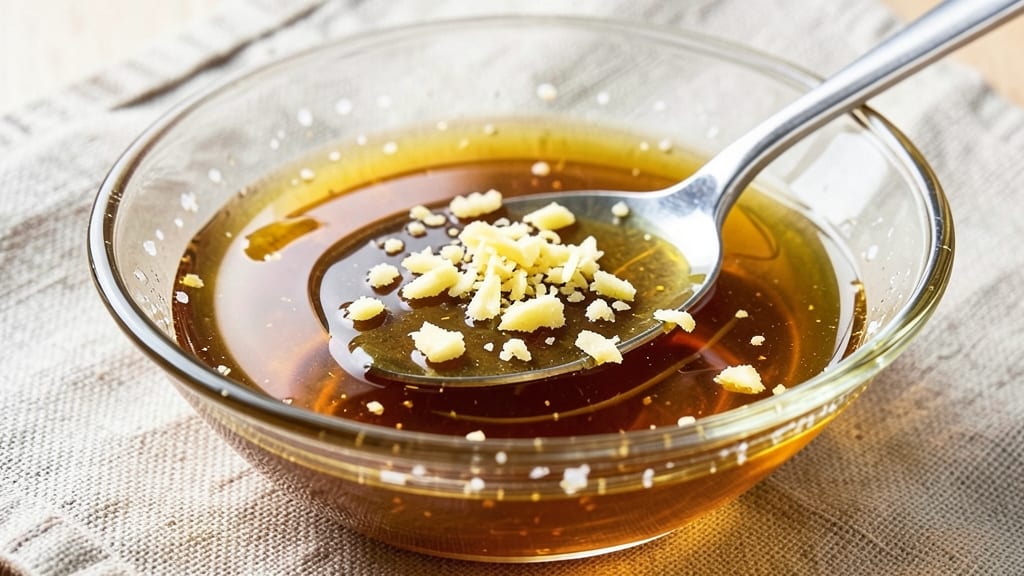
This rice vinegar dressing recipe transforms simple salads into vibrant, restaurant-quality dishes with just five ingredients and five minutes of prep. The bright acidity cuts through rich ingredients while enhancing their natural flavors—perfect for coleslaw, noodle bowls, or drizzled over grilled proteins.
I developed this version after realizing most store-bought dressings lacked the fresh, tangy balance I craved in my own cooking.
What makes this dressing special is its versatility—it works equally well as a quick marinade, dipping sauce, or finishing drizzle. The key lies in balancing rice vinegar’s sharpness with a touch of sweetness (honey or sugar) and neutral oil, creating a silky emulsion that clings beautifully.
Unlike heavy creamy dressings, this one stays light yet satisfying, making it ideal for warm weather or health-conscious meals.
By the time you whisk together these ingredients, you’ll have a dressing that’s bright, tangy, and perfectly balanced—no artificial flavors or thickeners required. The aroma alone will make your kitchen smell like a bustling Asian street market, while the taste delivers that signature harmony of sweet, sour, and umami.
This recipe yields about 1 cup, so make a double batch to enjoy all week.
Use it on fresh greens, grain bowls, or even as a glaze for roasted vegetables—this dressing elevates every dish it touches. The ingredients are simple, but the results are anything but ordinary. Let’s make it together.
Ingredients for rice vinegar dressing
Five ingredients, five minutes—this dressing delivers restaurant-quality tangy brightness.
| Ingredient | Amount | Notes |
|---|---|---|
| Rice Vinegar 💧 | ½ cup | Seasoned preferred for depth |
| Extra-Virgin Olive Oil 🫒 | ½ cup | Light, neutral flavor preferred |
| Raw Honey 🍯 | 2 tbsp | Or granulated sugar, equal parts |
| Toasted Sesame Oil 🌱 | 1 tbsp | For aroma and depth |
| Diamond Crystal Kosher Salt 🧂 | ½ tsp | Fine grain preferred |
| Fresh Ginger Root 🌿 | 1 tbsp | Finely grated, fresh only |
| Garlic Cloves 🧄 | 1 clove | Minced, fresh preferred |
| Sesame Seeds 🌰 | 1 tsp | Toasted for garnish |
The rice vinegar is non-negotiable—seasoned rice vinegar adds subtle umami, but plain works too. Kikkoman or Makura are my go-tos, but any brand with no funky aftertaste is fine. Fresh ginger and garlic are where the magic happens: peel the ginger with a spoon first to remove the skin easily, then grate it. For garlic, mince it fine—you want it to disappear into the dressing. The honey balances the acidity perfectly, but if you're watching sugar, agave or maple syrup works just as well. Toast your sesame seeds in a dry pan for 30 seconds—they'll smell like a street market and add crunch.
No sesame oil? Avocado oil at half the amount keeps the neutral base, though you'll lose some aroma. Subbing honey for sugar? Use equal parts, but expect slightly less gloss. The dressing thickens when chilled, so whisk in a splash of water if it gets too stiff. For extra umami, add 1 tsp soy sauce or fish sauce. Want it spicy? Mash a few red pepper flakes into the honey before mixing. The olive oil should be light and fruity—none of that bitter, cheap stuff. If you're using it as a marinade, reserve 2 tbsp to brush on proteins after cooking.
This dressing keeps for 1 week in the fridge, but it's best within 3 days. Store it in a glass jar—plastic absorbs flavors. If it separates, just give it a good shake before using. Double the batch and freeze half in ice cube trays for single-serving portions. The sesame seeds can be toasted ahead and stored in a cool, dark place for up to 2 weeks. Once you taste this homemade version, you'll never buy store-bought again—it's that good.
Why You'll Love This Recipe
- I’ll be real: sesame oil and good honey aren’t cheap, but this recipe uses so little of each that one bottle lasts months. Plus, the salt and vinegar? Those are the kind of ingredients that never go to waste. Budget-friendly without sacrificing flavor.
- Five-Ingredient Magic: Honestly, this dressing is the kind of recipe where you’ll stare at your pantry and realize you already have everything. Just shake those five staples—rice vinegar, olive oil, honey, sesame oil, and salt—together, and boom. No chopping, no straining, no stress.
- Bright & Balanced: That first tangy hit of rice vinegar wakes up your taste buds, then the honey smooths it out like a warm hug. Toss it on greens, drizzle over grilled fish, or swirl into noodles—it’s the kind of dressing that doesn’t overpower but enhances everything.
- Weeknight & Weekend: Between us, this is my go-to for lazy salads and fancy dinner sides. Double the batch on Sunday, store it in the fridge, and you’ve got dressing for lunch, dinner, and even a quick takeout-style bowl. (Yes, even on a Tuesday night.)
Step-by-step instructions for rice vinegar dressing
Here's how to blend this vibrant dressing with perfect balance every time.
Prepare the Aromatics
Start by finely grating the 1 tablespoon fresh ginger root using a microplane or fine grater. You want the texture to be almost paste-like—this ensures the ginger's bright, zesty flavor infuses completely. Next, mince the 1 clove garlic cloves into a fine, barely visible texture. The reason for this precision is simple: you want the garlic to dissolve smoothly into the dressing without any noticeable chunks.
Set both the grated ginger and minced garlic aside in a small bowl. This preparation step is crucial because raw ginger and garlic release their oils more effectively when they're finely textured. If you're using a knife, chop the garlic as finely as possible—you'll barely see any pieces when you're done. The aroma should already be filling your kitchen, signaling that you're on the right track.
Whisk Together the Base Ingredients
In a medium bowl, combine the 0.5 cup rice vinegar and 0.5 cup extra-virgin olive oil. Start by adding the vinegar first, then slowly drizzle in the olive oil while whisking continuously. This gradual incorporation prevents the oil from separating and creates a smooth emulsion right from the start. The mixture should look cloudy at first, but don't worry—this is normal as the ingredients begin to blend.
Add the 2 tablespoons raw honey next, whisking until fully dissolved. The honey will begin to thicken the dressing slightly, creating a syrupy consistency that coats the back of a spoon. If you're using granulated sugar instead, make sure it's completely dissolved—any grains will make the dressing gritty. Here's the thing—taste the mixture now. It should be tangy from the vinegar, with a subtle sweetness from the honey. If it's too sharp, you'll add more honey later; if it's too sweet, a touch more vinegar will balance it.
Incorporate the Aromatics and Season
Add the grated ginger and minced garlic to the bowl, along with the 0.5 teaspoon diamond crystal kosher salt. Whisk vigorously for about 30 seconds until the salt dissolves completely and the aromatics are evenly distributed. The mixture should now have a warm, earthy depth from the ginger and a sharp, pungent kick from the garlic. If you're using seasoned rice vinegar, you'll notice an extra layer of complexity—umami notes that elevate the dressing from good to extraordinary.
Now, drizzle in the 1 tablespoon toasted sesame oil while whisking continuously. This is where the dressing transforms from simple to sophisticated. The sesame oil adds a nutty aroma and a rich, toasty flavor that ties everything together. The dressing should now have a glossy sheen and a smooth, velvety texture. Give it one final taste—it should be bright, tangy, and perfectly balanced with sweet, salty, and umami notes. If it needs adjustment, this is your last chance before moving forward.
Rest and Adjust for Perfection
Let the dressing sit at room temperature for 10-15 minutes. This resting period allows the flavors to meld and the emulsion to stabilize. You might notice a slight separation at first, but don't panic—this is normal and will resolve as the ingredients integrate. After resting, give the dressing a final whisk to ensure everything is fully combined. The texture should now be silky and uniform, with no visible streaks of oil or vinegar.
Taste again, and make any final adjustments. If the dressing is too thick, whisk in 1 teaspoon of warm water at a time until it reaches your desired consistency. If it's too thin, add a splash more of the extra-virgin olive oil or a touch of raw honey to balance it. The dressing is now ready to use immediately, but it will continue to improve if refrigerated for up to 2 weeks. For garnish, sprinkle with the 1 teaspoon toasted sesame seeds just before serving to add a final crunch and visual appeal.
Pro Tips For Making Rice Vinegar Dressing
- Whisk in stages: Start by combining rice vinegar and honey first—this helps the honey dissolve smoothly without clumping. Then drizzle in the olive oil slowly while whisking constantly; otherwise, you’ll end up with a greasy, uneven mess instead of a silky emulsion.
- Use cold sesame oil: Add the toasted sesame oil last, straight from the fridge, and stir gently—it’s heat-sensitive and burns off fast. If you toss it in too early or warm it up, you’ll lose that nutty aroma that makes this dressing sing.
- Salt the vinegar: Dissolve the kosher salt directly into the rice vinegar before mixing anything else—it blends better and prevents grainy bits later. (Yes, even if the recipe says to add it at the end, I learned this after tasting a dressing that felt like sandpaper.)
- Measure honey by weight: Spooning honey straight from the jar is unreliable—it’s thick, sticky, and varies wildly. Use a kitchen scale for 1:1 accuracy (about 2 tablespoons per 30g) to avoid a dressing that’s either cloyingly sweet or disappointingly bland.
Dietary considerations for these flavors
Gluten-Free Adaptation
This dressing is naturally gluten-free as long as you use certified gluten-free rice vinegar and honey. I recommend Kikkoman Gluten-Free Rice Vinegar—it has the same bright tang without any hidden gluten. Always double-check labels on honey and sesame oil, as some brands may process ingredients in gluten-containing facilities. 🌾
Low-Sugar Options
For a lower-sugar version, replace the 2 tablespoons honey with 1 tablespoon maple syrup or agave nectar, which have a milder sweetness. If you're avoiding sugar entirely, try 1 teaspoon erythritol or monk fruit sweetener dissolved in 1 teaspoon warm water before whisking.
The dressing will still taste balanced, though the texture may be slightly thinner.
Vegan-Friendly
This recipe is already vegan, but there are a few pro tips to elevate it. Use vegan-certified honey substitute like agave or date syrup for a plant-based option. For extra depth, add 1 teaspoon nutritional yeast to the dressing—it adds a cheesy, umami note that works surprisingly well.
Always check that your sesame oil is vegan (some brands use animal-derived clarifiers).
Soy-Free Alternative
If you need to avoid soy, skip the sesame oil and replace it with 1 tablespoon avocado oil or neutral coconut oil. The flavor will be slightly different—less nutty, more neutral—but the dressing will still shine.
For umami without soy, add ½ teaspoon white miso paste (ensure it's soy-free if needed) or 1 teaspoon coconut aminos instead.
Nut-Free Version
Sesame seeds and sesame oil are the only nut-derived components here, so omitting them makes this nut-free. Simply skip the 1 teaspoon toasted sesame seeds garnish and replace the 1 tablespoon sesame oil with 1 tablespoon avocado oil.
The dressing will still have a smooth, silky texture—just without the toasty nutty aroma. For garnish, try toasted pumpkin seeds or crushed sunflower seeds instead.
Allergy-Friendly Swaps
For those with multiple sensitivities, here’s a fully customizable approach: Use apple cider vinegar (1:1 ratio) if rice vinegar is an issue, and swap honey for date syrup. For a nut-free, soy-free option, combine 1 tbsp avocado oil + ½ tbsp coconut oil to replace sesame oil.
Always check individual ingredient labels—even "safe" items can have cross-contamination risks. The key is balancing flavors, so taste as you go! 💡
Nutrition facts
Frequently asked questions
Can I use white vinegar instead of rice vinegar?
White vinegar works in a pinch, but it lacks the subtle sweetness and depth of rice vinegar. The flavor will be sharper and less nuanced. For best results, stick with rice vinegar—seasoned rice vinegar adds extra complexity that white vinegar simply can't match. If you must substitute, use a 1:1 ratio, but expect a more acidic taste.
How long does this dressing keep in the fridge?
The dressing stays fresh for up to 1 week when stored in an airtight container in the refrigerator. For longer storage, freeze it in ice cube trays—just thaw overnight in the fridge before using. The flavors actually improve slightly after 2-3 days as the ingredients meld together.
Why did my dressing separate?
Separation happens when oil and vinegar aren't properly emulsified. Whisk vigorously for 30 seconds to recombine, or add 1 teaspoon of warm water to help bind the ingredients. For future batches, whisk continuously while adding oil to vinegar to prevent this issue. A quick shake before using also works in a pinch!
What are the best dishes to use this dressing on?
This versatile dressing shines on Asian-inspired salads, sushi rolls, grilled proteins, and cold noodle dishes. It also makes an excellent marinade for tofu or chicken—just reserve 2 tablespoons to brush on after cooking. The bright tang cuts through rich flavors beautifully, making it perfect for summer dishes.
Can I make this dressing spicier?
Add ½ teaspoon of red pepper flakes or 1 teaspoon of sriracha to the honey before whisking. For a smoky kick, mix ½ teaspoon smoked paprika into the salt. Start with small amounts—you can always add more heat later. The dressing's tangy base balances spice perfectly, so don't be afraid to experiment!