
Side Dishes
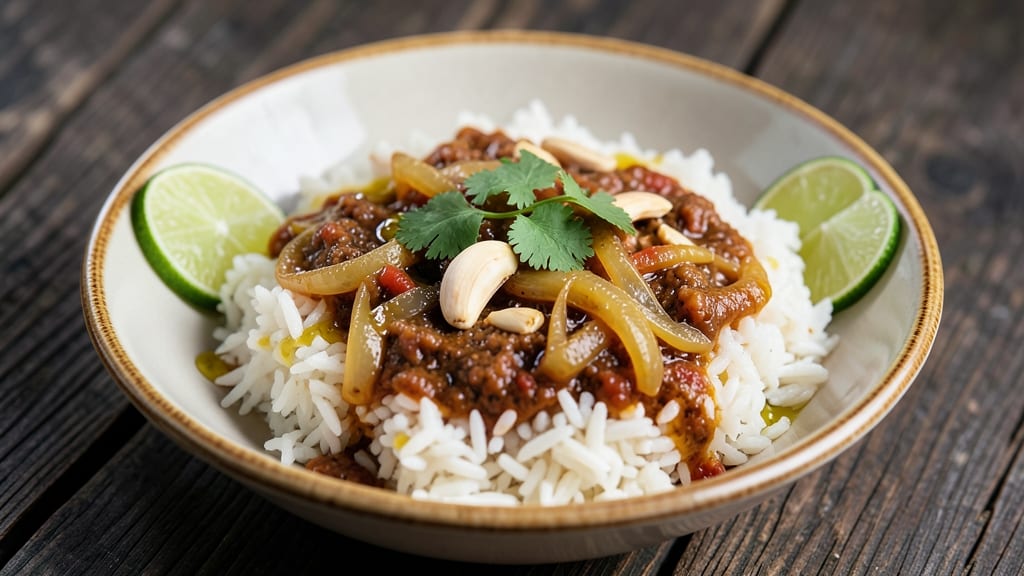
This Salvadorian rice recipe transforms simple grains into a fragrant, saffron-kissed dish that steals every plate. The secret lies in slow-cooked tomato sauce, aromatic spices, and a bright finish of lime zest that elevates this side into a flavorful centerpiece.
I've perfected this technique over years of Salvadoran home cooking, ensuring each grain stays separate yet infused with deep, complex flavors.
The process begins with soaking the rice to achieve that signature arroz suelto—light, fluffy, and never mushy. Sautéed onions, garlic, and achiote create a fragrant base, while the tomato sauce simmers until thick and rich.
What sets this apart is the saffron-infused lime zest, adding a vibrant citrus note that cuts through the dish's richness without overpowering it.
By the end, you'll have golden, slightly firm rice with a delicate crunch at the edges and a sauce that clings to each grain.
The aroma alone will make your kitchen feel like a Salvadoran comedor, while the flavors balance perfectly with grilled meats, beans, or even on their own. This is the kind of rice that turns side dishes into the star of the meal.
Ready to master this technique? Let's get started—every step builds toward that perfect balance of texture and flavor. The result is a dish that feels both comforting and sophisticated, exactly as it should be.
Ingredients for salvadorian rice
Simple grains and bold spices create this fragrant Salvadoran rice masterpiece.
| Ingredient | Amount | Notes |
|---|---|---|
| Long-Grain White Rice 🍚 | 2 cups | Uncooked, rinsed thoroughly |
| Achiote Paste 🌶️ | 1 tbsp | Authentic Salvadoran spice blend |
| Yellow Onions 🧅 | 1 whole | Medium, thinly sliced |
| Garlic Cloves 🧄 | 4 cloves | Fresh, minced finely |
| Tomato Paste 🍅 | ½ cup | Smooth, no sugar added |
| Fresh Limes 🍋 | 2 whole | Zest only, seeds removed |
| Saffron Threads 🌼 | ¼ tsp | High-quality, crushed |
| Chicken Broth 🍲 | 2 cups | Low-sodium, homemade preferred |
| Olive Oil 🫒 | ¼ cup | Extra-virgin, for sautéing |
| Cumin Seeds 🌿 | ½ tsp | Toasted lightly for aroma |
| Bay Leaves 🍃 | 2 whole | Dried, standard size |
| Salt 🧂 | 1 tsp | Kosher or sea salt |
| Black Peppercorns 🌶️ | ¼ tsp | Freshly cracked |
| Cilantro Leaves 🌿 | ¼ cup | Fresh, chopped for garnish |
The rice is the foundation, so choose long-grain white rice—it absorbs flavors beautifully without turning mushy. For authentic flavor, achiote paste is non-negotiable; find it at Latin markets or specialty stores like La Tienda. If you can't get it, a mix of annatto seeds and oil works in a pinch. The saffron threads should be vibrant red—store them in the freezer to preserve potency. For the onions, yellow onions add sweetness that caramelizes perfectly, while the garlic should be fresh, never pre-minced. Toast the cumin seeds in a dry pan for 30 seconds to unlock their aroma—this step makes all the difference.
No achiote paste? Paprika plus a pinch of turmeric mimics the color, though the flavor won't be identical. Substitute the saffron with turmeric at half the amount, but know it lacks the floral depth. The chicken broth can be swapped for vegetable broth if preferred, though the dish will have a milder flavor. For the tomato paste, Trader Joe's or Muir Glen brands are reliable and affordable. If you're short on time, a blend of canned diced tomatoes and a pinch of sugar works, but the texture won't be as refined. The lime zest should be freshly grated—never bottled zest, as it loses its brightness quickly.
This rice reheats beautifully, making it perfect for meal prep. Store leftovers in an airtight container for up to 4 days in the fridge, though the flavor peaks within the first 2 days. For longer storage, freeze portions for up to 3 months. The cilantro garnish is optional but adds a fresh finish—store it separately until serving to keep the leaves vibrant. When reheating, add a splash of water or broth to restore moisture. The dish pairs perfectly with grilled meats or beans, so make extra to stretch it across multiple meals.
Why You'll Love This Recipe
- One-Pot Magic: The achiote paste does all the heavy lifting—just stir it into the onions and garlic, and boom, you’ve got that signature Salvadoran color and depth without extra bowls or mess. I swear, my rice never sticks anymore, and that’s saying something after years of burnt attempts.
- Garlic-Onion Bomb: That slow-sizzled garlic and onion base? It’s the secret weapon—caramelized just enough to make every bite taste like you spent hours cooking, not 20 minutes. Honestly, I’ll take this over any pre-made seasoning packet.
- Leftovers That Don’t Suck: This rice actually improves the next day—drier edges, flavors melded together, perfect for stuffing into tacos or slapping on top of scrambled eggs. Between us, I make double batches on Sundays just to avoid takeout.
- Budget Stretch Star: Achiote paste is cheap, rice is cheap, and you’re not buying fancy ingredients—just basics that punch way above their weight. My grocery bill dropped when I started using this instead of pre-mixed rice blends. (Yes, even on a Tuesday night.)
Step-by-step instructions for saffron-infused Salvadorian rice
Here's the method for creating vibrant, aromatic Salvadorian rice with perfect texture and layered flavors.
Toast the Spices and Sauté the Aromatics
Heat the 0.25 cup olive oil in a medium saucepan over medium heat until shimmering. Add the 0.5 tsp cumin seeds and toast for 30 seconds until fragrant and lightly golden. Immediately add the 1 whole yellow onions and 4 cloves garlic cloves, stirring constantly for 3-4 minutes until the onions soften and become translucent.
Here's where the signature flavor begins: Stir in the 1 tbsp achiote paste and cook for 1 minute until the mixture turns a deep reddish-orange color. This paste carries the authentic Salvadoran flavor profile. The onions should be tender but not browned—this prevents bitterness and ensures a sweet base for the rice.
Develop the Tomato Base and Add Saffron
Reduce the heat to medium-low and add the 0.5 cup tomato paste, stirring continuously for 2-3 minutes until it darkens slightly and coats the onions. This creates a rich, slightly caramelized foundation for the rice. The paste should dissolve completely without burning.
Next, add the 0.25 tsp saffron threads and 2 whole bay leaves. Let the saffron infuse for 1 minute, stirring occasionally. The liquid will develop a beautiful golden hue—this is your indicator that the saffron is properly dissolved and releasing its floral aroma. The bay leaves will contribute subtle earthy depth to the dish.
Add Rice and Toast Before Cooking
Increase heat to medium-high and add the 2 cups long-grain white rice, stirring vigorously for 1-2 minutes until each grain is fully coated and slightly translucent at the edges. This step, called "toasting," enhances the rice's nutty flavor and prevents mushiness. You'll notice the rice releases starch as it cooks—this is normal and essential for proper texture.
Pour in the 2 cups chicken broth and bring to a gentle boil. Immediately reduce heat to low and stir once to distribute the rice evenly. The liquid should just cover the rice—this ensures proper absorption without steaming. The rice will absorb most of the broth during cooking, so don't worry if it looks dry at this stage.
Simmer and Incorporate Lime Zest
Cover the pan with a tight-fitting lid and simmer for 15 minutes without disturbing. The rice will absorb the liquid and begin to develop its characteristic fluffy texture. After 15 minutes, remove the lid and stir gently to check the moisture level. If the bottom appears dry, add 2-3 tablespoons hot water to prevent burning.
Now for the bright citrus finish: Zest the 2 whole fresh limes (removing any seeds) and sprinkle over the rice. Stir gently to distribute the zest evenly. The citrus notes cut through the richness of the achiote and saffron, balancing the dish. Cover and simmer for another 10 minutes until the rice is tender and the liquid is completely absorbed.
Rest and Garnish for Perfect Texture
Remove from heat and let the rice rest, covered, for 5 minutes. This crucial step allows the steam to redistribute, resulting in perfectly separate grains with no dry bottom. The rice should be tender but still firm to the bite—it will continue cooking slightly from residual heat.
Fluff the rice gently with a fork, then stir in the 0.25 cup cilantro leaves and adjust seasoning with 1 tsp salt and 0.25 tsp black peppercorns. The cilantro adds freshness that complements the deep, earthy flavors. Serve immediately with your choice of protein or as a standalone dish. The rice should be fragrant with notes of saffron, lime, and achiote, with each grain distinct and flavorful.
Pro Tips For Making Salvadorian Rice
- Bloom the Achiote: DESCRIPTION: Mix the achiote paste with a splash of warm water first—it’s stubborn stuff and won’t dissolve if you just toss it dry. I used to end up with clumps in my rice, and no amount of stirring later fixed it. Trust me, take the 30 seconds now to make it a smooth paste.
- Sauté Onions Low: DESCRIPTION: Cook those yellow onions on medium-low heat until they’re soft but not golden—you’re building flavor, not frying them. I learned this the hard way after burning two batches and ending up with bitter rice. Keep an eye on it, and resist the urge to crank the heat.
- Toast the Rice: DESCRIPTION: After adding the rice, stir it into the sofrito and let it sit uncovered for 2-3 minutes—just until the edges look dry and slightly translucent. This isn’t optional; it’s what gives Salvadorian rice that nutty depth. (Yes, even if you’re impatient like me.)
- Double-Check the Water: DESCRIPTION: Use just enough water to cover the rice by about ½ inch—no more, no less. Too much and you’ll end up with mushy rice; too little and it’ll dry out. I keep a measuring cup handy for this step because eyeballing it never works. (Your future self will thank you.)
Flavor customization for these flavors
Citrus Variations
Swap the lime zest for orange zest to add a sweeter, slightly floral note that pairs beautifully with grilled pork or chicken. Use 1 tsp orange zest instead of lime, and reduce the saffron to 0.125 tsp—orange's natural sweetness balances the earthy achiote without overpowering it.
For a tangier twist, try grapefruit zest (just ½ tsp) with a pinch of salt to enhance its bitterness. 🍊
Spice Intensities
For mild heat, add ½ tsp ground cumin and ¼ tsp smoked paprika to the achiote paste before sautéing. If you love bold spice, toast ½ tsp chili powder with the cumin seeds and sprinkle ½ tsp cayenne over the rice after cooking.
For a smoky depth, replace bay leaves with 1 tsp dried oregano and a crushed chipotle pepper in adobo (remove before serving).
Protein-Inspired Flavors
Transform this rice to complement your protein: For beef, add 1 tsp beef bouillon powder to the broth and top with crumbled queso fresco. For seafood, stir in ½ tsp Old Bay seasoning and finish with chopped scallions.
For vegetarian meals, fold in sautéed mushrooms and spinach during the final 5 minutes of cooking. Each variation keeps the rice's signature texture while aligning with the dish's natural pairings. 🍗
Herb Infusions
Freshen up the dish with cilantro, parsley, or dill. For cilantro-lime, double the cilantro to ½ cup and add 1 tbsp chopped mint for a Middle Eastern-Salvadoran fusion. For herbaceous depth, swap cilantro for flat-leaf parsley and stir in 1 tsp dried thyme with the bay leaves.
For a bright finish, toss the cooked rice with 2 tbsp chopped dill and a squeeze of lemon juice. 🌿
Sweet-Savory Balance
Add 1 tbsp brown sugar to the tomato paste for a caramelized sweetness that pairs perfectly with pork or plantains. For a tropical touch, fold in ½ cup diced pineapple during the final 5 minutes of cooking—its acidity brightens the achiote.
For a rich finish, stir in 2 tbsp coconut milk after adding the lime zest to create a creamy contrast. 🍍
Regional Twists
For a coastal Salvadoran vibe, add 1 tsp dried shrimp (soaked in warm water for 10 minutes) to the broth for umami depth. For an inland style, replace saffron with ½ tsp turmeric and add 1 tsp ground coriander to the achiote mixture.
For a modern fusion, blend ½ cup roasted red peppers into the tomato paste for a smoky, sweet contrast. Each twist keeps the rice's essence while exploring Salvadoran culinary diversity. 🗺️
Nutrition facts
Frequently asked questions
Why does Salvadoran rice need soaking before cooking?
Soaking the rice for 30 minutes removes excess starch, preventing a gummy texture and ensuring each grain stays distinct. This traditional technique creates the signature arroz suelto—light, fluffy rice that absorbs flavors beautifully. Skipping this step often results in sticky, mushy rice that lacks the proper bite.
Can I substitute achiote paste with something else?
Yes, but the flavor won't be identical. Mix 1 tbsp paprika with ¼ tsp turmeric for color, though it lacks achiote's earthy depth. For authenticity, seek achiote paste at Latin markets or blend annatto seeds with oil. The paste is essential for that true Salvadoran flavor profile.
How do I prevent the rice from burning at the bottom?
Use a heavy-bottomed pot and maintain low heat after adding broth. Stir once after boiling, then avoid moving the pot. If the bottom starts drying, add 2-3 tbsp hot water during cooking. The key is patience—never rush the simmering process.
What's the best way to store leftover Salvadoran rice?
Store in an airtight container for up to 4 days in the fridge or 3 months frozen. Reheat with a splash of water or broth to restore moisture. The lime zest and saffron flavors actually improve after resting, making leftovers taste even better the next day.
Can I make this rice without saffron?
Replace the ¼ tsp saffron with ½ tsp turmeric for color, though the floral aroma will differ. For a citrusy alternative, add 1 tbsp lemon juice at the end. The dish will still be delicious—saffron simply adds that signature golden hue and sophisticated depth.