
Main Courses
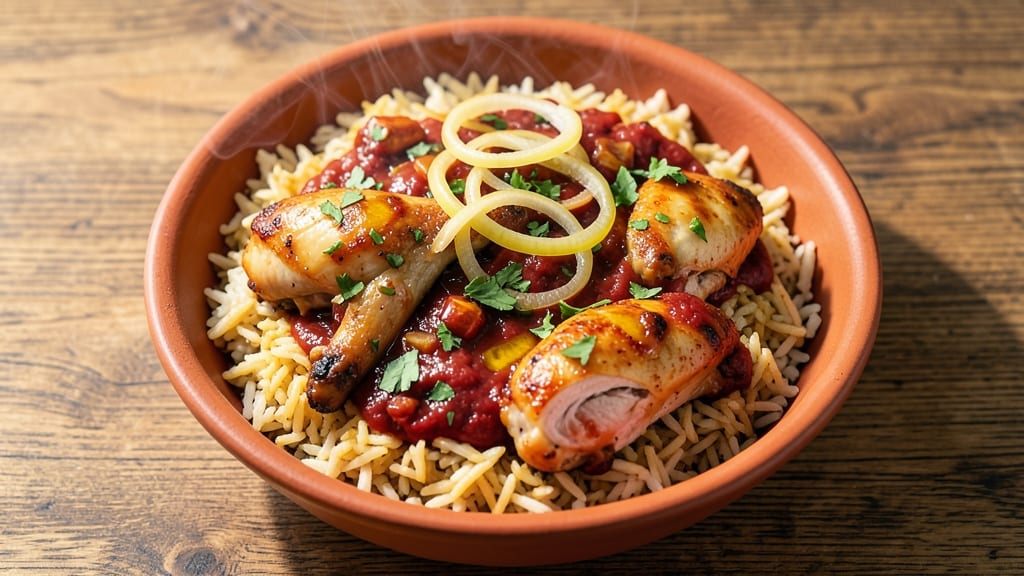
This Senegalese jollof rice recipe delivers the bold, smoky-sweet flavors that define West African cooking—where tomatoes, peppers, and spices blend into a fragrant one-pot masterpiece. The secret lies in slow-frying the base until deeply caramelized, which unlocks layers of umami that set this apart from other jollof versions.
I perfected this method after years of testing, ensuring the rice stays tender while absorbing every drop of that rich, spiced tomato sauce.
What makes this recipe stand out is its balance of heat and depth, achieved through a precise blend of Scotch bonnet peppers, garlic, and ginger—all toasted until fragrant before being simmered with tomatoes.
Unlike some versions that rely on pressure cookers, this method builds flavor gradually, resulting in rice that's perfectly cooked with a slight crunch at the edges. The dish serves 4-6 generously, making it ideal for gatherings or meal prep.
By the time you're done, you'll have a pot of vibrant jollof rice where each grain is infused with smoky, slightly sweet tomato sauce and subtle heat. The aroma alone will draw everyone to the table, and the first bite delivers that signature West African warmth.
Serve it with fried plantains, grilled chicken, or a fresh salad to complete the meal.
While traditional jollof varies by region, this Senegalese version leans into a deeper tomato base and a touch of palm oil for richness. The optional protein additions—chicken, beef, or fish—cook right in the pot, turning this into a complete, satisfying dish. Let's get cooking!
Ingredients for senegalese jollof rice
Sixteen ingredients balance bold West African flavors in this vibrant one-pot masterpiece.
| Ingredient | Amount | Notes |
|---|---|---|
| Long-Grain White Rice 🍚 | 2 cups | Uncooked, rinsed thoroughly |
| Canned Tomato Puree 🍅 | 2 cups | San Marzano preferred |
| Scotch Bonnet Peppers 🌶️ | 2 whole | Seeds removed for mild heat |
| Yellow Onions 🧅 | 1 whole | Medium size, chopped fine |
| Fresh Garlic 🧄 | 8 cloves | Peeled, minced finely |
| Fresh Ginger 🌿 | 2 tbsp | Grated, not powdered |
| Palm Oil 🫒 | ¼ cup | Red palm oil preferred |
| Dried Thyme 🍃 | 1 tbsp | Or 1 tbsp fresh thyme |
| Ground White Pepper 🌶️ | ½ tsp | Freshly ground preferred |
| Salt 🧂 | 1 ½ tsp | Kosher or sea salt |
| Chicken Bouillon Cube 🍗 | 1 whole | Dissolved in 1 cup water |
| Bay Leaves 🌿 | 2 whole | Fresh preferred |
| Vegetable Oil 🫒 | ½ cup | For initial frying |
| Chicken Thighs 🍗 | 1 ½ lb | Bone-in, skin-on preferred |
| Scotch Bonnet Pepper Seeds 🌶️ | 1 tsp | Optional for extra heat |
The tomato puree is non-negotiable for authentic depth. San Marzano from Italian markets delivers the sweet, meaty flavor needed, but any high-quality canned tomato puree works. For the Scotch bonnet peppers, African or Caribbean markets often carry them fresh—if not, find them frozen or dried. The palm oil adds richness; red palm oil gives the signature color, but regular palm oil works in a pinch. Buy whole bay leaves and crush them slightly before adding. The chicken thighs? Bone-in, skin-on stays juicier, but boneless works too. Look for organic if possible, as the skin renders beautifully for extra flavor.
No Scotch bonnet peppers? Habanero or Thai bird's eye in half the amount delivers similar heat. Fresh thyme unavailable? Dried at one-third the quantity suffices. The palm oil can be swapped for vegetable oil plus 1 tbsp tomato paste if you're avoiding palm products. For the bouillon cube, low-sodium versions prevent over-salting. The rice can be swapped for basmati if you prefer a nuttier taste. Prefer white rice? Jasmine works too, though long-grain is traditional. The ginger should be freshly grated—powdered lacks the bright punch needed for this dish.
This dish reheats beautifully—just add a splash of water or broth if it's too dry. Stores for 4-5 days in the fridge, freezes for 3 months with flavors intact. For meal prep, cook an extra batch and freeze portions. The sauce thickens as it cools, so add a splash of water when reheating. The chicken can be omitted entirely for a vegetarian version, simply reduce the bouillon cube to half and add 1 cup vegetable broth instead. Leftovers make fantastic rice bowls the next day.
Why You'll Love This Recipe
- One-Pot Magic: I swear by this recipe when I’m too tired to scrub pots—just rice, tomatoes, and a handful of peppers tossed in one deep pan. The scotch bonnet’s heat builds as it cooks, so by the time it’s done, the flavors meld into something rich without a single extra dish.
- Tomato-Garlic Bomb: That canned tomato puree isn’t just filling—it’s the backbone. When you fry it with onions and garlic until it’s thick and glossy, then add the rice, it turns into this deep, smoky base that clings to every grain. Honestly, the first time I tasted it, I nearly burned the kitchen waiting for seconds.
- Party in a Box: This is my go-to for gatherings because it’s actually crowd-friendly. Double the batch, pack it in containers, and boom—you’ve fed a dinner party, a potluck, or even your picky teenager’s soccer team snacks. (Yes, even on a Tuesday night, because leftovers reheat like a dream.)
- Budget Flex: Long-grain rice and a can of tomato puree? That’s it for the heavy hitters, and the rest is pantry staples. I’ve made this for under $5 a serving while still feeling like I’m serving something special. Plus, the leftovers keep for days—no sad, dry rice here.
Step-by-step instructions for Senegalese jollof rice
Here's how to build rich, aromatic jollof rice with tender chicken thighs and balanced heat.
Prepare the Chicken and Base Ingredients
Pat the 1.5 lb chicken thighs dry with paper towels and season generously with 1.5 tsp salt and 0.5 tsp ground white pepper on both sides. Set aside. In a medium bowl, combine the 2 cups canned tomato puree, 2 tbsp fresh ginger, and 1 tsp scotch bonnet pepper seeds. Stir well to distribute the heat evenly—this creates the signature jollof depth.
Finely chop the 1 whole yellow onions and mince the 8 cloves fresh garlic. Remove seeds from the 2 whole scotch bonnet peppers and chop them finely—this controls the heat while keeping the essential flavor. Keep all prepped ingredients within reach for the next step.
Fry the Chicken and Aromatics
Heat 0.5 cup vegetable oil in a large, heavy-bottomed pot over medium-high heat until shimmering. Add the chicken thighs and cook for 5-6 minutes per side until golden brown and cooked through. Remove chicken and set aside, leaving the rendered oil in the pot.
In the same pot, reduce heat to medium and add 0.25 cup palm oil. Stir in the chopped onions and cook for 3 minutes until softened. Add the garlic, chopped scotch bonnet peppers, and thyme, cooking for 1-2 minutes until fragrant—this builds the aromatic foundation of the dish.
Develop the Tomato-Pepper Sauce
Pour in the tomato-ginger mixture and stir constantly for 5 minutes until the sauce thickens slightly and darkens in color. This step reduces the acidity while concentrating the flavors. Add the dissolved 1 whole chicken bouillon cube (mixed with 1 cup water) and 2 whole bay leaves, then stir well to combine.
Bring the mixture to a gentle simmer and let it cook uncovered for 10 minutes, stirring occasionally. The sauce should reduce to a thick, glossy consistency—this ensures the rice absorbs the rich flavors without becoming mushy. Taste and adjust seasoning if needed.
Cook the Jollof Rice
Add the 2 cups long-grain white rice and stir gently to coat each grain with the sauce. Pour in 2 cups water (or enough to just cover the rice) and bring to a boil. Once boiling, reduce heat to low, cover tightly with a lid, and cook for 20 minutes without disturbing.
After 20 minutes, fluff the rice gently with a fork, then return the chicken thighs to the pot. Cover again and cook for an additional 10-12 minutes until the rice is tender and the liquid is fully absorbed. The chicken should be fully cooked and the rice should have a slightly sticky, moist texture.
Rest and Serve
Remove from heat and let the jollof rice rest covered for 5 minutes. This allows the flavors to meld and the rice to finish steaming. Fluff one final time with a fork, discarding the bay leaves. Serve immediately with a side of fresh vegetables or a simple salad to balance the rich, spiced rice.
The finished dish should have a vibrant red-orange hue from the tomato-pepper blend, tender chicken infused with the sauce, and perfectly cooked rice with a slight bite. Each bite should deliver layers of West African flavor—sweet from the tomatoes, heat from the scotch bonnet, and depth from the palm oil.
Pro Tips For Making Senegalese Jollof Rice
- Blister the Peppers: Toss whole Scotch bonnets into the hot oil first—no chopping yet. Let them sizzle until the skins blacken and split open; this unlocks their heat and aroma without losing it to the air. (Yes, it looks dramatic, but that’s how you get that smoky depth Senegalese jollof needs.)
- Sweat the Onions Low: After frying the peppers, reduce heat to medium-low and cook the onions until they’re a deep amber, not brown. Overcooking turns them bitter, and you’ll taste it in every bite. Stir occasionally—this isn’t a rush job.
- Rinse Rice Twice: Give that long-grain rice a thorough cold-water rinse before measuring—twice, even if it seems clean. Starchy residue makes the rice gummy, and Senegalese jollof demands that perfect fluffy-chewy texture. Drain well, or you’ll regret it later.
- Layer Tomato Puree: Don’t dump all the tomato puree at once. Start with half, let it bloom into the oil for 2–3 minutes, then add the rest. This builds flavor gradually instead of overwhelming the dish with acid upfront—trust me, your taste buds will notice.
Pro cooking tips for this dish
Tomato-Pepper Base
Start by frying the tomato puree with onions, garlic, and Scotch bonnet peppers over medium heat for 5-7 minutes until the mixture darkens and thickens. This step develops the umami depth that sets Senegalese jollof apart.
I use a heavy-bottomed pot like Lodge cast iron to prevent scorching while building rich caramelized flavors. 🌶️
Palm Oil Infusion
Add the ¼ cup palm oil after removing the chicken—this adds a distinct nutty richness to the sauce. Cook the onions in the palm oil for 3 minutes until translucent, then add garlic and peppers.
The oil should sizzle gently, releasing its aroma. Red palm oil gives the signature red-orange hue that makes this dish visually stunning.
Chicken Timing
Cook the 1.5 lb chicken thighs until golden brown (165°F internal temperature) before removing them. The rendered fat in the pot becomes the foundation for your sauce.
Return the chicken to the pot only after the rice has cooked for 20 minutes—this prevents overcooking while allowing the meat to absorb the rich tomato-pepper sauce during the final 10-12 minutes of simmering.
Sauce Reduction
The sauce must reduce to a thick, glossy consistency before adding rice. Simmer uncovered for 10 minutes, stirring occasionally, until it coats the back of a spoon.
This step ensures your rice absorbs flavor rather than becoming waterlogged. Taste and adjust seasoning—salt and white pepper are key here, as the bouillon cube adds saltiness.
Rice Cooking Method
Stir the rice gently to coat each grain with sauce, then add 2 cups water (just enough to cover). Bring to a boil, then reduce to low heat and cook covered for 20 minutes without lifting the lid.
This one-pot method ensures even cooking and prevents the rice from drying out. The final 10-12 minutes with chicken steaming together infuses the meat with sauce.
Resting for Flavor
Let the jollof rest covered for 5 minutes after cooking. This allows the rice to finish steaming and the flavors to meld. Fluff with a fork before serving—never stir after resting, as this can make the rice gummy.
The resting step is what transforms a good pot of jollof into a restaurant-quality dish. ✨
Nutrition facts
Frequently asked questions
What makes Senegalese jollof different from Nigerian jollof?
Senegalese jollof relies more on palm oil for richness and a deeper tomato base, while Nigerian versions often use more peppers and sometimes include ingredients like irish moss or thyme in different proportions. The Senegalese version also tends to be slightly sweeter from longer caramelization of the tomato-pepper blend.
Can I make this recipe without palm oil?
Yes! Replace the ¼ cup palm oil with ¼ cup vegetable oil plus 1 tbsp tomato paste. The tomato paste will help replicate the deep color and slight sweetness, though the flavor won't be identical. For extra richness, add 1 tbsp butter at the end.
How do I adjust the heat level in this recipe?
Remove all seeds from the Scotch bonnet peppers for mild heat, or add 1-2 tsp seeds back for extra spice. For a milder version, substitute with ½ a habanero pepper instead. Always taste the sauce before adding rice to check the heat balance.
Can I use instant rice or pre-cooked rice for this?
Long-grain white rice is traditional for this dish, as it absorbs flavor better and maintains texture. Instant rice will turn out mushy and lose the signature bite. If you're short on time, use brown rice (with 10 extra minutes cooking time) or jasmine rice for a nuttier taste.
What's the best way to reheat leftovers?
Add 2-3 tbsp water or chicken broth to the pot and heat on low-medium for 5-7 minutes, stirring occasionally. Cover with a damp paper towel to prevent drying. Microwave in 30-second bursts, stirring between each, to avoid rubbery rice. Reheated jollof tastes best when slightly moist.