
Side Dishes
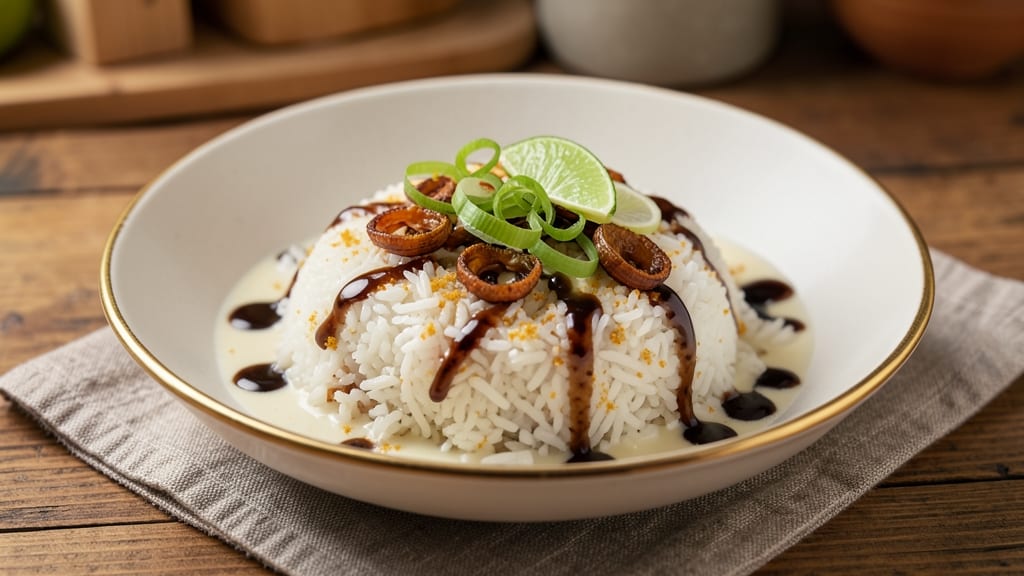
This Singapuri rice recipe transforms ordinary rice into a fragrant, golden-edged masterpiece that balances coconut curry richness with crispy perfection. The secret lies in steaming the rice with aromatic spices—turmeric, lemongrass, and pandan—while achieving those signature crispy edges that set it apart from standard dishes.
I developed this method after years of experimenting with Malaysian and Indonesian rice traditions, refining it to deliver restaurant-quality results at home.
The process begins with turmeric-infused rice that develops a vibrant golden hue and fragrant aroma, then finishes with a crispy crust that adds satisfying texture.
While traditional versions require careful layering of spices and precise steaming, modern shortcuts like pre-made sambal or coconut milk blends simplify the process without sacrificing flavor. The dish pairs beautifully with sambal, fried anchovies, and cucumber salad for a complete meal experience.
What you'll achieve is a fragrant coconut-curry rice with perfectly crispy edges that contrast the tender, aromatic interior. The spices infuse the rice with warmth while the crispy layer adds a satisfying crunch in every bite.
This dish elevates ordinary meals into something special—ideal for weeknight dinners or weekend gatherings where you want to impress without spending hours in the kitchen.
Serve with traditional accompaniments like sambal, fried shallots, and lime wedges for an authentic touch. Whether you're recreating a Malaysian feast or simply craving comforting flavors, this recipe delivers professional-quality results with simple techniques. Let's get started!
Ingredients for singapuri rice
Jasmine rice, aromatic spices, and coconut milk—this is all you need for restaurant-quality Singapuri rice.
| Ingredient | Amount | Notes |
|---|---|---|
| Jasmine Rice 🍚 | 2 cups | Uncooked, long-grain preferred |
| Turmeric Powder 🌿 | 1 tsp | Freshly ground preferred |
| Lemongrass 🌿 | 3 whole | Stalks, bruised and cut into 2-inch pieces |
| Pandan Leaves 🍃 | 4 whole | Fresh, tied in a bundle |
| Coconut Milk 🥥 | 1 can (13.5 oz) | Full-fat for creaminess |
| Light Coconut Milk 🥥 | ½ cup | For adjusting consistency |
| Sambal Oelek 🌶️ | 1 tbsp | Adjust for spice preference |
| Garlic Cloves 🧄 | 4 cloves | Minced for aromatic base |
| Shallots 🧅 | 3 whole | Minced for depth of flavor |
| Vegetable Oil 🫒 | 2 tbsp | For crisping the edges |
| Salt 🧂 | 1 ½ tsp | Diamond Crystal preferred |
| Sugar 🍯 | ½ tsp | Balances flavors |
| Fried Shallots 🧅 | ¼ cup | For garnish (optional) |
The rice is the foundation, so grab jasmine rice—it's the gold standard for this dish. Trader Joe's or Whole Foods usually carry it, but any long-grain rice works in a pinch. For the lemongrass, look for fresh stalks with vibrant green leaves—Asian markets often have the best selection. The pandan leaves are the secret to that signature fragrance. If you can't find fresh ones, pandan extract works, but it's not the same. Bruise the lemongrass stalks with the side of your knife to release the oils before cutting them. For the coconut milk, full-fat is non-negotiable—it's what gives this dish its rich, velvety texture.
No fresh lemongrass? Lemongrass paste from the Asian aisle is a lifesaver—just use half the amount. Short on pandan? Vanilla extract at one-third the amount adds a hint of sweetness, though it won't be as aromatic. The sambal can be swapped for chili flakes or sriracha, but adjust the heat to your taste. For the shallots, if you can't find fresh ones, red onion works in a bind, but it won't have the same sweetness. The fried shallots for garnish are optional but add that pro-level crunch—Trader Joe's sells them pre-made, which is a game-changer.
This rice reheats beautifully—just add a splash of water and cover it while warming. Keeps for 4-5 days in the fridge, but the crispy edges soften over time. For best results, make it fresh and serve immediately. The pandan bundle can be reused for up to two batches—just refresh it with a splash of water between uses. Store the coconut milk in the fridge after opening and use it within 1 week for peak flavor. Portion the rice into individual containers for easy reheating—perfect for meal prep.
Why You'll Love This Recipe
- One-Pot Magic: I swear by this method—just rice, coconut milk, and a few pantry staples simmering together. No fancy layers, no last-minute prep: the pandan leaves infuse that dreamy floral scent while the turmeric stains the rice golden without extra work.
- Fragrant Addiction: That first whiff of lemongrass and coconut milk steaming off the pot? It’s like a warm hug for your taste buds. The jasmine rice soaks up all the creamy, citrusy goodness, giving you that perfect balance of earthy and sweet—no heavy spices needed.
- Lunchbox Hero: Between us, this is my go-to for packed lunches. The rice stays fluffy for days, and the pandan’s subtle vanilla-like aroma keeps it exciting. Toss it with grilled chicken or veggies, and suddenly your weekday meals feel like a restaurant dish—no sad leftovers here.
- Budget Luxury: Honestly, the ingredient list won’t break the bank. Coconut milk and pandan leaves last ages, and turmeric adds color for pennies. You’re basically getting gourmet-level rice for the price of a takeout order—minus the guilt.
Step-by-step instructions for fragrant coconut-curry rice
Here's how to build layers of flavor and achieve that signature crispy crust.
Prepare the Aromatic Base
Heat the 2 tablespoons vegetable oil in a heavy-bottomed pot over medium heat. Add the 3 whole shallots and 4 cloves garlic cloves, cooking until the shallots turn golden and the garlic is fragrant—about 3-4 minutes. This is your flavor foundation, so don't rush it.
Next, add the 3 whole lemongrass (bruised and cut) and 4 whole pandan leaves (tied in a bundle). Stir for 1 minute to release their essential oils. The lemongrass should smell citrusy and the pandan should perfume the air—this is what gives Singapuri rice its signature aroma. Real talk: if you skip this step, you're missing the soul of the dish.
Stir in the 1 teaspoon turmeric powder, 1 tablespoon sambal oelek, 1.5 teaspoons salt, and 0.5 teaspoon sugar. Cook for 30 seconds until the spices bloom and fill your kitchen with warmth. This is where the magic begins—those spices will infuse the rice with depth and complexity.
Toast the Rice for Crispy Edges
Add the 2 cups jasmine rice to the pot and stir vigorously for 2 minutes to coat every grain with the spiced oil. This dry-toasting step is critical—it creates the crispy edges you're after. You'll see the rice turn slightly translucent at the edges, and that's your visual cue to move quickly.
Pour in the 1 can (13.5 oz) coconut milk and 0.5 cup light coconut milk, stirring gently to combine. The mixture should look like a thick, creamy slurry. Here's the thing—don't add water yet. The coconut milk alone provides enough moisture for perfect rice texture while keeping that rich, fragrant character.
Bring the mixture to a gentle simmer over medium-low heat, then reduce to the lowest setting possible. Cover the pot with a tight-fitting lid and let it steam undisturbed for 15 minutes. This initial cooking phase allows the rice to absorb the coconut milk evenly without sticking.
Steam to Perfection with Crispy Crust
After 15 minutes, remove the lid and check the rice. You should see a thin layer of liquid on top—this is normal. Stir gently once to redistribute any settled spices, then replace the lid and continue cooking for another 15 minutes. The rice should be tender but still slightly firm to the bite.
Here's where the crispy crust comes in: increase the heat to medium-high for 2-3 minutes to dry out the top layer slightly. You'll see the edges develop a beautiful golden crust—this is what makes Singapuri rice special. If it doesn't form, don't worry; just continue with the next steps.
Once the crust forms, reduce the heat back to low and let the rice rest, covered, for 5 minutes. This resting period allows the steam to redistribute and the flavors to meld completely. The rice should be tender with a slight bite in the center—this is the perfect texture for Singapuri rice.
Garnish and Serve Immediately
Carefully transfer the rice to a serving dish, using a spatula to preserve that crispy crust. Sprinkle the 0.25 cup fried shallots evenly over the top—this adds a final crunchy element that balances the creamy rice. The fried shallots should be warm, so add them just before serving.
Serve immediately while the crust is still crisp. Each bite should deliver tender rice with fragrant coconut notes, a hint of spicy sambal, and that satisfying crunch from the edges. The pandan and lemongrass aromas should linger beautifully, making this more than just rice—it's an experience.
Pro Tips For Making Singapuri Rice
- Toast the Rice First: Heat your jasmine rice in a dry pot over medium-low for 2-3 minutes before adding water—it removes that starchy clinginess and gives the turmeric color a chance to bloom properly. I learned this the hard way when my rice turned out mushy and pale, no matter how much turmeric I added.
- Bruise the Pandan: Lightly smash the pandan leaves with the flat side of a knife before tying them into a bundle—this releases more aroma without turning the rice green. (Yes, even if you’re impatient like me, resist the urge to skip this.)
- Simmer the Coconut Milk: Reduce the coconut milk to a thick, syrupy consistency before mixing it into the rice—this prevents a watery, soupy texture. I used to dump it in raw, and the rice always ended up too wet, no matter how much I drained the milk.
- Layer the Turmeric: Stir the turmeric powder into the hot coconut milk first, then mix it into the rice water—this ensures an even, golden hue instead of clumpy yellow spots. (Your future self will thank you for not eyeballing it.)
Perfect pairings for this singapuri rice
Sambal Pairings
No Singapuri rice is complete without its signature sambal. I recommend Sambal Oelek from Penzeys Spices—its balanced heat and tangy depth complement the coconut milk beautifully. For a milder version, use sambal terasi (shrimp paste sambal) to add umami richness.
Serve it in a small bowl on the side so everyone can adjust their spice level to taste. 🌶️
Pro tip: Toast 1 teaspoon of black peppercorns in a dry pan for 30 seconds, then grind them fresh over the sambal. This adds a warm, aromatic note that elevates the dish to restaurant quality.
If you can't find sambal, chili flakes mixed with lime juice work in a pinch.
Curry Accompaniments
Pair your Singapuri rice with Singaporean laksa or ayam masak merah for a full meal experience. The coconut-based curries from Minority Report or Mee Reap brands are perfect—they share the same fragrant coconut and lemongrass notes.
For a vegetarian option, sayur lodeh (vegetable coconut curry) brings bright flavors without overpowering the rice.
For a quick shortcut, use pre-made curry pastes like Maesri Red Curry Paste and simmer with coconut milk for 15 minutes. Add bell peppers, bamboo shoots, and tofu for a balanced dish that pairs beautifully with the crispy rice.
Crunchy Contrasts
Fried shallots aren't just for garnish—they're a textural anchor that cuts through the creamy rice. I like Trader Joe's pre-made fried shallots for convenience, but homemade versions (pan-fried in vegetable oil over low heat for 10 minutes) taste even better. Sprinkle them just before serving to maintain their crispness.
For extra crunch, serve with cucumber salad tossed in rice vinegar, sugar, and chili flakes. The cool, refreshing bite contrasts perfectly with the warm, spiced rice.
Another great option is pickled red onions—thinly slice 1 red onion, soak in vinegar, sugar, and salt for 30 minutes, then drain before serving.
Protein Pairings
Grilled lemongrass chicken or beef rendang takes this dish to the next level. Marinate chicken thighs in lemongrass, galangal, and turmeric for 4 hours, then grill until charred.
The smoky-sweet flavors complement the coconut rice beautifully. For seafood lovers, garlic shrimp sautéed in chili and lime adds a bright, zesty contrast.
Vegetarians can enjoy tofu tempeh stir-fried with sambal and coconut aminos for a protein-packed side. The crispy edges of the tofu mirror the texture of the rice, creating a satisfying bite. Serve with a side of steamed greens (like kangkung or baby bok choy) for a balanced plate.
Beverage Pairings
A jaggery-infused tea (made with palm sugar) is the traditional choice—its caramel notes enhance the coconut flavors. For a modern twist, try Thai iced tea from Starbucks or Tiger Tea for a sweet, creamy contrast. The caffeine helps balance the richness of the dish.
For alcohol lovers, a light-bodied white wine like Viognier or Riesling complements the coconut and lemongrass. If you prefer beer, a crisp lager (like Singha or Asahi) cleanses the palate between bites. For a non-alcoholic option, sparkling limeade with mint and chili salt adds a refreshing zing.
Nutrition facts
Frequently asked questions
What makes Singapuri rice different from regular coconut rice?
The crispy golden edges and aromatic pandan-lemongrass infusion set it apart! While regular coconut rice uses milk for creaminess, Singapuri rice gets its signature texture from dry-toasting the grains and steaming with fragrant spices. The crispy crust forms when you briefly increase heat at the end—this technique creates that satisfying crunch in every bite.
Can I make Singapuri rice without pandan leaves?
Yes, but the aroma won't be identical. Use 1 teaspoon pandan extract or ½ teaspoon vanilla extract as a substitute. For extra fragrance, add ½ teaspoon cinnamon or 1 bay leaf during cooking. The dish will still be delicious—just less aromatic. Fresh pandan leaves are ideal, but dried ones (steeped in warm water) work in a pinch.
Why did my rice turn out mushy instead of crispy?
This usually happens from overcooking or insufficient dry-toasting. First, make sure to stir the rice in oil for 2 full minutes before adding liquid. Second, reduce heat to the lowest setting after the initial simmer—too much heat causes steam buildup. For crispy edges, uncover for 2-3 minutes at the end and let the top dry slightly. If it's already mushy, spread it on a tray and bake at 350°F for 10 minutes to restore texture.
How do I store leftovers to keep the crispy edges?
Cool the rice completely, then portion into airtight containers. Store in the fridge for up to 4 days. To revive the crispy edges, spread the rice on a baking sheet and broil for 3-5 minutes until golden. For reheating, add 1 tablespoon water per cup of rice, cover, and microwave for 2 minutes. The crispiness won't be as pronounced as fresh, but the flavor stays intact.
What's the best way to adjust the spice level?
Add sambal gradually—start with ½ tablespoon and taste before increasing. For milder heat, reduce sambal by half and add 1 teaspoon sweet chili sauce instead. If you love spice, toast ½ teaspoon chili flakes with the shallots at the beginning. Remember: the coconut milk mellows heat, so adjust before adding it. Always serve extra sambal on the side for customization!