
Desserts
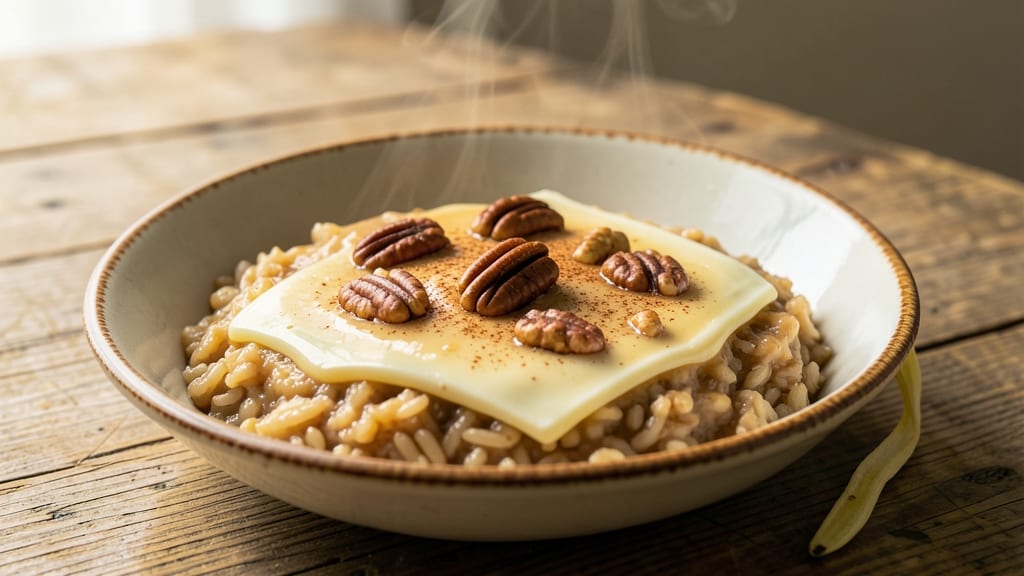
This Southern rice pudding recipe delivers the comforting, spiced sweetness that makes it a dessert classic—creamy vanilla, warm cinnamon, and tender rice all simmered together in one pot.
The slow cooking transforms simple ingredients into a velvety texture with just the right balance of sweetness and warmth, a technique perfected in Southern kitchens for generations. What makes this recipe special is how it captures that nostalgic, homestyle flavor without requiring complicated steps.
The beauty of this dish lies in its simplicity: just rice, milk, sugar, butter, and a blend of vanilla and cinnamon create layers of flavor that feel indulgent yet comforting.
Unlike store-bought versions, this recipe builds depth through slow simmering, allowing the spices to infuse fully and the rice to soften just enough for that signature creamy consistency. It’s the kind of dessert that feels like a hug—warm, familiar, and perfectly satisfying.
By the time you’re done, you’ll have a golden, aromatic pudding that’s rich enough to serve as a main dessert but simple enough for a weeknight treat. The vanilla and cinnamon work in perfect harmony, while a touch of nutmeg adds warmth that lingers with every spoonful.
This is the Southern rice pudding you’ll crave again and again, whether enjoyed warm with a sprinkle of cinnamon or chilled for a lighter dessert.
For those who love tradition, stick to the classic version, but feel free to add a splash of bourbon for depth or fold in chocolate chips for a modern twist.
The possibilities are endless, but the foundation remains the same: a creamy, spiced pudding that tastes like home. Let’s get started!
Ingredients for southern rice pudding
Six simple pantry staples transform into velvety Southern rice pudding with just one pot.
| Ingredient | Amount | Notes |
|---|---|---|
| Long-Grain White Rice 🍚 | 1 cup | Uncooked, medium grain preferred |
| Whole Milk 🥛 | 4 cups | Full-fat for creaminess |
| Granulated Sugar 🍚 | ¾ cup | White or light brown |
| Unsalted Butter 🧈 | ½ cup | Cold, cubed for even melting |
| Pure Vanilla Extract 🌿 | 1 tbsp | High-quality, 100% pure |
| Ground Cinnamon 🌶️ | 1 ½ tsp | Freshly ground preferred |
| Ground Nutmeg 🌶️ | ½ tsp | Freshly grated for best flavor |
| Salt 🧂 | ½ tsp | Fine sea salt preferred |
| Heavy Cream 🥛 | 1 cup | For final creaminess |
| Large Egg Yolks 🥚 | 2 whole | Room temperature for smoothness |
The rice is the foundation, so long-grain white works best—it stays tender without turning mushy. For milk, whole milk gives the richest texture, but 2% works too. Sugar can be white or light brown, but avoid dark molasses-style since it can overpower the delicate spice notes. Butter should be cold when added—this prevents the pudding from curdling. I always grab Land O’Lakes unsalted from the refrigerated section, as it holds its shape better than salted varieties. For vanilla, Nestlé Pure or McCormick are reliable, but nothing beats the depth of Heinz pure vanilla if you want to splurge.
No heavy cream? Half-and-half at double the amount works in a pinch, though the texture will be slightly lighter. Freshly grated nutmeg makes all the difference—pre-ground loses potency fast. Want more warmth? Add a pinch of cardamom alongside the cinnamon. For a modern twist, fold in mini chocolate chips during the last 5 minutes of cooking. The egg yolks are key for that luscious texture—room temperature prevents lumps, so take them out of the fridge 15 minutes before using. If you’re short on time, pasteurized liquid egg whites work, though the flavor won’t be as rich.
This pudding tastes even better the next day—reheats beautifully in the microwave or stovetop. Store leftovers in an airtight container for up to 5 days in the fridge, or freeze for 3 months in a sealed container. For serving, a sprinkle of freshly ground cinnamon or a drizzle of caramel sauce elevates it to restaurant-quality. Double the recipe and freeze half—it’s perfect for last-minute desserts.
Why You'll Love This Recipe
- Five-Ingredient Magic: I swear by this recipe—just rice, milk, sugar, butter, and vanilla. That’s it. No fancy pantry trips or last-minute ingredient hunts. Honestly, I keep a bag of rice and a carton of milk on hand just for this.
- Velvet-Smooth Texture: The slow simmer turns plain rice into something luxurious—creamy but never gluey, with just enough bite from the cooked grains. That first spoonful? Pure satisfaction, especially when the butter melts into little golden pockets.
- Leftovers? Best Part: Between us, I make a double batch because the second day is even better. The flavors meld overnight, and reheating it with a splash of milk makes it taste like a restaurant dessert. My kids beg for it cold, too—no judgment here.
- Budget Comfort Food: This is the kind of dessert that costs pennies but feels like a treat. A cup of rice and a quart of milk stretch far, and the sugar-butter-vanilla combo hits all the cozy spots without breaking the bank. (Yes, even on a Tuesday night.)
Step-by-step instructions for Southern rice pudding
This one-pot method delivers creamy, spiced perfection with minimal effort.
Toast the Rice for Depth of Flavor
In a heavy-bottomed saucepan, melt the 0.5 cup unsalted butter over medium heat. Add the 1 cup long-grain white rice and toast for 3-4 minutes, stirring constantly. You'll see the rice turn opaque and smell nutty—this step develops the rice's natural flavor and prevents a pasty texture.
Here's the thing—don't skip this toasting. Raw rice absorbs liquid unevenly, leading to uneven cooking. The butter coats each grain, ensuring even heat distribution and that signature Southern texture. Once the rice is golden and fragrant, immediately pour in the 4 cups whole milk and stir to combine.
Simmer Until Rice is Tender
Add the 0.75 cup granulated sugar, 1.5 teaspoons ground cinnamon, 0.5 teaspoon ground nutmeg, and 0.5 teaspoon salt to the saucepan. Stir well to dissolve the sugar completely—any undissolved sugar will create grainy pockets in your pudding.
Bring the mixture to a gentle boil over medium-high heat, then immediately reduce to low heat. Cover the pan and simmer for 25-30 minutes, stirring occasionally to prevent sticking. You'll know it's ready when the rice is tender and the mixture thickens noticeably—it should coat the back of a spoon but still move freely. If it thickens too quickly, add 1-2 tablespoons water to maintain the right consistency.
Temper the Egg Yolks
While the rice mixture simmers, whisk the 2 whole large egg yolks in a separate bowl until smooth. Here's the critical part: slowly ladle ½ cup of the hot rice mixture into the egg yolks while whisking constantly. This tempering process prevents the eggs from scrambling when they hit the hot base.
Once the egg mixture is warmed through and slightly thickened, pour it back into the saucepan with the rice. Stir gently to combine, then return the pan to low heat for 2-3 minutes, just until the eggs are fully incorporated and the mixture is smooth. Remove from heat immediately—overcooking at this stage will create a curdled texture.
Finish with Cream and Vanilla
Stir in the 1 cup heavy cream and 1 tablespoon pure vanilla extract, mixing until fully combined. The cream will lighten the pudding's texture, while the vanilla adds that classic Southern sweetness. Taste and adjust sweetness if needed—some prefer a touch more sugar at this stage.
Return the pan to low heat for just 1-2 minutes to warm through completely. The pudding should be thick but still spoonable, with a velvety consistency. If it's too thick, whisk in 1-2 tablespoons of milk to reach your desired texture. Real talk: this is where the magic happens—each spoonful should be rich, spiced, and perfectly balanced between creamy and firm.
Rest and Serve
Transfer the pudding to serving bowls or a single large dish. Cover with plastic wrap pressed directly onto the surface to prevent a skin from forming. Let it rest at room temperature for 15-20 minutes—this allows the flavors to meld and the texture to set slightly.
Serve warm, accompanied by a sprinkle of fresh cinnamon or a dollop of whipped cream. The pudding should be thick enough to hold its shape when spooned but still silky smooth. If you're making it ahead, refrigerate for up to 3 days—the flavors deepen over time, making it even more irresistible reheated gently with a splash of milk.
Pro Tips For Making Southern Rice Pudding
- Toast the Rice First: I learned this the hard way—skipping the dry toast step means gummy, uneven pudding. Spread uncooked rice in a skillet over medium heat for 3–4 minutes until fragrant and lightly golden. This builds flavor and prevents clumping later.
- Use Cold Milk: Pouring cold milk into hot rice is the only way to avoid curdling. I used to add warm milk, and the pudding always split. Start with cold milk, then stir in a splash of hot liquid (like the rice water) to temper it—smooth texture guaranteed.
- Stir Constantly Early: The first 10 minutes are critical. Skip stirring, and you’ll end up with scorched bits on the bottom. Keep a wooden spoon moving—yes, even if it feels tedious—until the rice absorbs most of the liquid. This isn’t the prettiest method, but it’s the tastiest.
- Sweeten in Stages: Dumping all the sugar at once masks the rice’s natural flavor. Add half the sugar with the milk, then taste and adjust at the end. Southern rice pudding should be sweet but not cloying—balance is everything. (Your future self will thank you.)
Troubleshooting this dish
Grainy Texture Fix
If your pudding ends up grainy, it’s usually because the rice didn’t soften enough or sugar didn’t dissolve properly. First, ensure you’re using long-grain white rice—it absorbs liquid better than short-grain varieties.
Always stir the sugar completely into the milk before adding rice; any undissolved sugar will create gritty spots. For extra insurance, strain the pudding through a fine-mesh sieve before serving to remove any stray rice grains. 🌶️
Too Thin Consistency
A runny pudding often happens when the rice isn’t cooked long enough or too much liquid is added. To fix it, return the pudding to low heat and simmer uncovered for 5-10 minutes, stirring occasionally.
If it’s still too thin, mix 1 tablespoon cornstarch with 1 tablespoon cold water, stir into the pudding, and cook for another 2-3 minutes. The key is patience—don’t rush the simmering, or the rice won’t absorb enough liquid.
Curled or Scrambled Eggs
Eggs curdle when they hit hot liquid too quickly. Always temper them by slowly whisking in ½ cup of hot pudding mixture. If your eggs still scramble, strain the pudding through a fine-mesh sieve to remove any lumps.
For next time, whisk the egg yolks in a double boiler (heatproof bowl over simmering water) before adding them to the pudding—this keeps them smooth and prevents curdling. ⚡
Burnt or Stuck-on Bottom
This happens when the heat is too high or the pan isn’t heavy enough. Use a heavy-bottomed saucepan, like a Le Creuset Dutch oven>, to distribute heat evenly. Keep the heat at low> after the initial boil, and stir occasionally to prevent sticking.
If it does stick, add ½ cup water>, scrape up the stuck bits with a wooden spoon, and stir until smooth. For future batches, toast the rice in butter first—this creates a flavorful barrier that prevents sticking.
Overly Sweet or Bland
Taste as you go! If it’s too sweet, add 1-2 teaspoons of vanilla extract> or a pinch of ground cinnamon> to balance the flavor. For a bolder taste, simmer the pudding uncovered for 5 extra minutes> to let the liquid reduce and intensify the spices.
If it’s bland, a splash of bourbon> (about 1 tablespoon>) or a pinch of salt> can elevate the depth of flavor. Trust your taste buds—adjustments are easier before the pudding sets.
Skin Formation on Top
This happens when the pudding cools too quickly or isn’t covered properly. To prevent it, press plastic wrap directly onto the surface while the pudding is still warm.
If a skin already forms, gently reheat the pudding in a saucepan with 1-2 tablespoons of milk>, stirring constantly until smooth.
For next time, keep the pudding warm in a slow cooker> on low heat> or transfer it to a thermos> to maintain even temperature. 💫
Nutrition facts
Frequently asked questions
Can I make this rice pudding without eggs?
Yes! For a vegan version, replace the egg yolks with 2 tablespoons cornstarch mixed with 2 tablespoons cold water. Stir this into the pudding during the last 5 minutes of simmering instead of adding the yolks. The texture will be slightly lighter but still creamy.
How do I know when the rice is perfectly cooked?
The rice is done when it's tender but still has a slight bite—it should absorb all the liquid but not turn mushy. Test by stirring: the mixture should coat the back of a spoon but still be spoonable. If it’s too thin, simmer uncovered for 5 more minutes. If it’s too thick, whisk in 1-2 tablespoons milk to adjust.
Can I use instant rice for this recipe?
Instant rice works in a pinch, but it can make the pudding gummy. If you use it, reduce the cooking time to 15-20 minutes (instead of 25-30) and add 1 extra tablespoon butter to help balance the texture. For best results, stick with long-grain white rice—it stays tender without turning pasty.
What’s the best way to reheat leftover rice pudding?
Gently reheat in a saucepan over low heat, stirring frequently with 1-2 tablespoons milk to restore creaminess. Avoid microwaving—it can make the pudding watery. For extra indulgence, stir in a splash of bourbon or vanilla extract while warming. Leftovers taste even better the next day!
Why does my rice pudding taste bland?
Blandness usually means the spices didn’t infuse enough. Simmer uncovered for 5 extra minutes to reduce the liquid and intensify flavors, or add 1 tablespoon bourbon or ½ teaspoon more cinnamon. Freshly grated nutmeg also makes a difference—pre-ground loses potency fast. Taste as you go!