
Side Dishes
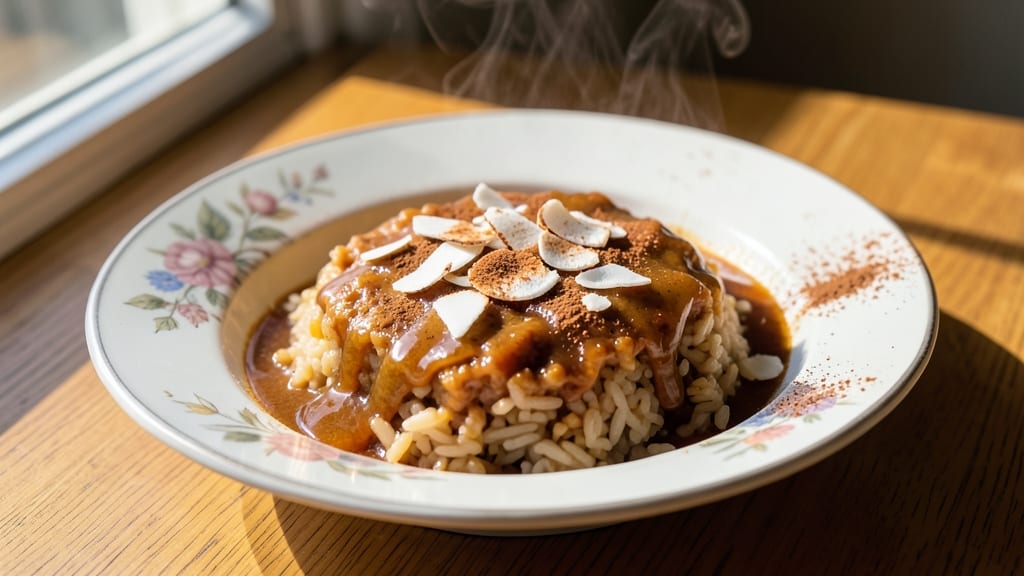
This sugar rice recipe transforms simple grains into a luxurious dessert with caramelized sweetness and toasted coconut crunch. The process begins with perfectly cooked rice that absorbs a rich syrup of sugar, coconut milk, and aromatic spices, creating a velvety texture that balances creamy and slightly sticky.
What makes this recipe stand out is the optional toasted coconut topping, which adds a delightful contrast in both texture and flavor—crispy edges against the soft, sweet rice beneath.
The foundation of this dish lies in its simplicity, requiring just a handful of ingredients but delivering restaurant-quality results.
You’ll start with long-grain rice cooked to tender perfection, then simmer it in a mixture of sugar, coconut milk, and a pinch of salt until the grains become glossy and infused with sweetness. The key is patience—allowing the syrup to reduce slowly ensures a deep, caramelized flavor without burning.
For an extra touch of indulgence, toasted coconut flakes are sprinkled on top, adding a nutty crunch that complements the creamy rice.
By the time you’re done, you’ll have a dessert that’s elegant enough for special occasions but easy enough for a weeknight treat.
The caramelized sugar gives the rice a golden hue and a rich, buttery taste, while the coconut adds a tropical twist that makes it feel like a vacation in every bite.
This recipe is versatile—serve it warm as a decadent dessert, chilled with a scoop of ice cream, or even as a breakfast option with a drizzle of honey. The possibilities are endless, but the result is always delicious.
Whether you’re looking to impress guests or simply craving something sweet, this sugar rice recipe delivers. The process is straightforward, and the outcome is undeniably satisfying—a perfect blend of textures and flavors that will leave everyone asking for seconds.
Let’s get started on creating this sweet, comforting dish that’s sure to become a favorite.
Ingredients for sugar rice
Just nine ingredients transform plain rice into restaurant-style sweetness with golden caramelized edges.
| Ingredient | Amount | Notes |
|---|---|---|
| Long-Grain White Rice 🍚 | 1 cup | Uncooked, rinsed thoroughly |
| White Granulated Sugar 🍚 | 1 ½ cups | Superfine preferred for faster dissolving |
| Coconut Milk 🥥 | 13 ½ oz | Full-fat canned for creaminess |
| Unsalted Butter 🧈 | ½ cup | Cold, cubed for melting |
| Vanilla Extract 🌸 | 1 tbsp | Pure vanilla preferred |
| Ground Cinnamon 🌿 | ½ tsp | Freshly ground for best flavor |
| Salt 🧂 | ¼ tsp | Fine sea salt preferred |
| Toasted Coconut Flakes 🥥 | ¼ cup | Unsweetened, store-bought or homemade |
| Heavy Whipping Cream 🥛 | ½ cup | Optional for extra richness |
| Honey 🍯 | 2 tbsp | For drizzling, optional |
| Lemon Juice 🍋 | 1 tbsp | Freshly squeezed for brightness |
The coconut milk is the secret weapon here. Full-fat canned (like Thai Kitchen or Goya) gives that rich, creamy texture—none of that watery stuff. If you're using a cartoned coconut milk, shake it well before measuring. The sugar is where the magic happens, so superfine dissolves faster—no grainy surprises. For the rice, jasmine or basmati work too, but long-grain is the classic choice. Toast the coconut flakes in a dry pan for 3-4 minutes until golden—don't walk away, or they'll burn fast. (I usually do this while the rice cooks.)
No coconut milk? Substitute with whole milk plus 1 tbsp coconut cream—it won't be identical, but works in a pinch. Short on butter? Use ghee or extra coconut milk—both add richness. The vanilla extract can be imitation if that's what you've got, but pure vanilla makes a world of difference. For the cinnamon, if you only have sticks, grind them fresh in a spice grinder. The heavy cream is totally optional—skip it if you're watching calories, but add it if you want that ultra-luxurious texture. The honey drizzle? Only if you're feeling fancy—it's purely for presentation.
This keeps beautifully for 4 days in the fridge—just reheat with a splash of coconut milk to restore creaminess. For a make-ahead dessert, cook it the day before and let the flavors meld overnight. The toasted coconut loses crunch after 24 hours, so save that step for serving. Freezes for 3 months if you want to prep ahead, but the texture gets slightly drier after thawing. I always double the batch—it disappears fast, especially with that honey drizzle.
Why You'll Love This Recipe
- Sweet Simplicity: I swear, this takes less effort than microwaving leftovers. Just toast the rice, stir in sugar and coconut milk, and let it simmer until the butter melts into that golden, caramelized goodness—no fancy techniques, no stress.
- Creamy Caramel Magic: That perfect balance of buttery richness and vanilla-sweetened crunch? It’s like dessert had a baby with comfort food. The sugar turns into a glossy glaze while the coconut milk keeps it lusciously soft—every bite tastes like a hug.
- Breakfast to Dessert: Honestly, I make this for lazy mornings and late-night cravings. Top it with toasted nuts for crunch, drizzle extra butter for decadence, or serve it warm with fruit—it’s my go-to for brunch, a quick snack, or even a dessert when I’m feeling fancy.
- Budget-Friendly Luxury: Five ingredients, zero waste. The rice soaks up the coconut milk like a sponge, so you’ll use less than you think, and the sugar stretches into something extravagant. Plus, leftovers? They actually taste better the next day—my kids fight over the reheated portions.
Step-by-step instructions for caramelized sugar rice
Here's how to transform simple rice into a luxurious dessert with perfect texture and flavor.
Cook the Rice in Coconut Milk
In a medium saucepan, combine the 1 cup long-grain white rice with the 13.5 oz coconut milk. Bring to a boil over medium-high heat, then immediately reduce to low heat. Cover and simmer for 15-18 minutes until the rice absorbs all the liquid and becomes tender. You'll know it's ready when the rice pulls away from the sides of the pan and the bottom is slightly crispy.
I like to give the pan a gentle shake every few minutes to prevent sticking. If it looks like the rice needs more liquid, add just enough water to reach the bottom of the rice grains - about 2 tablespoons at most. Once cooked, remove from heat and let it sit covered for 5 minutes to steam through completely.
Create the Caramelized Sugar Mixture
In a separate heavy-bottomed skillet, melt the 0.5 cup unsalted butter over medium heat until it foams. Add the 1.5 cups white granulated sugar and stir constantly with a wooden spoon. The sugar will dissolve quickly, then begin to caramelize - this is when it turns from pale yellow to deep amber.
Watch carefully as the mixture thickens and darkens. You're aiming for a rich caramel color - not too dark or it'll taste bitter. When it reaches that beautiful golden-brown stage and smells deeply sweet, remove from heat immediately. Stir in the 1 tbsp vanilla extract and the 0.5 tsp ground cinnamon right away to preserve all that caramel flavor.
Combine and Finish with Creamy Elements
Gently fold the cooked rice into the caramel mixture using a spatula, being careful not to break the grains. Stir in the 0.5 cup heavy whipping cream and the 1 tbsp lemon juice. The lemon juice brightens the sweetness while the cream adds luxurious texture. Cook for just 1-2 minutes over low heat to warm through completely - no longer or the rice will get mushy.
Remove from heat and stir in the 0.25 tsp salt and 0.25 cup toasted coconut flakes. The salt enhances all the sweet flavors while the coconut adds that perfect crunchy contrast. For extra indulgence, drizzle with the 2 tbsp honey right before serving - it adds a beautiful sheen and extra sweetness.
Serve Warm with Perfect Texture
Transfer the sugar rice to serving bowls immediately. The contrast of warm, creamy rice with the crunchy coconut flakes on top is what makes this dessert special. Let it sit for 2-3 minutes before serving so the flavors meld together. The rice should be tender but still hold its shape, with pockets of creamy caramel throughout.
For presentation, I like to sprinkle an extra pinch of cinnamon on top right before serving. This dessert tastes best warm when the caramel is still soft and gooey. Pair it with vanilla ice cream or a dollop of whipped cream for the ultimate sweet treat experience.
Pro Tips For Making Sugar Rice
- Rinse Rice Twice: I learned this the hard way—skipping the rinse leaves your rice gummy and clumpy. Use cold water, swirl gently, and drain until it runs almost clear. Don’t worry about losing starch; you’re not making risotto here.
- Simmer Slow and Low: Sugar rice needs time to absorb that coconut milk without turning into glue. After the initial boil, drop heat to a gentle simmer—think tiny bubbles, not rolling—and cover tightly. Walk away for 15 minutes; rushing this step is how you end up with a sad, sticky mess.
- Butter First, Sugar Second: Melt the butter fully before adding sugar, or you’ll end up with grainy pockets of unmelted fat. Once the butter’s golden and fragrant, sprinkle in the sugar gradually—this keeps it dissolved and prevents clumping. (Yes, even if you’re impatient like me.)
- Vanilla Last, Heat Off: Add vanilla extract after removing the pot from heat—high temps kill its flavor. Stir it in quickly, then cover and let it sit for 2 minutes. This isn’t the prettiest method, but it’s the tastiest. Your nose will thank you.
Essential equipment for great sugar rice
Heavy-Bottomed Skillet
This is your most critical tool for caramelizing the sugar without burning it. I use a 10-inch cast iron skillet from Lodge because it distributes heat evenly and retains it well. The heavy base prevents temperature fluctuations that can cause the sugar to crystallize or burn.
If you don’t have cast iron, a stainless steel skillet with a thick base works too—just avoid nonstick, as sugar caramelizes better with direct metal contact. 🔥
Medium Saucepan
For cooking the rice in coconut milk, a 3-quart stainless steel saucepan is ideal. The depth helps prevent spills when shaking the pan, and stainless steel conducts heat evenly. I prefer All-Clad for its durability, but any quality brand will work.
Avoid aluminum—it reacts with acidic ingredients like coconut milk over time. A lid with a small vent helps steam escape while keeping moisture in during cooking.
Wooden Spoon
A heat-resistant wooden spoon (like Oxo Good Grips) is essential for stirring the caramelizing sugar. Wood won’t conduct heat like metal, so it won’t cause hot spots that can burn the sugar.
The slightly rough surface also helps scrape up any caramelized bits stuck to the pan. Avoid silicone spoons—they can melt if left in hot pans too long. 🌡️
Fine-Mesh Strainer
Rinsing the rice before cooking removes excess starch, preventing a gummy texture. A fine-mesh strainer (like OXO Good Grips) lets water drain quickly while catching the rice. I rinse the rice under cold water until the water runs clear—this step is non-negotiable for perfect texture.
For toasting coconut flakes, the same strainer works to drain excess oil after cooking.
Digital Thermometer
While not strictly necessary, a digital instant-read thermometer (like ThermoWorks Thermapen) helps ensure the caramel reaches the perfect temperature—around 325°F for a rich, amber hue. This prevents over-browning, which can make the sugar taste bitter.
I also use it to check the rice’s internal temperature (165°F) for food safety, especially when reheating leftovers. ⚡
Optional: Stand Mixer
If you prefer a hands-off approach, a stand mixer with a whisk attachment can help dissolve the sugar more evenly in the coconut milk base. I use my KitchenAid Artisan on low speed to blend the ingredients before cooking, reducing the risk of lumps.
This is particularly useful if you’re scaling the recipe up for a crowd. Skip this if you’re cooking just one batch—manual stirring works perfectly fine. 💡
Nutrition facts
Frequently asked questions
Can I use brown sugar instead of white sugar in this recipe?
While you can substitute brown sugar, it will change the texture and flavor profile. Brown sugar contains molasses, which adds moisture and a deeper caramel taste. Use 1.25 cups brown sugar instead of 1.5 cups white sugar and reduce the coconut milk by 1 oz to balance the extra liquid. The caramelization will happen faster due to the molasses content, so watch closely to avoid burning.
How do I fix grainy sugar rice?
Grainy texture usually means the rice wasn't cooked long enough or was stirred too much after adding the caramel. If this happens, immediately add 2 tbsp coconut milk and cover the pan for 5 minutes off the heat to steam. For extra creaminess, stir in 1 tbsp melted butter after removing from heat. If the rice is already dry, try mixing in 1 tbsp of the reserved coconut milk from the can.
Can I make this recipe without coconut milk?
Yes, but the texture will be less rich. Replace the coconut milk with a mix of 1 cup whole milk and 1 tbsp coconut cream (or extra butter) for depth. For a dairy-free option, use 13.5 oz full-fat oat milk or coconut yogurt blended with water to match the consistency. The flavor will be milder but still delicious—just add an extra pinch of salt to enhance the sweetness.
Why did my caramel turn bitter?
Bitter caramel typically happens from overheating or stirring too aggressively. To prevent this, keep the heat at medium-low and stir gently with a wooden spoon. Remove the pan from heat as soon as the sugar reaches a deep amber color (around 325°F if using a thermometer). If it does turn bitter, immediately remove from heat and stir in 1 tsp lemon juice or vanilla extract to balance the flavor.
How can I make this sugar rice vegan?
Swap the butter for 0.5 cup vegan butter or coconut oil, and use 13.5 oz full-fat coconut milk (already vegan). For extra richness, add 2 tbsp coconut cream. The heavy cream can be replaced with 0.5 cup coconut cream or cashew cream (blend soaked cashews with water). The texture will still be creamy, though slightly lighter than the original.