
Side Dishes
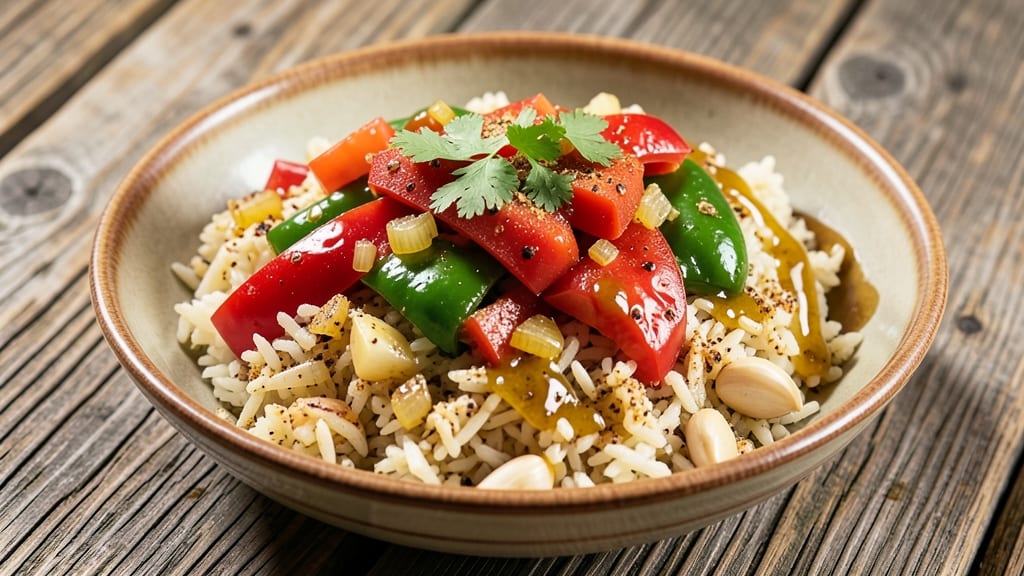
This vegetable Mexican rice recipe transforms simple ingredients into a flavor-packed side that steals the show at any table. The smoky cumin and tomato base builds layers of warmth, while sautéed bell peppers and onions add sweetness that balances the earthy rice.
I developed this version after realizing how much depth could come from vegetables alone—no meat needed to deliver restaurant-quality flavor.
The beauty of this one-pan method lies in its simplicity: just 15 minutes of active prep followed by 20 minutes of simmering. You'll start by sautéing vegetables until tender, then build the aromatic spice base with garlic, cumin, and chili powder before adding rice and broth.
The key is letting everything cook together, allowing the rice to absorb all those rich flavors while developing a slightly crispy texture at the edges.
What you'll end up with is perfectly seasoned rice with vibrant, caramelized vegetables woven throughout—each bite delivers smoky cumin warmth, bright tomato acidity, and the natural sweetness of peppers. The texture is ideal: tender rice with just enough resistance, and the aroma alone will have everyone asking what's for dinner.
This dish pairs beautifully with grilled proteins, tacos, or even as a standalone vegetarian meal.
For an extra touch of freshness, finish with chopped cilantro and a squeeze of lime before serving. The acidity cuts through the richness while adding brightness that makes every bite feel complete. Ready to make this your new go-to side dish? Let's get started with the full recipe.
Ingredients for vegetable mexican rice
Simple vegetables and pantry spices create restaurant-worthy Mexican rice without any meat.
| Ingredient | Amount | Notes |
|---|---|---|
| Long-Grain White Rice 🍚 | 1 ½ cups | Uncooked, rinsed well first |
| Yellow Onion 🧅 | 1 whole | Medium, finely diced |
| Bell Pepper 🌶️ | 1 whole | Any color, diced small |
| Garlic Cloves 🧄 | 4 cloves | Fresh, minced finely |
| Canned Diced Tomatoes 🍅 | 1 can | 14.5 oz, fire-roasted preferred |
| Vegetable Broth 💧 | 1 ½ cups | Low-sodium preferred |
| Ground Cumin 🌿 | 1 ½ tsp | Freshly toasted for depth |
| Chili Powder 🌶️ | 1 tsp | Medium heat preferred |
| Smoked Paprika 🌶️ | ½ tsp | For authentic smokiness |
| Salt 🧂 | ½ tsp | Kosher or sea salt |
| Black Pepper 🌶️ | ¼ tsp | Freshly ground preferred |
| Fresh Cilantro 🌿 | ¼ cup | Chopped, for garnish |
| Lime 🍋 | 1 whole | Juiced, for finishing |
| Extra-Virgin Olive Oil 🫒 | 2 tbsp | For sautéing vegetables |
The rice is the foundation, so choose long-grain white—it stays firm and absorbs flavors beautifully. Lundberg Family Farms or Uncle Ben's are reliable brands, but any good-quality rice works. Toasting the cumin and chili powder in a dry pan for 30 seconds before adding to the rice deepens their flavor—don't skip this step. For the tomatoes, fire-roasted canned tomatoes add natural sweetness, but regular diced works too. The bell pepper can be any color, but red or yellow adds natural sweetness that balances the smoky spices. Sauté your onions and peppers until they're tender but not browned—this prevents bitterness and ensures they caramelize later in the cooking process.
No fire-roasted tomatoes? Fresh tomatoes diced and sautéed with the onions work just as well. Running short on cumin? Ground coriander at half the amount gives a similar earthy note. The smoked paprika is key for that authentic Mexican flavor, but if you're out, regular paprika plus a pinch of liquid smoke mimics it. For extra depth, add a bay leaf while simmering—remove it before serving. The lime should be fresh; bottled juice lacks the bright acidity that cuts through the richness. If you prefer a milder finish, reduce the lime to just a squeeze or two.
This rice reheats beautifully—just add a splash of broth and cover with a damp paper towel to keep it moist. Store leftovers in an airtight container in the fridge for up to 4 days, or freeze for 3 months. For meal prep, portion into containers with a sprinkle of cilantro and lime juice on top—it keeps the rice vibrant and fresh-tasting. The flavors actually improve after the first day as everything melds together, so this is one of those dishes that tastes even better the next day.
Why You'll Love This Recipe
- One-Pot Magic: I swear by this recipe because it’s actually one-pot—no extra bowls, no sticky rice clumps everywhere. Just chop the onion, bell pepper, and garlic (about 10 minutes max), toss everything in one skillet with the rice and tomatoes, and let it simmer. Honestly, the cleanup is so minimal I’ll sometimes make it just for the satisfaction of a clean sink.
- Tomato-Garlic Bomb: That canned diced tomato base? It’s the secret weapon. The acidity cuts through the richness of the bell pepper and onion, while the garlic cloves (sautéed until fragrant, not burnt) add a depth that makes this taste like it simmered for hours. Between us, I’ve had this cold the next day and it was still ridiculously good.
- Taco Night’s Best Side: This rice is my go-to for Taco Tuesday, but it’s also the star of lazy lunches or a quick vegetarian burrito bowl. The texture—slightly firm but fluffy—holds up perfectly, and the veggie mix keeps it vibrant even when reheated. (Yes, even on a Tuesday night, when I’m too tired to overthink dinner.)
- Budget Meal Prep Hero: A single batch feeds four, and leftovers taste just as fresh three days later. Long-grain rice stays separate, so it reheats without turning mushy, and the veggies keep their color. I’ll make a double batch on Sundays—it’s cheaper than takeout, fills the fridge with something reliable, and saves me from deciding what to eat all week.
Step-by-step instructions for vegetable Mexican rice
Here's the method for creating restaurant-quality vegetable Mexican rice in a single pan.
Sauté the Aromatic Vegetables
Heat the 2 tablespoons extra-virgin olive oil in a large skillet or deep sauté pan over medium-high heat. Once the oil shimmers, add the 1 whole yellow onion and 1 whole bell pepper, both diced small. Cook for 5-6 minutes, stirring occasionally, until the onions become translucent and the peppers begin to soften.
Here's the thing—you want the vegetables to release their moisture and develop some color before adding the garlic. This prevents the garlic from burning instantly. When the peppers show some charred edges, add the 4 cloves garlic cloves, minced finely. Stir for 30 seconds until the garlic becomes fragrant but doesn't brown.
Toast the Spices and Add Tomatoes
Reduce the heat to medium and add the 1.5 teaspoons ground cumin, 1 teaspoon chili powder, and 0.5 teaspoon smoked paprika. Stir constantly for 1 minute until the spices release their aroma and the pan becomes fragrant. This step is crucial—it deepens the smoky flavor that defines authentic Mexican rice.
Pour in the 1 can canned diced tomatoes and stir to combine with the vegetable mixture. Let it simmer for 3-4 minutes until the tomatoes begin to break down slightly and the mixture thickens. You'll notice the spices will start to darken slightly, which is perfect—this adds depth to your rice.
Add Rice and Broth for Perfect Texture
Rinse the 1.5 cups long-grain white rice thoroughly under cold water until the water runs clear. This removes excess starch that would make the rice gummy. Add the rinsed rice to the skillet and stir to coat each grain with the tomato-vegetable mixture. Cook for 1 minute to toast the rice slightly.
Pour in the 1.5 cups vegetable broth and stir once more. Here's where it gets important: bring the mixture to a gentle boil, then immediately reduce heat to low. Cover the pan tightly with a lid and let it cook undisturbed for 18-20 minutes. Don't peek—steam is what cooks the rice evenly.
Rest and Finish with Fresh Flavors
Once the 18-20 minutes have passed, remove the pan from heat and let it sit covered for 5 minutes. This resting period allows the rice to absorb any remaining liquid and develop a fluffy texture. The reason we wait is that rice continues cooking from residual heat.
Uncover the pan and fluff the rice with a fork. Stir in the 0.5 teaspoon salt, 0.25 teaspoon black pepper, and 0.25 cup fresh cilantro. Squeeze the juice from the 1 whole lime over the top and toss gently to combine. The lime brightens all the smoky, earthy flavors.
Serve Immediately with Confidence
Taste and adjust seasoning if needed—this is your final chance to perfect the balance. The rice should be tender with a slight bite, and each grain should be distinct. Serve immediately with warm tortillas, grilled meats, or as a standalone dish. The aromatic vegetables and smoky spices will make this rice the star of any meal.
Real talk: if you find the rice is slightly undercooked, simply cover it and let it steam for another 2-3 minutes off the heat. The key is patience—rushing this step leads to mushy rice. Trust the process, and you'll have restaurant-quality Mexican rice every time.
Pro Tips For Making Vegetable Mexican Rice
- Sauté Onions Until Golden: I learned this the hard way—skipping this step means your rice will taste bland. Cook the onions on medium-high heat for 5-7 minutes until they’re deep golden, almost caramelized. That’s where the sweet, rich flavor comes from, not just the raw onion taste.
- Dice Veggies Uniformly: Bell peppers and onions should be cut into small, even pieces—about ¼-inch dice. Anything bigger stays crunchy and undercooked, while smaller bits turn mushy. A sharp knife and steady hand make this easier than it sounds.
- Don’t Stir the Rice: Once the rice hits the pot, resist the urge to poke or prod it. Stirring breaks the grains and makes the rice gummy. Just swirl the pot occasionally to distribute the liquid—like you’re gently shaking a snow globe.
- Use Less Liquid Than You Think: Most recipes call for 2:1 rice-to-water, but Mexican rice needs less—try 1.5:1. The tomatoes and peppers add moisture, and too much water turns the rice mushy. Taste and adjust, but start conservative.
Common mistakes when making this dish
Skipping the Rinse
Rinsing the rice is non-negotiable—skipping this step leaves excess starch that turns your rice gummy. I learned this the hard way when my first batch turned into a gluey mess.
Rinse under cold water until the water runs clear, then drain thoroughly. This ensures each grain stays distinct and absorbs the smoky tomato-vegetable mixture perfectly. 💫
Overcrowding the Pan
Using a pan that's too small forces the rice to steam unevenly, leading to clumps and uneven texture. I recommend a 12-inch cast-iron skillet or nonstick sauté pan with at least 3-quart capacity for this recipe.
If your pan is too small, the rice will cook in layers—bottom grains mushy, top grains dry. Trust me, this is one of those times where splurging on a quality pan pays off. ⚡
Peeking at the Rice
Lifting the lid to check on the rice disrupts the steam circulation, causing uneven cooking. The rice needs 18-20 minutes of undisturbed steaming to develop its signature fluffy texture. I know it's tempting—especially when the kitchen smells amazing—but resist!
If you're unsure, set a timer and walk away. The rice will tell you when it's done through its aroma and visual cues. 🌡️
Using Low-Quality Broth
Vegetable broth with high sodium content or artificial flavors will overpower the delicate balance of spices in this dish. I always use low-sodium vegetable broth (like Pacific Foods or Imagine) to maintain control over seasoning.
If you're using homemade broth, strain it well to remove any sediment that could make the rice gritty. The broth carries the smoky, earthy flavors, so don't skimp here. 💡
Burning the Garlic
Garlic burns in seconds when added to hot oil, creating bitter, acrid flavors that ruin the dish. The trick is to add it only after the onions and peppers have softened and released moisture. When the peppers show slight char, reduce heat to medium before stirring in the garlic.
Cook for just 30 seconds—any longer, and you'll regret it. This is where patience pays off in flavor. 🧄
Underseasoning the Rice
Many home cooks hold back on salt and spices, thinking they can adjust later. But rice absorbs flavors as it cooks, so seasoning at the end is too late. Toast the spices in the dry pan for 1 full minute before adding tomatoes to deepen their flavor.
After cooking, taste the rice and adjust with salt, lime juice, or a pinch of chili powder—this is your final chance to perfect the balance. 🌶️
Nutrition facts
Frequently asked questions
Can I substitute canned tomatoes with fresh?
Yes! Use 2 cups diced fresh tomatoes instead, but sauté them with the onions and peppers for 5-6 minutes first to break down their juices. Add a pinch of salt to help draw out moisture. Fresh tomatoes work beautifully but require more time to soften and release flavor.
How do I make this recipe gluten-free?
This recipe is naturally gluten-free as long as you use gluten-free vegetable broth and check your spices for cross-contamination. Most store-bought cumin, chili powder, and smoked paprika are gluten-free, but brands like Bob's Red Mill or Simply Organic guarantee it. Always verify labels if you're highly sensitive.
What's the best way to reheat leftovers?
Add 2 tablespoons broth or water per cup of rice and cover with a damp paper towel. Reheat in the microwave for 2-3 minutes on medium-high, stirring halfway. For stovetop reheating, use a skillet on low heat with a splash of broth to restore moisture. Never reheat dry—this makes the rice tough.
Can I use brown rice instead of white?
Brown rice works but requires 45-50 minutes of simmering (vs. 18-20 minutes for white) and a 1:2 rice-to-broth ratio. Toast the rice in the pan for 2 minutes before adding broth, and check for doneness 10 minutes early. The texture will be chewier, but the flavor remains excellent.
What other vegetables can I add?
Try diced zucchini, corn, or mushrooms for extra texture. Sauté them with the onions and peppers, but add corn only in the last 5 minutes to prevent mushiness. For heat, stir in diced jalapeños or a pinch of cayenne. The key is balancing flavors—don't overcrowd the pan.