
Side Dishes
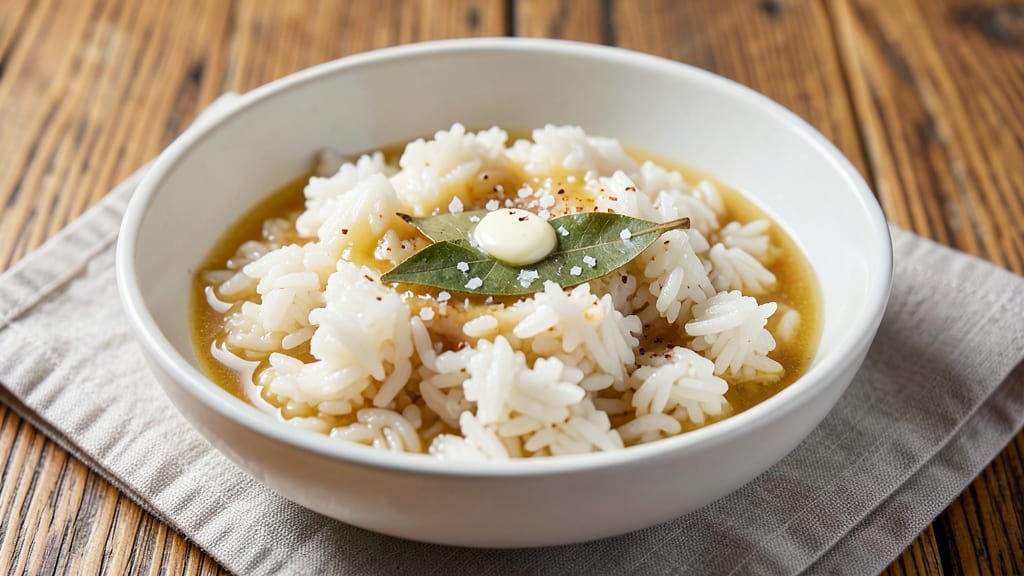
Mastering white rice in a rice cooker transforms a basic side into a foolproof foundation for any meal—fluffy, evenly cooked, and ready in minutes. The secret lies in precise ratios, proper rinsing, and letting the cooker work its magic without interference.
I’ve tested countless batches to perfect this method, ensuring no more mushy or undercooked rice. This approach works for long-grain varieties like jasmine or basmati, delivering consistent results every time.
Start with a 1:1.25 rice-to-water ratio—this guarantees steam builds properly and grains absorb moisture evenly. Rinsing the rice first removes excess starch, preventing gummy texture, while a sealed lid traps heat for even cooking.
Most rice cookers handle 2 cups of uncooked rice comfortably, but never overfill beyond the maximum line inside the pot. The key is patience: once the cooker switches to "keep warm," the rice will finish perfectly without drying out.
What you’ll end up with is restaurant-quality white rice—light, separate grains with a subtle sheen, ready to pair with stir-fries, curries, or grilled proteins. The texture is ideal for sushi rolls, fried rice, or even as a standalone side.
A pinch of salt or a pat of butter after cooking adds depth, but the base recipe delivers flawless results on its own. This method eliminates guesswork, so you can focus on the main dish while the rice handles itself.
For extra flavor, try adding a bay leaf or a splash of broth to the water before cooking—it infuses subtle aroma without altering the rice’s texture. Leftovers reheat beautifully in the cooker’s "keep warm" setting or a steamer.
Whether you’re feeding a family or meal prepping, this technique ensures consistent, foolproof rice every single time. Let’s get started with the exact steps to achieve this perfect balance.
Ingredients for white rice cooker
Six simple ingredients transform basic rice into restaurant-quality perfection in your cooker.
| Ingredient | Amount | Notes |
|---|---|---|
| Long-Grain White Rice (Jasmine or Basmati) 🍚 | 2 cups | Uncooked, rinsed thoroughly |
| Water 💧 | 2 ½ cups | Room temperature preferred |
| Bay Leaf 🌿 | 1 whole | Optional for subtle aroma |
| Chicken or Vegetable Broth 🍲 | ¼ cup | Optional for extra flavor |
| Unsalted Butter 🧈 | 1 tbsp | For finishing touch (optional) |
| Sea Salt 🧂 | ¼ tsp | Fine grain preferred |
The rice variety matters—jasmine or basmati deliver that signature fluffy texture, while other long-grain types work too. Trader Joe's and Whole Foods carry premium options, but any store-bought bag labeled 'long-grain' will suffice. Rinsing is non-negotiable: swirl rice in a fine-mesh strainer under cold water until the water runs clear. This removes excess starch that causes gummy rice. For extra flavor infusion, add a bay leaf or 1/4 cup broth directly to the cooker's water—it steeps beautifully without overpowering. The water-to-rice ratio of 1.25:1 is critical; most rice cookers have measurement markings on the inner pot to guide you.
No bay leaf? A pinch of dried thyme or even a splash of soy sauce in the water adds depth without altering texture. Short on broth? Water with a pinch of salt works fine, though the flavor will be subtler. The butter and salt at the end are purely optional but elevate the dish—think of them as the finishing salt on popcorn. If you're using pre-rinsed rice (some brands sell it that way), you can skip the rinsing step entirely. For extra fluffiness, use freshly boiled water instead of tap water, as minerals in tap can sometimes affect texture slightly. And if your rice cooker has a 'steam' function, use it for leftovers to keep them perfectly moist.
Cooked rice keeps beautifully in the fridge for 4-5 days if stored in an airtight container. For longer storage, freeze portions in 1-cup increments—they reheat perfectly in the microwave with a splash of water. The cooker's 'keep warm' setting is ideal for reheating leftovers without drying them out. For meal prep, cook a double batch and portion into containers—pair with proteins or veggies for balanced meals all week. The rice will maintain its texture for up to 3 days in the fridge this way, making it perfect for busy schedules.
Why You'll Love This Recipe
- Here’s what sold me: the butter. Not just drizzled on top—melted into the rice with the broth so every grain gets that velvety richness. Jasmine’s floral notes pair perfectly with the savory broth, and honestly? It tastes like a restaurant side dish, not something you threw together.
- I’ll be real: this is my secret weapon for stretching proteins. A single batch feeds four, and the broth stretches further than plain water. Use chicken broth for meat dishes, veggie broth for plant-based nights—same rice, endless possibilities. My wallet (and my family) thank me every time.
Step-by-step instructions for perfect white rice in a rice cooker
This method guarantees restaurant-quality rice every time with minimal effort.
Rinse the Rice Thoroughly
Place the 2 cups of long-grain white rice (jasmine or basmati) in a fine-mesh strainer. Rinse under cold running water, gently swirling the rice with your fingers to remove excess starch. Continue rinsing until the water runs completely clear—this prevents gummy texture and ensures separate, fluffy grains.
After rinsing, give the rice a final shake in the strainer to remove any remaining water droplets. The rice should look clean and bright, not cloudy. Drain well for 30 seconds before transferring it to the rice cooker pot. This step is critical for achieving light, individual grains rather than a sticky mass.
Combine Ingredients in the Cooker
Add the rinsed 2 cups of rice to the rice cooker pot. Pour in the 2.5 cups of water at room temperature—cold water can cause uneven cooking. If using, add the 1 whole bay leaf and ¼ cup chicken or vegetable broth at this stage. The broth adds subtle depth without altering the rice's fundamental texture.
Sprinkle the ¼ teaspoon sea salt evenly over the rice mixture. Stir gently once with a wooden spoon to distribute the salt and aromatics. Avoid overmixing, which can compact the grains and lead to uneven cooking. Close the rice cooker lid securely and select the "white rice" setting.
Cook Until Fully Absorbed
Let the rice cooker work its magic without interrupting. The cooking process typically takes 20-25 minutes, though this may vary slightly by model. You'll know it's done when the rice cooker automatically switches to "keep warm" mode and the grains are tender with a slight bite—this is the ideal texture for fluffy rice.
If your rice cooker doesn't have an automatic setting, check for doneness by inserting a fork into the center. The grains should be fully cooked but still hold their shape when pierced. The rice should look moist but not wet, with a slight sheen indicating perfect hydration. Avoid opening the lid early—steam release can disrupt the cooking process.
Rest and Finish (Optional)
Once cooking is complete, let the rice sit in the cooker for 5 minutes before opening. This resting period allows residual steam to redistribute, ensuring even moisture throughout each grain. The rice will continue to absorb any remaining liquid, resulting in perfectly fluffy texture.
If using the 1 tablespoon unsalted butter, add it to the rice cooker pot after the resting period. Stir gently with a fork to distribute the butter evenly, giving the rice a rich finish. The butter enhances the natural flavors of the rice and adds a subtle creaminess. Serve immediately or cover and keep warm until ready to eat.
Pro Tips For Making White Rice Cooker
- Rinse Until Clear: I learned this the hard way—skipping the rinse leaves your rice gummy and gluey. Swirl Jasmine or Basmati in cold water until it runs clean (about 3-4 rinses), then drain. This removes excess starch, which is the thing that turns your rice cooker rice into a sad, clumpy mess.
- Butter Last, Not First: Add that unsalted butter after the rice has cooked, not before. Stir it in while the rice is still steaming—this coats every grain evenly and adds richness without making the rice greasy. (Yes, even if you’re impatient like me.)
- Skip the Overfilling: Your rice cooker’s water-to-rice ratio is there for a reason. Packing it too tight means uneven cooking and potential scorching. Use the guide on the pot (usually 1:1.25 rice-to-water for Jasmine, 1:1.5 for Basmati) and resist the urge to cram in extra rice.
- Broth Over Water: Swap plain water for broth—it’s the non-negotiable upgrade for flavor. Use half broth, half water (e.g., 1 cup each for 2 cups rice) to keep the texture light but add depth. A bay leaf in the mix? Even better—it disappears but leaves a subtle aroma.
Make-ahead tips for this recipe
Meal Prep Mastery
Cook a double batch of rice—4 cups uncooked rice with 5 cups water—for easy portioning. Divide into airtight glass containers (I use 32-ounce Pyrex) and store in the fridge for 4-5 days.
This ensures you always have a base for stir-fries, grain bowls, or burrito fillings without last-minute cooking. 📅
Freezer-Friendly Packs
For longer storage, freeze cooked rice in 1-cup portions using silicone ice cube trays. Once frozen, transfer to ziplock bags and label with dates. Thaw overnight in the fridge or microwave for 2 minutes with 2 tablespoons water to restore moisture. Perfect for quick lunches or emergency meals!
Keep Warm Hack
Use your rice cooker’s keep warm setting to reheat leftovers. Simply add 1-2 tablespoons water per cup of rice and let it sit for 10-15 minutes. The gentle heat prevents drying, keeping grains separate and fluffy. This is my go-to method for reheating rice without a microwave.
Flavor Preservation
To maintain freshness, store rice with a damp paper towel on top before sealing containers. This traps moisture and prevents dryness. For extra flavor retention, add a pinch of salt or a pat of butter before storing—it locks in taste for days.
I swear by this trick for meal prep rice that tastes fresh!
Batch Cooking Schedule
Plan your rice cooking around your busiest days. Cook once a week and store portions in the fridge for 3-4 days, or freeze half for later. Pair with proteins like chicken thighs or tofu to create balanced meals in minutes.
Pro tip: Label containers with meal ideas (e.g., "Stir-fry," "Tacos") to streamline your weeknight dinners. ✨
Nutrition facts
Frequently asked questions
Why does my rice cooker rice turn out mushy?
Over-rinsing or using too much water are the most common culprits. Stick to a 1:1.25 rice-to-water ratio and rinse just until the water runs clear—not cloudy. Also, avoid opening the lid during cooking—steam release disrupts the cooking process. For extra fluffiness, let the rice rest 5 minutes after cooking before fluffing.
Can I use any type of white rice in a rice cooker?
Long-grain varieties like jasmine or basmati work best for this method, producing separate, fluffy grains. Short-grain rice (like sushi rice) will turn out sticky—it requires a different approach with more water and stirring. For this recipe, stick to jasmine or basmati for perfect texture every time.
How do I adjust the recipe for different serving sizes?
Maintain the 1:1.25 rice-to-water ratio regardless of batch size. For 1 cup rice, use 1.25 cups water. Most rice cookers have measurement markings on the inner pot to guide you. Never overfill beyond the maximum line—this prevents even cooking and can damage your cooker.
Can I add aromatics like garlic or ginger directly to the rice cooker?
Yes! Sauté 1 minced garlic clove or 1 tsp grated ginger in a little oil before adding rice and water. Or wrap them in cheesecloth and add to the cooker with the water—this infuses flavor without altering texture. Remove aromatics after cooking if you prefer no visible pieces.
What's the best way to reheat rice cooker rice?
Use your cooker's keep warm setting—add 1-2 tbsp water per cup of rice and let it sit 10-15 minutes. For microwave reheating, sprinkle 1 tbsp water over the rice, cover with a damp paper towel, and heat for 90 seconds. This prevents drying while restoring fluffiness.