
Desserts
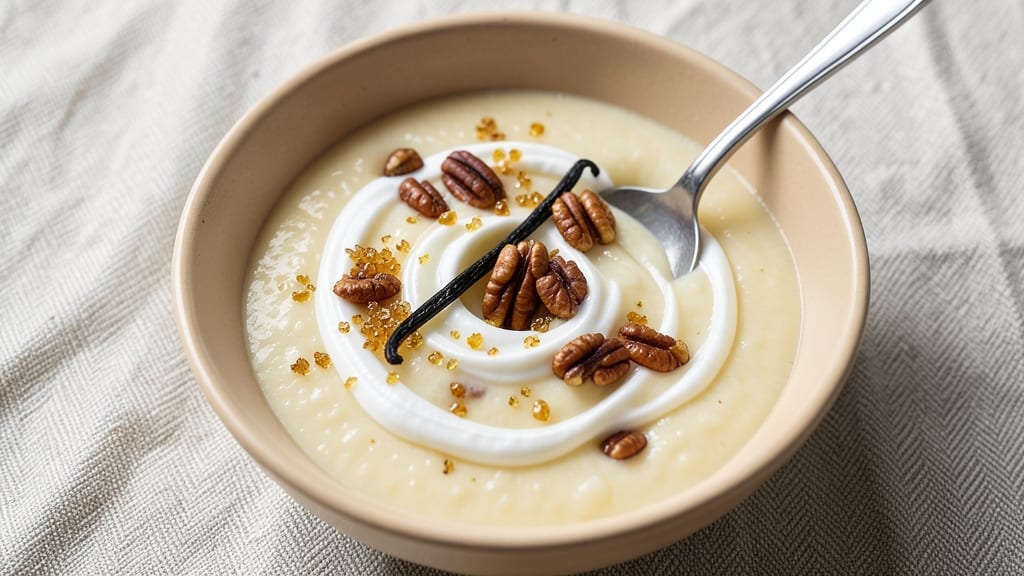
America's Test Kitchen rice pudding delivers the perfect balance of creamy vanilla-infused richness and toasted pecan crunch—a dessert that feels like a warm hug in every bite. I've refined this recipe over years to eliminate common pitfalls like graininess or undercooked rice, ensuring silky texture and deep flavor.
The secret lies in simmering the rice in milk until tender, then thickening with egg yolks for that signature custard-like consistency.
What sets this apart is the two-stage cooking process: first gently simmering the rice mixture, then finishing with egg yolks and vanilla for a velvety finish. Toasted pecans add texture and nuttiness that cuts through the creaminess, while a touch of cinnamon enhances the warm spice notes.
This version stays firm enough to slice but melts in your mouth—no mushy middle here.
The result is a dessert that's elegant enough for company but simple enough for weeknights, with a golden caramelized top that adds visual appeal. Serve warm with a dollop of whipped cream or a sprinkle of extra pecans for that restaurant-quality touch. Let's create this foolproof classic together.
For those who prefer a baked version, simply transfer the custard to a buttered dish and bake at 350°F until set. The same principles apply—just a different finishing method. Whether simmered or baked, this rice pudding delivers consistent, professional results every time.
Ingredients for america's test kitchen rice pudding
Pantry staples meet dessert perfection—creamy, velvety rice pudding with nutty crunch.
| Ingredient | Amount | Notes |
|---|---|---|
| Long-Grain White Rice 🍚 | 1 cup | Uncooked, medium grain preferred |
| Whole Milk 🥛 | 4 cups | Full-fat for optimal creaminess |
| Heavy Cream 🥛 | 1 cup | Full-fat for richness |
| Granulated Sugar 🍚 | ¾ cup | Adjust to taste |
| Large Egg Yolks 🥚 | 4 whole | Separated from whites |
| Pure Vanilla Extract 🍯 | 2 tbsp | High-quality, no imitation |
| Ground Cinnamon 🌿 | 1 tsp | Freshly ground preferred |
| Salt 🧂 | ¼ tsp | Fine sea salt |
| Unsalted Butter 🧈 | ½ cup | Cold, cubed for topping |
| Pecans 🥜 | 1 cup | Raw, toasted and chopped |
The rice is the foundation—long-grain white gives that ideal texture. Bob's Red Mill or Lundberg are reliable brands, but any medium-grain rice works. For the milk, whole milk is non-negotiable—it delivers the creamiest result. Heavy cream adds richness, but if you're watching calories, half-and-half works in a pinch. The sugar can be adjusted—turbinado or brown sugar adds subtle depth if you prefer a caramel note. Egg yolks are critical for thickening; pasteurized yolks are a safe alternative if handling raw eggs is a concern. Vanilla extract should be pure, not imitation—McCormick or Nielsen-Massey are trusted brands.
No vanilla extract? Seeds from a vanilla bean work beautifully—simmer them with the milk. Running low on pecans? Walnuts or hazelnuts add similar texture, though the flavor shifts slightly. The cinnamon is subtle but important—Ceylon cinnamon has a more delicate flavor if you're sensitive to cassia's heat. For the butter topping, European-style butter like Plugrá melts more cleanly. If you can't find pecans, chopped almonds are a decent substitute, though they lack the same buttery richness. The key is toasting the nuts—dry pan over medium heat for 5-7 minutes until fragrant.
This custard thickens as it cools, so reheat gently—microwave in 30-second bursts with a splash of milk to restore creaminess. Store leftovers in an airtight container for up to 5 days in the fridge. For make-ahead convenience, prepare through the egg yolk stage, then refrigerate the custard. Reheat before adding the butter topping. The baked version? Transfer to a buttered dish and bake at 350°F for 20-25 minutes until set. Freeze portions for up to 3 months—thaw overnight in the fridge before reheating.
Why You'll Love This Recipe
- No-Fuss Simmer: I swear by this recipe because it’s basically hands-off after the initial prep. Just toast the rice in butter, pour in the milk and cream, then let it bubble away while you handle the rest of dinner—no stirring every five minutes like some fussy recipes demand.
- Creamy Without Cloying: That balance of heavy cream and egg yolks? Chef’s kiss. It’s rich enough to feel indulgent but never heavy—thanks to the sugar caramelizing just enough to cut through the richness. Honestly, my kids ask for seconds before I even finish serving.
- Weeknight to Holiday: Make it for a lazy Sunday breakfast or bring it to a potluck—this recipe scales like a dream. Double the batch for leftovers (which you will have) or halve it for a single-serving treat. The vanilla bean or cinnamon stick you steep in the milk? Instant crowd-pleaser upgrade.
- Budget Luxury: Long-grain rice and basic pantry staples make this absurdly affordable, but the heavy cream and yolks turn it into something special. Between us, I’ve stretched this into three meals: first as pudding, then reheated with toasted nuts, and finally as a creamy filling for churros. Zero waste, all flavor.
Step-by-step instructions for america's Test Kitchen rice pudding recipe
This method delivers perfectly balanced texture—creamy yet set, with vanilla depth and nutty crunch.
Toast the Pecans and Cook the Rice
Preheat your oven to 350°F. Spread the 1 cup pecans on a baking sheet and toast for 8-10 minutes until fragrant and golden brown. Stir halfway through to ensure even toasting. Remove from oven and set aside to cool slightly—their warm aroma will infuse your pudding.
In a medium saucepan, combine the 1 cup long-grain white rice, 4 cups whole milk, and 0.75 cup granulated sugar. Bring to a boil over medium-high heat, then immediately reduce heat to low. Cover and simmer for 30 minutes, stirring occasionally to prevent sticking. The rice should be tender but not mushy, and the mixture should thicken noticeably. If it looks too dry, add 1-2 tablespoons water—this ensures creamy texture without grittiness.
Prepare the Custard Base
In a separate bowl, whisk together the 4 whole large egg yolks, 1 cup heavy cream, 2 tablespoons pure vanilla extract, 1 teaspoon ground cinnamon, and 0.25 teaspoon salt until smooth. This mixture will form the velvety custard that binds your pudding. Strain it through a fine-mesh sieve to remove any lumps—this guarantees a silky finish.
Temper the egg mixture by slowly pouring in 1 cup of the hot rice-milk mixture while whisking constantly. Return the tempered custard to the saucepan and cook over low heat, stirring continuously with a wooden spoon, until it thickens enough to coat the back of the spoon (about 5-7 minutes). The mixture should reach 170°F—this ensures proper setting without scrambling the eggs. Remove from heat immediately to prevent curdling.
Combine and Chill for Perfect Texture
Gently fold the cooked custard back into the rice mixture using a spatula, being careful not to break the rice grains. Stir in the toasted pecans and 0.5 cup unsalted butter, cubed, allowing the butter to melt slightly into the warm pudding. The butter adds richness and prevents a dry finish. Transfer the pudding to a heatproof bowl and press plastic wrap directly onto the surface to prevent a skin from forming.
Refrigerate for at least 4 hours or overnight—this chilling time is critical for developing the ideal texture. When ready to serve, the pudding should be set but still slightly wobbly at the center. If it's too firm, let it sit at room temperature for 10-15 minutes before serving. The contrast between the creamy pudding and toasted pecans makes every bite irresistible.
Serve with Warm Toppings (Optional)
For an elevated presentation, warm the remaining 0.25 cup toasted pecans in a dry skillet over low heat for 1-2 minutes until fragrant. Spoon the chilled pudding into serving bowls and top with the warm pecans. The temperature contrast enhances both flavors—the creamy pudding against the nutty crunch. Serve with a dusting of ground cinnamon for an aromatic finish.
This recipe yields 6 servings—perfect for a comforting dessert or breakfast treat. The balance of textures and flavors comes from precise technique: toasting the pecans, tempering the eggs, and proper chilling. Each element plays a role in the final result, so don't rush any step. The patience pays off in every spoonful.
Pro Tips For Making America'S Test Kitchen Rice Pudding
- TOAST THE RICE FIRST: Dump the dry rice into a dry pot and toast it over medium heat for 2-3 minutes—just until it’s fragrant and slightly golden. I learned this the hard way: skipping this step makes the pudding taste flat and starchy, like the milk never gets to work its magic.
- USE COLD YOLKS: Whisk the egg yolks with the sugar before adding the hot milk mixture—keep them in the fridge until the last second. Warm yolks scramble when they hit the boiling liquid, and nobody wants curdled rice pudding. (Yes, even if you’re impatient like me.)
- SIMMER GENTleLY: After adding the yolks, reduce the heat to low and stir constantly for the first 5 minutes—no rushing. I used to crank it up, and the pudding would split or turn grainy. Low and slow = creamy perfection.
- STRAIN THE STARCH: After cooking, press the rice through a fine-mesh sieve into the custard to remove excess starch—don’t just mash it. This makes the pudding silky instead of gluey. (I know, it’s extra work, but your future self will notice the difference.)
Dietary considerations for this recipe
Gluten-Free Adaptation
This rice pudding is naturally gluten-free since it relies on rice, milk, and eggs—but always verify labels on ingredients like vanilla extract or cinnamon for hidden gluten. I swap the standard rice for certified gluten-free long-grain white rice (like Bob’s Red Mill or Lundberg) to ensure no cross-contamination.
The texture remains identical, creamy and perfectly set, because gluten-free rice absorbs liquid similarly when cooked properly. Just be mindful of the toasted pecans—some brands process nuts in shared facilities with gluten-containing products, so check for certification if needed. 🌾
Dairy-Free Options
For a dairy-free version, replace the whole milk and heavy cream with full-fat coconut milk (the canned, not carton version) for richness. Use 1 can (13.5 oz) of coconut milk plus 1 cup water to mimic the 5 cups of dairy.
The custard base requires 4 tablespoons cornstarch (instead of egg yolks) to thicken—whisk it into the coconut milk mixture before simmering. I also add 1 teaspoon lemon juice to balance any coconut flavor. The result is just as creamy, though slightly lighter in texture. 🥥
Vegan Substitutions
To make this pudding vegan, skip the egg yolks entirely and use 4 tablespoons cornstarch or agave syrup + arrowroot powder (2 tbsp each) for thickening.
For the custard-like texture, I blend 1 cup silken tofu with 2 tablespoons vanilla extract and 1 teaspoon cinnamon, then stir it into the cooked rice-milk mixture. The tofu adds protein and creaminess without eggs.
Replace butter with vegan butter (like Miyoko’s) and use coconut cream for the topping. The flavor stays rich, though the texture will be slightly firmer. 🌱
Lower-Sugar Version
Cut the sugar by half (to 0.375 cup) and sweeten with 2 tablespoons maple syrup or 1 tablespoon honey for depth. I also add 1 teaspoon vanilla bean paste (instead of extract) for intensified flavor—it compensates for the reduced sweetness beautifully.
The pudding will still be creamy but less cloying. For extra richness, stir in 1 tablespoon coconut oil at the end to replace some of the butter’s role. Pair it with fresh berries to balance the natural sweetness. 🍯
Nut-Free Alternative
Skip the pecans and replace them with toasted pumpkin seeds (pepitas) or dried cranberries for texture. For a crunchy topping, pulse ½ cup granola (ensure it’s nut-free) in a food processor until it resembles coarse sand.
Toast it in a dry pan for 2 minutes until golden, then sprinkle over the pudding. The seeds add a subtle earthy note, while cranberries introduce tartness that brightens the dish. This keeps the recipe inclusive without sacrificing texture contrast. 🌰
Nutrition facts
Frequently asked questions
Why does my rice pudding turn out grainy?
Graininess happens when the rice isn't cooked long enough or stirred properly. Always simmer the rice in milk for 30 minutes uncovered (or until tender), and stir occasionally to prevent sticking. For extra creaminess, strain the cooked rice mixture through a fine-mesh sieve before adding the custard base. This removes any excess starch that can cause grit.
Can I make this rice pudding ahead of time?
This recipe actually tastes better after chilling. Prepare through the custard stage, then refrigerate for at least 4 hours (or overnight) before serving. The flavors meld beautifully, and the texture becomes perfectly set. Store leftovers in an airtight container for up to 5 days—just reheat gently with a splash of milk to restore creaminess.
What's the difference between simmered and baked rice pudding?
The simmered version has a lighter, custard-like texture with a silky finish, while baked rice pudding develops a firmer, almost cheesecake-like consistency. For baking, transfer the custard to a buttered dish and bake at 350°F for 20-25 minutes until set. The baked version holds its shape better for slicing, while the simmered version is ideal for spooning.
Can I substitute short-grain rice for long-grain?
Short-grain rice will make your pudding thicker and slightly stickier, which can alter the texture. For best results, stick with long-grain white rice—it stays distinct and creamy. If you must use short-grain, reduce the milk by ½ cup and increase simmering time to 35 minutes to prevent mushiness. The flavor remains the same, but the mouthfeel will differ.
How do I fix scrambled egg yolks in my custard?
If your custard curdles, immediately remove it from heat and stir in 1 tablespoon cold butter or 1 tablespoon cornstarch mixed with 2 tablespoons cold milk. Return to low heat and cook for 2-3 minutes, stirring constantly, until smooth. The butter or cornstarch helps rebind the mixture. To prevent this, always temper the eggs by slowly adding hot milk while whisking.