
Side Dishes
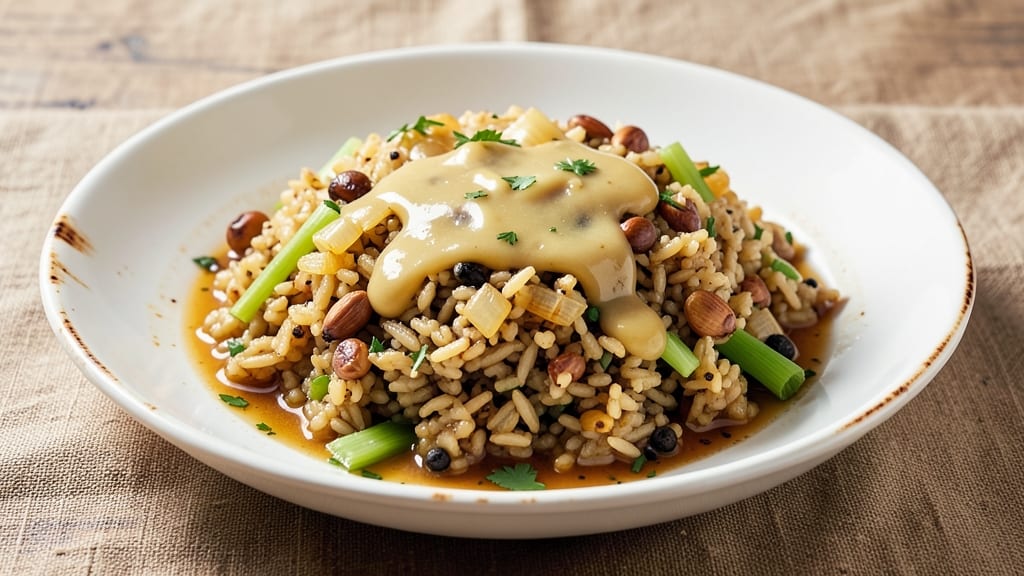
Barefoot Contessa's wild rice pilaf recipe delivers the nutty depth and aromatic complexity that makes this dish a restaurant-quality staple. The secret lies in toasting the nuts and herbs before cooking, which builds layers of flavor that transform simple wild rice into something truly special.
I've been perfecting this recipe for years, and it never fails to impress—whether as a side dish or a hearty vegetarian main.
This recipe stays true to Ina Garten's signature style with precise measurements and a methodical approach that ensures perfectly cooked rice with a fragrant, toasted nut finish.
The key steps include sautéing onions and garlic until golden, adding toasted nuts and herbs for depth, and cooking the rice in broth until tender and fluffy. It's a dish that rewards patience but remains accessible for home cooks.
What you'll end up with is a golden-brown pilaf with tender wild rice, crisp toasted nuts, and a savory herb aroma that fills your kitchen. The texture is perfect—chewy wild rice with crunchy nuts and soft vegetables—while the flavors are rich yet balanced.
This is the kind of side dish that elevates any meal, from holiday feasts to simple weeknight dinners.
The beauty of this recipe is its versatility—it works as a vegetarian main course with the addition of protein or as a complementary side dish for roasted meats.
Leftovers reheat beautifully, making it ideal for meal prep. Let's get started on creating this classic Barefoot Contessa dish in your own kitchen.
Ingredients for barefoot contessa wild rice pilaf
Toasted nuts, fragrant herbs, and perfectly cooked wild rice transform this simple pilaf into a restaurant-worthy side dish.
| Ingredient | Amount | Notes |
|---|---|---|
| Wild Rice Blend 🌾 | 1 cup | Uncooked, long-grain preferred |
| Yellow Onion 🧅 | 1 medium | Diced, about 1 cup total |
| Garlic Cloves 🧄 | 3 cloves | Minced, fresh preferred |
| Celery Stalks 🥬 | 2 stalks | Diced, about 1/2 cup total |
| Butter 🧈 | 4 tbsp | Unsalted, high-fat preferred |
| Chicken Broth 💧 | 2 cups | Low-sodium, homemade or quality |
| Dry White Wine 🍷 | ½ cup | Sauvignon Blanc preferred |
| Toasted Almonds 🥜 | ¼ cup | Sliced, lightly browned |
| Toasted Pecans 🥜 | ¼ cup | Chopped, lightly browned |
| Fresh Thyme Leaves 🌿 | 1 tbsp | Dried works at 1/3 amount |
| Fresh Parsley Leaves 🌿 | ¼ cup | Chopped, for garnish |
| Salt 🧂 | ½ tsp | Kosher or sea salt |
| Black Pepper 🌶️ | ¼ tsp | Freshly ground preferred |
| Lemon Zest 🍋 | 1 tsp | Fresh, for brightness |
The wild rice blend is the foundation—Bob's Red Mill or Lundberg are the gold standards for texture and flavor. Toast the nuts and herbs in butter first; this step is non-negotiable for that signature nutty depth. Trader Joe's carries pre-toasted nuts if you're short on time, but fresh toasting makes all the difference. For the broth, low-sodium is key—you'll be adding salt later, and you want to control the seasoning. The white wine adds brightness, but don't stress over the brand—any dry white will work. Fresh thyme and parsley elevate the dish, but dried herbs in a pinch (use one-third the amount) won't ruin it.
No white wine? Substitute extra broth or apple juice—the acidity matters more than the alcohol. Swapping pecans for walnuts or almonds works, but toast them separately to maintain texture. The lemon zest can be omitted if you're not a fan, but it adds a bright finish that balances the richness. For a vegetarian version, skip the chicken broth and use vegetable broth instead. The onions, celery, and garlic form the aromatic base—don't skip the celery, it rounds out the flavor. If you're prepping ahead, chop all the vegetables first and store them in the fridge until ready to cook.
This pilaf reheats beautifully—add a splash of broth to keep it moist. Store leftovers in an airtight container for up to 5 days in the fridge, or freeze for 3 months for meal prep. The nuts and herbs keep their texture when reheated gently, so avoid microwaving. For serving, garnish with extra fresh parsley and a sprinkle of lemon zest—trust me on this, it makes all the difference. Double the recipe for gatherings; it's always a crowd-pleaser.
Why You'll Love This Recipe
- One-Pot Magic: I swear by this recipe when I’m too tired to wash a million bowls—just sauté the onions, celery, and garlic in butter, add the rice and broth, and let it simmer. No measuring cups, no extra pans, just 20 minutes of hands-off cooking while I chop veggies for the rest of the meal.
- Buttery Garlic Bomb: That first bite? Chef’s kiss. The wild rice blend soaks up the rich, nutty broth while the garlic and butter caramelize into a golden, fragrant crust at the bottom—scrape it up, and you’ve got flavor in every mouthful. Honestly, I’ve made this for people who don’t even like rice, and they’ve come back for seconds.
- Meal Prep MVP: Between us, this is my go-to for lunch all week. The texture holds up perfectly when reheated (just add a splash of water), and it’s hearty enough to pair with grilled chicken, roasted veggies, or even a simple salad. I double the batch on Sundays—my freezer’s full, and my Monday self is thrilled.
- Budget Stretch: Wild rice blend might sound fancy, but it’s cheaper than quinoa and lasts forever. A single batch feeds four for dinner and two for lunch, and the onions, celery, and garlic are pantry staples I already have. Plus, the butter adds richness without breaking the bank—this is the kind of dish that makes grocery day feel like a win.
Step-by-step instructions for wild rice pilaf with toasted nuts and herbs
This method delivers perfectly balanced wild rice with nutty depth and bright herbaceous notes.
Sauté the Aromatic Vegetable Base
Melt 2 tablespoons of the butter in a large skillet over medium heat. Add the diced yellow onion, minced garlic cloves, and diced celery stalks. Cook for 5-6 minutes until the vegetables soften and the onion becomes translucent, stirring occasionally. This foundational step builds flavor—don't rush it.
Here's the thing—you want the vegetables to release their natural moisture and caramelize slightly. The garlic should smell fragrant but not brown. If the pan starts to dry out before the vegetables soften, add 1 tablespoon of the chicken broth to keep them moist. Season lightly with ¼ teaspoon of the salt and ⅛ teaspoon of the black pepper at this stage.
Toast the Wild Rice and Add Liquids
Increase the heat to medium-high and add the remaining 2 tablespoons of butter. Once melted, add the 1 cup wild rice blend and stir for 2-3 minutes until the grains become translucent at the edges. This toasting step is crucial—it enhances the rice's natural nutty flavor and prevents a mushy texture.
Pour in the 0.5 cup dry white wine and stir to deglaze the pan, scraping up any browned bits. Then add the 2 cups chicken broth. Bring to a gentle boil, then reduce heat to low, cover tightly with a lid, and simmer for 30 minutes. Don't peek or stir—the rice needs undisturbed cooking to absorb the liquid evenly.
Fold in Toasted Nuts and Herbs
After the initial 30 minutes, check the rice—it should have absorbed most of the liquid but still have a slight bite. Stir in the 0.25 cup toasted almonds, 0.25 cup toasted pecans, 1 tablespoon fresh thyme leaves, and the 1 teaspoon lemon zest. The nuts should be warm but not crispy—this ensures they maintain their texture while infusing flavor.
Continue cooking uncovered for another 10-15 minutes on low heat, stirring occasionally. The rice should be tender with a slight chew, and the liquid should be mostly absorbed. If it's too dry, add 1-2 tablespoons of water. Taste and adjust seasoning with the remaining ¼ teaspoon salt and ⅛ teaspoon black pepper.
Rest and Garnish for Perfect Texture
Remove the skillet from heat and let the rice rest, covered, for 5 minutes. This resting period allows the grains to plump fully and the flavors to meld. Here's where it gets fun—transfer the rice to a serving dish and fluff gently with a fork, then sprinkle with the 0.25 cup chopped fresh parsley leaves.
The final pilaf should have a beautiful contrast of textures—tender wild rice, crisp toasted nuts, and bright herbaceous notes. Serve immediately while the nuts are still warm and aromatic. This dish pairs beautifully with roasted chicken or as a standalone vegetarian main course.
Pro Tips For Making Barefoot Contessa Wild Rice Pilaf
- TOAST THE RICE FIRST: I learned this the hard way—skipping the initial toast with butter makes the rice gummy and bland. Cook the wild rice blend in the butter for 3-4 minutes until it smells nutty and the edges turn golden. That’s when the real flavor starts.
- SWEEP THE POT: After cooking the rice, don’t just pour it out—use a wooden spoon to scrape up every last bit of crispy rice stuck to the bottom. That’s where the flavor hides, and it’s the difference between "good" and "wow." (Yes, even if you’re impatient like me.)
- DICE THE ONION FINE: The Barefoot Contessa recipe calls for a "finely chopped" onion, but I’ve ruined this dish by using big chunks. Aim for pieces no bigger than 1/8-inch—small enough to disappear but big enough to hold shape. A food processor set to pulse works, but don’t overdo it or you’ll end up with onion paste.
- COVER IT TIGHT: Wild rice needs steam, not just moisture. Press a damp paper towel over the pot before sealing the lid—this keeps condensation from dripping back in and turning the rice soggy. I skip this when I’m lazy, and the dish is noticeably drier. (Your future self will thank you.)
Make-ahead tips for leftovers
Prep Ahead for Perfect Flavor
Toast your nuts and herbs the night before—spread 0.5 cup almonds and 0.5 cup pecans on a baking sheet and bake at 350°F for 8-10 minutes until golden. Store in an airtight container at room temperature.
Fresh thyme and parsley can also be chopped ahead and refrigerated for 3 days. This step saves time and enhances flavor depth. 🥜
Cooking Timeline for Busy Days
Start by chopping all vegetables and storing them in separate airtight containers in the fridge. When ready to cook, sauté the onions, celery, and garlic as directed, then proceed with the rice. The key is keeping the broth and wine at room temperature—this ensures even cooking.
I often prepare the broth mixture the night before and store it in a mason jar in the fridge.
Freezer-Friendly Assembly
Assemble the pilaf completely, then transfer to a freezer-safe container with a tight-sealing lid. Leave 1 inch of headspace for expansion. Freeze for up to 3 months.
When reheating, thaw overnight in the fridge, then warm gently on the stovetop with 2 tablespoons water to restore moisture. Stir occasionally to prevent drying. ❄️
Reheating Like a Pro
For fridge-stored pilaf, reheat in a skillet over low heat with 2 tablespoons broth to prevent drying. Cover and cook for 5-7 minutes, stirring occasionally. Microwave reheating works too—cover with a damp paper towel and heat in 1-minute intervals on 50% power.
Always taste and adjust seasoning after reheating, as flavors can mellow.
Portion Control for Meal Prep
Divide cooked pilaf into 1-cup portions in glass containers for easy grab-and-go meals. Store in the fridge for 5 days or freeze for 3 months. The nuts and herbs stay vibrant when reheated gently. I like packing individual portions with grilled chicken or roasted vegetables for balanced lunches. 📅
Garnish Just Before Serving
Fresh parsley and lemon zest are best added right before serving to preserve their bright flavors. If prepping ahead, store garnishes separately and sprinkle them on top just before eating.
The contrast of warm pilaf with fresh herbs creates that restaurant-quality finish. Trust me—this small step makes a big difference! 🌿
Nutrition facts
Frequently asked questions
Can I make this pilaf without white wine?
Use ½ cup extra chicken broth or ½ cup apple juice instead. The acidity from either keeps the flavors balanced. The wine adds brightness, but the broth maintains the dish's depth—just taste and adjust salt afterward.
What's the best way to toast the nuts for maximum flavor?
Toast almonds and pecans in a dry skillet over medium heat for 3-4 minutes until golden and fragrant. Watch closely—they burn quickly! For extra depth, add a pinch of salt while toasting. Store in an airtight container at room temperature until ready to use.
Can I substitute regular brown rice for wild rice?
Not recommended—wild rice has a unique chewy texture and nutty flavor that brown rice can't replicate. However, if you must, use a 1:1 ratio but increase cooking time to 45 minutes. The dish will lack the signature depth, but it'll still be edible.
How do I fix mushy wild rice?
Mushy rice happens when overcooked. If yours is too soft, stir in 1 tablespoon butter and 1 tablespoon toasted nuts to add texture. For future batches, reduce broth by ¼ cup and check rice 25 minutes in—it should have a slight bite before resting.