
Side Dishes
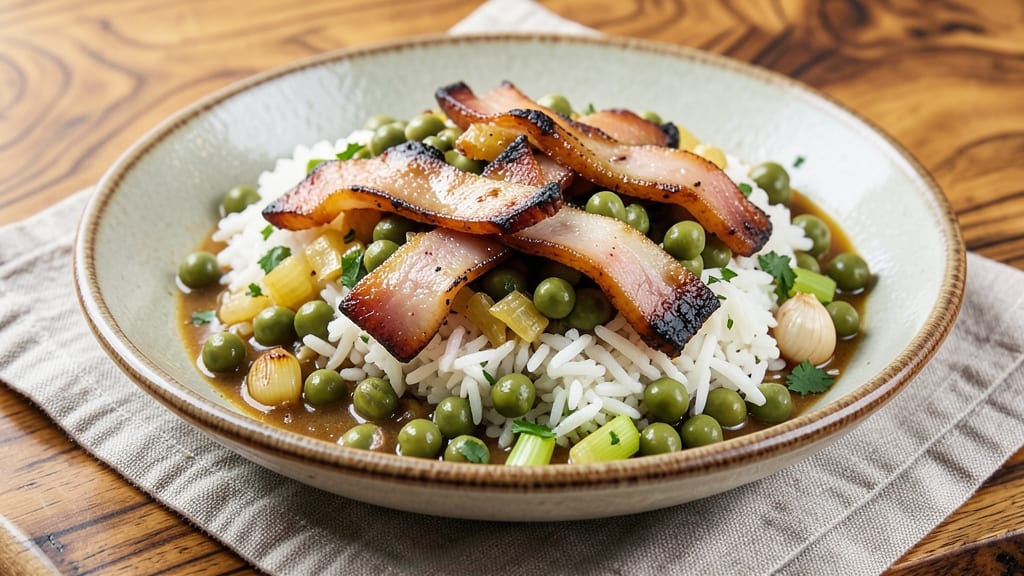
This Southern black eyed peas rice ham recipe transforms a simple one-pot meal into a tradition worth passing down. The rich, smoky flavors of ham, tender black-eyed peas, and perfectly cooked rice create a dish that feels like a warm embrace on New Year's Day or any Sunday supper.
The secret lies in soaking the peas overnight for maximum tenderness and using a foolproof method to cook the rice and ham together, allowing all the flavors to meld into a hearty, satisfying dish.
This isn't just a side—it's a celebration of Southern comfort food, where every bite carries the weight of tradition and love.
Ingredients for black eyed peas rice ham
Six ingredients transform into a Southern tradition—tender peas, fragrant rice, and smoky ham in one pot.
| Ingredient | Amount | Notes |
|---|---|---|
| Dried Black-Eyed Peas 🌱 | 1 ½ cups | Soaked overnight for maximum tenderness |
| Long-Grain White Rice 🍚 | 1 ½ cups | Uncooked, jasmine or basmati preferred |
| Smoked Ham Hock 🥓 | 1 whole | Or 8 oz smoked ham, diced |
| Yellow Onion 🧅 | 1 whole | Medium, diced into 1/4-inch pieces |
| Garlic Cloves 🧄 | 4 cloves | Fresh, minced for aromatic depth |
| Celery Stalks 🥬 | 2 whole | Diced, for classic 'holy trinity' base |
| Vegetable Bouillon Cube 💧 | 1 whole | Knorr or similar, for umami depth |
| Dried Thyme 🌿 | 1 tsp | Or 1 tbsp fresh, for earthy notes |
| Ground Black Pepper 🌶️ | 1 tsp | Freshly cracked for robust flavor |
| Bay Leaves 🍃 | 2 whole | Fresh preferred, for aromatic complexity |
| Apple Cider Vinegar 🍎 | 1 tbsp | For subtle tang and brightness |
| Salt 🧂 | 1 ½ tsp | Diamond Crystal preferred, adjust to taste |
| Water 💧 | 6 cups | Filtered preferred for neutral taste |
The black-eyed peas deserve the overnight soak—they're the heart of this dish, and proper hydration ensures they stay tender rather than mushy. For the ham, smoked hock adds unmatched depth, but diced Smithfield or HoneyBaked ham works beautifully too. If using dried peas, rinse them thoroughly after soaking to remove any grit. Fresh peas? Skip the soak and add them at the end for a quicker version. The rice should be long-grain—jasmine or basmati holds up best to the long cooking time, though white rice will work fine.
No smoked ham? Substitute with diced ham steak, but increase to 10 oz for comparable flavor. The bouillon cube is non-negotiable for that classic Southern broth base—Knorr or Lawry's are the gold standards, but any vegetable bouillon will do in a pinch. Fresh thyme is ideal, but if you're using dried, measure it by the teaspoon and toast it lightly in a dry pan for 30 seconds to wake up the flavor. For the vinegar, apple cider adds a subtle sweetness, but white vinegar works if that's what you have. The bay leaves? Fresh is worth the effort—they infuse the dish with a complexity that dried just can't match.
This dish tastes even better the next day as flavors meld—double the batch if you're feeding a crowd. Store leftovers in an airtight container in the fridge for up to 5 days, or freeze portions for 3 months. The rice will firm up slightly when reheated, so add a splash of water or broth when warming. For serving, a sprinkle of fresh parsley or a dollop of hot sauce adds a bright contrast to the rich, smoky flavors. Leftovers make fantastic sandwiches or rice bowls the next day—just heat through and top with pickles or a fried egg.
Why You'll Love This Recipe
- Here’s what sold me: a ham hock, a bag of dried peas, and a few pantry staples stretch to feed four (or five, if you’re like my kids). No fancy ingredients, no last-minute grocery runs—just a hearty, filling meal that won’t break the bank. Plus, the ham hock makes the whole thing taste like a celebration, even on a Tuesday.
- One-Pot Magic: I swear by this recipe because it’s literally dump-and-go after the initial chop. Soak the dried peas overnight (or use canned in a pinch), toss everything into a pot with the ham hock and onions, and let it simmer. That’s it—no fancy techniques, just pure, smoky, savory magic.
- Smoky Depth: The ham hock doesn’t just flavor this dish—it transforms it. That slow-cooked, salty-sweet essence seeps into the rice and peas until every bite tastes like a hug from a Southern grandma. Honestly, the garlic and onions caramelize into something so rich, you’ll want to lick the pot clean.
- Leftovers That Shine: Between us, this recipe begs for seconds—and then thirds. The flavors only get better after sitting overnight, so it’s my go-to for meal prep. Pack it for lunches, reheat it for dinner, or freeze portions. It’s the kind of dish that turns into a week’s worth of easy, satisfying meals without any extra effort.
Step-by-step instructions for black eyed peas, rice, and ham
This one-pot masterpiece delivers rich, smoky flavors with minimal effort—perfect for a comforting Sunday meal.
Prepare the Black-Eyed Peas and Ham
Begin by rinsing the 1.5 cups dried black-eyed peas under cold water in a colander to remove any debris. Soak them overnight in plenty of water if you haven't already—they'll triple in size, ensuring maximum tenderness. Drain and set aside.
Next, prepare the smoked ham hock by removing any excess fat or silver skin, but leave the meat intact. Place it in a large, heavy-bottomed pot—this will serve as your flavor anchor throughout cooking. The smoky aroma from the ham hock infuses the entire dish, creating that unmistakable Southern Sunday supper taste.
Sauté the Holy Trinity and Build the Base
In the same pot, add 1 whole yellow onion, 2 whole celery stalks, and 4 cloves garlic cloves, all diced into small, even pieces. Cook over medium heat with a splash of 6 cups water until the vegetables soften slightly—about 5 minutes. This classic "holy trinity" forms the aromatic foundation of the dish.
Stir in 1 whole vegetable bouillon cube, 1 tsp dried thyme, 1 tsp ground black pepper, 2 whole bay leaves, and 1 tbsp apple cider vinegar. Bring the mixture to a gentle simmer, allowing the spices to bloom and release their flavors. The vinegar adds a subtle brightness that cuts through the richness of the ham and peas.
Combine and Simmer the One-Pot Miracle
Add the drained black-eyed peas and 1.5 cups long-grain white rice to the pot, stirring gently to distribute everything evenly. Bring the liquid to a full boil, then reduce heat to low and cover tightly with a lid. Let it simmer for 45 minutes, stirring occasionally to prevent sticking.
After 45 minutes, check the liquid level—it should be absorbed but not completely dry. If needed, add ½ cup hot water to maintain moisture. The ham hock should be falling apart slightly at this point, releasing its collagen-rich juices into the pot. This is where the magic happens: the peas soften, the rice absorbs flavor, and the ham becomes tender.
Season and Rest for Perfect Texture
Remove the ham hock from the pot and shred the meat, discarding any bones. Return the shredded ham to the pot and stir in the remaining 1.5 tsp salt, adjusting to taste. Let the dish simmer uncovered for another 10 minutes to allow excess liquid to evaporate, ensuring the rice is fluffy and the peas are tender but not mushy.
The final texture should be creamy yet distinct—each component (peas, rice, ham) should be identifiable but melded into a harmonious whole. Remove from heat and let it rest, covered, for 5 minutes before serving. This resting period allows flavors to meld completely, making every bite richer and more satisfying.
Serve with Confidence
Garnish with extra black pepper and serve immediately, accompanied by crusty bread or cornbread to soak up the flavorful juices. The dish should have a deep, smoky aroma with a balance of savory, tangy, and slightly sweet notes. Each spoonful delivers a perfect harmony of textures—creamy peas, fluffy rice, and tender ham—making it the ultimate Sunday supper.
Pro Tips For Making Black Eyed Peas Rice Ham
- SOAK PEAS OVERNIGHT: Dried black-eyed peas need at least 8 hours in water to soften properly—skip this, and they’ll turn out tough no matter how long you simmer. I used to ignore this and just boil them, but the texture is noticeably better when they start pre-hydrated.
- CRUSH HAM HOCK FIRST: Break the ham hock into 2-3 large chunks before adding it to the pot—this speeds up flavor infusion and prevents the broth from turning murky. I learned this the hard way after slurping through a dish where the ham stayed too whole and underseasoned.
- SIMMER GENTLY AFTER BOIL: Once the peas and rice are cooking, reduce heat to a bare simmer (tiny bubbles, not rolling) or the rice will turn mushy and the peas will disintegrate. After burning my first batch, I now keep the heat low enough that I can barely see steam rising.
- USE COLD RICE FOR FLAVOR: Add the rice to the pot when the ham and onions are already tender—about 20 minutes into cooking. Cold rice absorbs the broth better than hot rice, so it comes out fluffier and more flavorful. (Yes, even if you’re impatient like me.)
Essential equipment for great black eyed peas rice ham
Heavy-Bottomed Pot
A 5-7 quart Dutch oven or enamel-coated cast iron pot is my go-to for this recipe. The heavy base distributes heat evenly, preventing hot spots that can burn your rice or scorch the ham.
I swear by my Lodge 5.5-quart Dutch oven—it’s affordable, durable, and handles the long simmer beautifully. If you don’t have one, a stainless steel stockpot with a tight-fitting lid works too, but monitor the heat closely to avoid sticking. 🔥
Wooden Spoon
Wood is non-reactive, so it won’t impart any metallic flavors into your dish. A long-handled wooden spoon (like the OXO Good Grips) is perfect for stirring the one-pot mixture without scratching the bottom.
I also like to use it to gently fold in the shredded ham at the end. Avoid metal spoons—they can react with the vinegar and bouillon, altering the flavor profile.
Colander for Soaking
A stainless steel colander with large holes is essential for rinsing and draining the black-eyed peas before soaking. I recommend a 16-inch diameter one to handle the volume comfortably.
If you’re soaking overnight, place the colander in a bowl to catch any overflow. Pro tip: Rinse the peas twice to remove all debris—this ensures a cleaner-tasting dish. ❄️
Measuring Cups and Spoons
Precision matters with this recipe, especially for the rice and spices. Use dry measuring cups (like Pyrex glass ones) for the peas and rice, and stainless steel measuring spoons for the thyme, pepper, and salt.
I keep my OXO stainless steel set handy—they’re durable and easy to read. For the bouillon cube, a small paring knife helps crack it open cleanly without crumbling.
Tongs for Ham Handling
When removing the ham hock after cooking, kitchen tongs (like Mercer Culinary’s 12-inch pair) make it easier to grip and lift without burning your hands. They’re also useful for shredding the meat—just pull the meat off the bone in strips.
If you don’t have tongs, a fork and knife work in a pinch, but tongs are far more efficient. 💪
Lid with Handle
A tight-fitting lid is non-negotiable for trapping steam and cooking the rice evenly. My Lodge cast iron lid has a sturdy handle and fits perfectly on my Dutch oven.
If your pot doesn’t have a lid with a handle, use a separate oven-safe lid and place a towel underneath to prevent rattling. Avoid glass lids—they can crack under high heat. The lid should sit snugly to lock in moisture and flavors.
Nutrition facts
Frequently asked questions
Why do I need to soak black-eyed peas overnight?
Soaking overnight is the secret to perfectly tender peas! Dried peas absorb water and soften significantly, reducing cooking time and preventing that unpleasant mushy texture. If you forget, you can soak them for at least 4 hours or use canned peas (drained and rinsed) for a quicker version.
Can I substitute canned black-eyed peas instead of dried?
Use 2 (15 oz) cans of black-eyed peas, drained and rinsed thoroughly. Add them to the pot with the rice and ham after the vegetables have softened. They'll cook through in the same 45-minute simmer time, but you'll save 8+ hours of prep time.
What if my rice turns out mushy?
Mushy rice usually means too much liquid or insufficient heat. For next time, use long-grain white rice (jasmine or basmati) and reduce the water to 5 cups instead of 6. Also, stir the pot once every 15 minutes to prevent sticking. If it happens, spread the rice on a baking sheet and bake at 300°F for 15 minutes to dry it out.
How can I make this dish vegetarian?
Replace the ham hock with 1 smoked tofu block (pressed and cubed) or ½ lb mushrooms (cremini or shiitake) for umami depth. Add 1 tsp liquid smoke or ½ tsp smoked paprika to mimic the ham's flavor. Use vegetable bouillon and consider adding 1 tbsp soy sauce for extra savoriness. The dish will still be hearty and satisfying!
Why is this called "Hoppin' John"?
The name comes from the African American tradition of "hoppin'" (jumping) on New Year's Day for good luck—this dish was a staple for that celebration. The combination of peas (symbolizing coins), rice (money), and ham (prosperity) was believed to bring wealth and fortune in the coming year. It remains a beloved Southern New Year's tradition!