
Main Courses
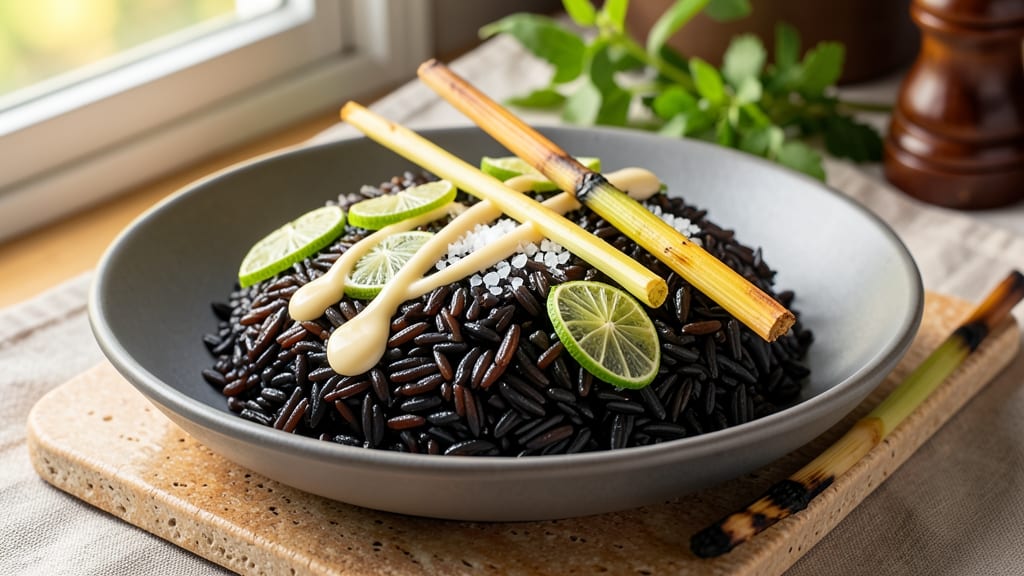
This black jasmine rice recipe transforms ordinary meals into fragrant, nutty masterpieces with just a few simple steps. The deep purple grains release an intoxicating floral aroma as they cook, creating a dish that's as visually stunning as it is delicious.
I've perfected this method to ensure every grain remains tender yet distinct, with that signature floral depth that sets it apart from regular rice.
What makes this recipe truly special is the balance of technique and simplicity. A quick soak before cooking prevents the grains from sticking together, while the right water-to-rice ratio guarantees perfectly fluffy results every time.
The secret lies in patience—letting the rice steam undisturbed for the final minutes develops that signature floral aroma that makes black jasmine rice so irresistible.
By the end, you'll have a pot of fragrant, nutty rice with grains that stay separate yet tender, ready to elevate any dish.
The deep purple color and floral scent make it perfect as a side for stir-fries, a base for rice bowls, or even a unique dessert component when paired with tropical fruits. This recipe delivers restaurant-quality results with minimal effort.
The best part? This method works for both beginners and experienced cooks, with optional flavor enhancements like coconut milk or herbs for those who want to experiment. Let's get started on creating rice that will impress everyone at the table.
Ingredients for black jasmine rice
Simple ingredients that unlock black jasmine rice's signature floral aroma and nutty depth.
| Ingredient | Amount | Notes |
|---|---|---|
| Black Jasmine Rice 🌾 | 1 cup | Uncooked, unrinsed grains |
| Water 💧 | 1 ½ cups | Filtered preferred for clarity |
| Salt 🧂 | ½ tsp | Diamond Crystal preferred |
| Fresh Lemongrass 🌿 | 1 whole | Lower stalk only, bruised |
| Kaffir Lime Leaves 🍃 | 2 pieces | Thinly sliced, stems removed |
| Coconut Milk 🥥 | ¼ cup | Full-fat for creaminess |
| Fresh Turmeric 🧄 | ½ tsp | Freshly grated, vibrant color |
| White Wine Vinegar 🍶 | 1 tbsp | For brightness, optional |
| Coconut Oil 🫒 | 1 tbsp | For pot coating |
| Fresh Cilantro 🌿 | ¼ cup | Chopped, for garnish |
The rice itself is the star, so grab black jasmine rice from an Asian market—the grains should be deep purple and firm to the touch. Thai Kitchen or Lotus Foods are reliable brands. Fresh lemongrass and kaffir lime leaves make all the difference, but if you can't find them, dried lemongrass powder at one-third the amount works in a pinch. The coconut milk adds richness, so full-fat is worth the splurge—it keeps the rice luxuriously tender. Turmeric isn't just for color; it enhances that floral aroma we're chasing.
No lemongrass? Lime zest plus a pinch of ginger mimics the citrusy depth. Kaffir lime leaves unavailable? Bay leaves at half the quantity add aromatic complexity. The white wine vinegar is optional but brightens the dish—substitute with rice vinegar or lime juice if needed. For a dairy-free version, skip the coconut milk entirely and use extra water instead. The rice-to-water ratio is critical: 1.5 cups water per 1 cup rice ensures perfect texture every time.
Store uncooked rice in an airtight container in a cool, dark place for up to 6 months. Once cooked, it keeps for 3-4 days in the fridge—reheat gently with a splash of water to restore moisture. Freeze cooked portions for up to 3 months by spreading grains on a tray first to prevent clumping. For extra flavor, add the coconut milk and herbs during reheating. Garnish with fresh cilantro right before serving to preserve its vibrant color.
Why You'll Love This Recipe
- No Fuss, Big Payoff: I swear by this method—just rice, water, a pinch of salt, and those fragrant stalks of lemongrass tied together like a little bouquet. It’s the kind of recipe where you measure, simmer, and walk away while the rice does all the work. (Yes, even on a Tuesday night.)
- Earthy, Citrusy Magic: That deep, nutty aroma from the black rice? It’s like a hug in a bowl. The lemongrass and kaffir lime leaves infuse the water with this bright, herbal punch—no heavy cream, no fancy sauces, just pure, vibrant flavor that sticks with you.
- Meal Prep MVP: This rice keeps for days in the fridge, making it my go-to for lunches or quick dinners. Toss it with grilled chicken, stir-fry veggies, or even use it as a bed for takeout leftovers—it elevates everything. (Honestly, I’ve eaten it cold straight from the fridge and still craved more.)
- Budget-Friendly Luxury: Black jasmine rice costs more upfront, but a single batch stretches across multiple meals without losing its charm. The lemongrass and lime leaves? You’ll use them in other dishes too, so it’s not just rice—it’s a flavor investment that pays off. Plus, no fancy equipment needed. Just a pot and patience.
Step-by-step instructions for perfectly fragrant black jasmine rice
Transform simple grains into aromatic, nutty perfection with this precise method.
Prepare the Aromatic Base
Heat the 1 tablespoon coconut oil in a medium saucepan over medium heat until shimmering but not smoking. Add the 1 whole fresh lemongrass (bruised stalk only) and 2 pieces kaffir lime leaves (thinly sliced). Cook for 1-2 minutes until the lemongrass releases its citrusy aroma and the lime leaves begin to crisp slightly at the edges.
Add the 0.5 teaspoon fresh turmeric and 0.5 teaspoon salt to the pan, stirring constantly for 30 seconds until the turmeric develops its vibrant golden color. This aromatic base forms the flavor foundation for your rice. If using, add the 1 tablespoon white wine vinegar now and stir for another 10 seconds—this brightens the final dish with subtle acidity.
Toast the Rice for Nutty Depth
Add the 1 cup black jasmine rice to the saucepan and stir to coat evenly in the aromatic oil and spices. Toast the rice for 2-3 minutes, stirring frequently, until the grains become translucent at the edges and you can smell the nutty aroma developing. This step is crucial—it prevents mushy rice and builds complex flavor.
Watch the rice carefully—it should turn slightly opaque but not brown. If it begins to darken too quickly, reduce the heat to medium-low. The goal is to develop flavor without burning the rice. Once properly toasted, the rice will have a delicate golden tint and a toasty aroma that signals it's ready for the next step.
Add Liquid and Simmer Gently
Pour in the 1.5 cups water and 0.25 cup coconut milk all at once, stirring gently to combine. Bring the mixture to a boil over high heat, then immediately reduce to low heat. Cover the saucepan tightly with a lid and maintain a gentle simmer for 15 minutes without disturbing it.
This low-and-slow cooking method allows the rice to absorb liquid evenly while developing its signature floral aroma. Avoid lifting the lid during this time—steam escape causes uneven cooking. After 15 minutes, check the rice: it should be tender but still slightly firm to the bite, with a thin layer of liquid remaining at the bottom of the pan.
Rest and Finish with Fresh Herbs
Remove the saucepan from heat and let it sit covered for 10 minutes. During this resting period, the residual steam finishes cooking the rice and redistributes moisture throughout each grain. This step is essential—it prevents dry rice and ensures each bite is perfectly tender.
After resting, gently fluff the rice with a fork to separate the grains. Remove and discard the lemongrass stalk and kaffir lime leaves. Stir in the 0.25 cup chopped fresh cilantro, reserving a few sprigs for garnish. The cilantro adds a bright, herbaceous finish that cuts through the rice's rich, nutty flavors. Serve immediately while still warm, garnished with the reserved cilantro sprigs.
Pro Tips For Making Black Jasmine Rice
- TOAST THE RICE FIRST: Black jasmine rice has a stubborn outer layer that can stay chewy if you skip this. Dry-toast the uncooked rice in a pot over medium heat for 2-3 minutes—just until it smells nutty and the edges turn slightly translucent. This isn’t about browning; it’s about waking up the starches so they absorb the lemongrass and lime flavors properly. (Yes, even if you’re impatient like me.)
- BLEND THE AROMS: Don’t just toss in whole lemongrass stalks and lime leaves like they’re garnish. Lightly bruise the lemongrass by smacking it against your cutting board, then slice it into 1-inch pieces. Tear the kaffir lime leaves in half and crush them with your palm to release their oils. The more surface area, the more flavor seeps into the rice—this isn’t a subtle dish, so don’t hold back.
- USE THE RIGHT WATER RATIO: Black jasmine rice needs a 1:1.25 rice-to-water ratio, but don’t eyeball it. Measure the rice first, then add water—this rice expands less than white rice, so too much water leaves you with mushy grains. After boiling, reduce heat to low and let it steam uncovered for 10 minutes. The lid can trap too much moisture, and you want those grains to dry out just enough to separate.
- SALT THE WATER LAST: I used to add salt with the water, and the rice always tasted flat. Instead, wait until the water’s boiling, then stir in the salt and let it dissolve for 30 seconds. This ensures even distribution—no salty pockets, no bland grains. The rice will absorb the flavor better this way, and the lemongrass and lime will shine without competing. (Your future self will notice the difference.)
Regional styles of this recipe
Thai-Inspired Fragrant Rice
This is the classic approach I learned from my Thai neighbor—black jasmine rice cooked with lemongrass and kaffir lime leaves creates that signature floral aroma.
The key is using fresh ingredients: bruise the lemongrass stalk before adding it to release its essential oils, and tear the kaffir lime leaves into large pieces so they infuse flavor without overpowering.
I always toast the rice first—this step develops nutty depth that separates this dish from regular jasmine rice. 🌿
For an extra layer of complexity, add ½ teaspoon of shrimp paste (kapi) when toasting the rice. This umami-rich ingredient is traditional in Thai cooking and adds a subtle savory note that pairs beautifully with the floral fragrance.
If you're avoiding seafood, substitute with ½ teaspoon of soy sauce instead. The rice-to-water ratio is crucial here—stick to 1.5 cups water per 1 cup rice for perfect texture every time.
Vietnamese Coconut-Infused Version
In Vietnam, black jasmine rice is often cooked with coconut milk for a richer, creamier texture. For this variation, increase the coconut milk to ½ cup and reduce water to 1 cup—this creates a slightly stickier rice that's perfect for pho or banh mi bowls.
I like to add 1-inch piece of ginger, sliced, along with the lemongrass for a warming spice note. The ginger should be removed before serving but left in during cooking to infuse flavor. 🥥
For an authentic touch, finish the rice with a sprinkle of toasted sesame seeds and a drizzle of fish sauce (just ½ teaspoon). This combination adds depth that balances the rice's natural sweetness.
Vietnamese cooks often serve this version as a side for grilled meats or in banh mi sandwiches, where the rice soaks up all the juices beautifully.
Filipino Sweet Adaptation
In the Philippines, black jasmine rice is sometimes sweetened with coconut milk and served as a dessert or breakfast dish. For this version, use ½ cup coconut milk and ¼ cup sugar, adding both when you pour in the liquid.
I also include 1 cinnamon stick and 2 cloves for warmth—remove these before serving. The result is a fragrant, slightly sweet rice that pairs perfectly with latik (coconut caramel) or turon (banana lumpia). 🍯
For a modern twist, stir in ½ cup raisins during the final resting period. The raisins plump up beautifully and add chewy texture that contrasts with the tender rice.
This sweet version works as a breakfast dish with fried egg and crispy bacon, or as a dessert with mango slices and toasted coconut flakes.
Japanese-Inspired Umami Version
Japanese chefs often incorporate black jasmine rice into bento boxes and rice bowls with umami-rich ingredients. For this adaptation, replace the lemongrass with 1 teaspoon of grated fresh ginger and add 1 tablespoon of soy sauce when toasting the rice.
After cooking, mix in 1 tablespoon of furikake seasoning (available at Asian markets) for a nutty, seaweed-infused finish. The result is a savory rice that pairs perfectly with grilled fish or miso soup. 🍶
For extra depth, add ½ teaspoon of dashi powder (instant dashi granules) when toasting the rice. This umami bomb enhances the rice's natural flavors without overpowering them. Japanese cooks often serve this version with pickled vegetables and teriyaki-glazed meats for a complete, balanced meal.
Nutrition facts
Frequently asked questions
Why does black jasmine rice turn purple when cooked?
The deep purple color comes from anthocyanins—natural pigments that react to heat and cooking liquids. These antioxidants give the rice its stunning visual appeal and contribute to its slightly nutty, earthy flavor profile. The color deepens as the rice cooks, creating that signature look that makes it perfect for plating.
Can I substitute regular jasmine rice in this recipe?
While you can use regular jasmine rice, you'll miss the unique floral aroma and nutty depth that makes black jasmine special. For a similar texture but different flavor, try black forbidden rice (the same variety) from Asian markets. If you must use white jasmine, add ½ teaspoon turmeric and 1 tablespoon coconut milk to mimic some of the flavor complexity.
How do I prevent my black jasmine rice from sticking together?
Proper toasting and the right water-to-rice ratio are key. Toast the rice for 2-3 minutes before adding liquid to develop a protective crust on each grain. Use 1.5 cups water per 1 cup rice and avoid stirring during cooking. The 10-minute resting period after cooking also helps steam redistribute moisture evenly. If it still sticks, fluff gently with a fork and add 1 teaspoon coconut oil while warm.
What are the best dishes to serve with this fragrant rice?
This rice shines as a base for stir-fries, rice bowls, or as a side for grilled meats and fish. Try pairing it with Thai green curry, Vietnamese pho, or Filipino adobo chicken. For vegetarian options, serve with coconut-based curries or tofu stir-fries. The floral notes complement spicy, savory, and even slightly sweet dishes beautifully.
Can I make black jasmine rice in a rice cooker?
Yes! Use the same 1:1.5 rice-to-water ratio and add the aromatics (lemongrass, lime leaves) directly to the pot. Toast the rice in the rice cooker's sauté function first, then add liquids. After cooking, let it rest 10 minutes before fluffing. For extra flavor, add the coconut milk and herbs during the resting period. Many rice cookers have a "fragrant rice" setting that works perfectly for this recipe.