
Main Courses
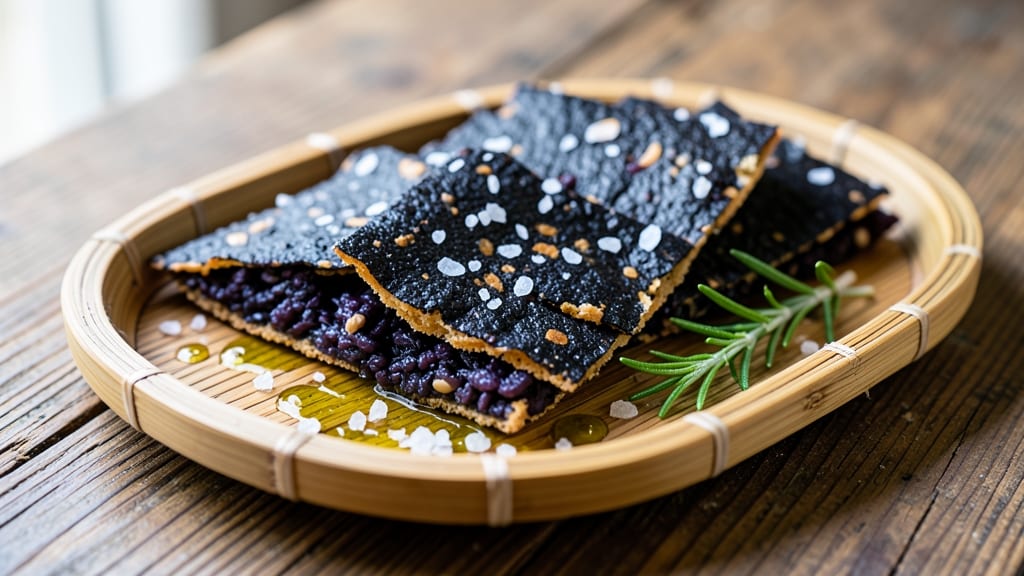
This black rice crackers recipe transforms nutrient-rich black rice into crispy, fermented bites with South Indian flair. Fermentation unlocks natural probiotics, while the baking process creates a satisfying crunch that pairs perfectly with curries or yogurt dips.
The deep purple hue isn't just striking—it's packed with antioxidants, making these crackers both delicious and health-forward.
What sets these apart is the fermentation step, which develops complex flavors over 12-24 hours. The dough rests until tangy and slightly effervescent, ensuring each cracker delivers both texture and depth.
Whether you prefer them lightly salted, herb-infused, or sweetened with a glaze, the base recipe remains versatile enough for any palate while staying true to traditional Asian rice cracker techniques.
Ingredients for black rice crackers
Fermented black rice crackers blend ancient tradition with modern nutrition for a crispy, antioxidant-rich snack.
| Ingredient | Amount | Notes |
|---|---|---|
| Black Rice 🌾 | 1 ½ cups | Uncooked, rinsed thoroughly |
| Water 💧 | 1 ½ cups | Room temperature preferred |
| Active Dry Yeast 🍞 | ½ tsp | Or 1 packet instant yeast |
| Sugar 🍯 | 1 tbsp | White or coconut sugar |
| Salt 🧂 | ½ tsp | Fine sea salt preferred |
| Olive Oil 🫒 | 1 tbsp | Extra-virgin for flavor |
| Cumin Seeds 🌿 | ½ tsp | Toasted for aroma |
| Black Salt (Kala Namak) 🧂 | ¼ tsp | Optional for sulfuric tang |
| Fresh Fenugreek Leaves 🌿 | ¼ cup | Chopped, optional for flavor |
| Asafoetida Powder 🌶️ | ¼ tsp | Hing powder, optional |
| Tapioca Starch 🌾 | ¼ cup | For crispiness |
| Cornstarch 🌾 | ¼ cup | Alternative for crisp texture |
The black rice is the heart of this recipe—opt for organic black rice from Whole Foods or Sprouts for maximum anthocyanins. Rinse it thoroughly to remove excess starch, which prevents grittiness. If you can't find black rice, purple rice works as a backup, though the color will be less vibrant. The active dry yeast should be fresh (test by dropping in warm water—it should foam within 10 minutes). For the cumin seeds, toast them lightly in a dry pan until fragrant before grinding—this deepens their aroma significantly. Asafoetida powder, or hing, is key for that authentic South Indian flavor; find it in the international aisle at Indian grocery stores or online.
No black salt (kala namak)? Substitute with a pinch of garlic powder for a milder sulfuric note. Fresh fenugreek leaves can be swapped for 1 tsp dried fenugreek seeds, but toast them first. The tapioca starch is non-negotiable for crispiness—it acts as a binder and creates that satisfying crunch. If you're missing it, cornstarch works 1:1**, though the texture may be slightly less delicate. For the olive oil, stick with extra-virgin; cheaper varieties can leave a bitter aftertaste. The sugar is purely for yeast activation—you can use coconut sugar for a less processed option, though white sugar dissolves faster.
The fermented dough keeps in an airtight container in the fridge for 3-4 days, developing deeper flavor with time. For best results, roll and cut the crackers within 24 hours of fermentation. Baked crackers store in a sealed container at room temperature for 1 week or freeze for 3 months. To revive stale crackers, sprinkle with water and reheat at 350°F for 2-3 minutes—they’ll crisp right up. Portion into single-serving bags for easy snacking, or package as gifts; their striking purple hue makes them a standout.
Why You'll Love This Recipe
- I’ll be real: black rice isn’t always cheap, but a little goes a long way here. You’re not using much of it, and the rest of the ingredients—yeast, sugar, salt—are basics you already have. For the cost of one fancy snack pack, I get a batch that feeds my whole family for days. That’s a steal.
- Five-Ingredient Magic: I swear, this recipe is one of those rare wins where you mix flour, yeast, and a handful of pantry staples—no fancy techniques—and end up with something that actually tastes homemade. The black rice adds that deep, nutty richness without extra effort, and the yeast does all the rising work while you sip your coffee.
- Crunchy Yet Subtle: Honestly, the flavor profile here is what blew me away—it’s not overpowering, but it’s there. The slight sweetness from the sugar balances the earthy black rice, and that first crisp bite? Pure satisfaction. It’s the kind of snack that makes you want to make a second batch before the first even cools.
- Snack Attack Ready: Between us, these crackers are my go-to for lunchboxes, movie nights, or when I’m craving something crunchy but don’t want to deal with store-bought junk. They keep for days in an airtight container, so I can toss a few in my bag for work or pack them for the kids’ school snacks—zero guilt, all flavor.
Step-by-step instructions for fermented black rice crackers
Transform simple ingredients into crisp, aromatic crackers through precise fermentation and baking.
Prepare and Ferment the Black Rice Batter
Begin by rinsing the 1.5 cups black rice thoroughly under cold water until the water runs clear. This removes excess starch that could make your crackers gummy. Soak the rinsed rice in 1.5 cups water for 8 hours or overnight at room temperature. The rice should absorb all the water and become tender.
Drain any excess water, then transfer the soaked rice to a mixing bowl. Add the 0.5 tsp active dry yeast, 1 tbsp sugar, 0.5 tsp salt, and 1 tbsp olive oil. Using a hand mixer or stand mixer, blend until completely smooth—this ensures even fermentation. The batter should be thick but pourable, like pancake batter.
Cover the bowl with a clean kitchen towel and let it ferment at room temperature for 8-12 hours. You'll know fermentation is complete when the batter rises noticeably and develops a slightly tangy aroma. Avoid placing it in a warm environment, as this can cause over-fermentation and bitter flavors.
Incorporate Aromatics and Starches
Once fermentation is complete, stir in the 0.5 tsp toasted cumin seeds, 0.25 tsp black salt (kala namak), 0.25 cup chopped fresh fenugreek leaves, and 0.25 tsp asafoetida powder. These ingredients will infuse your crackers with their signature South Indian flavor profile. Mix gently to avoid deflating the batter.
In a separate bowl, whisk together the 0.25 cup tapioca starch and 0.25 cup cornstarch. Gradually fold this starch mixture into the batter until fully incorporated. The starches will create the crisp texture characteristic of these crackers. The final batter should be smooth, elastic, and hold its shape when dropped.
Real talk: if the batter feels too sticky, add 1-2 tablespoons water to adjust consistency. Too thin? Add 1 tablespoon more starch to prevent spreading during baking.
Roll and Cut the Cracker Dough
Preheat your oven to 350°F and line two baking sheets with parchment paper. Transfer the batter to a clean work surface and knead lightly for 2-3 minutes until it becomes slightly less sticky. Divide the dough into 4 equal portions—this makes handling easier.
Working with one portion at a time, roll the dough out to ⅛-inch thickness using a rolling pin. For even thickness, use a pasta machine or rolling pin with guides. Cut the rolled dough into 1-inch squares using a sharp knife or pizza cutter. Transfer the cut crackers to the prepared baking sheets, leaving ½-inch space between each piece.
Here's the thing—don't press down on the dough when cutting. The natural tension from rolling should hold the shapes together. If pieces stick together, gently separate them with your fingers before baking.
Bake to Crisp Perfection
Bake the crackers for 12-15 minutes until the edges turn golden brown and the centers look dry to the touch. Rotate the baking sheets halfway through for even cooking. The crackers should be crisp but not burnt—watch them closely during the last 2 minutes of baking.
Remove from the oven and let cool completely on the baking sheets for 10 minutes. This prevents steam from making them soggy. Once fully cooled, transfer to an airtight container. They'll crisp up further as they cool, developing that satisfying snap.
For maximum freshness, store in an airtight container at room temperature for up to 5 days. If you notice any softness after 2 days, revive them by placing in a 350°F oven for 3-5 minutes until crisp again.
Pro Tips For Making Black Rice Crackers
- Soak the Rice Overnight: I learned this the hard way—skipping the soak means your dough will be tougher than a boot. Black rice needs 8–12 hours in water to soften properly; the longer, the better. Drain and rinse it thoroughly afterward, or your crackers will taste like wet cardboard.
- Use Warm Water for Yeast: Yeast hates extremes, and cold water kills it before it wakes up. Mix your yeast with warm water (around 105–110°F—just warm to the touch) and let it sit for 5 minutes until foamy. If it doesn’t bubble, your crackers will taste flat, no matter how long you let the dough rise.
- Roll Dough Thin and Even: Uneven thickness = some crackers crispy, some doughy. Roll your dough to about 1/16-inch thickness, and use a ruler to check. Press down firmly—black rice dough resists like a stubborn toddler. Skip the "feel it with your fingers" guesswork; precision here guarantees consistent texture.
- Bake in Batches at 325°F: Crowding the tray turns your crackers into sad, greasy blobs. Bake them in a single layer on the middle rack, and resist the urge to peek. At 325°F, they’ll need 15–20 minutes—until they’re golden and sound hollow when tapped. Too hot? They’ll burn before they crisp.
Creative variations of this black rice crackers
South Indian Style
Embrace the bold flavors of South India by adding 1 tsp mustard seeds and ½ tsp curry leaves to the batter during the fermentation stage. Toast these spices lightly in 1 tbsp ghee until fragrant, then let cool before mixing into the batter.
For extra authenticity, sprinkle ½ tsp chaat masala over the crackers right after baking—it adds a tangy, spicy kick that pairs perfectly with yogurt dips. 🌶️
Sweet Glazed Option
Transform these crackers into a dessert by brushing the baked pieces with a glaze made from ½ cup powdered sugar and 1 tbsp milk. For a tropical twist, add ½ tsp vanilla extract and a pinch of ground cardamom.
Let the glaze set for 10 minutes before serving. These sweet crackers make a stunning presentation for holiday parties or afternoon tea. 🍯
Herb-Infused Variations
Swap the fenugreek for ¼ cup chopped fresh cilantro or mint leaves for a Middle Eastern-inspired flavor. Add ½ tsp ground coriander and ¼ tsp smoked paprika to the batter for warmth.
For a Mediterranean touch, mix in 1 tsp dried oregano and ½ tsp garlic powder before baking. Each herb brings a unique aroma that elevates the crackers' complexity. 🌿
Spicy Kick
For heat lovers, blend 1 tsp red chili powder and ½ tsp cayenne pepper into the batter during the starch incorporation step. Top each cracker with crushed dried chilies or a sprinkle of flaky sea salt after baking.
Serve with a cooling mint chutney to balance the spice. This variation is a crowd-pleaser at spicy food gatherings. 🔥
Savory Nutty Twist
Add ¼ cup toasted almond or cashew flour to the batter for a nutty crunch. For extra texture, sprinkle 2 tbsp chopped toasted nuts (like pistachios or peanuts) on the baking sheets before placing the crackers.
These nutty crackers pair beautifully with spiced teas or as a crunchy topping for salads. 🌰
Kids-Friendly Shapes
Use cookie cutters to create fun shapes like stars, hearts, or dinosaurs for kids. Roll the dough to ⅛-inch thickness and press cutters firmly to avoid tearing.
Bake as directed, then let kids decorate with edible glitter or sprinkles after cooling. These playful crackers make snack time exciting for little ones. 💫
Nutrition facts
Frequently asked questions
Why does my black rice cracker batter look too runny?
If your batter feels too thin, gradually add 1 tablespoon of tapioca starch or cornstarch at a time while mixing. The starches act as binders to create the proper texture. Avoid overmixing once added—just fold until fully incorporated. For extra insurance, let the batter rest for 10 minutes before rolling to thicken naturally.
Can I make these crackers without yeast?
Yes! Replace the yeast with 1 tbsp baking powder and ½ tsp baking soda for a quick-rise version. Skip the fermentation step and proceed directly to rolling. The crackers will be slightly less tangy but still crispy. For extra flavor, add 1 tsp apple cider vinegar to the batter to mimic fermentation's acidity.
How do I prevent my crackers from sticking together?
Always roll the dough to ⅛-inch thickness and cut with a sharp knife or pizza cutter. Place crackers on parchment-lined baking sheets with ½-inch spacing. For extra protection, lightly dust the rolling pin and work surface with tapioca starch before rolling. Avoid pressing down when cutting—let the natural tension hold the shapes.
What's the best way to store these crackers long-term?
For maximum freshness, store in an airtight container at room temperature for up to 5 days. To extend shelf life, freeze baked crackers in a single layer on a tray for 1 hour, then transfer to a freezer bag for 3 months. Thaw at room temperature for 1 hour or revive by warming at 350°F for 3-5 minutes.
Can I use brown rice instead of black rice?
Brown rice will work, but the crackers will lack the deep purple color and antioxidant benefits of black rice. For best results, stick with black rice. If you must substitute, use purple rice for a milder color change, though the texture may be slightly less crisp. The fermentation process will still work the same way.