
Main Courses
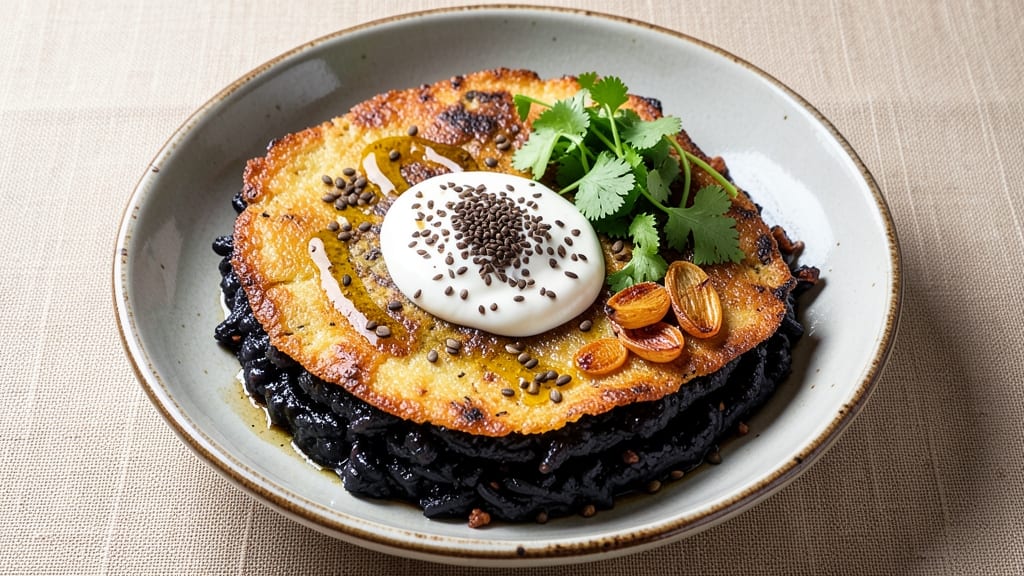
This black rice dosa recipe transforms ordinary breakfast into a vibrant, nutty experience with its distinctive purple swirls and crispy edges. The secret lies in fermenting black rice and urad dal together, creating a batter that develops complex flavors while maintaining a perfect balance of crispness and softness.
After years of perfecting this technique, I've found the ideal ratio of ingredients and fermentation time to achieve restaurant-quality results at home.
What makes these dosas truly special is the contrast between the crispy exterior and tender interior, all while showcasing the earthy, slightly sweet flavor of black rice. The fermentation process not only enhances digestibility but also creates that signature tangy aroma that fills your kitchen.
Once you try these, you'll never go back to traditional white rice dosas again—they're a game-changer for any breakfast or brunch menu.
Ingredients for black rice dosa
Purple swirls and crispy edges start with these fermented ingredients—simple but game-changing.
| Ingredient | Amount | Notes |
|---|---|---|
| Black Rice 🌾 | 1 cup | Uncooked, rinsed thoroughly |
| Urad Dal (Black Gram) 🌱 | ½ cup | Split, rinsed well |
| White Rice 🍚 | ½ cup | Uncooked, long-grain preferred |
| Fresh Curds (Vegan Yogurt) 🥛 | ¼ cup | Unsweetened coconut yogurt |
| Asafoetida (Hing) 🌿 | ⅛ tsp | Pinch for aroma |
| Cumin Seeds 🌶️ | ½ tsp | Toasted lightly |
| Fenugreek Seeds 🌱 | ¼ tsp | Toasted lightly |
| Salt 🧂 | ¾ tsp | Adjust to taste |
| Water 💧 | 1 ½ cups | Filtered preferred |
| Coconut Oil 🥥 | ¼ cup | For crisping dosas |
| Fresh Cilantro Leaves 🌿 | ¼ cup | Chopped for garnish |
| Lemon Wedges 🍋 | 2 whole | For serving |
| Mango Powder (Optional) 🍈 | 1 tbsp | For extra tanginess |
The black rice is the star—look for organic black rice at Whole Foods or Indian grocery stores for that deep purple color and nutty flavor. Urad dal should be split and rinsed well to remove any impurities, which can ruin fermentation. I always buy my rice and dal from Patel Brothers or Bhaskars for the freshest quality. The white rice here acts as a binder, so don’t skip it—it keeps the dosas tender. If you can’t find black rice locally, Amazon delivers it quickly, and it keeps well in the pantry for months.
No vegan yogurt? Coconut yogurt from So Delicious works perfectly—just make sure it’s unsweetened. Running low on hing? Substitute with a pinch of garlic powder, though it won’t be the same. For extra tang, the mango powder (amchur) is non-negotiable—it’s what gives those restaurant dosas their signature kick. Trader Joe’s carries it in the international aisle, or check Spicewalla online. The cilantro should be bright green and fresh—no wilted stems. And if you’re short on time, pre-soaked rice and dal (4-6 hours) still works, though overnight fermentation is ideal.
Ferment the batter overnight in a warm spot—2-3 hours in a 90°F oven with the light on speeds it up if you’re in a rush. The batter will smell tangy and slightly sweet, like a cross between yogurt and popcorn. Use within 12 hours for best texture. Leftover batter? Freeze it in ice cube trays for up to 3 months. The coconut oil for cooking should be heated to 350°F—just enough to sizzle but not smoke. Garnish with cilantro and serve with those lemon wedges—trust me on the extra squeeze.
Why You'll Love This Recipe
- I swear by this trick: just blend the soaked urad dal and black rice with vegan yogurt and a pinch of hing—no extra grinding, no waiting hours. The batter’s ready in 10 minutes, and honestly? That’s all it takes for crispy, golden edges every time.
- No Soak, No Stress: I swear by this trick: just blend the soaked urad dal and black rice with vegan yogurt and a pinch of hing—no extra grinding, no waiting hours. The batter’s ready in 10 minutes, and honestly? That’s all it takes for crispy, golden edges every time.
- Deep Umami Magic: Between the nutty black rice and fermented urad dal, this dosa has a richness that’s next level. The hing? Tiny but mighty—it cuts through the earthiness like a secret weapon. (Yes, even my picky dad asks for seconds.)
- Leftover Hero: These dosas reheat like a dream—just a quick pan-fry or microwave, and they’re fresh again. I make a double batch on Sundays and freeze half; by Friday, I’m the hero who saved dinner.
Step-by-step instructions for black rice dosa: nutty purple swirls
Here's how to transform vibrant black rice into crispy, fermented dosas with a perfect nutty flavor.
Soak and Grind the Rice and Dal Mixture
Combine the 1 cup black rice and 0.5 cup urad dal (black gram) in a large bowl. Rinse thoroughly under cold water to remove any impurities, then drain. Add 1.5 cups water and let the mixture soak for at least 6 hours—overnight works best. The rice should absorb the water and become soft and pliable.
After soaking, drain the mixture and transfer it to a wet grinder or food processor. Add 0.5 cup white rice (this helps lighten the texture) and grind into a smooth, thin batter. The consistency should be like single cream—smooth but still pourable. If it's too thick, add 1-2 tablespoons water at a time until you reach the right texture. This batter is the foundation of your dosas, so take your time to get it just right.
Ferment the Batter Overnight
Transfer the ground batter to a clean, wide-mouthed container. Add 0.25 cup fresh curds (vegan yogurt), 0.75 tsp salt, 0.5 tsp toasted cumin seeds, 0.25 tsp toasted fenugreek seeds, and 0.125 tsp asafoetida (hing). Mix everything thoroughly until the spices are evenly distributed. If using, sprinkle in the 1 tbsp mango powder for a tangy twist.
Cover the container with a clean cloth or plastic wrap and let it ferment at room temperature for 12-14 hours. The ideal fermentation temperature is around 75-80°F—this helps develop the tangy flavor and crispy texture. You'll know it's ready when the batter rises slightly and develops a pleasant, slightly sour aroma. Don't skip this step; fermentation is what gives dosas their signature crispness and flavor. If your kitchen is too cold, place the container near a warm spot like the oven with the light on.
Prepare the Dosa Batter for Cooking
Once fermented, the batter should be bubbly and have a mild tang. If it's too thick, thin it with a little water until it's smooth and spreadable. The batter should coat the back of a spoon but still be pourable. This is the consistency you want—thick enough to hold its shape when poured, but thin enough to spread evenly on the dosa plate.
Let the batter rest for 10-15 minutes at room temperature before cooking. This resting period ensures the batter is at the perfect consistency for spreading. Preheat your dosa pan or non-stick skillet over medium-high heat and add 1 tablespoon coconut oil. The oil should shimmer but not smoke—this is the ideal temperature for crisping the dosas. Keep the remaining coconut oil in a small bowl for later use.
Cook the Dosas to Golden Perfection
Pour a ladleful of batter onto the center of the hot dosa pan. Quickly spread it into a thin, even circle using a dosa spreader or the back of the ladle. The edges should be slightly thicker than the center. Drizzle 1 teaspoon coconut oil around the edges of the dosa and let it cook undisturbed for 1-2 minutes until the edges turn golden brown and the top looks set.
Carefully flip the dosa using a spatula and cook the other side for another 1-2 minutes until it's golden brown and crispy. You'll see the classic dosa pattern forming with a crispy, lacy edge. Transfer the cooked dosa to a plate and keep it warm while you cook the rest. Repeat with the remaining batter, adding more oil as needed. Each dosa should be crispy on the outside with a soft, fluffy interior—this balance is what makes dosas so delicious.
Serve with Fresh Garnishes
Stack the crispy dosas on a serving platter and garnish with chopped fresh cilantro leaves for a pop of color and freshness. Serve immediately with 2 whole lemon wedges on the side for squeezing. The dosas are best enjoyed fresh while they're still crispy. Pair them with coconut chutney or a simple sambar for the full South Indian experience.
Here's the thing—these black rice dosas have a unique nutty flavor and beautiful purple swirls that make them stand out. The fermentation process is key, so don't rush it. If the batter isn't fermented properly, the dosas won't be as crispy or flavorful. But when you get it right, you'll have a dish that's not only visually stunning but also packed with texture and taste. Enjoy!
Pro Tips For Making Black Rice Dosa
- Soak Black Rice First: I learned this the hard way—skipping the overnight soak leaves black rice stubbornly chewy. Soak it for at least 6 hours (or overnight if possible) in warm water with a pinch of salt, then rinse thoroughly before grinding. The extra time breaks down the tough bran, making the batter silky instead of gritty.
- Grind Urad Dal Wet: Dry-grinding urad dal for dosa batter is a rookie move. Add just enough water to make it into a thick, pourable paste—like heavy cream—before mixing with the rice batter. This prevents lumps and ensures the hing dissolves smoothly into the batter. (Yes, even if you’re impatient like me.)
- Wait for Batter Rest: Mixing the batter and immediately cooking dosas is how you end up with dense, flavorless pancakes. Let the batter sit for 30-45 minutes—this lets the curds ferment slightly, making the dosas crispy outside and fluffy inside. Cover it loosely with a damp cloth; the steam does half the work.
- Use Warm Curds: Cold vegan yogurt makes dosas gummy. Warm the curds to room temperature (about 10 minutes in a bowl over warm water) before adding them to the batter. This helps the hing bloom properly and gives the dosas that signature lightness. (Your future self will thank you.)
Regional styles of this dish
Kerala's Nutty Twist
In Kerala, black rice dosas are often called "kara varuthathu" and incorporate tapioca flour (about 2 tbsp) into the batter for extra crispness. The batter here gets a grated coconut (¼ cup) mixed in during fermentation, adding a subtle sweetness that balances the earthy rice.
I’ve found that using raw rice (instead of parboiled) gives a nuttier texture—just soak it 8 hours minimum for best results. 🌿
Tamil Nadu's Fermented Secret
Tamil Nadu takes black rice dosas to the next level by fermenting the batter with probiotic cultures—I use ½ cup vegan yogurt plus 1 tsp amchur (mango powder) for that signature tang.
The key here is longer fermentation (16-18 hours) in a warm spot, like near the oven light. For extra fluffiness, many chefs add 1 tbsp rice flour to the batter before cooking. The result?
A dosa with lacy, crisp edges that hold up to even the sauciest sambar. 💫
Andhra's Spiced Variation
Andhra-style black rice dosas are all about bold spices. After fermenting, the batter gets a toast of 1 tsp black peppercorns and ½ tsp fennel seeds—lightly crushed—right before cooking.
The oil for cooking is heated with 1 tsp mustard seeds, which pop dramatically when the dosa hits the pan. This version pairs perfectly with spicy tomato-onion chutney instead of coconut chutney.
Pro tip: Use red chili powder (¼ tsp) in the batter for a subtle kick. 🌶️
Karnataka's Sweet Ferment
Karnataka’s take on black rice dosas includes a sweet ferment—replace ½ the water with coconut milk (½ cup) during soaking. The batter ferments with 1 tsp jaggery (dissolved in warm water) for a caramelized depth.
These dosas are often served with banana slices and date chutney, making them a hit for breakfast or dessert. The jaggery also helps balance the bitter notes in black rice beautifully. 🍯
Modern Fusion Adaptations
Want to try something new? Swap ½ cup black rice for quinoa (rinsed well) to boost protein. For a gluten-free version, use buckwheat flour (2 tbsp) in the batter.
I’ve also seen avocado dosas—add ½ mashed avocado to the batter for richness, but skip the extra oil when cooking. These adaptations keep the fermentation magic intact while adding contemporary twists. 🥑
Nutrition facts
Frequently asked questions
Why does black rice dosa have a purple color?
The deep purple hue comes from anthocyanins, natural pigments in black rice that are also found in blueberries and red cabbage. These antioxidants give the dosas their striking color while adding a nutty, slightly sweet flavor. The longer you ferment the batter, the more vibrant the purple swirls become!
Can I make black rice dosa without fermentation?
Fermentation is key for the signature crispy texture and tangy flavor, but you can try a quick version by adding 1 tsp baking soda to the batter right before cooking. However, the dosas won't be as crispy or flavorful. For best results, always ferment for at least 8-10 hours—it's what makes these dosas special.
What's the best way to store leftover dosa batter?
Store fermented batter in an airtight container in the fridge for up to 3 days. For longer storage, freeze it in ice cube trays (wrap tightly) for up to 3 months. Thaw overnight in the fridge before using. Pro tip: Add 1 tsp yogurt when reheating to restore fermentation flavors.
How do I fix dosas that turn out too thick or flat?
Too thick? Your batter was likely too concentrated—next time, thin it with 1-2 tbsp water until it's like single cream. Too flat? The heat was too low or oil wasn't hot enough. Keep oil at 350°F and spread batter thinly. For extra crispiness, use a dosa spreader to get those perfect lacy edges.
Can I make black rice dosa gluten-free?
Yes! Replace ½ cup white rice with ½ cup gluten-free oats or buckwheat flour (2 tbsp). The fermentation process works the same way, and you'll still get crispy dosas. Just ensure all your ingredients (like vegan yogurt) are certified gluten-free.