
Main Courses
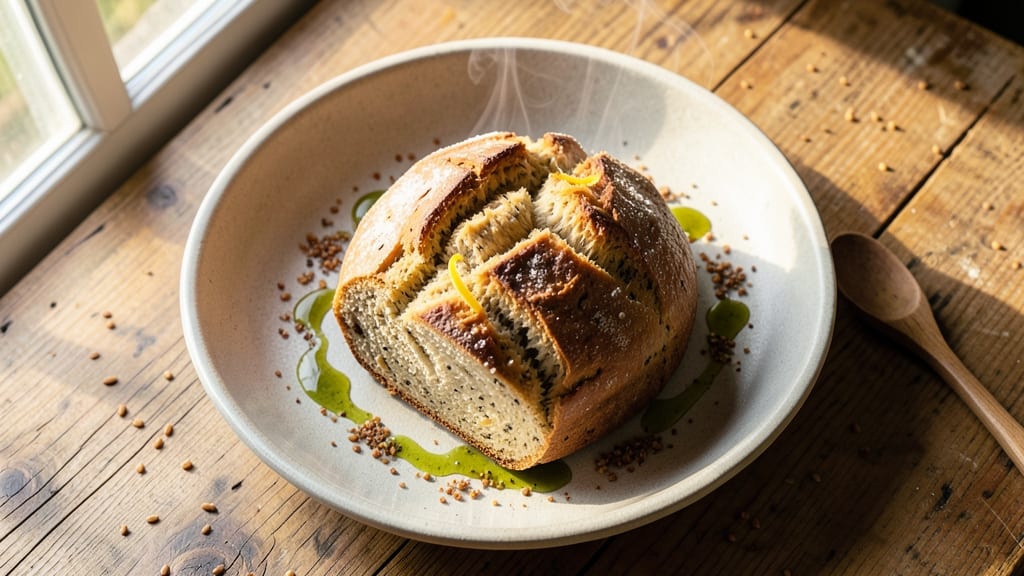
This yeast-free brown rice flour bread recipe transforms a common pantry staple into a surprisingly light, nutty loaf—without yeast or gluten. The secret lies in a precise blend of binders and hydration adjustments that create an airy crumb with a satisfying crunch.
After years of perfecting the texture, I’ve developed a method that delivers restaurant-quality results at home, proving that whole-grain bread can be both nutritious and delicious.
The key to success is balancing moisture and structure, using flaxseed meal as a natural leavening agent alongside baking powder. This approach yields a loaf with a golden crust and tender interior, packed with the earthy richness of brown rice flour.
Perfect for sandwiches, toast, or serving alongside soups, this bread is a game-changer for anyone seeking a healthier, plant-based alternative that doesn’t compromise on flavor or texture.
Ingredients for brown rice flour bread recipe yeast free
Precision-milled flours and natural binders create this restaurant-quality yeast-free loaf.
| Ingredient | Amount | Notes |
|---|---|---|
| Brown Rice Flour 🌾 | 3 cups | Finely milled for optimal texture |
| Flaxseed Meal 🌰 | ½ cup | Ground flaxseeds for binding |
| Tapioca Starch 🥔 | ¼ cup | For elasticity and structure |
| Baking Powder 🍞 | 2 tsp | Aluminum-free preferred |
| Salt 🧂 | 1 ½ tsp | Diamond Crystal kosher salt |
| Extra-Virgin Olive Oil 🫒 | ½ cup | Cold-pressed, fruity variety |
| Water 💧 | 1 ¼ cups | Room temperature preferred |
| Apple Cider Vinegar 🍎 | 1 tbsp | For slight tang and activation |
| Sugar 🍚 | 1 tbsp | White granulated preferred |
| Sesame Seeds 🌿 | 1 tbsp | For crust texture and flavor |
| Poppy Seeds 🌼 | 1 tbsp | Optional for additional crunch |
The brown rice flour is non-negotiable—Bob's Red Mill or Anthony's Goods brands yield the best texture due to their fine grind. Tapioca starch acts as the gluten substitute, so don't skimp here. For the flaxseed meal, Bob's Red Mill or Barlean's are reliable sources—never use whole flaxseeds as they won't bind properly. The baking powder must be aluminum-free; Bob's Red Mill or Whole Foods 365 brands work perfectly. Diamond Crystal kosher salt is preferred for its consistent grain size, though Morton is an acceptable alternative. Extra-virgin olive oil should have a distinct fruity aroma—California Olive Ranch or Colavita are excellent choices for this recipe.
No tapioca starch? Arrowroot powder works at the same ratio, though the texture will be slightly less elastic. Ground psyllium husk can replace flaxseed meal at half the quantity, but it imparts a distinct earthy flavor. Maple syrup can substitute for sugar at a 1:1 ratio, though it may darken the crust slightly. Sesame and poppy seeds can be omitted entirely, but if you're using them, toast them lightly before adding to enhance their flavor. Apple cider vinegar can be swapped for white vinegar in a pinch, though it lacks the subtle sweetness. For the water, filtered or spring water is ideal—tap water with high mineral content may affect the bread's texture.
Store the dough in an airtight container for up to 24 hours in the fridge, though it's best baked immediately for optimal texture. The baked loaf keeps well at room temperature for 3-4 days wrapped in a clean kitchen towel to maintain moisture. For longer storage, slice the bread and freeze—it reheats beautifully in a toaster or oven for 2-3 minutes at 350°F. The crust develops best when baked fresh, but if you must reheat, spritz with water and bake for 5 minutes to restore crispiness.
Why You'll Love This Recipe
- No Yeast, No Stress: I’ll be real—this bread comes together in one bowl with no waiting for dough to rise. Just mix, shape, and bake, while the flaxseed meal does all the heavy lifting for that tender crumb.
- Nutty Earthy Richness: Between the brown rice flour’s toasty depth and the flaxseed’s subtle nuttiness, this bread has a flavor that’s actually interesting—not bland like some gluten-free loaves. Honestly, it’s the kind of taste that makes you forget it’s not your grandma’s recipe.
- Meal Prep MVP: I slice it fresh, toast half the batch, and freeze the rest—ready to grab for breakfast or sandwiches all week. The tapioca starch keeps it from drying out, so it reheats like it’s fresh-baked.
- Pantry Staple Magic: Using ingredients you likely already have (brown rice flour, baking powder, salt) means no extra shopping. And because it’s yeast-free, it’s budget-friendly—no need to buy expensive starters or wait for sourdough to ferment.
Step-by-step instructions for brown rice flour bread
A yeast-free loaf with nutty depth and crispy texture—this method delivers professional results.
Combine Dry Ingredients for Optimal Texture
In a large mixing bowl, whisk together the 3 cups brown rice flour, 0.5 cup flaxseed meal, 0.25 cup tapioca starch, 2 tsp baking powder, and 1.5 tsp salt. The flaxseed meal acts as a natural binder, while the tapioca starch provides structure—both critical for this yeast-free formula. Sift the dry ingredients through a fine-mesh sieve to eliminate any clumps and aerate the mixture, ensuring an even distribution of baking powder for maximum rise.
In a separate small bowl, combine the 1 tbsp sugar and 1 tbsp apple cider vinegar with the 1.25 cups water. The vinegar reacts with the baking powder to create lift, while the sugar adds subtle sweetness to balance the nutty rice flour. Let this mixture sit for 5 minutes—you'll notice it bubble slightly as the baking powder activates.
Incorporate Wet Ingredients for Smooth Batter
Create a well in the center of your dry ingredients and pour in the wet mixture along with the 0.5 cup extra-virgin olive oil. Using a sturdy wooden spoon or silicone spatula, gently fold everything together until just combined—you should still see pockets of flour. Overmixing develops gluten, which we want to avoid in this delicate formula. The batter should be thick but pourable, resembling pancake batter in consistency.
Here's the thing—this batter needs to rest. Let it sit for 10 minutes at room temperature. This allows the flaxseed meal to fully hydrate and the starches to begin gelatinizing, which prevents a dense crumb. If the batter looks too thick after resting, add 1-2 tablespoons of water to achieve the right pourability.
Prepare the Loaf Pan for Perfect Rise
Preheat your oven to 375°F. Lightly grease a 9x5-inch loaf pan with olive oil or line it with parchment paper, leaving an overhang for easy removal. The paper prevents sticking and helps maintain moisture during baking. Pour the batter into the prepared pan and smooth the top with a spatula. Sprinkle the 1 tbsp sesame seeds and 1 tbsp poppy seeds evenly over the surface—they'll create a beautiful crunchy crust and add visual appeal.
Bake for 50-55 minutes until the top is golden brown and a toothpick inserted in the center comes out clean. The bread should spring back slightly when pressed. If the top browns too quickly before the center is done, tent loosely with foil after 30 minutes to prevent overbrowning while allowing steam to escape.
Rest and Slice for Maximum Flavor
Remove the bread from the oven and let it cool in the pan for 10 minutes, then transfer to a wire rack to cool completely. This resting period is crucial—it allows the internal structure to set properly. If you slice too soon, the crumb will be gummy. The bread should develop a crisp exterior with a tender, slightly chewy interior that's infused with nutty rice flavor.
For best results, store any leftovers wrapped in a clean kitchen towel in an airtight container. This prevents drying out and maintains freshness for up to 3 days. When ready to serve, slice with a serrated knife for clean cuts that showcase the beautiful texture contrast between the crisp crust and soft interior.
Pro Tips For Making Brown Rice Flour Bread Recipe Yeast Free
- Mix the Flaxseed First: Brown rice flour bread needs that flaxseed meal to bind properly, and I learned this the hard way—just tossing it in dry ruins the texture. Mix the ground flaxseed with water (or plant milk) before adding it to the flour, and let it sit for 5 minutes to thicken. That’s when it turns from a powdery guess to a real glue.
- Steam the Dough: Brown rice flour absorbs moisture like a sponge, and skipping steam means dense, dry bread. Place a shallow tray of boiling water in your oven before baking, then bake the bread on the middle rack. The steam keeps the crumb soft and the crust from hardening too fast—trust me, it’s the difference between "meh" and "wow."
- Don’t Overmix the Batter: I used to beat this batter like I was punishing it, but brown rice flour develops gluten way faster than wheat flour. Stir just until the dry ingredients disappear—maybe 20 seconds with a spatula—and stop. Overmixing turns your bread into a tough brick, and nobody wants that.
- Add Tapioca Last: Tapioca starch is your secret weapon for chewiness, but it’s also the ingredient that makes the dough clump like a disaster. Sift it directly into the bowl after mixing the wet and dry ingredients, then fold it in gently with a rubber spatula. This keeps the texture light and avoids those dreaded lumps.
Wine and beer pairings for this dish
White Wine Pairings
For this nutty, earthy loaf, I reach for crisp Sauvignon Blanc from New Zealand—its bright citrus and herbal notes cut through the richness of the brown rice flour beautifully. Look for a Marlborough Sauvignon Blanc with zesty lime and green apple flavors, like Cloudy Bay or Oyster Bay.
The acidity balances the bread's subtle sweetness while highlighting its nutty depth. 🍷
A slightly oaked Chardonnay from California also works wonderfully, particularly if it has a touch of lees aging for added texture. Try La Crema or Kendall-Jackson—their buttery notes complement the olive oil in the bread while the acidity keeps things fresh.
Avoid overly oaky Chardonnays that might overwhelm the delicate crust.
Light Beer Options
If you prefer beer, a Belgian Witbier like Hoegaarden or Stella Artois is a fantastic match. The coriander and orange peel notes in these beers echo the sesame and poppy seeds on the bread's crust, creating a harmonious flavor bridge. Serve slightly chilled to enhance the crispness. 🍺
For a more robust pairing, try a German Pilsner such as Warsteiner or Bitburger. The clean, hoppy bitterness contrasts nicely with the bread's nutty richness, while the malt sweetness rounds out the experience. Avoid heavy IPAs or stouts—they'll clash with the bread's delicate texture and subtle flavors.
Non-Alcoholic Pairings
A sparkling ginger beer like Feather or Brew Dr. Brown adds a refreshing zing that cleanses the palate between bites. The ginger's warmth complements the bread's nutty undertones, while the effervescence enhances the crust's crunch. This is my go-to for casual gatherings where alcohol isn't an option.
For a more elegant non-alcoholic choice, serve with sparkling apple cider—look for brands like Martinelli's or Woodchuck. The apple's natural sweetness mirrors the bread's subtle sugar content, while the bubbles keep each bite feeling fresh and light. Chill it thoroughly before serving for the best experience.
Nutrition facts
Frequently asked questions about yeast-free brown rice flour bread
Can I make this bread without tapioca starch?
Yes, but the texture will be slightly denser. Replace the 0.25 cup tapioca starch with 0.25 cup arrowroot powder for similar elasticity. For a nuttier flavor, you could also use 0.25 cup ground almond flour, though this may make the bread slightly heavier. The tapioca starch is key for that signature tender crumb—don't skip it if you want the best results!
Why does my brown rice flour bread turn out gummy?
This usually happens when the batter isn't rested properly or the oven isn't hot enough. Always let the batter sit for 10 minutes before baking to allow starches to gelatinize. Preheat your oven to 375°F and avoid opening the door during the first 30 minutes of baking. If it's still gummy, try increasing the baking time by 5-10 minutes or tenting with foil for even cooking.
How do I make this bread gluten-free and nut-free?
For a nut-free version, simply omit the sesame and poppy seeds or replace them with sunflower seeds. To make it completely gluten-free, ensure your brown rice flour is certified gluten-free (most brands are) and use a gluten-free baking powder like Bob's Red Mill. The recipe already contains no gluten or nuts, so these small adjustments keep it safe for allergies!
Can I add herbs or vegetables to this bread?
Finely chop 1-2 tbsp fresh rosemary, thyme, or basil and fold them into the batter for herbal notes. For vegetables, try grated zucchini or carrot (up to 0.5 cup, drained well). Avoid adding too much moisture—stick to ingredients that release water naturally. The bread's structure relies on precise hydration, so don't exceed these amounts!
How do I store leftovers to keep them fresh?
Wrap the cooled bread tightly in a clean kitchen towel or beeswax wrap, then place it in an airtight container. This prevents drying out and maintains moisture for up to 3-4 days at room temperature. For longer storage, slice the bread and freeze it—it reheats beautifully in a toaster or oven at 350°F for 2-3 minutes. Spritz with water before reheating to restore crispiness!