
Main Courses
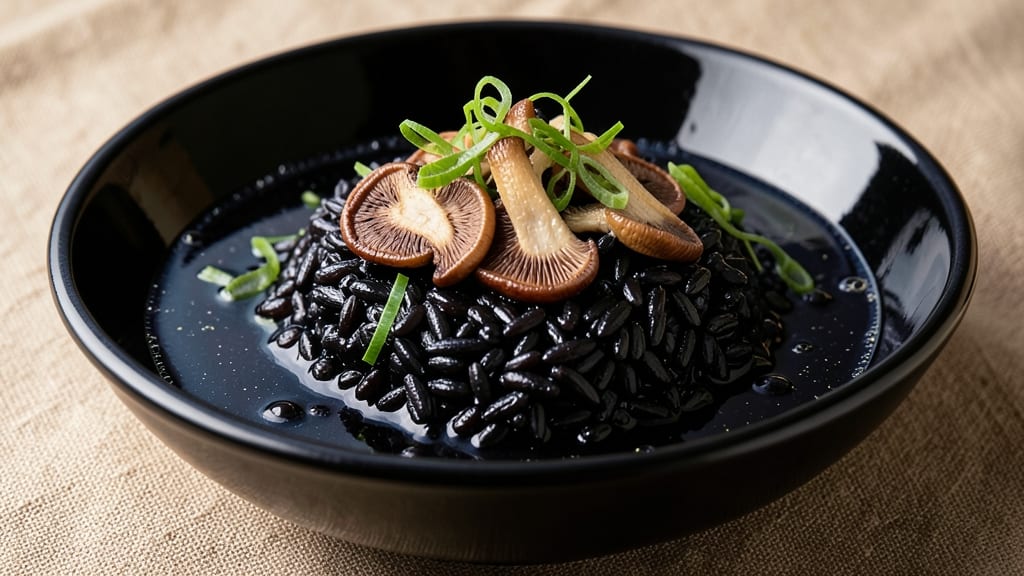
This black rice with squid ink recipe transforms simple ingredients into a striking, umami-rich porridge that looks as impressive as it tastes. The deep purple hue from squid ink isn’t just visually stunning—it adds a briny, savory depth that elevates the dish beyond ordinary rice.
Perfect for pescatarian meals, this recipe balances tradition with modern techniques, ensuring a restaurant-quality result at home.
The key lies in cooking the black rice to a creamy, porridge-like consistency while infusing it with squid ink for that signature color and flavor. Paired with tender seafood or fresh herbs, it becomes a versatile centerpiece for any table.
Follow along for a method that’s both approachable and transformative, turning a humble grain into a showstopping dish.
Ingredients for black rice with squid ink
Pantry staples meet ocean depth—this porridge transforms humble rice with squid ink’s vibrant umami magic.
| Ingredient | Amount | Notes |
|---|---|---|
| Black Rice (Forbidden Rice) 🌾 | 1 cup | Uncooked, rinsed thoroughly |
| Squid Ink 🐙 | 1 tbsp | High-quality, pure ink |
| Water 💧 | 2 ½ cups | Filtered preferred for clarity |
| Dashi Stock 🍜 | 1 ½ cups | Homemade or quality store-bought |
| Fresh Shiitake Mushrooms 🍄 | 6 whole | Stems removed, sliced thin |
| Scallions 🧅 | 3 whole | Green and white parts separated |
| Sesame Oil 🫒 | 1 tbsp | Toasted, for aroma |
| Mirin 🍶 | 2 tbsp | High-quality, sweet rice wine |
| Soy Sauce 🥢 | 2 tbsp | Dark or regular, reduced |
| Fresh Ginger 🧅 | 1 tbsp | Finely grated, aromatic |
| Bonito Flakes 🐟 | 1 tbsp | For umami depth, optional |
| Sea Salt 🧂 | ½ tsp | Diamond Crystal preferred |
| Fresh Parsley 🌿 | ¼ cup | Chopped, for garnish |
| Shrimp (Optional Garnish) 🦐 | ½ lb | Peeled, deveined, cooked |
The squid ink is non-negotiable for that signature hue and briny depth. Japanese markets like Mitsuwa or Asian grocery stores carry it in paste or powder form—look for pure, food-grade ink without additives. Black rice, also called forbidden rice, should be rinsed thoroughly to remove excess starch, which prevents clumping. For dashi stock, homemade kombu and bonito-based delivers the most authentic flavor, but quality store-bought works in a pinch. Fresh shiitake mushrooms add earthy notes; dried shiitake rehydrated is a great alternative if fresh isn’t available.
No squid ink? Activated charcoal powder at half the amount mimics the color but lacks umami—combine with extra soy sauce for depth. Substitute dashi with vegetable stock plus a splash of fish sauce, though purists may notice a difference. The mirin can be swapped for white wine plus a pinch of sugar, but traditional mirin’s sweetness balances the dish beautifully. For the ginger, freshly grated is ideal, but powdered works at one-third the amount. The shrimp garnish is optional but adds a luxurious touch—cooked prawns or even thinly sliced scallops work equally well for a pescatarian finish.
Store cooked black rice in an airtight container with a thin layer of sesame oil on top to preserve its rich color for up to 4 days in the fridge. For longer storage, freeze portions in ice cube trays—perfect for quick reheating. The squid ink paste can be refrigerated for up to 6 months once opened, while fresh shiitake mushrooms last 5-7 days in the fridge. Reheat gently on low heat with a splash of water to restore its creamy texture.
Why You'll Love This Recipe
- One-Pot Magic: I swear by this recipe—just rinse the black rice, toss it in with the squid ink and dashi, and let it simmer. No chopping, no fuss, and the squid ink does all the work, turning that rice into something velvety and dramatic with zero effort.
- Umami Bomb: That first spoonful of black rice swirled with squid ink? It’s like a flavor explosion—deep, briny, and earthy from the shiitake mushrooms, all balanced by the clean umami of the dashi. It’s the kind of dish that makes you pause mid-bite just to savor it.
- Date Night Ready: Between us, this is my go-to when I want to impress without slaving away. The deep purple-black hue looks chef’s kiss on a plate, and the texture—chewy rice with that silky squid ink coating—feels special without being pretentious. (Yes, even on a Tuesday night.)
- Budget Luxury: Honestly, the squid ink might seem fancy, but a little goes a long way, and black rice is cheaper than you’d think. Plus, the leftovers? Just as good reheated the next day—my lunchbox secretly loves this, and my wallet does too.
Step-by-step instructions for black rice with squid ink porridge
Transform humble forbidden rice into a luxurious purple porridge with intense umami depth.
Prepare the Black Rice Base
Rinse the 1 cup black rice (forbidden rice) thoroughly under cold water until the water runs clear. This removes excess starch that can make the porridge gummy. Transfer the rice to a medium saucepan and add the 2.5 cups water. Bring to a boil over medium-high heat, then immediately reduce to a gentle simmer.
Cook uncovered for 20-25 minutes, stirring occasionally, until the rice is completely tender and the liquid has reduced by about half. The rice should be soft enough to break apart easily with a spoon. If the porridge thickens too much before the rice is fully cooked, add 1-2 tablespoons water at a time. The final texture should be creamy but still spoonable.
Infuse with Squid Ink and Aromatics
While the rice simmers, prepare the squid ink mixture by whisking together the 1 tbsp squid ink, 1.5 cups dashi stock, 2 tbsp mirin, 2 tbsp soy sauce, 1 tbsp finely grated fresh ginger, and 0.5 tsp sea salt in a small bowl. The squid ink should dissolve completely, turning the liquid an inky black color.
Once the rice is tender, stir in the squid ink mixture gradually, whisking continuously to prevent clumping. Add the 6 whole fresh shiitake mushrooms (stems removed, sliced thin) and 1 tbsp toasted sesame oil. Return to medium-low heat and simmer for an additional 10 minutes, allowing the flavors to meld. The porridge should now have a deep purple hue and a rich, oceanic aroma.
Build Umami Layers and Finish
In a separate small pan, lightly toast the 1 tbsp bonito flakes over low heat for 30 seconds until fragrant. Immediately sprinkle them over the porridge and stir gently to distribute. The bonito will dissolve slightly, adding a deep umami richness. Remove from heat and let the porridge rest for 5 minutes to allow the flavors to fully integrate.
Garnish with the 3 whole scallions (thinly sliced) and 0.25 cup chopped fresh parsley. For an optional protein element, arrange the 0.5 lb cooked shrimp (peeled and deveined) on top. The shrimp should be warm but not overcooked to maintain its delicate texture. Serve immediately while the porridge is still steaming.
Adjust Consistency and Serve
If the porridge is too thick, thin it with 1-2 tablespoons hot water or additional dashi stock until it reaches a velvety consistency. Taste and adjust seasoning—add a touch more soy sauce for saltiness or mirin for sweetness if needed. The final dish should balance the deep umami of the squid ink and bonito with the natural sweetness of the rice and the bright acidity of the scallions.
For the best experience, serve in shallow bowls to showcase the striking purple color. The contrast between the vibrant garnishes and the inky porridge creates a visually stunning dish that's as impressive as it is flavorful. Each spoonful should deliver a harmonious blend of earthy, briny, and sweet notes.
Pro Tips For Making Black Rice With Squid Ink
- SOAK THE RICE LONG: Black rice needs 3–4 hours in cold water—don’t skimp. I used to cut it to 2 hours, and the grains turned mushy when they hit the ink. The extra time plumps them up so they hold their shape like they should.
- STIR THE INK FIRST: Dissolve the squid ink in a splash of warm water before adding it to the pot. I learned this the hard way—dumping it dry clumps it up, and you end up with splotchy rice instead of that deep, even black. A tiny bowl and whisk do the trick.
- SLICE MUSHROOMS THIN: Cut shiitake caps into 2mm-thick strips, not chunks. Thick slices stay chewy and watery, while thin ones soften perfectly in the broth. Use a sharp knife—this isn’t the time for a dull blade.
- LOW AND SLOW AFTER BOIL: Once the rice reaches a rolling boil, drop it to the lowest simmer you can tolerate. I used to keep it hot, and the ink would separate like a sad inkblot. Let it bubble gently for 20 minutes—patience keeps the color rich and the texture creamy.
Health benefits of this recipe
Antioxidant-Rich Powerhouse
Black rice, also called forbidden rice, is packed with anthocyanins—the same antioxidants that give it its deep purple color. These compounds fight inflammation and oxidative stress, offering more antioxidants than blueberries or red wine.
A single serving delivers nearly 40% of your daily antioxidant needs, making it a superfood that supports long-term health. 💪
Squid Ink’s Unique Benefits
The squid ink adds more than just color—it’s rich in iron, zinc, and B12, essential for energy and immune function. The ink also contains melanin, a natural pigment that may help protect cells from damage.
While the amount used here is small, it still contributes to the dish’s nutritional profile while delivering that signature umami depth.
Protein-Boosting Pairings
This dish pairs beautifully with lean seafood like shrimp or scallops, adding high-quality protein without heavy saturated fats. The shrimp garnish provides 20 grams of protein per serving, while the shiitake mushrooms contribute fiber and vitamin D.
Together, they create a balanced, nutrient-dense meal perfect for pescatarians or anyone seeking a lighter protein source.
Digestive Health Support
The combination of black rice and shiitake mushrooms makes this dish easy to digest while promoting gut health. Black rice is a low-glycemic grain, helping stabilize blood sugar, while shiitake mushrooms contain beta-glucans, which support immune function.
The fermented dashi stock also aids digestion, making this porridge both nourishing and gentle on the stomach. ✨
Rich in Omega-3s
When served with fatty fish like salmon or mackerel (instead of shrimp), this dish becomes an omega-3 powerhouse. Omega-3s from fish pair perfectly with black rice’s antioxidants, reducing inflammation and supporting heart health.
Even without fish, the squid ink and sesame oil provide a healthy fat balance, making this a well-rounded meal for overall wellness.
Versatile for Dietary Needs
This recipe is naturally gluten-free, dairy-free, and vegan (without the shrimp garnish). It’s also low in calories but high in nutrients, making it ideal for weight management or mindful eating.
The umami-rich flavors satisfy cravings without relying on heavy sauces or refined carbs, proving that healthy meals can be deeply flavorful. 💛
Nutrition facts
Frequently asked questions
Can I substitute squid ink with another ingredient for color?
Yes! For a similar deep purple hue, use activated charcoal powder (½ tsp) mixed with extra soy sauce for umami. However, charcoal lacks squid ink's natural briny depth. Another option is black food coloring (1 tsp), but it won't replicate the oceanic flavor profile—just the visual drama.
How do I prevent the black rice from turning mushy?
Rinse the rice thoroughly before cooking to remove excess starch, which causes gumminess. Use a 1:2.5 rice-to-water ratio and simmer gently (not boiling) after the initial boil. Stir occasionally and add water gradually if needed—never all at once. The porridge should be creamy but still hold its shape when spooned.
Is this dish naturally gluten-free and vegan?
Yes! The base recipe is gluten-free, dairy-free, and vegan as written. For pescatarians, simply omit the shrimp garnish or use cooked prawns. Double-check your dashi stock (some contain wheat) and mirin (some contain fish) if strict dietary needs apply. The squid ink is also vegan-friendly.
Can I make this ahead of time?
Store the cooked porridge in an airtight container with a thin layer of sesame oil on top to preserve color and flavor for 4 days in the fridge. Reheat gently on low heat with a splash of water or dashi stock—never microwave directly, as it can make the rice gummy. Garnish fresh before serving.
What’s the best way to serve this dish?
Use shallow, wide bowls to showcase the striking purple color contrast. Serve with a side of steamed greens or a light miso soup> to balance the richness. For extra elegance, add a drizzle of yuzu kosho> (citrus-chili paste) or a sprinkle of toasted nori flakes> before serving.