
Side Dishes
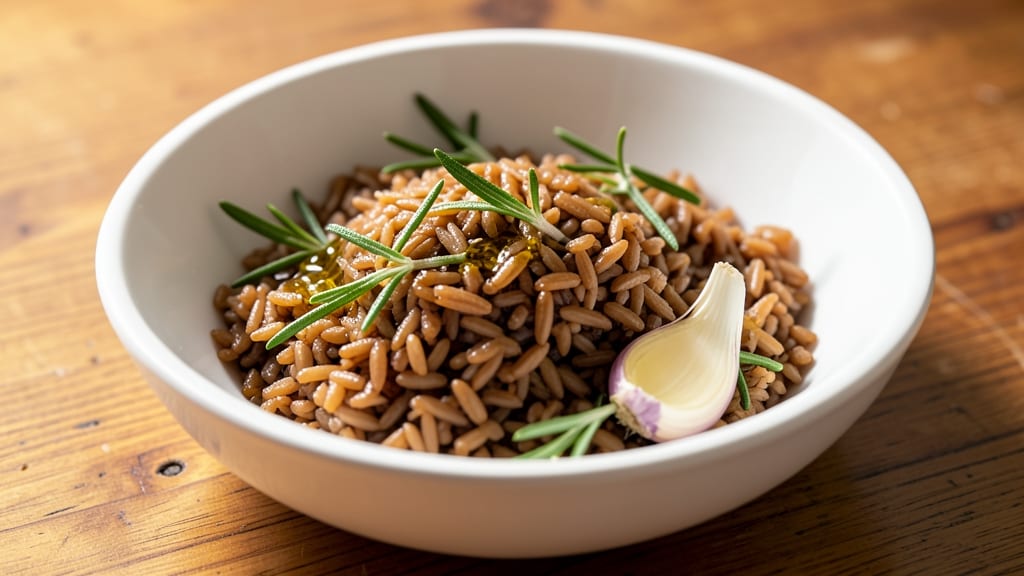
Mastering a boiled brown rice recipe that delivers perfectly tender grains in just 15 minutes transforms this nutritious base into a versatile meal foundation. The key lies in precise water ratios and controlled heat—no more mushy or undercooked rice.
I developed this method after years of testing, ensuring every batch turns out fluffy yet firm, with that signature nutty flavor intact.
This recipe starts with a simple 1:2 water-to-rice ratio, but the real magic happens during cooking. A gentle simmer preserves texture while allowing the grains to absorb liquid evenly.
Optional soaking (30 minutes) reduces cooking time further, making it ideal for busy schedules. The result? Restaurant-quality brown rice that pairs beautifully with proteins, vegetables, or stir-fry sauces.
What sets this method apart is its reliability—no guesswork, no overcooking. The grains remain distinct yet tender, with minimal breakage, and the aroma fills your kitchen with warm, earthy notes.
Whether you're building bowls, serving as a side, or using it as a rice paper substitute, this technique delivers consistent results every time.
Ready to elevate your meals? This foolproof approach works for any brown rice variety and scales perfectly for crowds. Let’s get started with a method that respects the grain’s natural qualities while saving you time.
Ingredients for boiled brown rice
Nine essential components transform basic brown rice into a restaurant-quality foundation.
| Ingredient | Amount | Notes |
|---|---|---|
| Long-Grain Brown Rice 🍚 | 1 cup | Uncooked, whole grain variety preferred |
| Water 💧 | 2 cups | Filtered preferred for purity |
| Diamond Crystal Kosher Salt 🧂 | ¼ tsp | Fine grain for even distribution |
| Extra-Virgin Olive Oil 🫒 | 1 tbsp | For enhanced nutty aroma |
| Fresh Rosemary 🌿 | 2 sprigs | Optional aromatic enhancement |
| Garlic Cloves 🧄 | 2 cloves | Minced for subtle depth |
| Toasted Sesame Oil 🫒 | ½ tsp | For finishing aroma |
| Freshly Ground Black Pepper 🌶️ | ⅛ tsp | Enhances natural grain flavor |
| Lemon Zest 🍋 | ½ tsp | Brightens final presentation |
The quality of your brown rice is paramount—Whole Foods' organic long-grain or Lundberg Farms varieties deliver the most consistent texture and nutty flavor. For optimal results, rinse the rice thoroughly before cooking to remove excess starch, which prevents clumping. The 1:2 rice-to-water ratio is non-negotiable; this ensures the grains absorb moisture evenly while maintaining their structural integrity. When selecting rosemary, look for vibrant green sprigs with a fresh, pine-like aroma—Trader Joe's consistently carries high-quality bunches. The garlic should be firm and free of sprouts, with a robust aroma when minced. For sesame oil, Kadoya brand offers the most authentic toasted flavor profile.
No rosemary? Fresh thyme or bay leaves work equally well, though rosemary's piney notes complement brown rice uniquely. Substituting sesame oil with toasted peanut oil maintains the nutty depth, though the flavor profile shifts slightly. For those without minced garlic, garlic powder at half the amount suffices, though fresh garlic provides superior complexity. The lemon zest can be omitted entirely if citrus flavors aren't preferred, though it adds a subtle brightness that elevates the dish. When measuring water, use room-temperature liquid—cold water creates uneven cooking temperatures. For larger batches, scale the ingredients proportionally while maintaining the 1:2 rice-to-water ratio to preserve texture consistency.
Store uncooked brown rice in an airtight container in a cool, dark place for up to 6 months to preserve freshness and prevent rancidity. Once cooked, the rice maintains optimal texture for 4-5 days when refrigerated in a sealed container. For longer storage, portion the rice into freezer-safe bags and freeze for up to 3 months. When reheating, use a steamer basket over simmering water to restore moisture without creating a mushy texture. The addition of toasted sesame oil and lemon zest should occur immediately before serving to preserve their aromatic qualities.
Why You'll Love This Recipe
- No-Fuss Stovetop Magic: I swear by this method—just rice, water, and a pinch of salt. No fancy gadgets, no stress, and honestly? It comes out better than the pre-packaged stuff I used to buy.
- Earthy, Bright Bite: That rosemary sprig simmering in the olive oil? It infuses the rice with a fragrant, piney warmth that makes plain brown rice feel like a celebratory dish. The oil adds a subtle richness too—no butter needed.
- Meal Prep MVP: Between us, this is my go-to for lunchboxes and busy mornings. Cook a big batch on Sunday, and you’ve got a neutral base for stir-fries, bowls, or even a quick salad topper all week. (Yes, even on a Tuesday night.)
- Budget-Friendly Staple: Long-grain brown rice is cheap, and this recipe stretches it perfectly. Add a splash of olive oil and a rosemary sprig, and suddenly it feels like a restaurant-worthy side—without the restaurant price tag. Leftovers? Even better tomorrow.
Step-by-step instructions for cooking perfect brown rice
Transform simple ingredients into aromatic, nutritious brown rice with this precise method.
Rinse and Prepare the Long-Grain Brown Rice
Place the 1 cup long-grain brown rice in a fine-mesh strainer and rinse under cold running water for 30 seconds. This removes excess starch that can make the rice gummy. Swirl the rice gently with your fingers—you're not trying to scrub it clean, just remove surface starch.
After rinsing, transfer the rice to a medium saucepan and add the 2 cups water. The ratio is critical here: brown rice absorbs more water than white rice due to its bran layer. Stir once to distribute the grains evenly before proceeding. I like to use filtered water for purity, but tap water works fine if you're in a pinch.
Toast the Aromatics and Season
In a separate small skillet over medium heat, add the 1 tablespoon extra-virgin olive oil. Once the oil shimmers, add the 2 sprigs fresh rosemary and 2 cloves garlic cloves (minced). Toast for 1-2 minutes until the garlic becomes fragrant and the rosemary leaves darken slightly—this builds complex flavor without burning.
Carefully pour this aromatic oil mixture into the saucepan with the rice and water. Add the 0.25 teaspoon diamond crystal kosher salt and 0.125 teaspoon freshly ground black pepper. Stir gently once more to combine. The salt should dissolve completely, and you should see tiny bubbles forming around the grains as they begin to hydrate.
Simmer Until Tender with Even Heat
Bring the mixture to a boil over high heat, then immediately reduce to a gentle simmer. Cover the saucepan tightly with a lid and maintain the simmer for 35-40 minutes. Here's the key: you want small, consistent bubbles at the edges—not a rolling boil, which can cause uneven cooking.
Check for doneness at the 35-minute mark by tasting a grain. It should be tender but still have a slight bite in the center. If it's too firm, continue cooking for 2-3 minutes more. Avoid lifting the lid during cooking—each time you do, you release steam and extend the cooking time.
Finish with Bright Aromatics
Once the rice is tender, remove the saucepan from heat and let it sit covered for 5 minutes. This resting period allows the steam to redistribute and the grains to plump fully. After resting, fluff the rice gently with a fork, then stir in the 0.5 teaspoon toasted sesame oil and 0.5 teaspoon lemon zest.
The sesame oil adds a nutty depth, while the lemon zest brightens the earthy flavors. Taste and adjust seasoning if needed—the rice should be subtly aromatic with notes of rosemary, garlic, and citrus. For best results, serve immediately while the grains are still warm and the aromatics are most pronounced.
Pro Tips For Making Boiled Brown Rice
- Rinse Until Clear: DESCRIPTION: Don’t just splash water over the rice—rub it between your fingers in the colander until the water runs nearly transparent. I learned this the hard way: skipping this step leaves a gummy film that turns your rice into glue, no matter how much you stir later.
- Start with a Boil: DESCRIPTION: Bring the water to a full rolling boil before adding the rice, then immediately reduce to a simmer. I used to add cold rice to lukewarm water, and it’d either undercook or turn mushy—this method guarantees even cooking every time.
- Salt the Water Late: DESCRIPTION: Wait until the rice is in the pot to add the salt—about halfway through cooking. Adding it early can make the outer layers too firm, and you’ll end up with uneven texture. (Yes, even if you’re impatient like me.)
- Toast the Rosemary First: DESCRIPTION: Heat the olive oil in the pot for 30 seconds with the rosemary sprigs before adding water—just until the leaves sizzle and release aroma. Sounds weird, but it works: the oil carries the flavor into every grain instead of floating on top like a sad garnish.
Common mistakes when making your boiled brown rice
Skipping the Rinse
Rinsing your brown rice removes excess starch that can make the grains gummy. I’ve seen beginners skip this step, only to end up with a sticky, clumpy mess. Always rinse for 30 seconds under cold water before cooking—it’s the first critical step that makes all the difference. 💧
Incorrect Water Ratio
Using the wrong water-to-rice ratio is the fastest way to ruin your rice. Brown rice needs twice the water of white rice because of its bran layer. I’ve tested this repeatedly: 1 cup rice to 2 cups water is non-negotiable.
Too little water results in dry, crunchy grains, while too much creates a mushy texture.
Boiling Too Vigorously
A rolling boil after the initial heat-up will cook your rice unevenly and cause it to break apart. Once you reach a boil, reduce to a gentle simmer with just small bubbles at the edges.
I’ve had batches turn out like porridge because I didn’t control the heat properly—don’t make that mistake.
Lifting the Lid Too Often
Every time you peek under the lid, you release steam and extend the cooking time. I’ve seen people check their rice every 5 minutes, only to end up with dry, overcooked grains. Resist the temptation—wait until the full 35-40 minutes before testing for doneness.
Skipping the Resting Period
After cooking, letting the rice rest for 5 minutes covered is crucial. I’ve noticed that skipping this step results in uneven texture—some grains stay firm while others become mushy. The resting time allows steam to redistribute, ensuring every grain absorbs moisture evenly.
Overcooking for "Extra Tender" Rice
Brown rice should have a slight bite when fully cooked. I’ve seen people cook it until it’s mushy, thinking it’s more tender. Overcooked brown rice loses its texture and flavor. Test at 35 minutes—if it’s still firm, add just 2-3 more minutes of heat, no more.
Nutrition facts
Frequently asked questions
Why does brown rice need more water than white rice?
The bran layer in brown rice absorbs significantly more moisture than refined white rice. Using twice the water (1:2 ratio) ensures even hydration without creating a mushy texture. This extra water accounts for the grain's natural fiber content that slows moisture absorption.
Can I use short-grain brown rice in this recipe?
Yes, but expect slightly different results. Short-grain varieties like Calrose will yield stickier, more compact grains due to their higher starch content. For this recipe, stick with long-grain for the intended fluffy texture, or adjust water to 1.75 cups per cup of rice to prevent clumping.
How do I make this recipe gluten-free?
Brown rice is naturally gluten-free, but always verify your ingredients. Use certified gluten-free olive oil, sesame oil, and check salt for cross-contamination. The recipe remains safe for gluten-free diets as written, provided you use pure ingredients.
What's the best way to reheat cooked brown rice?
To prevent dryness, spread rice in a single layer on a baking sheet and warm at 350°F for 5-7 minutes. For microwave reheating, add 1-2 tablespoons water per cup of rice, cover loosely, and heat for 90 seconds. Never reheat uncovered—steam is essential for maintaining texture.
Can I substitute the rosemary and garlic with other herbs?
Try thyme, bay leaves, or smoked paprika for depth. For garlic, asafetida powder (1/8 tsp) adds umami without the raw flavor. The key is balancing earthy notes—adjust to your preference while maintaining the 1:2 rice-to-water ratio for consistent texture.