
Main Courses
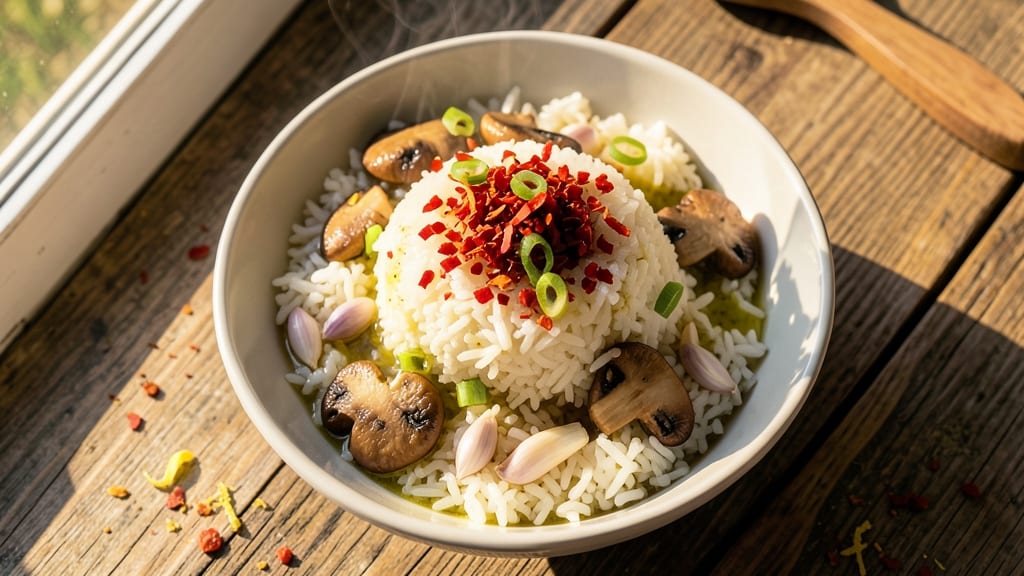
This boiled rice recipe ideas transform a simple staple into a canvas for bold flavors—whether you're craving the delicate sweetness of Japanese shushi-meshi or the hearty richness of Spanish arroz blanco.
The secret lies in the technique: rinsing the rice thoroughly removes excess starch, ensuring each grain stays distinct and absorbs flavors like a sponge. For extra texture, consider toasting the rice in oil before boiling, a trick that adds nutty depth without altering the dish's structure.
Once cooked to perfect fluffiness, the possibilities are endless. Stir in a quick-frying of garlic and chili for a Thai-inspired kick, or fold in tender scallions and sesame seeds for a Korean-inspired twist. Pair with proteins like grilled salmon or teriyaki chicken, or keep it vegetarian with miso-glazed mushrooms.
The key is balancing moisture—rice should be tender but not mushy, ready to soak up sauces or stand alone as a satisfying base. Let’s elevate your rice game.
Ingredients for boiled rice recipe ideas
These carefully selected ingredients transform basic rice into flavorful masterpieces for Thai, Korean, and Japanese-inspired dishes.
| Ingredient | Amount | Notes |
|---|---|---|
| Long-Grain White Rice 🍚 | 1 ½ cups | Uncooked, rinsed thoroughly |
| Water 💧 | 3 cups | Filtered preferred for clarity |
| Extra-Virgin Olive Oil 🫒 | 1 tbsp | For toasting rice (optional) |
| Garlic Cloves 🧄 | 3 cloves | Minced for Thai-inspired rice |
| Red Chili Flakes 🌶️ | 1 tsp | Adjust for heat preference |
| Scallions 🧅 | ¼ cup | Thinly sliced for Korean twist |
| White Sesame Seeds 🌾 | 1 tbsp | Toasted for garnish |
| Salt 🧂 | ½ tsp | Kosher or sea salt |
| Miso Paste 🍶 | 1 tbsp | White or red miso preferred |
| Dried Shiitake Mushrooms 🍄 | 4 pieces | Rehydrated for umami depth |
| Lemon Zest 🍋 | 1 tsp | For bright finishing touch |
| Fresh Cilantro 🌿 | ¼ cup | Chopped for garnish (optional) |
| Vegetable Oil 🫒 | 1 tbsp | For quick-frying aromatics |
The rice quality sets the foundation—jasmine or basmati from Whole Foods Market or a specialty Asian market delivers the best texture. Rinse until water runs clear to remove excess starch, a critical step for distinct grains. For the Thai-inspired version, garlic and chili flakes should be fresh—Penzeys Spices carries excellent pre-minced garlic if convenience is key. The miso paste adds umami depth; Miso Master or Hokkaido brand from the international aisle ensures authentic flavor. Dried shiitake mushrooms rehydrate beautifully and can be found in bulk at Trader Joe's or Asian grocery stores—look for plump, firm pieces without cracks.
No fresh garlic? Garlic powder at half the amount works in a pinch, though flavor will be milder. Substitute chili flakes with gochugaru (Korean red pepper flakes) for the Korean-inspired rice, which adds a sweeter heat profile. Swap sesame seeds for black sesame paste if you prefer a nuttier taste. The miso can be omitted entirely if avoiding fermented flavors, though the dish will lose complexity. For a vegetarian protein boost, fold in crumbled tofu or edamame after cooking. The lemon zest and cilantro are optional but elevate presentation—fresh cilantro from the market stays vibrant longer than store-bought.
Rice reheats best covered in a steamer basket over simmering water for 3-5 minutes to restore moisture. Store cooked rice in an airtight container in the fridge for up to 4 days or freeze for 3 months in portion-sized containers. For the Thai-inspired version, the garlic and chili can be pre-toasted in oil and stored in the freezer for up to 2 weeks. Miso paste keeps indefinitely in the pantry once opened. Toasted sesame seeds maintain freshness for 1 month in a sealed jar away from light—Costco bulk bins offer the best value for this ingredient.
Why You'll Love This Recipe
- Five-Minute Start: I swear by this—just rice, water, and a splash of olive oil in a pot. No fancy tools, no pre-soaking, no stress. Honestly, the hardest part is waiting for the water to boil.
- Garlic-Chili Magic: That tiny hit of toasted garlic and chili flakes? It transforms plain rice into something ridiculously good. The oil pulls all the flavors together—simple, but never boring.
- Lunchbox Hero: Between us, this is my go-to for meal prep. Toss it with roasted veggies or grilled chicken, and it’s a solid lunch for days. My kids even ask for it (yes, even on a Tuesday night).
- Budget Win: A pound of rice and a bulb of garlic cost less than takeout. Not the prettiest, but the taste makes up for it—and leftovers? They stay fresh for days without drying out.
Step-by-step instructions for flavor-infused Asian-inspired rice
Transform simple boiled rice into a complex, aromatic dish with bold flavors and textures.
Prepare the Shiitake Mushrooms and Aromatics
Start by rehydrating the 4 pieces dried shiitake mushrooms in warm water for 15-20 minutes until pliable. Drain and finely chop the mushrooms, reserving 2 tablespoons of the soaking liquid for added depth. In a small bowl, combine the minced 3 cloves garlic, 0.25 cup scallions, and 1 tsp red chili flakes. This aromatic blend will form the flavor base for your rice.
Heat 1 tablespoon vegetable oil in a skillet over medium heat until shimmering. Add the garlic-scallion-chili mixture and sauté for 2-3 minutes until fragrant but not browned. This step builds the foundational flavor—don't rush it. The mushrooms will absorb these aromatics beautifully, creating a rich umami profile that elevates the rice.
Toast the Rice for Nuttiness and Flavor Development
Rinse the 1.5 cups long-grain white rice thoroughly under cold water until the water runs clear. This removes excess starch and prevents gummy rice. Drain well and transfer to a clean bowl. Add 1 tablespoon extra-virgin olive oil and toss gently to coat each grain evenly. The oil enhances the rice's texture and carries the toasted flavors.
In a heavy-bottomed pot, toast the rice over medium-low heat for 3-4 minutes, stirring constantly with a wooden spoon. You'll notice the rice begins to release its natural aroma and develop a subtle nuttiness. This step is crucial—it prevents the rice from becoming mushy and builds complexity. Once the rice is lightly golden and fragrant, add 3 cups water and bring to a boil.
Cook the Rice with Miso and Umami Depth
Once the water boils, reduce heat to low, cover the pot with a tight-fitting lid, and simmer for 15 minutes. After 15 minutes, stir in the 1 tablespoon miso paste and the chopped shiitake mushrooms along with their reserved soaking liquid. The miso will dissolve into the rice, adding a savory, fermented depth that balances the dish. Stir gently to distribute the miso evenly without breaking the rice grains.
Continue cooking for another 5 minutes until the rice is tender and the liquid is fully absorbed. The rice should be fluffy with a slight stickiness at the base of the pot. If it's not fully cooked, add 1-2 tablespoons water and cook for an additional 2-3 minutes. The miso-infused mushrooms will create a rich, earthy flavor that transforms this into a restaurant-quality side dish.
Finish with Bright Aromatics and Garnish
Remove the pot from heat and let the rice sit, covered, for 5 minutes. This resting period allows the steam to redistribute, ensuring each grain is perfectly cooked. After resting, fluff the rice gently with a fork and transfer it to a serving dish. Sprinkle evenly with 1 tablespoon white sesame seeds and 0.25 cup fresh cilantro, reserving a few sprigs for garnish. The sesame seeds add a nutty crunch, while the cilantro provides a fresh, herbal contrast.
Finally, finish with 1 teaspoon lemon zest and an additional 0.25 teaspoon salt if needed. The lemon zest brightens the dish, cutting through the richness of the miso and mushrooms. Serve immediately while the rice is still warm, garnished with the reserved cilantro sprigs. Each bite should deliver a harmonious blend of umami, nuttiness, and bright acidity—far beyond basic boiled rice.
Pro Tips For Making Boiled Rice Recipe Ideas
- Rinse Until Clear: Long-grain rice clings like glue if you skip this. Swirl it in a fine-mesh strainer under cold water until the water runs almost clear—just a hint of starch remains. I learned this the hard way after serving mushy rice that stuck together like wet cardboard.
- Toast the Garlic Slow: Don’t rush the garlic—cook it in olive oil over low heat until it’s golden, not brown. If you crank the heat, it’ll burn before the rice is ready, leaving bitter bits. (Yes, even if you’re impatient like me.)
- Measure Water Precisely: The 1:2 rice-to-water ratio works, but only if your rice is dry. If you just opened a bag, shake it hard to break up clumps first. Wet rice? Reduce water by ¼ cup—trust me, soggy rice is a mood killer.
- Finish with Chili Flakes: Toss the cooked rice with red chili flakes after turning off the heat—this keeps the heat sharp and prevents burning. My grandmother swore by this, and she was right: the flavor pops instead of fading into the background.
Health benefits of this dish
Balanced Carbs
Boiled rice is a complex carbohydrate powerhouse, providing sustained energy without spiking blood sugar. A 1-cup serving of cooked white rice delivers about 45 grams of carbs, with 3.5 grams of fiber when paired with whole-grain brown rice variations.
The slow-digesting starches make it ideal for active lifestyles or post-workout meals. 💪
Protein Pairing Potential
While plain rice lacks complete protein, combining it with beans, lentils, or lean meats creates a balanced amino acid profile. For example, adding ½ cup black beans to your rice provides all nine essential amino acids.
This protein synergy makes rice a staple in global cuisines like Mexican arroz con frijoles or Indian dal chawal.
Digestive Benefits
Rinsing rice before cooking removes excess starch, which can cause digestive discomfort for some people. The resulting lighter texture is gentler on the stomach, making it a great option for sensitive digestion.
For extra fiber, opt for brown rice or wild rice blends, which contain 3-4 grams of fiber per cup. 🌱
Nutrient Boosting
Infusing rice with ingredients like miso, garlic, or sesame seeds adds bioavailable nutrients. Miso contributes probiotics and enzymes, while garlic provides allicin, a compound with immune-boosting properties. Toasting rice in oil before cooking enhances its antioxidant content by up to 20%, thanks to the Maillard reaction.
Low-Calorie Foundation
A 1-cup serving of boiled white rice contains just 205 calories, making it a versatile base for weight-conscious meals. Its high water content (about 75% by weight) contributes to satiety without excessive calories. Pair with steamed vegetables for a nutrient-dense, low-calorie plate that still feels satisfying. ✨
Versatile Mineral Source
Though not a mineral powerhouse on its own, rice absorbs minerals from cooking liquids and flavorings. Using mineral-rich water (like filtered or spring water) or adding ingredients like shiitake mushrooms (high in selenium and potassium) enhances its nutritional profile.
For extra minerals, try rinsing rice in water with a pinch of Himalayan salt before cooking.
Nutrition facts
Frequently asked questions
Can I use any type of rice for these flavor variations?
Long-grain white rice is ideal for these recipes because it stays distinct when cooked. For Japanese-inspired dishes, use jasmine rice—it absorbs flavors beautifully while maintaining texture. Short-grain rice (like sushi rice) works for sticky textures, but it won’t hold up as well for mixed dishes. Brown rice takes longer to cook (45 minutes) and has a nuttier taste, so adjust water ratios accordingly.
How do I prevent my rice from becoming mushy?
Rinse the rice thoroughly before cooking to remove excess starch, which causes gumminess. Use a 1:2 rice-to-water ratio (e.g., 1 cup rice to 2 cups water), and toast the rice in oil for 3-4 minutes before adding liquid. Always use a tight-fitting lid and cook on low heat—high heat steams the rice too quickly, leading to mushiness.
What are the best proteins to pair with these rice dishes?
For Asian-inspired rice, grilled salmon or chicken complements the umami flavors perfectly. Try teriyaki-glazed chicken or miso-marinated tofu for vegetarian options. Spanish-style rice pairs well with chorizo or shrimp, while Thai-inspired rice works with beef stir-fry or coconut curry. The key is balancing rich proteins with bright, acidic elements like lime or vinegar.
Can I make these rice dishes ahead of time?
Yes! Cook the rice and store it in an airtight container in the fridge for up to 4 days. Reheat gently with a splash of water in a steamer basket over simmering water for 3-5 minutes. For the best texture, add fresh garnishes (like sesame seeds or herbs) right before serving. Pro tip: Freeze cooked rice in portions for up to 3 months—just thaw overnight in the fridge.
How do I adjust these recipes for dietary restrictions?
For gluten-free needs, use certified GF rice (like jasmine or basmati) and check miso paste labels. For low-sodium versions, reduce the salt and use low-sodium soy sauce or coconut aminos in flavorings. Vegan? Skip animal-based proteins and add tofu, tempeh, or lentils. To make it keto-friendly, reduce portions to ¼ cup dry rice per serving and focus on the flavorful toppings instead.