
Main Courses
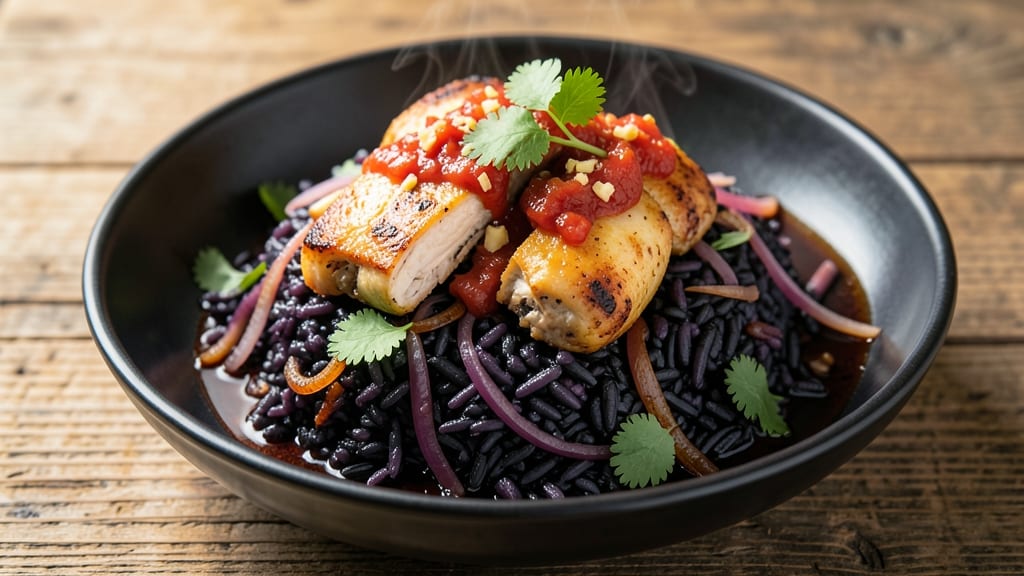
This Bolay black rice recipe transforms simple ingredients into a dish steeped in Filipino heritage, where nutty, chewy black rice absorbs rich savory flavors. The key lies in proper soaking and slow cooking, which unlocks the rice's signature texture and deep, earthy aroma.
Unlike white rice, black rice requires patience—its dense grains need time to soften just right, creating that perfect al dente bite.
Once cooked, the rice becomes a blank canvas for bold flavors, making it the ideal base for dishes like dinuguan or adobo. The savory herb gravy elevates it further, blending aromatic spices with tender meat or vegetables.
This dish isn’t just a meal—it’s a celebration of tradition, where every grain tells a story of Filipino culinary craftsmanship.
Ingredients for bolay black rice
Filipino heritage meets home cooking with these essential ingredients for authentic Bolay black rice.
| Ingredient | Amount | Notes |
|---|---|---|
| Black Rice 🌾 | 1 ½ cups | Uncooked, rinsed well |
| Chicken Thighs 🍗 | 1 ½ lb | Bone-in, skin-on preferred |
| Onion 🧅 | 1 whole | Yellow or white, diced |
| Garlic Cloves 🧄 | 6 cloves | Minced, fresh preferred |
| Tomatoes 🍅 | 2 medium | OR 1 cup diced tomatoes |
| Fresh Ginger 🌿 | 1 inch | Peeled, grated |
| Coconut Milk 🥥 | 13 ½ oz | Full-fat canned preferred |
| Bay Leaves 🌿 | 2 whole | Dried, crushed slightly |
| Fresh Thyme 🌿 | ¼ cup | Chopped, stems removed |
| Salt 🧂 | 1 ½ tsp | Kosher or sea salt |
| Black Peppercorns 🌶️ | ½ tsp | Freshly ground |
| Olive Oil 🫒 | ¼ cup | For cooking |
| Soy Sauce 🍶 | 2 tbsp | Dark or regular |
| Sugar 🍚 | 1 tbsp | Brown sugar preferred |
The black rice is the heart of this dish—Filipino markets or specialty stores carry the best quality, often labeled as 'forbidden rice.' If you can't find it, Asian grocery stores like H Mart or 99 Ranch usually stock it. For the chicken, bone-in thighs stay juicier during the long cooking process. The tomatoes should be firm but ripe; Roma tomatoes hold up best when diced. Fresh ginger and thyme are non-negotiable for that authentic Filipino aroma—dried spices just won't cut it here. The coconut milk should be full-fat for maximum creaminess, and Thai Kitchen brand is my go-to when I'm in a pinch.
No fresh thyme? Dried thyme at one-third the amount works, but it lacks that bright herbal note. Substituting chicken with pork shoulder or shrimp keeps the dish authentic—just adjust cooking times. For the tomatoes, canned crushed tomatoes save time, though fresh is ideal. If you're avoiding sugar, date syrup or honey can replace it in a 1:1 ratio. The soy sauce can be swapped for fish sauce (patis) for deeper umami, though traditional Bolay uses soy. For a vegetarian version, replace chicken with extra-firm tofu or mushrooms—just increase cooking time by 10 minutes.
Black rice needs at least 6 hours of soaking before cooking—don't skip this step! Store uncooked rice in an airtight container in a cool, dark place for up to 6 months. Once cooked, the rice keeps well in the fridge for 4 days—reheat gently with a splash of water to restore moisture. The herb gravy can be made ahead and reheated separately, then combined with rice before serving. Freeze portions of the gravy for up to 3 months in airtight containers. For best texture, serve the rice with the gravy immediately after reheating—it's when the flavors truly meld together.
Why You'll Love This Recipe
- One-Pot Magic: I swear by this recipe because it’s all in one pot—no fussing with multiple dishes. The black rice soaks up the chicken and tomato sauce like a sponge, so you’re basically done after chopping a few onions and mincing garlic. (Yes, even on a Tuesday night.)
- Deep Umami Bomb: That black rice isn’t just pretty—it’s packed with earthy, nutty flavor that pairs perfectly with the caramelized chicken and garlic. The tomatoes add just enough tang to cut through the richness, and honestly? It tastes like a restaurant dish without the pretension.
- Lunchbox Hero: Make a big batch on Sunday, and you’ve got weeknight lunches covered. The rice stays firm when reheated, and the chicken stays juicy—no sad, dry leftovers here. My kids grab it straight from the fridge, no complaints.
- Budget Stretch: Chicken thighs are cheaper than breasts, and black rice lasts forever in the pantry. You’re feeding a crowd for less than takeout, and the dish still feels special. Between us, this is how I feed my family without breaking the bank.
Step-by-step instructions for Bolay black rice
Here's the method for achieving that signature nutty crunch and rich herb gravy.
Parboil the Black Rice for Maximum Texture
Rinse the 1.5 cups black rice thoroughly under cold water until the water runs clear. This removes excess starch that would make the rice mushy. Transfer the rinsed rice to a medium pot and add 3 cups of water. Bring to a boil over high heat.
Once boiling, immediately reduce heat to medium-low and simmer uncovered for 15 minutes. You'll notice the rice expands slightly and develops a glossy sheen. This initial parboiling is crucial—it softens the rice just enough to develop that signature nutty crunch while preventing overcooking in the final step.
Drain the rice in a fine-mesh strainer and spread it on a clean kitchen towel to dry for 5 minutes. This drying step prevents the rice from steaming in the oven later, which would make it gummy instead of crispy.
Sear the Chicken Thighs for Deep Flavor
Pat the 1.5 lb chicken thighs dry with paper towels to remove any moisture. Heat 2 tablespoons of the olive oil in a large skillet over medium-high heat until shimmering. Add the chicken thighs skin-side down and cook undisturbed for 5-6 minutes until the skin is golden brown and crispy.
Flip the chicken and cook for another 4-5 minutes until the internal temperature reaches 165°F. Transfer the chicken to a plate and tent loosely with foil to keep warm. The golden-brown skin will contribute rich flavor to the final gravy, so don't be tempted to rush this step.
Remove the chicken from the skillet and set aside. Pour the remaining 2 tablespoons of olive oil into the same skillet and add the diced onion. Cook over medium heat for 5 minutes until softened and translucent.
Build the Herb Gravy Base
Add the minced garlic cloves, grated ginger, and chopped thyme to the skillet with onions. Cook for 1-2 minutes until fragrant—you'll smell the garlic releasing its sweet aroma. Add the diced tomatoes and cook for another 3 minutes until they begin to break down and release their juices.
Stir in the crushed bay leaves, soy sauce, and sugar. Cook for 2 minutes to allow the flavors to meld together. The sugar will help caramelize the onions slightly, adding depth to the gravy. Pour in the 13.5 oz coconut milk and bring to a gentle simmer over low heat.
Season with the 1.5 teaspoons salt and 0.5 teaspoon black peppercorns. Let the gravy simmer uncovered for 10 minutes to reduce slightly and thicken. You want it to coat the back of a spoon but still be pourable—this will create the perfect sauce consistency.
Roast the Rice to Perfection
Preheat your oven to 375°F. In a large, oven-safe skillet or baking dish, combine the parboiled black rice with the simmered gravy mixture. Stir gently to coat the rice evenly with the coconut milk mixture.
Cover the skillet with a tight-fitting lid or aluminum foil and transfer to the preheated oven. Bake for 25 minutes. After 25 minutes, remove the lid and increase the oven temperature to 400°F. Return the rice to the oven uncovered for 10-12 minutes until the top is golden brown and crispy.
The rice should be tender with a firm bite and the edges should be nicely toasted. The contrast between the nutty, chewy rice and crispy top is what makes this dish special. If the rice appears undercooked, return it to the oven for another 5 minutes.
Finish and Serve
Remove the chicken thighs from the foil and let them rest for 5 minutes before slicing. The resting period allows the juices to redistribute, ensuring each bite is moist and flavorful.
Slice the chicken thighs against the grain for maximum tenderness. Spoon the black rice onto serving plates, top with the sliced chicken, and ladle the herb gravy over the top. Garnish with additional fresh thyme if desired.
Serve immediately while the rice is still warm and the gravy is at its most flavorful. Each bite should deliver the nutty crunch of the black rice, the rich herb gravy, and the tender, juicy chicken. The combination of textures and flavors makes this dish truly special.
Pro Tips For Making Bolay Black Rice
- PARBOIL THE RICE FIRST: Black rice stays stubbornly hard if you skip this step—soak it for at least 30 minutes, then parboil in salted water for 10 minutes before adding it to the pot. I learned this the hard way after serving mushy, undercooked grains that ruined the texture contrast with the tender chicken.
- SEAR CHICKEN IN BATCHES: Crowd the pan and you’ll steam the thighs instead of getting that crispy, caramelized crust. Work in two batches over medium-high heat for 5-6 minutes per side, letting the oil pool between turns. Yes, it takes longer, but the flavor difference is night and day.
- SWEAT ONIONS LOW AND SLOW: High heat turns onions bitter before they soften—cook them over low heat for 8-10 minutes until they’re translucent and just starting to brown. Add a pinch of salt here, too; it draws out moisture and speeds up the process without burning.
- SAVE THE TOMATO JUICE: When the tomatoes break down, resist the urge to drain them—strain out the seeds and skins, but keep that thick, tangy juice. Stir it back into the sauce at the end; it cuts through the richness of the chicken fat and adds depth the recipe often skips. (Your future self will notice.)
Essential equipment for perfect results
Oven-Safe Skillet
You'll need a large, oven-safe skillet (I recommend a 12-inch cast iron skillet like Lodge or a stainless steel skillet from All-Clad) for roasting the rice. Cast iron retains heat beautifully and creates that signature crispy crust, while stainless steel offers even heating.
If you don't have either, a heavy-bottomed oven-safe Dutch oven works too—just make sure it's large enough to accommodate your rice without overcrowding. 🔥
Fine-Mesh Strainer
A fine-mesh strainer (like the OXO Good Grips or EZ Clean brands) is essential for draining the parboiled black rice thoroughly. The small holes ensure no rice grains slip through while removing excess water.
I've found that using a strainer with smaller holes (around 0.025-inch) works best for this delicate rice. Pro tip: Line your strainer with a clean kitchen towel to catch any stray grains.
Instant-Read Thermometer
An instant-read thermometer (I swear by the ThermoWorks Thermapen) is a game-changer for monitoring the chicken's internal temperature. You'll want to hit 165°F for safe, juicy chicken thighs. The fast response time lets you check doneness without overcooking.
For rice, I use it to verify the oven temperature stays consistent at 375°F and 400°F during the roasting process.
Chef's Knife Set
Invest in a sharp chef's knife (like the Wüsthof Ikon or Mac Knife) for chopping onions, garlic, and ginger efficiently. A serrated knife (such as a Japanese Santoku) comes in handy for dicing tomatoes cleanly.
Keep your knives well-maintained—they make prep faster and safer. I also recommend a knife sharpener (like the Work Sharp diamond stone) to maintain that professional edge. 🌟
Measuring Cups & Spoons
Precision matters with black rice—use dry measuring cups (like the OXO Good Grips set) for accurate measurements of the rice and liquid measuring cups for the coconut milk. A microplane (for ginger) and a garlic press (for cloves) save time and ensure even distribution of flavors.
For spices, I prefer small measuring spoons (like the OXO stainless steel set) to avoid over-salting or over-spicing.
Tongs for Stirring
Use heat-resistant silicone tongs (like the OXO Good Grips) to stir the rice and gravy mixture without scratching your skillet. They're also perfect for flipping the chicken thighs during searing.
Look for tongs with ergonomic grips—you'll be using them frequently during the cooking process. Avoid metal utensils that could scratch your cookware and affect flavor.
Nutrition facts
Frequently asked questions
Why does black rice need soaking before cooking?
Black rice has a tough outer layer that absorbs water slowly. Soaking for 6+ hours prevents uneven cooking and ensures each grain develops that perfect nutty crunch. The long soak also removes excess tannins that can make the rice bitter. Think of it as prepping the rice for its flavor transformation!
Can I substitute chicken with another protein?
For a vegetarian version, try extra-firm tofu or mushrooms—just increase cooking time by 10 minutes. Pork shoulder works beautifully too, though it may need 5 extra minutes to reach 165°F. Shrimp cooks fastest (3-4 minutes per side), but add it at the very end to avoid overcooking.
What makes Bolay different from regular black rice?
Bolay gets its signature texture from the two-stage cooking method: parboiling then oven-roasting. The oven step creates that crispy top while keeping the interior tender. Traditional versions often include herb gravy with coconut milk, giving it a richer, creamier profile than plain black rice dishes.
How do I fix mushy black rice?
If your rice turns out mushy, you likely overcooked it or didn't dry it properly after parboiling. Next time, spread the drained rice on a towel to dry completely before roasting. For immediate fixes, spread the rice on a baking sheet and bake at 350°F for 10 minutes to crisp up the exterior.
Can I make Bolay ahead of time?
Yes! The rice keeps well in the fridge for 4 days in an airtight container. Reheat gently with a splash of water to restore moisture. The herb gravy can be made 3 days ahead and reheated separately. For best results, combine the rice and gravy just before serving to maintain that crispy texture.