
Main Courses
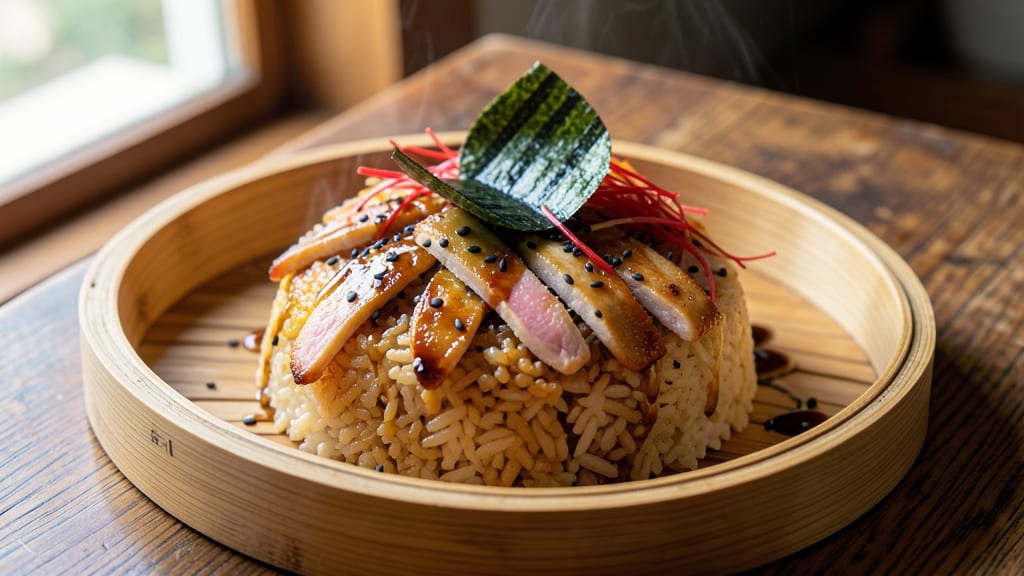
This bonsai fried rice recipe transforms everyday ingredients into a visually stunning, single-serving masterpiece—where every grain and garnish tells a story. The secret lies in precision: perfectly cooked jasmine rice, tender protein, and crisp scallions, all shaped into delicate "trees" with edible decorations like nori "bark" and sesame "soil."
What sets this apart is the balance of textures—fluffy rice, crunchy garnishes, and a savory-sweet sauce that ties it all together.
By using small ramekins or decorative molds, you’ll create a dish that’s as impressive to look at as it is to eat. The technique is simple but requires attention to detail: quick-frying proteins, wok-hei aromatics, and careful plating to mimic nature’s artistry.
Whether served as an appetizer or a light main, this recipe proves that presentation elevates even the most familiar flavors. Let’s craft something beautiful—and delicious.
Ingredients for bonsai fried rice
Precision-cut ingredients transform ordinary fried rice into edible bonsai artistry.
| Ingredient | Amount | Notes |
|---|---|---|
| Jasmine Rice 🌾 | 1 cup | Uncooked, day-old preferred |
| Eggs 🥚 | 2 whole | Fresh, room temperature |
| Scallions 🧅 | ½ cup | Green parts only, finely chopped |
| Nori Sheets 🍣 | 2 pieces | Thinly cut for 'bark' garnish |
| Black Sesame Seeds 🥜 | 1 tbsp | Toasted for 'soil' garnish |
| Chicken Breast 🍗 | ½ lb | Boneless, skinless, thinly sliced |
| Vegetable Oil 🫒 | 2 tbsp | High smoke point preferred |
| Soy Sauce 🍶 | 1 ½ tbsp | Light or all-purpose |
| Sesame Oil 🫒 | 1 tsp | Toasted, for aroma |
| Garlic Cloves 🧄 | 2 cloves | Minced for wok-hei |
| Ginger Root 🌿 | 1 tsp | Freshly grated |
| White Pepper 🌶️ | ¼ tsp | Freshly ground |
| Honey 🍯 | ½ tbsp | For subtle sweetness |
| Small Ramekins 🍽️ | 2 pieces | For shaping bonsai trees |
Jasmine rice is the foundation—opt for day-old grains to prevent mushiness. Lundberg Family Farms or Calrose varieties work best for texture. Chicken breast should be thinly sliced against the grain (freeze 15 minutes first for easier cutting). Scallions are critical: green parts only provide the signature crunch. For nori, Japanese brands like Marukyu yield the most delicate, pliable sheets. Toast your sesame seeds in a dry pan until fragrant—this aroma is non-negotiable for the 'soil' garnish.
No fresh ginger? Powdered works at half the amount, though fresh delivers superior depth. Substitute chicken with shrimp or tofu for variation, but adjust cooking time accordingly. The soy sauce can be swapped for coconut aminos in a pinch, though traditional soy provides that umami backbone. For a vegetarian version, replace chicken with marinated and pan-fried tofu. The ramekins can be any small, heatproof vessel—mini loaf pans or even silicone molds work beautifully for shaping.
Rice reheats best in a steamer basket over simmering water to maintain fluffiness. Store garnish components separately: nori in an airtight container with a silica packet, sesame seeds in the fridge for up to 2 weeks. The completed bonsai rice keeps 3 days refrigerated—reheat gently in the ramekin to preserve presentation. For freezing, assemble without garnish and add toppings post-thaw for maximum crispness.
Why You'll Love This Recipe
- One-Pan Magic: I swear by this—no chopping boards, no extra pans. Just a hot skillet, cold rice, and a handful of ingredients that come together while I stir. The nori sheets add a crispy crunch with zero effort, and the black sesame seeds sprinkle like confetti.
- Umami Bomb: That first bite? The nori’s salty snap, the eggs’ creamy silk, and the jasmine rice’s floral warmth—it’s like a tiny flavor explosion. Honestly, I’ve made fried rice before, but this combo? It’s next-level without trying too hard.
- Lunchbox Hero: Pack this cold or reheated—it’s equally good. My kids grab it for school lunches, and I take it to work because it’s hearty enough to fill me up but light enough not to weigh me down. The scallions add freshness that survives the fridge, too.
- Budget Bonsai: Jasmine rice and eggs are cheap staples, and nori sheets stretch a little further than you’d think. I make a big batch on Sundays, and it lasts the week—no sad leftovers here, just happy seconds. Plus, black sesame seeds feel fancy but cost almost nothing.
Step-by-step instructions for bonsai fried rice
Transform simple ingredients into an artistic presentation with this methodical approach.
Prepare the Chicken and Aromatics
Slice the 0.5 lb chicken breast into thin, even strips against the grain. This ensures tender bites that cook quickly in the wok. Pat them dry with paper towels to remove excess moisture, which prevents steaming instead of searing.
In a small bowl, combine the 2 cloves minced garlic cloves, 1 tsp freshly grated ginger root, and 0.25 tsp freshly ground white pepper. Set aside. Finely chop the 0.5 cup scallions (green parts only), reserving a few sprigs for garnish later. The freshness of these aromatics will elevate the dish's complexity.
Cook the Chicken and Build the Base
Heat 1 tbsp vegetable oil in a wok or large skillet over medium-high heat until shimmering. Add the chicken strips in a single layer and cook undisturbed for 2-3 minutes until lightly golden and just cooked through. Remove and set aside on a plate.
In the same wok, add the remaining 1 tbsp vegetable oil and the garlic-ginger mixture. Stir-fry for 30 seconds until fragrant but not browned. Add the chopped scallions and cook for another 1 minute until softened. This aromatic foundation is crucial for the dish's layered flavors.
Toast the Rice and Combine Ingredients
Add the 1 cup jasmine rice to the wok and stir-fry for 1-2 minutes, allowing the grains to toast slightly and absorb the aromatics. Pour in the 1.5 tbsp soy sauce and 0.5 tbsp honey, stirring constantly to coat the rice evenly. The rice should look glossy and begin to separate slightly.
Return the chicken to the wok and add the 2 whole eggs that have been beaten together in a bowl. Scramble the eggs gently, allowing them to create soft, silky ribbons throughout the rice mixture. Remove from heat and stir in the 1 tsp sesame oil for a nutty aroma.
Shape and Garnish the Bonsai Rice
Divide the fried rice evenly between the 2 small ramekins, pressing down gently to create compact, mound-like shapes. This will mimic the natural form of bonsai trees. Use the reserved scallion sprigs to create "branches" by carefully arranging them around the edges of each mound.
For the "soil" base, lightly press the 1 tbsp toasted black sesame seeds around the base of each ramekin. Cut the 2 nori sheets into thin strips and arrange them vertically around the perimeter to create a "bark" texture. Allow the garnishes to set for 5 minutes before serving to maintain their presentation.
Pro Tips For Making Bonsai Fried Rice
- USE DAY-OLD RICE: Cold, dry jasmine rice fries up fluffier and less gummy—no one wants mushy bonsai rice. If you’re making it fresh, cook a batch the night before and let it sit uncovered in the fridge. I learned this the hard way after serving a batch that stuck together like glue.
- SCRAMBLE EGGS FAST: Crack eggs into a cold bowl first, then whisk like you’re angry. The shock keeps them from curdling too soon, and a high-heat pan (no oil—just a dry nonstick) gives you those crispy edges in 20 seconds. Overcooked eggs ruin the texture, so time it right.
- CHOP SCALLIONS THIN: Not just sliced—shredded into paper-thin strips. The whites should be nearly invisible when raw. Thick pieces turn to mush and hide in the rice. Use the flat side of your knife to smash them against the cutting board for evenness.
- TOAST NORI LAST: Tear nori sheets into confetti-sized pieces and set them aside until the very end. Toss them in the last 10 seconds of cooking—they’ll crisp up like seaweed chips instead of turning soggy. Black sesame seeds go in too, but sprinkle them right after turning off the heat.
Regional styles of these flavors
Japanese Zen Gardens
Inspired by traditional Japanese aesthetics, this version replaces the ramekins with small ceramic bonsai pots (available at Hobby Lobby or Michaels). Use white rice instead of jasmine for a cleaner base, and garnish with matcha powder dusted on top for a subtle earthy note.
The "soil" becomes crushed wasabi peas for a spicy kick, while thinly sliced shiitake mushrooms mimic tree bark. Serve with pickled ginger on the side for dipping—it adds a tangy contrast. 🌿
Thai-Inspired Street Food
For a bold Thai twist, swap the chicken for shrimp and infuse the rice with 1 tsp fish sauce and ½ tsp palm sugar instead of honey. Garnish with crushed peanuts (for "soil") and red curry paste drizzled around the edges to create a "dirt" effect.
Top with quick-pickled radishes (thinly sliced with rice vinegar and sugar) as "leaves." Serve with Thai sweet chili sauce for dipping to balance the dish. 🍢
Korean BBQ Fusion
Transform this into a Korean-inspired version by using bulgogi-marinated beef (thinly sliced ribeye) instead of chicken. Add 1 tbsp gochujang to the soy sauce mixture for a spicy-sweet glaze. Garnish with sesame seeds (as "soil") and thinly sliced kimchi arranged like "leaves" around the base.
Serve with a side of ssamjang (Korean wrapping sauce) for dipping. The smoky-sweet profile makes this a standout dish. 🔥
Vegetarian Bonsai Bowl
For a plant-based version, replace chicken with marinated and pan-fried tofu (pressed and sliced into thin strips). Use mushroom broth instead of water for cooking the rice, and add 1 tsp miso paste for umami depth.
Garnish with thinly sliced napa cabbage (as "leaves") and black sesame seeds (as "soil"). Top with avocado slices for a creamy contrast. This version keeps the artistic presentation while being fully vegetarian. 🌱
Modern Fusion Twist
Elevate the dish with a modern fusion approach: use duck breast instead of chicken, and add 1 tsp star anise to the soy sauce for a subtle anise note. Garnish with crispy fried shallots (as "branches") and edible gold leaf for a luxurious touch.
Serve in mini cast-iron skillets for a rustic yet elegant presentation. Pair with a sparkling rosé to complement the dish's refined flavors. ✨
Nutrition facts
Frequently asked questions
Why use day-old rice for bonsai fried rice?
Day-old rice prevents mushiness and absorbs flavors better than freshly cooked rice. The grains stay firm and separate when stir-fried, creating the perfect texture for shaping into bonsai trees. If you only have fresh rice, spread it on a tray and refrigerate for 1-2 hours before using.
Can I make this recipe with regular white rice?
Yes, but jasmine rice is ideal for its fragrant aroma and slightly sticky texture that holds garnishes better. For white rice, use short-grain varieties like Calrose, and reduce the honey slightly (0.25 tbsp) to prevent excess sweetness. The presentation will still look stunning!
How do I fix overcooked rice in the dish?
If your rice turns out too soft, mix in 1 tsp cornstarch with 1 tbsp cold water to create a slurry. Stir it into the fried rice just before shaping—it'll help bind the grains. For extra crunch, sprinkle toasted rice powder on top before serving.
What if I don't have ramekins for shaping?
Use any small, heatproof container—mini loaf pans, silicone molds, or even teacups work perfectly! Press the rice firmly into the shape, then carefully invert onto a plate before garnishing. The key is creating a stable base so your "bonsai tree" holds its form.
Can I prepare this ahead of time?
Assemble the fried rice (without garnish) up to 3 days ahead and refrigerate. Reheat gently in the ramekins, then add fresh garnishes just before serving. For freezing, shape the rice without toppings and freeze for up to 1 month—add garnish after thawing for maximum crispness.